
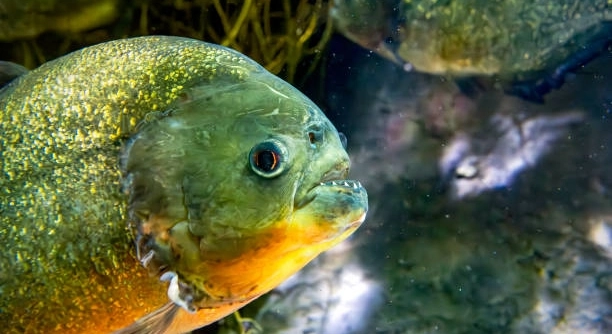
Have you ever watched your piranha behave differently and wondered if something in its tank is changing the mood? Subtle actions may mean more than they seem, especially when space and control come into play.
A piranha claiming territory will often display signs such as chasing tankmates, staying in one spot, guarding specific areas, and becoming more aggressive. These behaviors indicate the fish is attempting to establish dominance and secure personal space.
Learning how to recognize these signs early can help maintain a peaceful tank and reduce the risk of injury or stress.
Territorial Behavior Starts Subtle
When a piranha begins to claim territory, the changes may be small at first. You might notice the fish hovering in one corner or guarding a decoration more closely than usual. These initial behaviors are often overlooked, but they’re important. Over time, the piranha may begin pushing tankmates away, especially if they swim too close to the chosen area. This shift is part of a natural process where the fish attempts to establish control. Lighting, tank size, and overcrowding can all make things worse. In a well-balanced tank, there’s less chance of tension building up. Watching these behaviors closely can help prevent aggressive outbreaks. It’s helpful to adjust tank conditions early, especially when one piranha starts taking over a specific space.
This behavior can lead to constant chasing, tail nipping, or guarding objects like rocks and plants. It can increase stress for other tankmates quickly.
Recognizing these early signs can help stop the behavior from turning into ongoing aggression. Making small changes in the environment early can help balance things before it gets worse. Rearranging tank decorations, increasing space, or adding visual barriers may help. Piranhas often feel more secure when they have clear boundaries, which can reduce the need to defend one particular area all the time.
When Aggression Becomes Constant
Tank aggression doesn’t always stay at one level. Sometimes, it grows and spreads fast, especially in small or crowded tanks with limited hiding spaces.
Once a piranha becomes dominant, the tank’s balance shifts. You might see more frequent chasing, and the weaker fish often try to avoid the dominant one by hiding or staying near the top. These actions signal that stress is building. Constant stress weakens the immune system, making fish more likely to get sick. If aggressive behavior becomes daily or even hourly, it may be time to separate the fish. A divider can offer temporary relief while you figure out a better long-term setup. Feeding schedules may also play a role. Piranhas that don’t feel secure during feeding times are more likely to become territorial. Giving food in different spots or increasing portions slightly can reduce tension. Monitor how your fish behave during feeding and adjust based on their reactions. Regular checks help keep the environment stable.
Physical Clues You Shouldn’t Ignore
A territorial piranha may show changes in body language. Raised fins, flared gills, and darkened coloring are common signs. These shifts can happen quickly, especially when another fish enters its claimed space or challenges its authority.
Watch how your piranha moves around the tank. A fish that patrols one area frequently, especially while keeping its fins extended and body rigid, is often sending a clear message to others. These actions aren’t just for show—they’re warnings. If another fish ignores the warning, quick dashes or charges may follow. It’s not just about defending food or shelter; it’s about control. These visual changes are easy to miss if you’re not watching closely, especially since some may only last a few seconds. Keep track of any fish that shows repeated body stiffening, tail twitching, or changes in skin tone when others approach its space.
A piranha’s posture says a lot about how it feels. Defensive or aggressive stances become more frequent as territorial behavior deepens. This includes remaining motionless while facing an intruder, swimming in tight circles around an object, or keeping the body angled in a slightly threatening position. These signals mean the fish is preparing to strike if the warning isn’t respected. Ignoring these clues often leads to injury.
Environmental Factors That Trigger It
Territorial behavior often starts when space feels limited or certain spots become too valuable. Decorations, rocks, and dense plants can become prime areas piranhas want to control.
Tanks that are too small for the number of fish inside are more likely to lead to problems. A lack of visual breaks or hiding areas forces fish into each other’s paths too often, increasing the chance of conflict. Piranhas need a setup that allows them to feel hidden without making others feel trapped. While large, open spaces can seem ideal, these don’t always give piranhas a sense of security. Adding driftwood, caves, or dense plants in certain areas can help reduce stress and give all fish a place to retreat. Also, changes in lighting, temperature, or water flow can make one section of the tank more comfortable, making it more desirable and worth guarding. Keeping conditions balanced helps prevent competition.
Changes in Tankmate Behavior
If other fish are hiding more, refusing food, or sticking to the corners, it often means they’re stressed by aggressive behavior. These signs can show up early and may continue even when the dominant piranha is calm.
Tankmates may begin avoiding certain areas completely, especially if chased repeatedly. Over time, their color may fade and their movements become slower. These changes are signs that the tank dynamics are becoming unhealthy and need attention.
How Feeding Habits Play a Role
Feeding time often brings out competitive behavior, especially in piranhas that are already territorial. If food always lands in one spot, that area can become a high-stress zone. The dominant piranha may guard it before food even drops, nipping or charging at others that come close. Spreading food across the tank, using feeding rings, or offering food at both ends can ease this pressure. If one fish always eats first or chases others away during meals, that behavior will likely spread to other areas of the tank. Over time, these patterns can create long-term tension. Observing their behavior during feeding is key to understanding their roles.
Rearranging the Tank May Help
Moving plants, rocks, or hiding spots can disrupt territorial patterns. It forces all fish to re-establish boundaries, which may reduce control held by one dominant piranha.
How can I tell if my piranha is claiming territory or just being naturally aggressive?
Territorial behavior usually involves consistent actions focused around one particular area of the tank. The piranha will guard this spot actively, chase others away from it, and return to it repeatedly. General aggression, on the other hand, might happen randomly and involve attacks anywhere in the tank without a clear area being defended. Watching your piranha’s patterns over several days helps distinguish the two. Territorial fish tend to establish clear “zones,” while naturally aggressive fish may be less predictable.
What are the best ways to reduce territorial behavior in a piranha tank?
Increasing tank size and adding plenty of hiding places are effective steps. Rearranging decorations regularly breaks established boundaries and discourages long-term control of one spot. Feeding food in multiple locations helps spread competition. Maintaining stable water conditions reduces stress, which can worsen aggressive behavior. Dividing the tank or separating aggressive individuals temporarily can also provide relief. It’s important to monitor all fish and intervene early when territorial behavior appears.
Is it normal for piranhas to get aggressive during feeding times?
Yes, piranhas often become more competitive when food is introduced. Feeding triggers natural instincts to defend resources. However, if aggression becomes extreme or leads to injury, adjustments are needed. Spreading food throughout the tank or feeding smaller amounts more frequently can lessen this competition. Avoid overfeeding as well, since excess food can cause water quality problems, which increase stress.
Can overcrowding cause territorial disputes among piranhas?
Overcrowding is a major factor in territorial behavior. When there isn’t enough space, piranhas have to compete for hiding spots and swimming areas. This increases stress and leads to more aggressive displays. Each fish needs enough room to swim freely and avoid constant contact with others. Overcrowded tanks also make it harder to create separate zones for fish to claim. Reducing the number of fish or moving some to other tanks often resolves disputes.
Do changes in tank environment affect territorial behavior?
Yes, changes in lighting, water flow, temperature, or tank layout can shift how piranhas interact. A new rock or plant may become a prized spot. Sudden changes in water temperature or quality raise stress levels, which increases aggression. Maintaining consistent conditions and making any adjustments slowly gives fish time to adapt without becoming territorial. Stability is key for reducing conflicts.
How can I protect other fish from a territorial piranha?
Providing plenty of hiding spaces helps other fish escape aggressive encounters. Dense plants, caves, and decorations placed strategically allow weaker fish to retreat quickly. Using tank dividers or separate tanks for highly aggressive individuals can prevent injury. Feeding food in multiple places reduces fights over resources. Observing the tank closely to spot early signs of injury or stress is important to act before problems worsen.
What should I do if territorial behavior causes injuries?
If injuries appear, immediate action is necessary. Separate injured fish for recovery in quarantine tanks. Increase hiding spots and rearrange the tank to disrupt territories. Monitor water quality carefully as injuries can increase infection risk. If aggression remains high despite changes, consider reducing the number of fish or consulting an expert for advice on managing aggressive individuals. Prevention is easier than treatment.
Can adding more piranhas reduce territorial behavior?
Adding more fish may help balance aggression if the tank is large enough. In bigger groups, dominance is shared and individual fish are less likely to claim exclusive territory. However, overcrowding must be avoided, as it causes stress and worsens conflicts. Introducing new fish should be done carefully, with gradual acclimation and proper quarantine to avoid disease.
Are there certain tank decorations that encourage territorial behavior?
Some decorations, like large rocks, caves, or dense plants, create natural “hot spots” that fish want to control. While these offer important hiding places, they can also increase territorial disputes if space is limited. Using many smaller decorations spread evenly can reduce competition for a single prime spot. Regularly changing the layout prevents any one item from becoming a stronghold.
How often should I rearrange the tank to prevent territory claims?
Rearranging the tank every few weeks helps disrupt established territories. Small changes like moving a rock or plant to a new spot can make a difference. However, avoid drastic changes that stress the fish. Gradual adjustments let them adapt while breaking up long-term control. Consistency in other tank conditions should be maintained during these rearrangements.
Can territorial behavior indicate health problems in a piranha?
Territorial aggression is usually linked to environment and social dynamics rather than health. However, sudden or extreme behavior changes may signal illness or discomfort. Parasites, injury, or poor water quality can make fish irritable. Regular health checks and maintaining excellent water conditions reduce these risks and help keep behavior stable.
Is it safe to keep different species with piranhas prone to territorial behavior?
Mixing species increases the risk of conflict, especially with territorial piranhas. Tankmates must be chosen carefully based on size, temperament, and swimming habits. Avoid small or slow fish that can be bullied. Species that prefer different tank zones or are faster swimmers stand a better chance of coexisting. Monitor interactions closely and be ready to separate if problems arise.
What signs mean it’s time to separate a territorial piranha?
Frequent injuries, constant chasing, and stressed or hiding tankmates indicate serious issues. If aggression disrupts feeding or rest patterns, separation is necessary. Using a tank divider or moving the dominant fish to a different tank can restore balance. Early intervention protects all fish and prevents long-term damage.
How important is water quality in controlling territorial behavior?
Water quality plays a major role. Poor water conditions increase stress, which worsens aggression. Regular testing and maintenance keep ammonia, nitrite, and nitrate levels safe. Clean water supports fish health and calm behavior. Even minor fluctuations can make piranhas more territorial, so consistent care is essential.
Can diet influence territorial tendencies?
A balanced diet reduces competition and stress during feeding. Hunger and nutritional deficiencies can make fish more aggressive. Providing a varied diet of protein, vegetables, and occasional treats supports overall health. Feeding multiple times a day in small portions helps keep fish satisfied and less likely to guard food aggressively.
Final Thoughts
Understanding territorial behavior in piranhas is important for maintaining a healthy and balanced aquarium. These fish naturally claim space, especially in confined environments, which can lead to aggression toward tankmates. Observing the signs of territory claiming, such as chasing, guarding specific areas, and changes in other fish’s behavior, helps owners take timely steps. Early recognition of these behaviors allows for adjustments that can reduce stress for all fish involved and improve their overall wellbeing.
Managing territorial disputes involves several practical measures. Increasing tank size, providing ample hiding spots, and regularly rearranging decorations can break up established boundaries and reduce tension. Feeding food in multiple locations also helps spread competition and lowers the chances of aggressive encounters. Maintaining stable water conditions and monitoring fish health are equally important since stress caused by poor water quality or illness can worsen territorial behavior. In some cases, it may be necessary to separate particularly aggressive individuals to protect others.
Keeping piranhas requires attention to both their natural instincts and their environment. While territorial behavior cannot be completely eliminated, it can be controlled through thoughtful tank management and observation. Creating an environment that supports social balance helps prevent injuries and keeps the aquarium peaceful. Understanding these dynamics promotes a better experience for both the fish and their caretakers, allowing piranhas to thrive in captivity with fewer conflicts.

Hello,
If you enjoy the content that we create, please consider saying a "Thank You!" by leaving a tip.
Every little bit helps us continue crafting quality advice that supports the health, happiness, and well-being of pets around the world, for pets of all shapes, sizes, and species.
We really appreciate the kindness and support that you show us!