
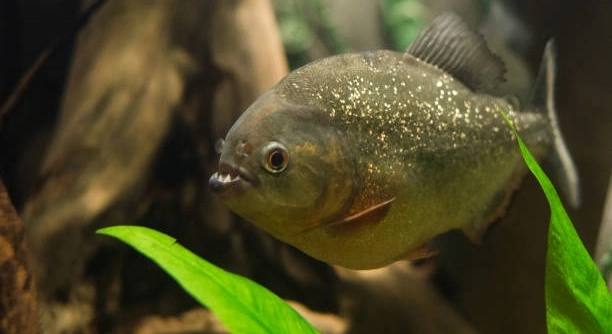
Have you ever found yourself swimming near piranha territory and wondering what signs might signal an incoming attack? Recognizing the right clues can help you stay safe and avoid a dangerous surprise in the water.
A piranha is likely to lunge when it feels threatened, senses blood or sudden movement, or is in a feeding frenzy. Changes in water activity, increased aggression, and erratic swimming patterns often signal an imminent strike.
Knowing what to watch for can help you react quickly and confidently in unpredictable situations. These clues can be useful whether you’re observing or encountering these fish firsthand.
Look for Sudden Movement in the Water
When piranhas are about to lunge, they often react to quick splashes or disturbances. This behavior is a natural response, especially in murky or shallow water where they rely on vibrations to locate potential prey. Even small disruptions can trigger a group response, especially during feeding times. If you see sudden shifts in water, especially around areas with limited visibility, it’s smart to back away calmly. These movements might indicate a group of piranhas reacting to nearby prey, and staying still can often help you avoid drawing more attention. Piranhas tend to strike when they feel confident, and rapid water motion gives them that signal. Always be mindful of your surroundings, particularly in rivers or lakes where these fish are known to gather.
Fast splashes often mean piranhas are nearby and may be on alert. Keeping your movements slow can help prevent triggering their attack response.
Take time to observe the water before entering. If you notice erratic movement or small waves without a clear source, it might not be safe. Stillness and silence are helpful if you suspect piranhas are in the area. Stay cautious and trust your instincts in unfamiliar waters.
Watch for Schooling Behavior
Tightly packed fish moving together is a red flag. Piranhas often gather in groups when stressed or preparing to feed, especially if food is nearby.
When piranhas begin to form dense schools, it can indicate that they’re preparing for a coordinated feeding. This behavior often follows environmental stress or the presence of injured prey. A cluster of piranhas moving quickly in unison should be taken seriously, especially if accompanied by other signs like twitchy or sharp movements. These fish feel safer in numbers and are more likely to act aggressively when in a group. You might spot them near underwater structures or shaded areas where prey hides. If you’re in the water and notice this type of movement, the best thing to do is slowly retreat without splashing. Even if they’re not targeting you, the sudden increase in group alertness can lead to unpredictable actions. Avoid these zones until the fish disperse.
Look for Nipping Behavior
Small, quick bites in the water can mean piranhas are testing their surroundings. This usually happens before a full attack, especially if they’re unsure whether something is food or a threat. Nipping is a warning sign you shouldn’t ignore.
Piranhas use nipping as a way to assess unfamiliar objects or living things in their territory. If you feel a sudden, light bite or notice fish snapping at your clothing or gear, it’s best to exit calmly and slowly. This behavior tends to happen during feeding hours or when the water is murky. Nipping can quickly escalate into more aggressive behavior, especially if blood or movement follows. Their sharp teeth allow them to bite quickly and effectively. Even a curious nip can break the skin. It’s important not to make loud splashes, which can increase their interest and prompt more direct bites.
In some cases, nipping can be mistaken for other fish activity. However, if you’re in an area known for piranhas and feel repeated small bites, assume it’s them. This behavior is especially common when piranhas feel territorial or if there is food in the water. Recognizing these signs early can keep the situation from getting worse. Always leave the area if nipping starts and avoid sudden movement.
Notice Increased Aggression After Rain
After heavy rain, piranhas often become more active and defensive. The change in water temperature and current can stir up their habitat, making them anxious and more likely to lunge at unfamiliar disturbances nearby.
Rain can wash organic material into the river, attracting prey and changing the environment. This encourages piranhas to feed more aggressively and protect new food sources. The water level also rises, creating new hiding spots and expanding their territory. As their surroundings shift, they become quicker to react, especially if they sense movement near the surface. Many swimmers or fishers report that piranhas show more warning signs after storms, including erratic swimming, circling behavior, and faster responses to movement. These changes can happen quickly, often within minutes of rainfall. If you notice cloudy water, floating debris, or higher currents after rain, it’s better to avoid entering the water until it clears up. Their aggressive behavior can last for hours.
Notice When the Water Feels Still
Still water might seem safe, but it can actually signal lurking piranhas. When they prepare to strike, they often stop moving and float silently, waiting for the right moment. Calm surfaces can be misleading.
If the area suddenly goes quiet, and other fish disappear, be cautious. Piranhas tend to become motionless right before attacking, especially if something has disturbed them. Stillness in the water could mean they’re preparing to lunge.
Observe Changes in Color or Body Language
Piranhas sometimes darken in color or puff their bodies slightly before they attack. These shifts are subtle, but they can show agitation or rising tension. You may also notice a jerky or twitchy movement. These signs mean they are alert and ready. Avoid swimming too close if you notice any changes. When one starts showing signs, others in the group may follow.
Be Aware of Feeding Sounds
A clicking or snapping sound underwater can mean feeding has started. Piranhas make these noises with their jaws when they’re biting or competing for food. Keep your distance if you hear these sounds.
How dangerous are piranhas to humans?
Piranhas can be dangerous but attacks on humans are rare. They mostly feed on smaller fish and rarely target large animals unless provoked or starving. Most bites happen when the fish feel threatened or when there is blood in the water. Avoiding sudden movements or entering known piranha habitats during feeding times greatly reduces risk. While their teeth are sharp, piranha bites usually cause superficial wounds rather than serious injury.
Can piranhas attack without warning?
Piranhas typically give several signs before attacking, such as increased movement, nipping, and changes in schooling behavior. Attacks without warning are uncommon. They rely on sensing vibrations and movement to identify prey. If you stay calm and still, they often lose interest. Sudden splashes or panic can provoke an unexpected response, so avoiding abrupt actions in piranha areas is important.
What attracts piranhas to a certain spot?
Piranhas are attracted to places with abundant food sources such as injured fish, organic matter, or animals in distress. Murky water, fallen leaves, and flooded areas with new hiding spots also draw them in. Blood in the water is a strong attractant, triggering their feeding instincts. They prefer warm water and slow-moving or still areas where prey gathers.
How can I protect myself from a piranha attack?
Avoid swimming in known piranha habitats during dawn, dusk, or after heavy rain when feeding activity increases. Stay calm and move slowly if you notice signs of aggression. Avoid splashing or sudden movements. Wearing protective gear or avoiding bare skin exposure reduces bite risk. If bitten, leave the water quickly and treat wounds promptly to prevent infection.
Are all piranhas aggressive?
Not all piranha species are aggressive toward humans. Some species are more peaceful and prefer plant material or scavenging. Aggression usually depends on food availability, water conditions, and stress levels. When food is scarce, or the fish feel threatened, even typically docile piranhas may act defensively. Understanding the species and environment helps gauge risk levels.
Do piranhas attack in groups or alone?
Piranhas often attack in groups, especially when feeding or defending territory. Group attacks increase their chances of capturing prey and provide protection from predators. However, isolated piranhas may also bite if provoked or hungry. Group behavior tends to escalate aggression and speed during feeding frenzies.
What should I do if a piranha bites me?
Remain calm and exit the water slowly to avoid provoking more attacks. Clean the wound immediately with clean water and disinfectant. Seek medical attention if the bite is deep, bleeding heavily, or shows signs of infection. Piranha bites can carry bacteria, so proper wound care is essential.
Can piranhas smell blood from far away?
Yes, piranhas have a keen sense of smell and can detect blood in the water from a distance. Blood signals potential prey or injury, triggering their feeding behavior. This sensitivity is why bleeding in piranha-infested waters increases the likelihood of bites. It’s important to avoid open wounds or bleeding in these environments.
Do piranhas only attack during feeding times?
Feeding times, often early morning or late afternoon, see increased piranha activity and aggression. However, piranhas may also react defensively at other times if disturbed. Environmental factors like water temperature, rain, and habitat changes can cause irregular feeding or aggressive behaviors. Understanding these patterns helps reduce risks.
Are there natural predators of piranhas?
Yes, animals like caimans, large fish, river dolphins, and birds prey on piranhas. These predators help keep piranha populations balanced. Piranhas rely on group behavior and sharp teeth to defend themselves, but they are not at the top of the food chain. Predation pressure influences their aggressive and defensive tactics.
How do piranhas communicate before attacking?
Piranhas communicate using body language such as puffing their bodies, changing color, and making quick jerky movements. These signals warn other fish and potential threats of their readiness to attack. During feeding, they produce snapping sounds with their jaws. This combination of visual and auditory cues coordinates group behavior before lunging.
Is it safe to fish in waters with piranhas?
Fishing in piranha habitats can be risky. Using proper techniques, such as avoiding bare hands near hooks and minimizing splashing, helps prevent bites. Protective gloves and caution when handling caught fish reduce injuries. It’s important to be aware of piranha presence and avoid fishing during peak feeding times to stay safe.
The presence of piranhas in certain waters demands respect and caution. These fish have earned a reputation for being aggressive, but understanding their behavior helps reduce risks. Recognizing the signs that a piranha may be about to lunge is key to staying safe. From small nipping actions to changes in water conditions, these clues serve as warnings. People who spend time near or in piranha habitats should remain alert and avoid sudden movements or disturbances in the water. Taking simple precautions can prevent most negative encounters and ensure a safer experience in natural settings where piranhas live.
It is important to remember that piranhas do not attack without reason. Their aggressive behavior is usually linked to feeding, defending territory, or reacting to perceived threats. Many attacks occur when piranhas are startled or when blood is present in the water. Knowing when piranhas are more active, such as after heavy rains or during feeding hours, helps to avoid unnecessary risks. In many cases, people can observe these fish without harm by respecting their environment and staying calm. Using common sense and paying attention to the signs described can greatly reduce the chance of an incident.
While piranhas can be dangerous, they are also part of the ecosystem where they live. They play a role in controlling fish populations and keeping waters clean by scavenging. Avoiding panic and reacting calmly is the best way to handle any encounter. If a bite does occur, prompt and proper care of the wound is essential to prevent infection. By understanding their behavior and environment, people can better coexist with these fish. Overall, caution combined with knowledge is the best approach when near piranha-inhabited waters.

Hello,
If you enjoy the content that we create, please consider saying a "Thank You!" by leaving a tip.
Every little bit helps us continue crafting quality advice that supports the health, happiness, and well-being of pets around the world, for pets of all shapes, sizes, and species.
We really appreciate the kindness and support that you show us!