
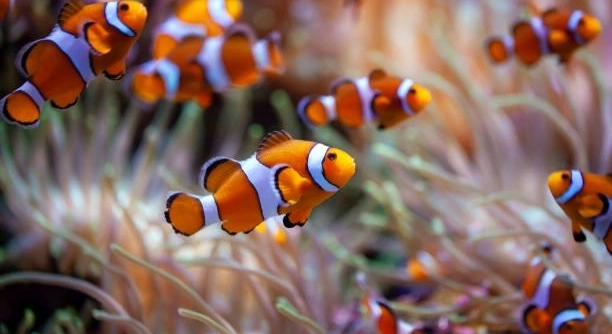
Clownfish are well-known for their bright colors and unique behaviors. These traits don’t all show up right away but develop as the fish mature in their natural habitat. Understanding these changes helps appreciate their fascinating life cycle.
Several distinct traits appear in clownfish after maturity, including changes in coloration, increased territorial behavior, social hierarchy establishment, reproductive development, enhanced swimming skills, improved immune response, and vocalization patterns. These traits are crucial for survival and reproduction in their environment.
Recognizing these characteristics can deepen appreciation for clownfish and their role in marine ecosystems. This article highlights seven key traits that become evident after they reach adulthood.
Coloration Changes After Maturity
Clownfish show noticeable changes in their colors as they mature. Juvenile clownfish often have duller or less distinct colors compared to adults. As they grow, their orange, white, and black markings become more vibrant and clearly defined. This bright coloration serves several purposes. It helps them recognize each other, attracts mates, and warns potential predators. The contrast between their stripes and base color becomes sharper, making them more visible in their coral reef habitats. These changes develop gradually and are influenced by factors like diet, environment, and health. Mature clownfish tend to have a glossy, healthy appearance, which is an indicator of their fitness and readiness for reproduction. This color transition also supports their symbiotic relationship with sea anemones, providing camouflage and protection while benefiting both species.
The color changes are not just cosmetic but play a critical role in survival and social interaction. Bright coloration signals maturity and readiness to breed.
Understanding how and why their colors change gives insight into their behavior and ecology in coral reefs.
Territorial Behavior
Territorial behavior becomes more pronounced in mature clownfish. They actively defend their home anemones from intruders and rival fish. This behavior helps secure a safe space for feeding, breeding, and shelter. The size of their territory depends on the availability of suitable anemones nearby and the number of competing fish. Clownfish use aggressive displays, such as chasing and biting, to keep intruders away. They also clean their anemone, maintaining a healthy environment that benefits both species. This protective behavior increases the chances of survival for the clownfish and its offspring.
Territoriality is essential for clownfish to establish dominance and protect their breeding grounds.
Social Hierarchy and Reproductive Development
Clownfish live in groups with a clear social hierarchy. The largest and most dominant fish is the female, followed by the breeding male, and then smaller non-breeding males. This structure prevents conflict and organizes the group for reproduction. When the dominant female dies or disappears, the breeding male changes sex to become female, and the next largest male becomes the breeding male. This sequential hermaphroditism ensures the group maintains its reproductive capacity. Mature clownfish also develop reproductive organs and behaviors, such as nest preparation and egg guarding. The male takes care of the eggs until they hatch, which can take several days. These social and reproductive traits are crucial for the survival of the species and demonstrate complex behavior that begins after maturity.
The hierarchy controls breeding roles and supports group stability. Reproductive maturity brings about these significant behavioral changes.
Enhanced Swimming Skills
Mature clownfish show stronger and more controlled swimming abilities. Their movements become quicker and more precise, allowing them to navigate through coral and anemones efficiently. This agility helps them escape predators and maintain their territory with ease.
Improved swimming is important for daily survival. Adults can make sharp turns and sudden bursts of speed, which juveniles cannot manage as well. This skill helps when chasing away intruders or when evading threats. It also allows them to maintain position close to their host anemone, which is critical for protection.
This increased swimming ability is the result of fully developed muscles and fins. It also supports their active lifestyle, including feeding and mating behaviors. Enhanced swimming helps them adapt to their reef environment and increases their chances of survival over time.
Improved Immune Response
Mature clownfish develop a stronger immune system to fight off diseases and parasites common in coral reefs. This improvement is vital for their long-term health and survival. A robust immune response allows them to resist infections that could otherwise weaken or kill them.
Their immune system matures alongside their physical growth. This change reduces vulnerability to bacterial and fungal infections, which are prevalent in their aquatic environment. A healthy immune response also supports healing from minor injuries sustained during territorial disputes or predator encounters.
Stronger immunity is crucial as adult clownfish spend more time exposed to risks while defending territory and breeding. This development helps maintain the population balance in their reef communities. Overall, the immune system’s enhancement after maturity is essential for their continued survival and reproductive success.
Vocalization Patterns
Mature clownfish develop distinct vocal sounds used for communication within their group. These sounds help maintain social order and warn off intruders. Vocalization becomes an important part of their behavior as they grow.
The types of sounds include clicks and pops, which vary depending on the situation. These noises strengthen their interactions and support group cohesion in the reef environment.
Nest Preparation and Egg Care
Adult clownfish take responsibility for preparing the nest where eggs will be laid. They clean and guard the area carefully to increase the chances of survival for their offspring. After the female lays the eggs, the male often takes over the duty of protecting and aerating them. This care lasts until the eggs hatch, ensuring the young have a better start in life.
Social Bonding
Social bonding between clownfish becomes stronger after maturity. This helps maintain the group’s stability and cooperation within their shared territory.
Territorial Displays
Clownfish use body postures and movements to establish and defend their territory. This behavior increases after maturity and helps reduce conflicts.
What causes the color changes in clownfish after maturity?
Color changes in clownfish after maturity are mainly caused by hormonal changes and environmental factors. As they grow, their bodies produce more pigments that brighten their orange, white, and black markings. Diet and health also influence the intensity of their colors. Vibrant coloration signals readiness for breeding and helps them blend with their host anemones. These changes happen gradually and are important for both survival and social signaling.
How does territorial behavior benefit mature clownfish?
Territorial behavior helps mature clownfish protect their living space and resources. By defending their anemone, they secure food, shelter, and a safe place to breed. This defense reduces competition from other fish and predators. Aggressive displays like chasing intruders keep the territory clear. Such behavior increases the chances of survival for the clownfish and its future offspring. Territory also helps maintain social order within groups.
Why do clownfish establish a social hierarchy?
Clownfish establish a social hierarchy to organize their groups and avoid constant fighting. The dominant female is the largest fish, followed by the breeding male and smaller males. This hierarchy controls breeding roles and keeps the group stable. When the female dies, the breeding male changes sex to female, ensuring reproduction continues. This system balances competition and supports long-term survival of the group.
What role does improved swimming play in mature clownfish?
Improved swimming skills help mature clownfish move efficiently through their environment. Adults have stronger muscles and better fin control, allowing them to escape predators and defend their territory more effectively. These skills also assist in feeding and mating behaviors. Enhanced swimming supports their active lifestyle and ability to live closely with sea anemones. It is a key adaptation for survival in coral reefs.
How do vocalizations support clownfish communication?
Vocalizations like clicks and pops help clownfish communicate within their social groups. These sounds can warn intruders, establish dominance, and maintain social bonds. As clownfish mature, they use these vocal signals more often to manage interactions and reduce conflicts. Vocal communication is important in the complex environment of coral reefs, where visual signals might be limited.
What is the importance of nest preparation and egg care?
Nest preparation and egg care are vital for successful reproduction. Mature clownfish clean and protect the nesting area, ensuring the eggs stay healthy. After the female lays eggs, the male often guards and aerates them until they hatch. This parental care increases the survival rate of offspring. Such behaviors highlight the maturity and responsibility of adult clownfish in maintaining their population.
How does a stronger immune response help adult clownfish?
A stronger immune system helps adult clownfish resist infections common in coral reefs. It reduces the risk of diseases caused by bacteria, fungi, and parasites. This immune development is important because mature clownfish face more challenges due to territorial fights and environmental exposure. A healthy immune system supports their survival and ability to reproduce over time.
Why do clownfish change sex in their social groups?
Clownfish change sex as part of their social structure. When the dominant female dies or leaves, the breeding male changes into a female to fill her role. The next largest male then becomes the breeding male. This sex change ensures the group always has a breeding pair. It is a natural process called sequential hermaphroditism, helping maintain population stability.
How does social bonding affect clownfish groups?
Social bonding strengthens group stability and cooperation among clownfish. These bonds reduce aggression and help maintain order within their territory. Mature clownfish rely on social connections to coordinate activities like territory defense and breeding. Strong bonds promote group survival and improve the overall health of the community.
What are common territorial displays in mature clownfish?
Territorial displays include body postures, fin spreading, and aggressive movements like chasing or biting. These behaviors help clownfish establish dominance and defend their space without causing serious harm. Displays increase after maturity as fish become more protective of their anemone and breeding areas. Such signals reduce physical fights by warning rivals early.
Clownfish are fascinating creatures that change in many ways as they grow from juveniles into adults. These changes are important for their survival and success in the reef environment. From brighter colors to stronger swimming skills, each trait helps the clownfish adapt to its surroundings and live well with other fish and sea anemones. Understanding these traits gives a clearer picture of how clownfish live and interact with their environment, showing the complexity of their behavior despite their small size.
Many of the traits that appear after maturity serve specific purposes. For example, their vibrant coloration helps with mating and protection, while territorial behavior ensures they have a safe space to live and raise young. The social hierarchy within groups keeps the community stable and allows for smooth reproduction through natural sex changes. Additionally, adult clownfish develop better immune responses and communication skills, which help them survive the challenges of life on the reef. Each of these changes contributes to their overall fitness and ability to thrive.
Recognizing these traits helps us appreciate the role clownfish play in coral reef ecosystems. Their interactions with sea anemones are an excellent example of symbiosis, where both species benefit. As clownfish mature, they take on more responsibilities like defending territory and caring for eggs, which ensures their population continues. Learning about these changes can inspire better care and conservation efforts for clownfish and their habitats. It also reminds us that even small creatures have complex lives that deserve attention and respect.

Hello,
If you enjoy the content that we create, please consider saying a "Thank You!" by leaving a tip.
Every little bit helps us continue crafting quality advice that supports the health, happiness, and well-being of pets around the world, for pets of all shapes, sizes, and species.
We really appreciate the kindness and support that you show us!