
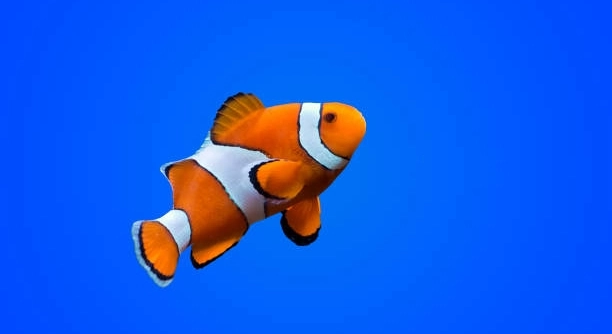
Clownfish tanks require thoughtful design to create a healthy and comfortable environment. Choosing the right layout helps support the fish’s natural behavior and enhances the tank’s visual appeal. Proper planning ensures both functionality and beauty in your aquarium.
Effective clownfish tank layouts focus on balancing open swimming spaces with ample hiding spots. Incorporating live rock and coral structures promotes natural behaviors and territorial boundaries, while maintaining proper water flow and filtration to support a stable ecosystem within the tank.
Exploring these layouts will help you find the best setup for your clownfish and improve your overall aquarium experience.
Basic Open Reef Layout
The basic open reef layout is popular for clownfish tanks because it provides plenty of swimming room. This design features a wide open area in the center of the tank with rocks and coral arranged mainly along the edges. The open space allows clownfish to swim freely and display natural behaviors, while the rock formations create hiding spots and territorial boundaries. Live corals or artificial decorations can be used, depending on preference and tank conditions. This setup is easy to maintain and provides good water flow throughout the tank, helping to keep the environment healthy. Additionally, it is flexible enough to add or rearrange decorations as needed. With minimal complexity, this layout works well for beginners who want a balanced tank environment without too many challenges. The open reef style also highlights the bright colors of clownfish, making them the focal point of the aquarium.
This layout offers an ideal mix of space and shelter, which is essential for clownfish well-being.
Choosing a basic open reef layout ensures your clownfish have a comfortable habitat. The openness reduces aggression between fish while the rock structures allow them to retreat when needed. It also simplifies maintenance tasks like cleaning and water changes. Because of its simplicity, this setup can be easily adapted to fit various tank sizes. It supports a healthy ecosystem by encouraging natural movement and interaction among the fish and other tank inhabitants. Overall, it’s a reliable choice for anyone starting a clownfish tank or wanting a low-maintenance display.
Anemone-Centered Layout
The anemone-centered layout focuses on providing a large host anemone as the centerpiece for the clownfish. Clownfish naturally form symbiotic relationships with anemones, which offer shelter and protection. This design places the anemone in a prominent position, often attached to a stable rock formation near the center or side of the tank. The surrounding area is kept open for swimming, but also includes smaller hiding places for shy fish or tank mates. Because anemones require specific lighting and water quality, this layout demands more careful monitoring and maintenance. Proper placement ensures the anemone thrives without overshadowing the clownfish’s movement. This setup creates a natural-looking habitat that closely mimics the clownfish’s ocean environment, encouraging natural behavior and promoting well-being. It’s suited for those willing to invest time in maintaining the right conditions for both clownfish and their host.
Coral Garden Layout
This layout uses a variety of colorful corals arranged to create hiding spots and swimming paths. It adds visual interest while supporting a natural environment for clownfish.
Coral gardens offer multiple benefits for clownfish. The diverse coral structures provide shelter and protection from potential threats. These formations also help define territories, reducing conflicts between fish. The corals contribute to water quality by supporting beneficial microorganisms. In addition, the vibrant colors enhance the aquarium’s aesthetic appeal, making it enjoyable to watch. Maintaining coral health requires attention to lighting, water flow, and water chemistry. Proper care helps the corals thrive, which in turn benefits the clownfish by creating a more stable habitat. This layout works well for those wanting to combine beauty with a functional tank design.
Careful selection of coral types is important to avoid overcrowding and ensure compatibility with clownfish. Avoid corals that may sting or compete aggressively with the clownfish’s anemone or other tank inhabitants. Arrange corals to allow easy access for cleaning and maintenance. The layout should balance dense coral clusters with open swimming spaces, preventing stress in the fish. Overall, coral garden layouts promote natural behavior and create a lively, colorful tank.
Rock Maze Layout
Rock maze layouts use intricate rock formations to create tunnels, caves, and hiding spots for clownfish. These structures help reduce aggression and provide exploration areas.
By creating a maze of rocks, this layout encourages natural clownfish behavior like hiding and establishing territories. The caves offer safe retreats for shy or stressed fish, while open paths allow for active swimming. Rock mazes also provide surfaces for beneficial algae and microorganisms, improving the tank’s ecosystem. Proper stacking of rocks ensures stability and prevents collapses that could harm fish. The design must also allow good water flow to avoid dead zones where debris can accumulate. This layout suits hobbyists who enjoy building detailed aquascapes and want to offer their clownfish a stimulating environment.
Minimalist Layout
The minimalist layout focuses on simplicity, using only a few carefully placed rocks and decorations. This keeps the tank open and easy to maintain.
It emphasizes clean lines and minimal clutter, allowing clownfish to swim freely. This style reduces stress and highlights the fish’s natural colors.
Biotope Layout
A biotope layout recreates the natural habitat of clownfish with authentic rocks, corals, and sand. This approach enhances the tank’s realism and supports natural behaviors by matching the fish’s environment as closely as possible.
Vertical Layout
Vertical layouts use tall rock formations or coral towers to add height and dimension. This design maximizes swimming space by encouraging vertical movement through the tank’s water column.
FAQ
What size tank is best for clownfish?
A tank of at least 20 gallons is recommended for one or two clownfish. This size provides enough swimming space and room for decorations like rocks and corals. Larger tanks offer more stable water conditions and allow adding tank mates or more decorations comfortably.
How many clownfish can I keep in one tank?
Keeping a pair of clownfish is ideal because they naturally form bonded pairs. More than two can lead to aggression and territorial disputes, especially in smaller tanks. If you want a community tank, ensure plenty of hiding spots and space to reduce conflicts.
What type of decorations work best for clownfish?
Live rocks, corals, and anemones are excellent choices because they mimic the clownfish’s natural habitat. Rocks and corals provide shelter and territory, while anemones offer a safe place for clownfish to hide and rest. Avoid sharp or rough decorations that could injure the fish.
Do clownfish need anemones to be happy?
While clownfish benefit from living with anemones in nature, they can live comfortably without them in tanks if proper hiding places and territory are provided. Anemones require specific care and lighting, so many aquarists opt for alternatives like corals or rock caves.
How often should I clean a clownfish tank?
Regular maintenance is important. Partial water changes of about 10-20% should be done every one to two weeks. Cleaning algae from decorations and glass, as well as checking filters, helps keep the environment healthy. Avoid cleaning everything at once to preserve beneficial bacteria.
What water conditions do clownfish need?
Clownfish thrive in saltwater with a temperature between 74-79°F (23-26°C), pH around 8.1-8.4, and stable salinity. Proper filtration and regular testing ensure these conditions are met. Sudden changes in water parameters can stress the fish and cause health problems.
Can clownfish live with other fish?
Yes, clownfish are generally peaceful but territorial. They can live with other non-aggressive fish species that are similar in size. Avoid housing them with large or aggressive fish that may bully or eat them. Always research compatibility before adding new tank mates.
How do I prevent aggression between clownfish?
Providing enough space and hiding spots helps reduce aggression. Keeping only one pair per tank is best, as multiple males or unpaired fish tend to fight. Observing behavior and separating aggressive fish when necessary can prevent injury.
What should I feed clownfish?
Clownfish are omnivores and eat a mix of protein and plant-based foods. High-quality pellets, frozen or live brine shrimp, and algae wafers are good options. Feeding small amounts twice a day prevents overfeeding and keeps water quality stable.
How long do clownfish live in captivity?
With proper care, clownfish can live 6 to 10 years or more. Stable water conditions, a balanced diet, and a healthy environment contribute to their longevity. Regular monitoring and prompt attention to health issues also help keep clownfish thriving.
Final thoughts on setting up a clownfish tank focus on creating a balanced and healthy environment. The layout you choose plays an important role in the well-being of your fish. Whether you prefer a simple open reef or a detailed rock maze, each design has its own benefits. It is important to provide enough swimming space while also including hiding places where clownfish can feel safe. This helps reduce stress and encourages natural behavior. Attention to details like water quality, lighting, and decorations will make the tank more stable and comfortable for the fish.
Taking care of clownfish means more than just picking the right layout. Regular maintenance is key to keeping the tank environment healthy. This includes monitoring water parameters, performing partial water changes, and cleaning the tank gently. Over time, the decorations and corals may need rearranging or replacing to keep the space fresh and functional. Feeding the fish a balanced diet and watching for signs of illness also help maintain their health. With proper care and a thoughtful layout, your clownfish will have a home that supports their needs and allows you to enjoy their bright colors and lively behavior.
Finally, patience is important when setting up and maintaining a clownfish tank. It takes time for the ecosystem to settle and for the fish to feel at home. Changes to the tank should be made gradually to avoid shocking the fish or disrupting the water balance. Learning about the species’ natural behavior and requirements will help you make better decisions in designing and caring for your aquarium. In the end, a well-planned and cared-for tank provides a peaceful and attractive environment for clownfish, giving them a good quality of life while enhancing your enjoyment as an aquarist.

Hello,
If you enjoy the content that we create, please consider saying a "Thank You!" by leaving a tip.
Every little bit helps us continue crafting quality advice that supports the health, happiness, and well-being of pets around the world, for pets of all shapes, sizes, and species.
We really appreciate the kindness and support that you show us!