
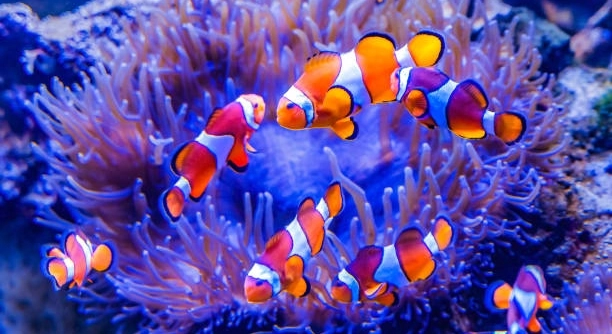
Clownfish are small, colorful fish often seen in coral reefs and home aquariums. Their behaviors, especially when resting, are subtle and easily missed by casual observers. Understanding these sleep habits reveals more about their natural rhythms.
Clownfish exhibit distinct sleep patterns, including reduced activity, hiding in safe spots, and lowered metabolism during rest. These behaviors help conserve energy and protect them from predators, ensuring their survival in complex reef environments.
Learning about these habits gives a clearer picture of how clownfish thrive in their habitats and helps aquarium owners provide better care.
Finding Safe Spots to Rest
Clownfish often choose safe, sheltered places to sleep, like inside sea anemones or coral crevices. These spots protect them from predators and strong currents. When they settle down, their movements slow, and they tuck themselves into tight spaces. This behavior is important because clownfish rely on the protection of their surroundings to stay safe at night. You might notice that even in a home aquarium, clownfish will find corners or plants to rest near. These hiding spots help them feel secure while they rest. Their bond with sea anemones is also part of their protection strategy; the stinging tentacles keep other fish away. This close relationship shows how clownfish adapt their sleep habits to fit their environment. Their choice of resting place is a clear sign of their instinct to stay safe even when inactive.
Sleeping in protected spots allows clownfish to reduce the risk of being attacked during vulnerable moments.
Recognizing this behavior can help aquarium owners create a safer, more comfortable environment for clownfish. Providing plenty of hiding spaces and familiar companions, like sea anemones or soft corals, encourages natural sleep patterns. This can reduce stress and improve their overall health. When clownfish feel secure, they are more likely to display their natural behaviors, which adds to the enjoyment of observing them. Understanding their need for shelter during rest times also highlights the importance of habitat design in captivity. This knowledge helps ensure clownfish can sleep well, just like they do in the wild.
Reduced Movement and Energy Use
When clownfish sleep, their activity slows down significantly. Their fins move less, and they may stop swimming for extended periods. This energy-saving behavior is essential because it allows them to rest without using too much oxygen or energy. In the wild, conserving energy helps them survive when food is scarce. Even in an aquarium, this instinct remains strong. Clownfish enter a kind of rest state that helps them recharge for the next day’s activities. This behavior might look like they are frozen or inactive, but it is their natural way of sleeping.
During sleep, clownfish lower their heart rate and slow their breathing to conserve energy.
This decrease in movement also reduces their visibility to predators. By staying still and quiet, clownfish can avoid attracting attention. Their ability to control energy use during rest reflects how well they have adapted to their environment. In captivity, ensuring a calm and stable setting helps maintain these natural habits. Avoiding sudden changes in light or noise supports their rest cycles. Providing consistent care that respects these patterns allows clownfish to remain healthy and active when awake. Observing this reduced movement is a good indicator that your clownfish are comfortable and resting properly.
Resting With Eyes Open
Clownfish often rest with their eyes open, which might seem unusual compared to other animals. This behavior helps them stay alert to danger even while resting. Their eyes remain partially open so they can quickly react if a threat appears nearby.
This habit is an important survival tactic. Unlike many animals that close their eyes when they sleep, clownfish need to stay watchful because they live among predators. Resting with eyes open allows them to balance rest with vigilance. In captivity, this can make it seem like they are never fully asleep. However, they do experience a form of rest that allows them to recover energy while remaining aware of their surroundings.
This behavior also means that clownfish can quickly escape if necessary. Their alertness while resting reduces the risk of surprise attacks. It shows how closely their rest habits are tied to their need for safety. Even during low activity, their awareness remains heightened, a key feature of their survival strategy.
Using Light to Regulate Sleep
Clownfish rely on natural light cycles to manage their sleep habits. They tend to become less active as daylight fades, entering a resting state as darkness approaches. This pattern helps synchronize their energy use with the environment.
Light changes affect their internal clock, signaling when to rest and when to be active. In aquariums, keeping a consistent day-night cycle is crucial for maintaining their natural rhythm. Sudden changes in light or long periods of constant brightness can disrupt their rest. This may lead to stress or irregular behavior. Clownfish are sensitive to their surroundings, so stable lighting helps support their health and sleep patterns.
Understanding how light influences clownfish sleep allows aquarium owners to create better conditions. Using timers for lights can mimic natural cycles, ensuring clownfish get proper rest. Consistent light management contributes to their overall well-being and helps maintain natural behavior, making them easier to care for and observe.
Resting in Groups
Clownfish often rest close to each other in groups. This behavior provides extra safety by reducing the chance of being targeted by predators. Staying near their group also helps them feel secure during sleep.
Group resting strengthens social bonds among clownfish. It creates a safer environment for all members and encourages a sense of community, even during inactive periods.
Slow Breathing Patterns
When resting, clownfish slow their breathing to conserve energy. This reduced respiration rate helps maintain a calm state and supports their overall health by lowering stress levels during sleep.
Quick Wake-Up Reflex
Clownfish have a fast wake-up reflex. If danger approaches, they can spring into action immediately, even if they appear deeply rested. This quick response is key for their survival.
FAQ
Why do clownfish sleep with their eyes open?
Clownfish sleep with their eyes open as a way to stay alert to potential threats. Unlike many animals that close their eyes when sleeping, clownfish need to be aware of their surroundings to avoid predators. This allows them to rest while still being ready to react quickly if danger comes near.
Do clownfish really need darkness to sleep?
Yes, clownfish depend on natural light cycles to regulate their sleep. Darkness signals them to slow down and rest. In aquariums, maintaining a consistent day-night light cycle helps keep their internal clocks balanced. Too much light or irregular lighting can disturb their rest and cause stress.
Can clownfish sleep anywhere in the tank?
Clownfish prefer to sleep in sheltered spots like sea anemones, coral crevices, or tank decorations. These places provide protection and a sense of security. Open areas are less ideal because clownfish feel exposed and vulnerable there. Creating hiding spots in your tank helps encourage natural resting behavior.
How long do clownfish sleep each day?
Clownfish don’t have long continuous sleep like mammals. Instead, they rest intermittently throughout the night, often reducing activity for several hours. Their rest is lighter than deep sleep, allowing them to stay alert while conserving energy.
Is it normal for clownfish to be inactive during the day?
Clownfish are usually more active during daylight hours. If they seem inactive during the day, it could be a sign of stress, illness, or poor water conditions. Healthy clownfish rest mostly at night but stay alert and swim actively when it’s light.
Do clownfish need special conditions to sleep well in captivity?
Yes, providing a calm, stable environment is key. This includes maintaining proper water quality, temperature, and a regular light schedule. Adding hiding places like anemones or coral improves their comfort. Avoiding sudden disturbances helps them feel safe enough to rest.
Can stress affect clownfish sleep habits?
Stress impacts clownfish sleep greatly. When stressed, clownfish may hide more or become restless, disrupting their usual sleep patterns. Stressors include poor water quality, aggressive tank mates, or sudden changes in the environment. Reducing stress leads to healthier rest and overall well-being.
How can I tell if my clownfish is sleeping?
Signs of sleep include reduced movement, staying in one place, slower breathing, and resting near shelters. Even though their eyes stay open, their fins will move less and their body posture will relax. If your clownfish shows these signs mostly at night, it’s likely resting properly.
Do clownfish dream?
There is no clear evidence that clownfish dream. Their sleep is more like a resting state with lowered activity, not deep sleep where dreaming occurs. Their behavior during rest is mostly about conserving energy and staying alert to dangers rather than experiencing complex brain activity.
What happens if a clownfish doesn’t get enough rest?
Lack of proper rest can weaken a clownfish’s immune system and increase stress. This makes them more vulnerable to disease and affects their ability to swim and feed well. Ensuring they have a peaceful environment with regular light cycles helps prevent these problems and supports their health.
Clownfish have many interesting sleep habits that are easy to miss. They rest in safe places like sea anemones or coral crevices, which helps keep them protected from predators. Their rest is not like deep sleep in humans; instead, they remain somewhat alert by keeping their eyes open and slowing their movements. This allows them to conserve energy while staying ready to react quickly if needed. These behaviors show how well clownfish have adapted to their natural environment and how important safety is to them even when they are resting.
Understanding clownfish sleep habits can also help those who keep them in home aquariums. Providing hiding spots and maintaining a stable environment with regular light cycles makes a big difference in how well clownfish rest. Stress and sudden changes can disturb their sleep and affect their health. When aquarium conditions mimic their natural habitat, clownfish are more likely to behave normally and stay healthy. Watching them rest safely can be a rewarding experience, showing a side of their behavior that is often overlooked.
Sleep is a vital part of a clownfish’s daily routine, even though it looks very different from sleep in other animals. Their ability to rest while staying alert helps them survive in a reef full of dangers. Whether in the wild or in captivity, respecting these sleep habits supports their well-being. Learning about how clownfish rest not only deepens appreciation for these colorful fish but also guides better care practices for anyone who enjoys having them in an aquarium.

Hello,
If you enjoy the content that we create, please consider saying a "Thank You!" by leaving a tip.
Every little bit helps us continue crafting quality advice that supports the health, happiness, and well-being of pets around the world, for pets of all shapes, sizes, and species.
We really appreciate the kindness and support that you show us!