
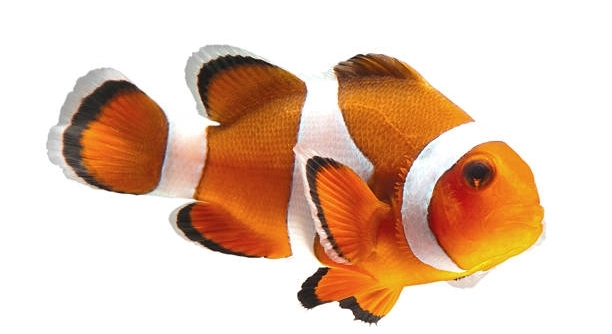
Clownfish are popular pets in home aquariums. Their behavior often changes when the tank environment is altered. Moving decorations inside the tank can affect how these fish react and interact with their surroundings.
Clownfish respond to moving decorations with varied behaviors, including curiosity, caution, territorial displays, and sometimes stress. These reactions are influenced by changes in their environment, which affect their comfort and sense of security within the aquarium.
Observing these responses can help aquarium owners create a better habitat for their clownfish and maintain a healthy environment for their aquatic pets.
Curiosity and Exploration
When decorations in a clownfish tank are moved, one of the first reactions you might notice is curiosity. Clownfish often swim toward the changed object, inspecting it closely. This behavior is natural, as they need to understand new elements in their environment. Sometimes, they will nibble or gently push the decoration to test its stability or nature. This interaction helps them feel more familiar with their surroundings. It also signals their adjustment process to the change. Curiosity is generally a positive sign, showing that the clownfish are engaging with their habitat instead of hiding or avoiding the new object. However, excessive interest or aggression toward the decoration can indicate stress, so it is important to monitor their behavior carefully after moving items.
Clownfish use exploration as a way to regain a sense of security after changes in their tank.
Understanding this natural curiosity helps you support your fish during these transitions. Offering stable, familiar decorations can reduce stress and promote healthy interaction in their environment.
Territorial Behavior
Clownfish often display territorial behavior when decorations move.
When a new decoration is placed or an existing one is moved, clownfish may feel their territory is disrupted. They respond by marking or guarding the area more aggressively than usual. This behavior includes chasing other fish away or increasing activity around the altered space. Territorial displays are common because clownfish rely on their territory for shelter and safety. This reaction is part of their instinct to protect their living space. Over time, they usually adjust to the changes, accepting the new layout as part of their environment. If territorial behavior becomes extreme, it may cause stress or injury, so it is important to watch their interactions closely. Rearranging decorations slowly and avoiding sudden changes can help ease territorial disputes and maintain harmony within the tank.
Stress Responses
Clownfish may show signs of stress when decorations in their tank are moved. Stress can appear as hiding, rapid swimming, or loss of appetite.
Stress occurs because sudden changes disrupt their sense of safety. They rely on familiar landmarks to feel secure. When these change, clownfish can become anxious or confused. This reaction is a survival instinct. Prolonged stress affects their health and behavior negatively.
To reduce stress, it helps to rearrange decorations slowly and keep some familiar objects in place. Providing hiding spots and stable areas allows clownfish to adjust at their own pace. Monitoring their behavior closely after changes ensures they remain healthy and calm in their environment.
Social Interactions
Moving decorations can impact social behavior among clownfish.
When the tank layout changes, clownfish may interact differently with one another. Some fish become more aggressive, defending their new perceived territories. Others may become withdrawn or avoid their usual partners. These shifts happen because the environment shapes how they establish social hierarchies and bonds.
Careful planning before moving decorations can help minimize disruptions to social structures. Gradual changes let clownfish maintain their relationships and reduce conflicts. Providing ample space and multiple hiding spots supports positive social interactions. Watching for signs of distress or aggression allows for timely adjustments to the tank setup, promoting harmony among the fish.
Adaptation Over Time
Clownfish gradually adapt to changes in their environment. Initial reactions often soften as they become familiar with new decorations.
This adaptation is essential for their well-being. It shows they can tolerate changes and settle into new surroundings.
Impact on Feeding Behavior
Changes in decorations can influence clownfish feeding habits. Some may eat less if stressed or distracted by their altered environment. Others might explore the new space more during feeding times. Observing feeding patterns after moving decorations helps identify any issues. Adjustments to feeding routines may be necessary to support their health and comfort during this period.
Signs of Discomfort
Clownfish showing signs of discomfort may hide more often or become unusually still. This behavior indicates unease caused by the environmental change.
Recognizing these signs early helps address the source of discomfort quickly. It is important to provide safe spaces and minimize sudden changes to reduce their stress.
What causes clownfish to react strongly to moving decorations?
Clownfish rely on their environment for safety and comfort. Moving decorations changes their familiar surroundings, causing them to feel uncertain or threatened. These fish use visual markers to recognize territory and find shelter. When these markers shift, clownfish must reassess their space, which can lead to stress, curiosity, or defensive behavior. The reaction depends on how sudden or drastic the changes are and the individual fish’s temperament.
How long does it take for clownfish to adjust to new tank decorations?
Adjustment time varies but generally takes several days to a few weeks. Some clownfish adapt quickly within a few days, while others need more time to feel comfortable. Gradual changes in decoration placement help speed up adaptation. Providing familiar hiding spots and stable objects encourages confidence. Watching their behavior closely during this period is important to ensure they are not showing prolonged signs of stress or discomfort.
Can moving decorations harm clownfish?
While moving decorations itself does not directly harm clownfish, it can cause stress that impacts their health. Stress weakens their immune system, making them more vulnerable to illness. Sudden or frequent changes increase stress levels and can lead to aggressive behavior or injury if fish fight over new territory. To avoid harm, rearrange the tank slowly and avoid large, abrupt changes.
Why do clownfish sometimes hide after decorations are moved?
Hiding is a natural response to feeling unsafe or stressed. When decorations move, clownfish lose familiar landmarks and may feel exposed. Hiding helps them regain a sense of security. This behavior also protects them from potential threats as they adjust. Over time, as they become familiar with the new layout, hiding tends to decrease.
How can I reduce my clownfish’s stress during tank changes?
Make changes gradually rather than all at once. Keep some familiar decorations in place to provide continuity. Add new decorations slowly and allow your clownfish to explore them at their own pace. Maintain water quality and feeding routines to keep their environment stable. Offering plenty of hiding spots and ensuring the tank is not overcrowded also helps reduce stress.
Do all clownfish react the same way to moving decorations?
No, reactions vary between individual clownfish. Some are naturally more curious and adapt quickly, exploring new decorations without stress. Others are more territorial or shy and may show caution or aggression. The size of the tank, number of fish, and species can also influence behavior. Observing your specific clownfish helps tailor care to their needs.
Is it better to avoid moving decorations frequently?
Yes, frequent changes can cause ongoing stress. Clownfish prefer a stable environment where they feel safe. Repeated rearranging forces them to constantly reestablish territory and adjust behavior. Unless necessary for cleaning or health reasons, keeping decorations in place is best for their well-being.
What signs indicate a clownfish is stressed from decoration changes?
Common signs include hiding more than usual, rapid or erratic swimming, loss of appetite, and increased aggression. Clownfish may also stay still or cling to surfaces to avoid the changed environment. Persistent stress can lead to physical signs like faded coloration or lethargy. Monitoring these behaviors helps catch problems early.
How does tank size affect clownfish reactions to decoration changes?
In smaller tanks, changes can feel more dramatic because space is limited. Clownfish may feel crowded or exposed if decorations are moved, increasing stress and territorial disputes. Larger tanks offer more room to explore and escape, which often reduces the intensity of their reactions. Tank size should be considered when planning decoration changes.
Can moving decorations affect clownfish breeding behavior?
Yes, changes in the environment can disrupt breeding. Clownfish need a stable, secure space to lay eggs and care for their young. Moving decorations may cause stress or confusion that interrupts courtship or nesting. If breeding is a goal, maintaining a consistent tank setup and minimizing disturbances is important to support successful reproduction.
Are there any decorations clownfish prefer or dislike?
Clownfish typically prefer decorations that mimic their natural environment, such as live rock and anemones (or suitable substitutes). These provide shelter and territory markers. Sharp or overly large decorations may intimidate them or cause injury. Soft, stable, and familiar objects encourage comfort and natural behaviors.
What should I do if my clownfish show aggressive behavior after moving decorations?
Aggression is usually linked to territorial defense. Observe the tank closely to identify if one fish is dominating others. If aggression is severe, consider rearranging decorations to create more hiding spots or dividing the tank space. Separating overly aggressive individuals may be necessary to prevent injury. Maintaining a calm environment and avoiding sudden changes helps reduce aggressive responses.
Is it okay to introduce new decorations gradually while the clownfish are present?
Yes, gradual introduction is preferable. Adding one new decoration at a time lets clownfish explore without overwhelming them. This method supports natural curiosity and reduces stress. It also allows you to monitor reactions and remove or adjust decorations if needed. Avoid sudden large-scale rearrangements to keep the environment stable.
How often should I clean or rearrange tank decorations?
Regular cleaning is important to prevent algae buildup and maintain water quality, but rearranging should be minimal. Cleaning can be done carefully without moving decorations too much. Rearranging should only happen when necessary, such as during tank upgrades or health-related reasons. Keeping the environment consistent supports clownfish comfort.
Can lighting changes combined with decoration moves affect clownfish behavior?
Yes, lighting affects how clownfish see their environment. Changing lighting along with decorations can increase stress or confusion. Consistent lighting helps fish recognize their surroundings. If lighting changes are necessary, do so gradually and separately from moving decorations to avoid overwhelming your clownfish.
These questions cover common concerns about clownfish reactions to moving decorations. Understanding their behavior helps create a stable, healthy aquarium environment. Monitoring your fish closely after any change is essential to ensure their well-being and happiness.
Moving decorations in a clownfish tank can cause a range of reactions from the fish. Some clownfish become curious and explore the new setup, while others may feel stressed or display territorial behavior. These responses are natural because clownfish rely on their environment for safety and comfort. When familiar objects change position, the fish need time to adjust and understand the new layout. This process varies from one fish to another, with some adapting quickly and others taking longer to feel at ease.
It is important to handle changes in the tank carefully to reduce stress. Making slow and gradual adjustments helps clownfish get used to the new decorations without feeling threatened. Keeping some familiar items in place provides stability and comfort. Providing plenty of hiding spots also gives clownfish safe areas where they can retreat if they feel uneasy. Regular observation during and after changes is necessary to ensure the fish remain healthy and calm. Watching for signs such as hiding, loss of appetite, or aggressive behavior helps identify if the fish are struggling to adapt.
Creating a stable environment benefits the overall well-being of clownfish. While some changes may be needed to maintain a clean and attractive tank, minimizing sudden or frequent moves is best. A consistent layout allows clownfish to develop a sense of territory and feel secure. Supporting their natural behaviors by maintaining proper water quality, feeding routines, and suitable decorations promotes a healthy habitat. Understanding how clownfish react to moving decorations helps aquarists provide the best care and create a peaceful tank for these colorful fish.

Hello,
If you enjoy the content that we create, please consider saying a "Thank You!" by leaving a tip.
Every little bit helps us continue crafting quality advice that supports the health, happiness, and well-being of pets around the world, for pets of all shapes, sizes, and species.
We really appreciate the kindness and support that you show us!