
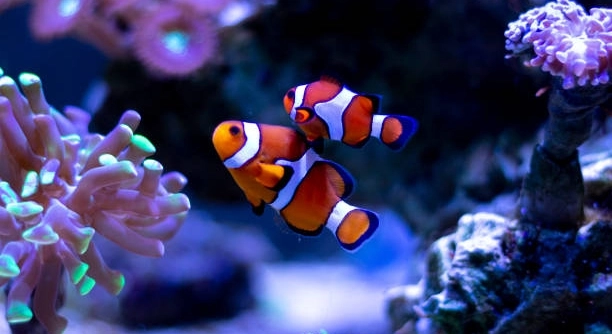
Clownfish are popular in home aquariums for their bright colors and lively behavior. They contribute more than just beauty; they play a role in maintaining a clean and healthy tank environment. Their natural habits help support the aquarium ecosystem.
Clownfish engage in several cleaning behaviors that benefit the tank. They pick at algae, eat leftover food, stir the substrate to prevent buildup, and interact with other tank inhabitants to reduce waste accumulation. These habits collectively support tank cleanliness.
Learning about these habits reveals how clownfish naturally contribute to a balanced aquarium. This knowledge can improve how you care for your tank and its aquatic residents.
Clownfish and Algae Control
Clownfish often graze on algae that grow on rocks and tank surfaces. Their nibbling helps keep algae levels manageable, preventing excessive growth that can harm the tank’s balance. By eating algae, clownfish reduce the chance of it spreading too much, which keeps the water clearer and healthier for all aquatic life. This natural behavior is especially helpful in tanks that don’t have other algae eaters. It creates a more balanced environment and lowers maintenance needs. While clownfish are not the most aggressive algae controllers, their consistent grazing plays a useful role. Over time, this helps maintain the tank’s cleanliness without needing extra interventions. Their activity complements other cleaning methods, contributing to a stable ecosystem inside the aquarium.
Clownfish grazing on algae is a subtle but valuable way they support tank cleanliness. This behavior helps reduce buildup and maintains water clarity.
Understanding this algae control habit can improve your tank management. It encourages a more natural approach to keeping the aquarium clean and balanced.
Clownfish and Leftover Food
Clownfish naturally scavenge for leftover food that sinks to the tank floor. This habit reduces the accumulation of uneaten food, which can otherwise decompose and pollute the water. By eating scraps, clownfish help limit the growth of harmful bacteria and keep waste under control. This behavior supports water quality and overall tank health. However, it’s important to feed them the right amount so leftover food does not overwhelm their ability to keep the tank clean. Overfeeding can lead to excess waste that even clownfish cannot manage. Regular feeding with care helps maintain this natural cleaning advantage while supporting the fish’s health. This balance is key to a thriving and clean aquarium.
Leftover food scavenging helps clownfish keep their environment tidy. It reduces waste buildup and supports better water quality.
Feeding the right amount ensures that clownfish can manage leftovers effectively without contributing to tank pollution.
Clownfish Stir the Substrate
Clownfish often swim close to the tank bottom, gently stirring the substrate. This movement prevents debris and waste from settling too deeply, keeping the substrate cleaner and healthier.
By stirring the substrate, clownfish help keep the tank’s base free of harmful buildup. Their activity increases water circulation around the substrate, which discourages the growth of anaerobic bacteria that thrive in stagnant conditions. This natural behavior also makes it easier to vacuum the substrate during tank maintenance, as waste is kept loose and accessible. The constant gentle movement reduces the risk of dead spots where toxins can accumulate, supporting better water quality overall.
This stirring habit is subtle but important. It supports a balanced tank environment by improving substrate health and reducing harmful waste buildup.
Interaction With Tank Mates
Clownfish communicate and interact frequently with other fish and anemones. These interactions can help reduce waste by encouraging movement and feeding activity throughout the tank.
Their behavior promotes a more dynamic and balanced aquarium environment. Clownfish often chase away slow-moving detritus feeders or algae that might otherwise dominate certain tank areas. This encourages better distribution of cleaning efforts among tank inhabitants. Through these social behaviors, clownfish indirectly support overall tank cleanliness by maintaining activity levels and preventing localized waste buildup. Additionally, their relationship with anemones helps keep those hosts clean, as clownfish protect them from parasites and debris. These interactions create a healthy balance within the community tank, contributing to its overall stability.
Clownfish and Anemone Cleaning
Clownfish live closely with anemones and help keep them clean by removing debris and parasites. This relationship benefits both the fish and the anemone.
The constant movement of clownfish encourages water flow around the anemone, which reduces sediment buildup. This natural cleaning helps anemones stay healthy and vibrant.
Clownfish Waste Contribution
Though clownfish produce waste, their habits reduce overall tank pollution. They consume leftovers and algae, minimizing excess nutrients that can harm water quality.
Clownfish Territory Maintenance
Clownfish actively maintain their territory by chasing away unwanted intruders and clearing debris. This keeps their area in the tank cleaner and more stable.
FAQ
How do clownfish help keep the tank clean?
Clownfish help keep the tank clean by eating leftover food and grazing on algae. They also stir the substrate, which prevents waste from settling deeply. Their interactions with anemones and other tank inhabitants encourage a healthy, balanced environment. These habits reduce the buildup of harmful materials and support better water quality.
Can clownfish alone keep an aquarium clean?
Clownfish contribute to tank cleanliness but cannot keep the aquarium fully clean by themselves. Proper filtration, regular water changes, and tank maintenance are still necessary. Clownfish habits help reduce waste and algae but do not replace essential cleaning tasks. Their role is supportive, making it easier to maintain a healthy tank.
Do clownfish eat all types of algae?
Clownfish primarily nibble on soft algae growing on rocks and surfaces. They do not eat all types of algae, especially tougher varieties like coralline algae. For effective algae control, clownfish should be combined with other algae-eating species. Their grazing helps reduce algae but is not a complete solution.
How often do clownfish stir the substrate?
Clownfish stir the substrate regularly while swimming near the tank bottom. This movement happens throughout the day but is usually gentle and intermittent. The stirring prevents debris buildup and improves water circulation near the substrate, supporting a healthier environment for beneficial bacteria.
Do clownfish require special care to maintain these cleaning habits?
No special care is needed for clownfish to maintain their cleaning habits. They naturally graze on algae and leftovers and interact with their environment. However, keeping them healthy with proper diet, water quality, and tank conditions ensures they continue these behaviors effectively.
What happens if clownfish are overfed?
Overfeeding clownfish results in excess leftover food that can pollute the tank. This extra waste encourages algae growth and harmful bacteria. Overfeeding reduces the clownfish’s ability to manage leftovers and decreases overall tank cleanliness. Feeding moderate, balanced amounts is important.
Can clownfish cleaning habits harm other tank inhabitants?
Clownfish cleaning habits generally do not harm other tank inhabitants. Their interactions tend to promote a balanced environment. However, territorial behavior can sometimes stress smaller or more passive fish. Proper tank stocking and space help prevent conflicts while allowing cleaning behaviors.
How does the clownfish-anemone relationship support tank health?
Clownfish keep anemones clean by removing debris and parasites. Their movement increases water circulation around the anemone, reducing sediment buildup. This partnership helps maintain anemone health, which benefits the tank’s ecosystem by supporting natural filtration and shelter for other species.
Are clownfish better cleaners than other fish species?
Clownfish are helpful but not the most effective cleaners compared to specialized algae eaters or bottom dwellers. Their cleaning habits are a bonus rather than a primary function. Combining clownfish with other species improves tank cleanliness and creates a more balanced environment.
Should I rely on clownfish habits to reduce tank maintenance?
Clownfish habits can reduce some maintenance but should not replace regular tank care. Filtration, water changes, substrate cleaning, and monitoring water parameters remain essential. Clownfish help keep the tank balanced but are part of a larger system requiring consistent care.
Clownfish play an important role in keeping a home aquarium clean through their natural behaviors. Their grazing on algae, leftover food, and gentle stirring of the substrate help reduce waste buildup and support better water quality. These habits contribute to a healthier tank environment by preventing excessive debris and encouraging balanced water circulation. While clownfish alone cannot fully maintain tank cleanliness, their natural cleaning activities make tank care easier and more manageable. Understanding these habits allows aquarium owners to appreciate the subtle ways clownfish support the overall health of the aquarium ecosystem.
It is important to remember that clownfish cleaning behaviors work best when combined with regular tank maintenance. Filtration systems, water changes, and proper feeding remain essential to keep the aquarium in good condition. Overfeeding can create excess waste that even the most active clownfish cannot manage. Therefore, maintaining a careful balance between feeding and tank care is key. Clownfish naturally help reduce some of the burdens of aquarium upkeep, but they are part of a larger system that requires attention. Providing a clean, stable environment for clownfish ensures they stay healthy and continue their helpful behaviors.
Clownfish also have a unique relationship with anemones that benefits the tank’s ecosystem. By cleaning their anemone hosts and increasing water flow around them, clownfish contribute to the health of these important animals. This partnership supports natural filtration and creates a more dynamic tank environment. When combined with other tank inhabitants and proper care, clownfish can enhance the stability and cleanliness of the aquarium. Recognizing their role in this balance encourages better tank management and a deeper appreciation for these vibrant fish.

Hello,
If you enjoy the content that we create, please consider saying a "Thank You!" by leaving a tip.
Every little bit helps us continue crafting quality advice that supports the health, happiness, and well-being of pets around the world, for pets of all shapes, sizes, and species.
We really appreciate the kindness and support that you show us!