
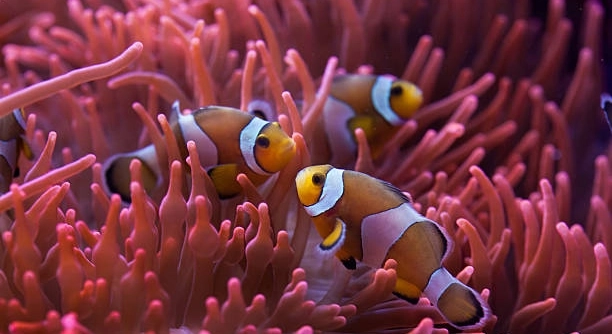
Clownfish are small, colorful fish often found in coral reefs. They have interesting ways of keeping themselves clean and healthy. These behaviors help them survive and thrive in their natural homes.
Clownfish grooming behaviors include cleaning their bodies, maintaining their protective mucus layers, and removing parasites. These actions ensure proper health, help avoid infections, and support their symbiotic relationships with sea anemones. Grooming is essential for their survival in the wild.
Learning about these grooming habits reveals important details about clownfish behavior. This knowledge can help better care for them in aquariums and understand their role in the ocean ecosystem.
Cleaning Their Bodies
Clownfish spend a lot of time cleaning their bodies by rubbing against surfaces like coral and rocks. This behavior helps remove dirt, algae, and tiny parasites that could harm them. They also use their fins and mouths to clean hard-to-reach spots. Grooming this way is crucial because it keeps their skin healthy and free from infections. When clownfish live near sea anemones, they carefully avoid the stinging tentacles while cleaning themselves. The mucus coating on their bodies protects them during this process. By maintaining cleanliness, clownfish stay agile and better prepared to escape predators or hunt for food. This daily maintenance is simple but vital to their well-being in their reef habitat. The habit also strengthens their relationship with sea anemones, allowing them to live safely among the tentacles.
Clownfish grooming by rubbing and cleaning helps maintain their health and protection from parasites in their environment.
Regular body cleaning supports clownfish survival by preventing infections and ensuring smooth interaction with anemones. This behavior shows how small actions play big roles in their daily life.
Maintaining Mucus Layers
Clownfish have a special mucus layer on their skin that acts as a barrier against harmful bacteria and the stings of sea anemones. They constantly renew this protective layer by rubbing on surfaces and sometimes by secreting new mucus. This process is important because it keeps their skin moist and shields them from injury. Without this mucus, clownfish would be vulnerable to infections and stings, making it harder to survive in their habitat. The layer also helps clownfish avoid being recognized as prey by sea anemones, allowing them to live safely among the tentacles. Keeping the mucus in good condition requires frequent grooming, which shows how careful these fish are about their protection. This behavior is an impressive example of adaptation to their environment.
Maintaining the mucus layer is essential for clownfish safety and health.
The mucus barrier allows clownfish to live among anemones while protecting against disease and injury. It plays a key role in their daily grooming routine and survival strategy.
Removing Parasites
Clownfish frequently remove parasites by scratching themselves on rough surfaces. This helps stop infections and keeps them comfortable.
Parasites can cause irritation and weaken clownfish, making it harder for them to survive. By rubbing against coral or rocks, clownfish dislodge these unwanted hitchhikers. They may also pick at parasites with their mouths. This grooming behavior is essential to prevent disease and maintain good health. Without it, clownfish would be more vulnerable to threats and less able to stay active and alert in their environment.
This parasite removal habit supports their survival by reducing health risks. It also helps clownfish stay agile and ready to escape predators or compete for food. Grooming is a simple but vital way they protect themselves from tiny dangers.
Social Grooming Among Clownfish
Clownfish sometimes groom each other, especially within family groups. This behavior helps strengthen social bonds and improve hygiene.
Social grooming includes cleaning the fins or body of another fish, which removes parasites and dead skin. This interaction reduces stress and promotes cooperation among group members. It also signals trust and supports their social structure. Clownfish live in groups with a clear hierarchy, so grooming plays a role in maintaining peace. By helping each other stay clean, clownfish improve their chances of survival as a group. Social grooming is an important part of their daily life that benefits both individuals and the whole community.
Using Their Fins to Groom
Clownfish use their fins to clean hard-to-reach places on their bodies. This helps remove small particles and keeps their skin smooth.
Fin movements also help spread mucus evenly across their bodies. This keeps their protective layer effective and their skin healthy.
Self-Scratching Behavior
Clownfish often scratch themselves on rough surfaces like coral to get rid of irritants or parasites. This simple action is a key part of their grooming routine. By doing this, they protect their skin from damage and maintain comfort.
Mutual Cleaning Benefits
Mutual cleaning between clownfish strengthens social bonds and helps remove parasites. It supports group health and cooperation. This shared behavior improves the overall well-being of the group and promotes harmony among members.
Grooming Frequency
Clownfish groom regularly throughout the day. This consistent care helps maintain their health and readiness to face environmental challenges.
How do clownfish keep themselves clean in the wild?
Clownfish keep themselves clean by rubbing their bodies against coral, rocks, and sometimes the tentacles of sea anemones. This helps remove dirt, algae, and parasites. They also use their fins and mouths to reach spots they cannot scratch against surfaces. Their protective mucus layer plays a big role by preventing infections and stings, so they constantly maintain it through grooming behaviors.
Why is the mucus layer important for clownfish?
The mucus layer protects clownfish from harmful bacteria and the stings of sea anemones, which share their habitat. It acts like a shield, keeping the fish safe while they live among the tentacles. Without this mucus, clownfish would be vulnerable to injury and disease. They renew the layer regularly by secreting mucus and rubbing on surfaces.
Do clownfish groom each other?
Yes, clownfish sometimes groom one another, especially within family groups. This social grooming helps remove parasites and dead skin that one fish might not reach alone. It also strengthens social bonds and reduces stress among group members. This behavior supports cooperation and keeps the group healthier overall.
How often do clownfish groom themselves?
Clownfish groom frequently throughout the day. Regular grooming keeps their skin clean, mucus layer intact, and parasites away. Consistent care is essential because it helps them avoid infections and stay comfortable in their environment. Grooming also prepares them to react quickly to threats.
Can clownfish grooming behaviors be seen in aquariums?
Yes, clownfish in aquariums display many natural grooming behaviors, such as rubbing on decorations or cleaning each other. However, aquarium conditions can affect how often and effectively they groom. A clean tank with proper water quality encourages healthy grooming habits, while stress or poor conditions may reduce these behaviors.
What role does grooming play in clownfish health?
Grooming plays a vital role in clownfish health by removing parasites, cleaning wounds, and maintaining the protective mucus layer. These actions reduce the risk of infections and improve their ability to survive in a challenging environment. Grooming also supports their relationship with sea anemones, which provide shelter and protection.
Are there signs that a clownfish is not grooming properly?
Signs of poor grooming include visible parasites, damaged or cloudy skin, and lethargy. If a clownfish is not rubbing or cleaning itself, it might be stressed, sick, or living in poor conditions. In aquariums, this could indicate water quality issues or illness. Observing their grooming habits helps monitor their health.
Do clownfish groom differently depending on their environment?
Yes, grooming behaviors can vary depending on whether clownfish live in the wild or in captivity. In the wild, they have more surfaces and natural partners for social grooming. In aquariums, their environment is limited, which can affect the frequency and methods of grooming. Still, the basic needs for cleanliness and protection remain.
How do clownfish remove parasites?
Clownfish remove parasites by rubbing against rough surfaces and sometimes by picking at them with their mouths. They also rely on mutual grooming with other clownfish. This helps keep their skin free from harmful organisms that can cause irritation or infection.
Can grooming behaviors affect clownfish social hierarchy?
Yes, grooming can influence social hierarchy within clownfish groups. Dominant individuals may receive more grooming, which helps reinforce their status and maintain group harmony. Grooming also reduces tension by promoting trust and cooperation among group members, making it easier to live together peacefully.
Clownfish grooming behaviors are important for their health and survival. These small fish spend a lot of time cleaning their bodies, removing parasites, and maintaining their protective mucus layer. Each of these actions helps clownfish stay safe from infections and injuries. Grooming also supports their special relationship with sea anemones, which provide shelter and protection. By taking care of themselves and each other, clownfish can live comfortably in their reef environment. Understanding these behaviors helps us appreciate how even small daily routines play a big role in their well-being.
In addition to self-grooming, clownfish also practice social grooming. This means they help clean one another, which builds strong bonds within their group. Social grooming reduces stress and helps maintain peace among family members. This cooperative behavior shows that clownfish are not just focused on their own health but also contribute to the group’s survival. Whether in the wild or in aquariums, these grooming habits are essential for clownfish to thrive. Observing them can provide valuable insight into their needs and how best to care for them in different environments.
Grooming behaviors of clownfish reveal the ways these fish adapt to their surroundings and keep themselves healthy. Regular grooming helps remove harmful parasites and keeps their skin smooth and protected. It also allows clownfish to stay agile and ready to respond to threats or find food. By paying attention to these behaviors, both hobbyists and researchers can better understand the challenges clownfish face and how to support their well-being. Overall, grooming is a simple but vital part of clownfish life that supports their health, social life, and survival in the ocean.

Hello,
If you enjoy the content that we create, please consider saying a "Thank You!" by leaving a tip.
Every little bit helps us continue crafting quality advice that supports the health, happiness, and well-being of pets around the world, for pets of all shapes, sizes, and species.
We really appreciate the kindness and support that you show us!