
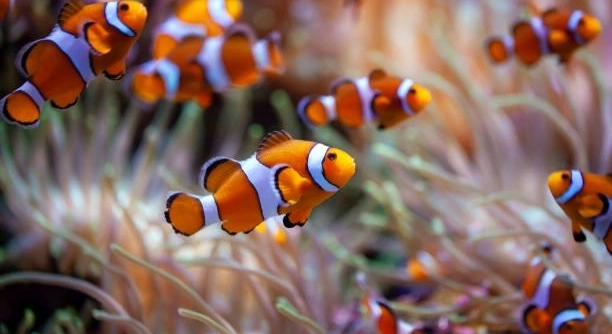
Clownfish are popular pets for many aquarium enthusiasts. Their vibrant colors and active nature make them a favorite. Proper care is essential to keep them healthy and thriving in a home environment.
Maintaining stable water conditions, providing a balanced diet, and ensuring proper tank setup are crucial habits that significantly impact clownfish health. Regular monitoring and consistent care routines contribute to their well-being and longevity.
These care habits can greatly improve the quality of life for your clownfish. Understanding them will help you provide a safe and comfortable home for these colorful fish.
Stable Water Conditions Are Essential
Clownfish thrive best when their water environment is steady and clean. Sudden changes in temperature, pH, or salinity can stress them out and lead to illness. It’s important to regularly test the water and keep the parameters within their ideal range. Using a reliable heater and filtration system helps maintain consistent conditions. Changing about 10-15% of the water weekly removes toxins and keeps the tank fresh. Avoid overcrowding the tank, as too many fish can quickly disrupt water quality. Keeping the tank clean and stable not only promotes good health but also reduces the chance of disease. Watching your clownfish swim actively and display bright colors is a good sign that their environment is right.
Regular testing with kits ensures water stays within healthy levels for clownfish. Stability in the tank directly supports their growth and happiness.
Consistent water quality is the foundation of proper clownfish care. Without it, other care efforts may not be effective. Maintaining steady parameters protects the fish from stress and illness, allowing them to show their natural behaviors and vibrant colors. It’s helpful to keep a log of water tests and any changes made. This record helps identify patterns and address issues early. Investing in quality equipment reduces daily hassle and creates a reliable habitat for your clownfish.
Balanced Diet Supports Health
Providing a balanced diet helps clownfish grow strong and resist disease.
Feeding your clownfish a variety of foods ensures they get the nutrients they need. High-quality pellets or flakes designed for marine fish should be the main diet. Supplement these with frozen or live foods like brine shrimp or mysis shrimp. Offering different foods mimics their natural diet and improves nutrition. Avoid overfeeding since leftover food can pollute the water and harm the fish. Feeding small amounts two to three times a day works best. Watching their feeding behavior will also help you adjust portions. Proper nutrition improves their coloration, energy, and overall health.
Feeding habits play a crucial role in clownfish care. Monitoring diet quality and quantity keeps them thriving.
Proper Tank Size Matters
A tank that is too small limits clownfish movement and growth. At least 20 gallons is recommended for a pair to thrive.
Smaller tanks make maintaining water quality more difficult because toxins build up faster. Clownfish need space to swim and establish territory. Crowded tanks increase stress, making fish prone to disease. A larger tank also allows for adding beneficial live plants or anemones, which mimic their natural habitat. Proper tank size supports healthy behavior and longer life spans. Investing in a tank with enough room from the start prevents problems down the line.
Choosing the right tank size provides a stable, comfortable environment. It helps reduce aggressive behavior by giving fish enough personal space. Clownfish adapt well when their surroundings are suitable, showing better color and activity levels. Starting with a larger tank makes care easier and supports overall fish well-being.
Regular Monitoring and Maintenance Are Key
Routine checks help spot problems before they worsen. Observing your clownfish daily lets you notice behavior or physical changes early.
Cleaning filters, checking water parameters, and performing partial water changes keep the tank healthy. Neglecting maintenance can lead to poor water conditions and stress for the fish. Keeping equipment in good shape reduces the chance of sudden failures that affect water quality. It’s useful to create a maintenance schedule and stick to it. Taking these steps consistently keeps the tank stable and fish healthy.
Maintenance isn’t just about cleaning; it’s about creating a safe home. Being attentive helps avoid surprises and keeps your clownfish thriving long-term. Regular upkeep supports their natural behaviors and prevents common health issues.
Choosing Compatible Tank Mates
Clownfish do best with peaceful species that won’t bully or stress them. Avoid aggressive fish that may compete for territory.
Compatible tank mates help create a calm environment, reducing stress and promoting natural behavior. Research each species before adding them to the tank.
Providing Hiding Spots
Clownfish need places to retreat when feeling threatened or stressed. Live rock formations and artificial caves work well for this purpose. These hiding spots mimic their natural habitat and offer security.
Maintaining Proper Lighting
Lighting affects clownfish behavior and tank health. A balanced light cycle helps regulate their activity and supports any live plants or corals in the tank. Proper lighting keeps the environment stable and inviting for your fish.
Avoid Overhandling
Handling clownfish too often can cause unnecessary stress. Minimizing direct contact helps keep them calm and healthy. Observing from a distance allows them to behave naturally without feeling threatened.
FAQ
How often should I feed my clownfish?
Feeding two to three times a day in small amounts is ideal. Overfeeding can pollute the water and harm your fish, so only give what they can eat within a few minutes. Consistent feeding helps maintain their energy and vibrant colors.
What is the best water temperature for clownfish?
Clownfish thrive between 74°F and 79°F (23°C to 26°C). Keeping the temperature stable within this range reduces stress and prevents health issues. Sudden temperature changes should be avoided as they can shock the fish.
Can clownfish live without anemones?
Yes, clownfish can live happily without anemones in a well-maintained tank. While anemones provide a natural habitat and security in the wild, many clownfish adapt well to alternative hiding spots like live rocks or artificial caves.
How do I know if my clownfish is stressed?
Signs of stress include faded colors, hiding excessively, rapid breathing, or loss of appetite. Stress can result from poor water conditions, aggressive tank mates, or sudden environmental changes. Monitoring behavior daily helps catch stress early.
Is it necessary to quarantine new clownfish?
Quarantining new fish for at least two weeks helps prevent introducing diseases into your main tank. It allows observation for signs of illness and proper treatment if needed before mixing with established fish.
What is the ideal tank size for a pair of clownfish?
A minimum of 20 gallons is recommended for a pair. This provides enough space for swimming, territory, and maintaining stable water quality. Larger tanks offer better environmental control and reduce stress.
How do I maintain water quality in a clownfish tank?
Regular testing, weekly partial water changes, proper filtration, and avoiding overfeeding keep water parameters balanced. Keeping ammonia, nitrites, and nitrates at safe levels is essential to clownfish health.
Can clownfish live with other marine fish?
Yes, but tank mates should be peaceful and compatible. Avoid aggressive or territorial species that can cause stress or injury. Researching species compatibility before adding new fish is important.
How long do clownfish typically live?
With proper care, clownfish can live 6 to 10 years or longer. Stable water conditions, balanced diet, and a healthy environment contribute to their lifespan.
What should I do if my clownfish gets sick?
Isolate the sick fish in a quarantine tank to prevent spreading disease. Identify symptoms and research appropriate treatments or consult an aquatic veterinarian. Early intervention improves recovery chances.
Is it necessary to use a salt mix for clownfish tanks?
Yes, using a quality marine salt mix is necessary to create the proper seawater environment. Freshwater is harmful to clownfish. Mixing saltwater according to instructions ensures correct salinity and mineral balance.
Can clownfish breed in home aquariums?
Clownfish can breed in captivity if conditions are right. They often lay eggs on flat surfaces. Breeding requires stable water quality, proper diet, and minimal stress. Raising fry can be challenging and needs special care.
How do I clean my clownfish tank without harming the fish?
Use gentle cleaning tools and avoid harsh chemicals. Partial water changes with dechlorinated saltwater help maintain cleanliness. Turn off equipment during cleaning and be careful not to disturb fish unnecessarily.
What kind of filtration is best for a clownfish tank?
A high-quality filter that provides mechanical, chemical, and biological filtration is best. It helps remove waste, toxins, and supports beneficial bacteria. Regular filter maintenance is essential to keep it effective.
Can clownfish tolerate sudden changes in water parameters?
No, sudden changes in temperature, pH, or salinity cause stress and illness. Changes should be made gradually to allow the fish to adjust safely.
How important is tank decoration for clownfish?
Decorations like live rocks and hiding spots are important for security and natural behavior. They also improve tank aesthetics and water quality by supporting beneficial bacteria.
Should I use a heater in my clownfish tank?
Yes, a reliable heater keeps the temperature stable within the ideal range. Fluctuations can cause health problems, so a heater helps maintain consistent warmth.
Is it okay to keep a single clownfish alone?
Clownfish can live alone but often do better in pairs, which helps reduce stress and encourages natural social behavior. A single clownfish may become lonely or stressed.
What lighting is suitable for clownfish tanks?
Moderate lighting that mimics natural day and night cycles works best. It supports fish health and any live corals or plants in the tank. Avoid overly bright or constant lighting.
How can I tell if my clownfish is happy?
Active swimming, bright colors, regular feeding, and interaction with the environment are good signs. Calm behavior and use of hiding spots also indicate comfort.
Final thoughts on caring for clownfish highlight the importance of consistency and attention. These fish are relatively hardy but still need a stable environment to thrive. Maintaining steady water conditions, feeding a balanced diet, and keeping the tank clean all play vital roles in their well-being. Without these basic care habits, clownfish can become stressed, which leads to health problems and shorter lifespans. It’s clear that proper care goes beyond just adding fish to a tank; it requires regular effort and observation to ensure their needs are met.
Another important aspect is understanding their natural behavior and preferences. Clownfish enjoy having enough space to swim and places to hide when they feel threatened. Tank size and decorations matter because they create a comfortable environment where fish can feel secure. Choosing compatible tank mates and avoiding aggressive species also reduce stress for clownfish. Small details, like lighting and minimizing handling, contribute to a healthier fish and a more stable aquarium. These habits work together to support the natural instincts of clownfish, making it easier to care for them successfully.
Overall, caring for clownfish requires commitment but offers rewarding results. Watching them grow, display vibrant colors, and interact naturally can be very satisfying. By following key care habits, you create an environment where clownfish can live a long and healthy life. The effort put into maintaining water quality, diet, and tank conditions is well worth the positive impact on your fish’s health. With patience and care, clownfish make a lively and attractive addition to any marine aquarium.

Hello,
If you enjoy the content that we create, please consider saying a "Thank You!" by leaving a tip.
Every little bit helps us continue crafting quality advice that supports the health, happiness, and well-being of pets around the world, for pets of all shapes, sizes, and species.
We really appreciate the kindness and support that you show us!