
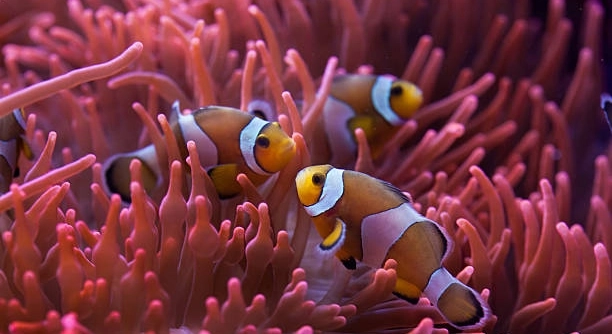
Clownfish are popular in home aquariums because of their bright colors and unique behaviors. They communicate a lot through body language and sounds. Sometimes, their actions are meant to warn others to keep their distance.
Certain clownfish behaviors clearly indicate a desire to be left alone. These include specific fin displays, rapid swimming movements, and bubble blowing. Such actions serve as signals to deter potential threats and protect their territory or themselves.
Learning to recognize these signals helps you better understand clownfish and care for them properly. This knowledge can improve your relationship with these fascinating fish and keep your aquarium peaceful.
Fin Flare: A Clear Warning Sign
When a clownfish feels threatened or stressed, it often flares its fins wide. This behavior makes the fish appear larger and more intimidating to potential threats. You might notice the dorsal and pectoral fins fully extended, sometimes with the body held stiffly upright. It’s a way for clownfish to say, “I’m ready to defend myself.” This display is usually accompanied by quick, jerky movements that further emphasize their alertness. In an aquarium, fin flaring can signal that the fish is uncomfortable with another fish or a nearby human. It’s important to give them space during these moments to avoid escalating stress or aggression. Over time, observing this behavior can help you understand the social dynamics in your tank and prevent unnecessary conflicts.
Fin flaring is a common and visible signal clownfish use to keep others away, showing they want space and respect.
Watching for fin flares can save your fish from harm. When you spot this behavior, try to reduce disturbances and avoid overcrowding. Offering hiding spots in the tank helps clownfish feel secure, lowering their need to flare fins. Recognizing this sign early means less stress and a healthier environment for your fish.
Rapid Darting Movements
Rapid, sudden swimming movements are another clear indicator a clownfish wants to be left alone. These quick bursts of speed often happen near the edges of their territory. When a clownfish darts suddenly, it’s usually trying to warn an intruder or escape an uncomfortable situation. Unlike relaxed swimming, this behavior is tense and urgent. It can be directed toward other fish invading their space or disturbances in the water caused by tapping or sudden shadows. In a home tank, constant rapid movements may mean your clownfish is stressed or feels threatened by tank mates or environmental changes. It’s helpful to check water quality, reduce noise, and ensure the tank has enough space to ease this behavior.
Understanding rapid darting as a stress response helps in creating a calmer tank environment. Providing ample hiding places reduces the need for defensive bursts.
To reduce rapid swimming, ensure the tank has enough room and compatible fish. Avoid sudden changes in lighting or loud noises near the aquarium. Keep the environment stable and predictable to help your clownfish feel safe. Over time, calmer conditions will decrease rapid darting and improve your fish’s overall well-being.
Bubble Blowing as a Signal
Bubble blowing is a less obvious but important behavior. Clownfish release bubbles to show irritation or warn others to back off. It’s a subtle way to communicate without physical confrontation.
These bubbles usually come from the fish’s mouth and can be released in quick bursts. It often happens when the clownfish feels cornered or challenged by another fish. In an aquarium, this behavior signals stress or annoyance. It’s best to observe your tank’s dynamics carefully when you see bubble blowing and try to reduce potential stressors. Offering plenty of hiding spots can prevent escalation and keep the atmosphere calm.
Over time, noticing when and why your clownfish blows bubbles can help you understand their mood. It’s a sign that they need more space or less disturbance. Adjusting tank conditions based on these signals improves their comfort and reduces aggressive encounters.
Body Posturing: Standing Tall
Clownfish sometimes change their body posture to warn others. Standing tall with a rigid, upright body is a way to appear bigger and more dominant. This posture is common during territorial disputes or when protecting their anemone.
When a clownfish adopts this stance, it often faces the intruder directly and holds still. This behavior tells others not to come closer. In a tank with multiple fish, body posturing helps maintain peace by setting clear boundaries. It’s a nonviolent way of showing strength and control. Recognizing this behavior early can prevent fights and injuries. Adjusting tank space or separating aggressive fish may be necessary to maintain harmony.
By watching for these signals, you can better manage social interactions in your aquarium. Body posturing is a natural part of clownfish communication, and understanding it helps you create a more balanced environment. Keeping stress low through good tank care supports healthier and calmer fish.
Tail Flicks: A Quick Warning
Tail flicks are short, sharp movements of the clownfish’s tail. They use this action to signal irritation or warn others to keep their distance.
This behavior often happens when another fish gets too close. It’s a quick way for clownfish to say, “Stay back” without escalating to aggression.
Gill Flare and Its Meaning
Gill flaring occurs when a clownfish opens its gill covers wide, exposing the red gill tissue beneath. This behavior increases oxygen intake but also serves as a warning signal. When a clownfish gill flares, it is showing signs of stress or aggression. It often happens during territorial disputes or when the fish feels threatened by others nearby. Gill flaring is a clear sign that the clownfish is uncomfortable and ready to defend itself. Observing this behavior helps identify when the fish needs space or changes in its environment to reduce stress and maintain peace in the aquarium.
Sudden Stops
Clownfish sometimes stop swimming abruptly to watch or warn others. This sudden freeze is a way to focus attention and assess threats carefully.
Why do clownfish sometimes chase other fish aggressively?
Clownfish chase other fish mainly to protect their territory. They feel responsible for guarding their home, often an anemone, and will act quickly if they sense an intruder. This chasing is a way to warn others to stay away without starting a fight. It helps keep their space safe and reduces competition for food and shelter. In an aquarium, chasing can happen if tank mates get too close or if there isn’t enough room for everyone. Providing enough space and hiding spots can reduce this behavior and create a calmer environment.
How can I tell if a clownfish is stressed or just being territorial?
Stress and territorial behavior can look similar but have different causes. Territorial clownfish usually flare fins, chase, or posture to protect their area, especially near their anemone. Stressed clownfish might dart rapidly, hide more than usual, or show faded colors. If your fish shows constant aggressive behavior without rest, or if it hides a lot and refuses to eat, stress is likely. Checking water quality, tank mates, and environment can help identify the cause. Stress often means something in the tank isn’t right, so addressing it quickly improves fish health.
What should I do if my clownfish is constantly flaring its fins?
Constant fin flaring means the clownfish feels threatened or uncomfortable. It’s important to observe what triggers this behavior—other fish, changes in lighting, or water conditions might be the cause. Try rearranging the tank to create more hiding spots or add decorations that break the line of sight between fish. Avoid tapping the glass or sudden movements near the tank. Sometimes, incompatible tank mates cause ongoing stress. If problems persist, consider separating aggressive fish or upgrading to a larger tank for more space.
Are bubble blowing and gill flaring signs of illness?
Bubble blowing and gill flaring are usually communication signals rather than signs of illness. Bubble blowing often means irritation or a warning to back off, while gill flaring signals stress or a defensive posture. However, if these behaviors are constant and paired with other symptoms like lethargy, loss of appetite, or abnormal swimming, illness might be a concern. Always monitor your clownfish’s overall behavior and water quality. Keeping the tank clean and stable reduces stress and helps prevent disease.
Can clownfish live peacefully with other species?
Clownfish can live peacefully with many species, but compatibility depends on the other fish’s behavior and tank size. Avoid housing clownfish with aggressive or overly territorial fish that might provoke constant stress. Smaller, peaceful species usually do well together. Providing plenty of space and hiding spots reduces conflict. Remember, clownfish have their own personalities; some are more aggressive or shy than others. Watching interactions regularly helps prevent problems before they escalate.
How do I create a peaceful environment for my clownfish?
A peaceful environment starts with good tank setup and care. Use a tank size appropriate for the number of fish and provide hiding places like rocks and anemones. Keep water clean and stable with regular maintenance. Choose compatible tank mates that won’t stress the clownfish. Minimize loud noises and sudden movements around the tank. Observing your fish’s behavior helps spot signs of stress early. Adjusting conditions based on their signals keeps the environment calm and healthy.
Why do clownfish suddenly stop and freeze in place?
Sudden stopping is a way clownfish focus on potential threats or changes nearby. Freezing helps them assess the situation carefully before reacting. This behavior also warns others that they are alert and watching closely. It’s a natural part of their defense and communication system. In an aquarium, it can happen if there’s movement outside the tank or if another fish gets too close. Understanding this helps you recognize when your clownfish is cautious or feeling uneasy.
Is it normal for clownfish to change their colors when stressed?
Yes, clownfish often show color changes when stressed. Their bright colors may fade or darken as a response to discomfort or poor water conditions. Stress can be caused by illness, poor diet, incompatible tank mates, or environmental changes. Color changes are a useful sign to watch for because they indicate the fish isn’t feeling well. Improving water quality, diet, and tank conditions usually helps restore normal coloring. Regular observation allows quick response to stress signs.
How can I tell if my clownfish is feeling threatened?
Threatened clownfish display several behaviors: fin flaring, rapid darting, bubble blowing, gill flaring, and standing tall. These actions communicate discomfort and a warning to back off. You might also notice increased hiding or sudden freezing. These signs often appear when another fish invades their space or when the environment changes suddenly. Recognizing these signs early helps prevent fights and stress. Providing a stable environment and enough space reduces these warning behaviors.
What are the best ways to reduce aggression in clownfish?
Reducing aggression involves managing tank conditions and social dynamics. Ensure the tank is large enough to give each fish its own space. Provide plenty of hiding places and visual barriers. Choose peaceful tank mates that won’t provoke the clownfish. Maintain excellent water quality and stable conditions to lower stress. Avoid overcrowding and sudden changes in lighting or temperature. If aggression continues, separating aggressive fish or rearranging the tank layout may be necessary. Watching your fish’s behavior closely helps identify triggers and solutions quickly.
Clownfish are fascinating creatures with a range of behaviors that help them communicate and protect themselves. Understanding these behaviors is important for anyone who cares for them in an aquarium. When a clownfish acts in ways that seem aggressive or defensive, it usually means they want others to keep their distance. These actions are natural and help the fish feel safe in their space. Recognizing signals like fin flaring, rapid darting, or bubble blowing can help you know when your clownfish needs more room or less stress. This awareness allows you to respond in a way that keeps the fish calm and healthy.
In a home aquarium, creating a peaceful environment for clownfish is key. This means providing enough space and hiding places where they can retreat when they feel threatened. It also means choosing tank mates carefully to avoid constant conflict. Watching your clownfish closely and paying attention to their warning signs can prevent fights and reduce stress. Simple changes like adjusting the tank layout or limiting sudden disturbances around the tank can make a big difference. Healthy water conditions and good care also support calmer behavior and overall well-being.
Remember that clownfish, like all animals, communicate their needs in different ways. Their “back off” signals are part of how they stay safe and comfortable. By learning to recognize these behaviors, you can improve their quality of life and enjoy a more peaceful aquarium. Keeping a calm, stable environment benefits all the fish in your tank. With patience and attention, you can help your clownfish feel secure and thrive in their home.

Hello,
If you enjoy the content that we create, please consider saying a "Thank You!" by leaving a tip.
Every little bit helps us continue crafting quality advice that supports the health, happiness, and well-being of pets around the world, for pets of all shapes, sizes, and species.
We really appreciate the kindness and support that you show us!