
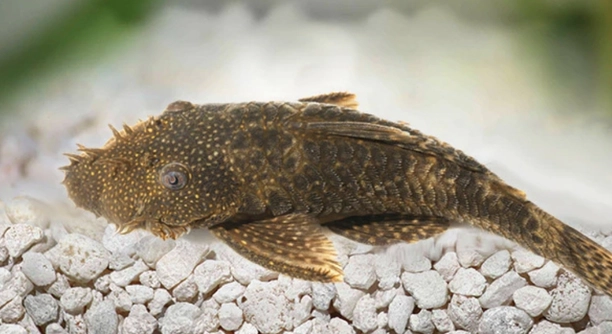
Keeping your plecos healthy and happy in their tank requires more than just feeding them. Regular maintenance of their environment is essential to ensure they thrive. Proper cleaning routines can make a big difference in their well-being.
To maintain a pleco-friendly tank, focus on reducing algae buildup, maintaining water quality, and cleaning the substrate regularly. Using a gentle filter, performing partial water changes, and avoiding harsh chemicals will create a safe and healthy environment for your pleco.
By following these tips, your pleco’s tank will be cleaner and healthier, ensuring they enjoy a safe habitat.
Cleaning Your Pleco’s Tank: Key Steps to Follow
When it comes to pleco tanks, one of the most important factors in maintaining a healthy environment is regular cleaning. Plecos are known for their algae-eating habits, but they cannot do all the work themselves. Without proper care, algae, debris, and waste can quickly build up in the tank. This not only affects the aesthetic appearance but also the overall health of your pleco. The first step is always to ensure that your filter is running smoothly. A good filter is essential for removing waste and maintaining water flow. However, it’s important to clean the filter regularly so it doesn’t get clogged and become ineffective. In addition to the filter, the substrate, decorations, and glass should also be cleaned frequently. This prevents the buildup of dirt and debris that can harm your pleco or water quality.
To help with cleaning, invest in a siphon vacuum for the substrate. This tool allows you to remove debris without disturbing the pleco or causing stress.
By maintaining a clean environment, your pleco will have the healthiest possible space to thrive, with less risk of diseases caused by poor water conditions.
Water Changes: A Must for Pleco Health
Water changes are crucial for any aquarium, especially when keeping plecos. A regular water change removes toxins and excess nutrients that can harm your fish.
Change 25 to 30% of the water every two weeks, and monitor the water’s parameters. Keeping the water stable ensures your pleco can grow and live in a safe environment. Adding a dechlorinator to the fresh water is essential to protect your pleco from chlorine or chloramine in tap water, which can be harmful.
The most common issue with water in pleco tanks is poor filtration. If the water is not filtered well enough, it can lead to elevated ammonia and nitrite levels, which are toxic to fish. Along with a regular water change routine, it’s important to test the water regularly to catch any problems before they affect your pleco’s health. This ensures a better long-term living condition for your fish and provides them with a cleaner, safer tank environment.
Cleaning the Tank Substrate
Substrate cleaning is a vital part of tank maintenance. Plecos tend to stir up the substrate, releasing waste and uneaten food into the water. Regular cleaning prevents the buildup of harmful substances.
Use a siphon to vacuum the substrate during water changes. This helps remove debris from the bottom of the tank, where it can cause water quality issues. When using the siphon, make sure to move it slowly to avoid disturbing your pleco too much. Be sure to reach all areas, including behind decorations and plants, where waste tends to accumulate.
The frequency of substrate cleaning depends on your tank’s size and the number of fish. In a smaller tank, it might need to be cleaned more often, while a larger tank can go longer between cleanings. A well-maintained substrate ensures a healthier environment for both your pleco and any other tank inhabitants. Over time, this process will become part of your routine, ensuring your pleco remains in a clean and safe habitat.
Removing Algae from Tank Surfaces
Algae is inevitable in any tank, but too much can harm your pleco and affect water quality. Regular cleaning of the tank surfaces keeps algae under control.
Scrub the glass with an algae scraper, ensuring you get all the hard-to-reach spots. Pay special attention to areas where light hits the most, as this encourages algae growth. An acrylic scraper is ideal for removing algae from glass without scratching the surface. It’s also essential to clean decorations and plants that algae may have latched onto. Removing algae buildup can help prevent it from turning into an infestation that can overcrowd your tank.
In addition to manual cleaning, consider adding algae-eating snails or shrimp. These creatures can naturally help keep algae levels down, preventing excessive growth. But remember, they won’t solve the problem entirely. Regular maintenance is the best way to keep your pleco’s tank free of algae.
Proper Filtration
A proper filtration system is key to maintaining clean water in your pleco’s tank. It helps remove waste and debris while ensuring water flow remains stable.
Choose a filter that is suitable for the size of your tank. A filter with adjustable flow is ideal for plecos, as they prefer a gentle current. Make sure to clean the filter media regularly, as it can get clogged with debris and waste.
Water Temperature
Keeping the right water temperature is crucial for your pleco’s health. Plecos thrive in temperatures between 74°F and 80°F (23°C to 27°C). A reliable heater will help maintain the tank’s temperature.
Make sure the heater is properly calibrated and regularly monitor the water temperature. Extreme fluctuations can stress your pleco, leading to health issues. Avoid placing the heater near the filter intake, as this may cause inconsistent heating.
Avoid Harsh Chemicals
Avoid using harsh chemicals or cleaners in your pleco’s tank. These can harm your fish and disrupt the water’s natural balance. Instead, opt for safe, aquarium-specific cleaners.
Regular water changes, substrate cleaning, and proper filtration are more effective than relying on chemicals. Using chemicals can also harm the beneficial bacteria in your filter, which are vital for maintaining a healthy tank environment.
FAQ
How often should I clean my pleco’s tank?
Cleaning your pleco’s tank should be done regularly to maintain a healthy environment. You should perform a partial water change every 1-2 weeks, removing about 25-30% of the water. Substrate cleaning with a siphon can be done during these water changes to keep the bottom clean. In addition, algae scraping and filter cleaning should be done every 4-6 weeks, depending on how much buildup you notice.
Can I use soap to clean my pleco’s tank?
No, soap should never be used to clean your pleco’s tank. Even small traces of soap can harm your fish. Instead, use aquarium-safe cleaners or just warm water for cleaning surfaces, decorations, and tools. When cleaning the tank, always ensure that it is thoroughly rinsed before adding water and fish back into it.
Is it necessary to use a filter in my pleco tank?
Yes, a filter is essential in keeping the water clean and clear. Plecos produce a significant amount of waste, and a filter helps remove debris and excess nutrients that can cause harmful conditions. A proper filter will also maintain water flow, which is necessary for your pleco’s health. Be sure to clean the filter regularly to keep it functioning properly.
How do I prevent algae growth in my pleco tank?
Algae growth can be controlled by reducing the amount of light the tank gets. Keep the tank in a location that avoids direct sunlight and limit light exposure to about 8-10 hours per day. Additionally, adding algae-eating creatures, such as snails or shrimp, can help keep algae under control. Regularly cleaning the glass and decorations will also prevent algae from building up.
Can I add other fish with my pleco?
Yes, plecos generally get along well with other peaceful fish. However, make sure the tank is large enough for all inhabitants, as plecos can grow quite large. Avoid keeping them with aggressive or territorial species. Ideal tank mates include other bottom-dwelling fish like corydoras, or small peaceful fish like tetras.
What should I feed my pleco?
Plecos are primarily herbivores and will benefit from a diet of algae wafers, fresh vegetables, and occasional meaty foods. Zucchini, cucumber, and lettuce are good vegetable options, and you can provide protein-rich foods like shrimp pellets or frozen bloodworms. Make sure to avoid overfeeding, as excess food can pollute the water.
How do I prevent the tank from smelling bad?
A foul smell typically indicates poor water quality or excess organic waste. Ensure that your filtration system is adequate and running properly. Perform regular water changes and avoid overfeeding. Cleaning the substrate and removing uneaten food will also prevent the buildup of waste, reducing unpleasant odors.
What is the best tank size for a pleco?
Plecos can grow quite large, so they require ample space to thrive. A minimum of a 30-gallon tank is recommended for smaller species, but for larger plecos, a 50-gallon or bigger tank is ideal. This gives your pleco enough room to swim and helps maintain water quality by dispersing waste more effectively.
Why is my pleco hiding so much?
Plecos are nocturnal by nature, so it’s normal for them to hide during the day. If your pleco is hiding more than usual, it could be stressed due to poor water conditions, aggressive tankmates, or insufficient hiding places. Check water parameters, ensure your pleco has adequate cover, and look for any signs of aggression from other fish.
How can I tell if my pleco is stressed?
Signs of stress in plecos include unusual behavior like hiding excessively, not eating, or becoming lethargic. Changes in coloration, especially dull or faded colors, can also indicate stress. Be sure to check water quality, as poor conditions often cause stress. Stress can also be caused by incompatible tankmates or sudden temperature changes.
How do I clean the filter in my pleco tank?
To clean your filter, first turn it off and remove it from the tank. Rinse the filter media in tank water (not tap water) to preserve beneficial bacteria. Clean the filter housing with a soft sponge, and reassemble the filter. It’s important to clean your filter every 4-6 weeks or when you notice a decrease in flow rate.
Why are my pleco’s fins torn?
Torn fins can be caused by aggression from tankmates, especially if you have fish that are territorial or fin-nippers. Ensure that your pleco is not being bullied by other fish. If you notice fin damage, monitor interactions and consider separating aggressive species. Poor water quality can also contribute to fin damage, so ensure your tank is well-maintained.
Do plecos need a heater in their tank?
Yes, plecos are tropical fish that require stable, warm water temperatures. A heater is recommended to maintain a consistent temperature between 74°F and 80°F (23°C to 27°C). Be sure to monitor the water temperature regularly to ensure it remains within the ideal range. Sudden temperature fluctuations can stress your pleco and make it more vulnerable to illness.
Final Thoughts
Maintaining a pleco-friendly tank requires attention to detail and consistent care. Regular water changes, substrate cleaning, and keeping the filter in good working condition will go a long way in ensuring a healthy environment for your pleco. Keeping the tank clean and maintaining stable water conditions is crucial for the well-being of your pleco and any other fish you may have in the tank. Algae management, substrate care, and proper filtration are just a few of the basics, but they can significantly impact your pleco’s health and happiness.
It’s also important to remember that plecos need space. As they grow, they require more room to swim and thrive. A larger tank is ideal for these fish, especially as they can grow quite large. While plecos are generally peaceful, they can get stressed in overcrowded or unsuitable environments. It’s essential to monitor not only water conditions but also tankmates, as compatibility plays a key role in the overall health of your pleco. Make sure they’re not stressed by aggressive species or poor living conditions.
With consistent care, plecos can live a long and healthy life in your aquarium. By providing the right environment and addressing their specific needs, you’ll help your pleco thrive. Regular maintenance, like water changes, cleaning the substrate, and monitoring water parameters, ensures that your tank remains a safe place for your fish. While plecos are generally low-maintenance, a few key actions can make a huge difference in their long-term health and happiness.

Hello,
If you enjoy the content that we create, please consider saying a "Thank You!" by leaving a tip.
Every little bit helps us continue crafting quality advice that supports the health, happiness, and well-being of pets around the world, for pets of all shapes, sizes, and species.
We really appreciate the kindness and support that you show us!