
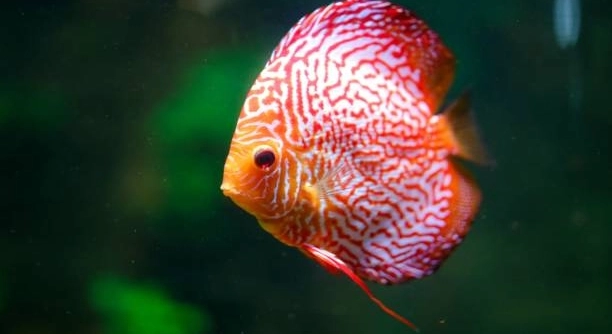
Keeping discus fish stress-free requires consistent care and attention to their environment. Proper cleaning routines play a crucial role in maintaining water quality and overall fish health. Simple habits can make a big difference in your aquarium’s balance.
Effective cleaning routines involve regular water changes, substrate vacuuming, filter maintenance, and monitoring water parameters. These practices reduce harmful toxins and stressors, creating a stable environment that supports discus fish well-being and longevity.
By following these routines, you can help your discus thrive and enjoy a peaceful tank atmosphere for years to come.
Consistent Water Changes
Changing water regularly is one of the most important tasks for keeping discus fish stress-free. Fresh water removes waste, leftover food, and toxins that build up over time. It also helps keep the water’s chemistry stable, which is vital for discus health. When the water quality is good, discus swim actively and show bright colors. Most hobbyists recommend changing about 25-30% of the water once a week. This keeps the environment clean without shocking the fish. Using a siphon to remove water gently can avoid disturbing the fish too much. It’s important to treat tap water with a dechlorinator before adding it back to the tank, because chlorine and chloramines harm fish. Maintaining a regular schedule for water changes will help you avoid sudden stress for your discus and reduce the chance of disease.
Changing water every week creates a stable home for discus fish and prevents harmful buildup in the tank.
Keeping up with weekly water changes is a simple but effective way to ensure your discus stay healthy. This routine keeps water clear and safe, letting your fish thrive in a clean environment. It’s easy to make this part of your regular care and see noticeable results. Your discus will be less stressed and more active, showing their natural beauty. With less waste and toxins, they avoid many common health problems. Over time, this habit reduces the need for emergency treatments or replacing fish, making your aquarium a peaceful place to enjoy.
Substrate Cleaning
Keeping the substrate clean is key to a healthy discus tank. Uneaten food and fish waste settle here, causing ammonia spikes if ignored. Use a gravel vacuum regularly to remove debris without disturbing the fish too much.
Vacuuming the substrate carefully helps prevent harmful bacteria growth. When debris builds up, it releases toxins that stress your discus. Frequent vacuuming keeps water parameters stable and reduces bad odors. It also helps avoid algae growth by removing excess nutrients. Using a siphon, gently clean the substrate during water changes, focusing on areas with visible waste. Avoid stirring the gravel too much to minimize stress. This routine supports your discus’s immune system and keeps the tank environment balanced.
A clean substrate works with other maintenance tasks to keep your aquarium healthy. It protects your discus from illness and improves water clarity. With less waste in the tank, the overall water quality improves, leading to happier, more vibrant fish.
Filter Maintenance
A well-maintained filter is essential for a stress-free discus environment. Clean or replace filter media as needed to keep water circulating and purified efficiently.
Filters remove physical debris and harmful chemicals from the water. Over time, filter media can clog with dirt and reduce effectiveness. Cleaning the filter every two to four weeks prevents blockages and keeps biological filtration working properly. Rinse filter parts in tank water to avoid killing beneficial bacteria. Avoid using tap water for cleaning media, as chlorine can harm these helpful organisms. Regular filter upkeep ensures stable water quality and reduces toxins, which lessens stress on your discus. It also supports a balanced ecosystem inside the tank, making your job easier.
Neglecting filter maintenance can lead to poor water conditions and sick fish. A clean filter ensures clear water and a healthy environment, helping your discus live comfortably.
Monitor Water Temperature
Maintaining a steady water temperature is crucial for discus health. Sudden changes can cause stress and weaken their immune system. Keep the temperature between 82°F and 86°F to mimic their natural habitat.
Use a reliable heater and thermometer to monitor the tank temperature daily. Avoid placing the tank near windows or drafts that cause fluctuations. Consistent warmth helps discus stay active and reduces stress-related illness.
Remove Algae Regularly
Algae can quickly take over a discus tank if left unchecked. Regularly scraping the glass and cleaning decorations keeps the tank looking good and prevents oxygen depletion.
Avoid Overfeeding
Feeding discus too much can cause water quality problems. Uneaten food decomposes, raising harmful ammonia levels. Feed small amounts that they can finish in a few minutes, once or twice a day.
Maintain Proper Lighting
Lighting affects discus stress and algae growth. Use a timer to provide about 8-10 hours of light daily, creating a natural day-night cycle that supports fish well-being.
How often should I clean my discus tank to keep fish stress-free?
Cleaning your discus tank weekly is ideal. This includes partial water changes of about 25-30%, substrate vacuuming, and filter checks. Regular maintenance prevents toxin buildup, keeping the environment stable and reducing stress on your fish. Avoid cleaning too aggressively, as sudden changes can upset the tank’s balance.
What is the best way to perform water changes without stressing discus?
Use a siphon or hose to remove water gently, avoiding rapid movements around the tank. Replace water slowly to prevent shocking the fish. Treat new water with a dechlorinator and ensure temperature matches the tank closely. Slow and steady changes help discus adjust comfortably to the refreshed water.
How important is substrate cleaning for discus fish?
Substrate cleaning is very important. Waste and uneaten food accumulate there, releasing harmful toxins if not removed. Using a gravel vacuum during water changes keeps the substrate clean and reduces ammonia spikes. Regular cleaning supports healthy water parameters and lowers stress levels for your discus.
How do I maintain the filter to support a healthy discus environment?
Clean the filter media every two to four weeks using tank water to preserve beneficial bacteria. Avoid tap water, as chlorine kills these helpful microorganisms. Replace filter parts when worn but keep biological media intact as much as possible. A well-maintained filter removes debris and toxins, ensuring a clean environment for discus.
Can sudden temperature changes cause stress in discus fish?
Yes, discus are sensitive to temperature fluctuations. Keeping water temperature steady between 82°F and 86°F helps avoid stress-related health issues. Use a reliable heater and monitor temperature daily. Avoid placing the tank near drafts, heaters, or windows to maintain consistent warmth.
How can I prevent algae from taking over my discus tank?
Regularly clean tank glass and decorations to remove algae buildup. Control lighting duration by using a timer, limiting light to 8-10 hours daily. Avoid overfeeding, as excess nutrients encourage algae growth. Adding algae-eating fish or snails can also help manage algae naturally.
How much should I feed my discus to avoid water quality problems?
Feed small amounts once or twice a day, only what the fish can eat within a few minutes. Overfeeding leads to leftover food that decomposes, raising ammonia and nitrite levels. Proper feeding reduces waste and helps keep water clean, which lowers stress for your discus.
Is it necessary to have special lighting for discus tanks?
While special lighting isn’t required, maintaining a natural day-night cycle with 8-10 hours of light helps discus stay healthy and stress-free. Using a timer ensures consistent lighting, which benefits fish behavior and limits algae growth.
How do I know if my discus is stressed?
Signs of stress include clamped fins, reduced activity, hiding, loss of color, and erratic swimming. Poor appetite and increased breathing rate can also indicate stress. Maintaining clean water, stable temperature, and a quiet environment helps prevent these issues.
Can frequent cleaning upset the biological balance in my discus tank?
Over-cleaning, especially changing all water or washing filter media with tap water, can harm beneficial bacteria. This disrupts biological filtration, causing ammonia spikes. Follow a balanced cleaning schedule and use tank water to rinse filter parts to keep bacteria healthy and water stable.
Keeping discus fish stress-free requires a steady routine and attention to their environment. Consistent cleaning and maintenance are essential to maintaining good water quality, which is the key to healthy discus. Regular water changes, substrate vacuuming, and filter care help reduce harmful toxins and keep the tank balanced. These simple steps create a comfortable home for discus, where they can swim actively and display their natural colors. Ignoring these routines can lead to poor water conditions, which stress the fish and make them more likely to get sick.
Temperature and lighting also play an important role in discus care. Keeping the water temperature steady between 82°F and 86°F supports their natural needs and reduces stress. Sudden changes or fluctuations can weaken their immune systems and cause health problems. Using a heater with a reliable thermostat and monitoring the tank regularly helps prevent this issue. Proper lighting, with about 8 to 10 hours per day, creates a natural day-night cycle for the fish. It also helps control algae growth, which can quickly take over if left unchecked. Managing these factors along with regular cleaning routines supports a stable, healthy aquarium.
Feeding habits and algae control are other parts of maintaining a stress-free discus tank. Overfeeding causes leftover food to decay, raising ammonia levels and polluting the water. Feeding small amounts once or twice a day and removing uneaten food helps keep the water clean. Algae can be controlled by regular glass cleaning and limiting light exposure. Adding algae-eating tank mates, like snails or small fish, can also help keep algae in check. By following these practices together, you provide your discus fish with a safe, peaceful environment. This lowers their stress, supports good health, and allows them to thrive over time.

Hello,
If you enjoy the content that we create, please consider saying a "Thank You!" by leaving a tip.
Every little bit helps us continue crafting quality advice that supports the health, happiness, and well-being of pets around the world, for pets of all shapes, sizes, and species.
We really appreciate the kindness and support that you show us!