
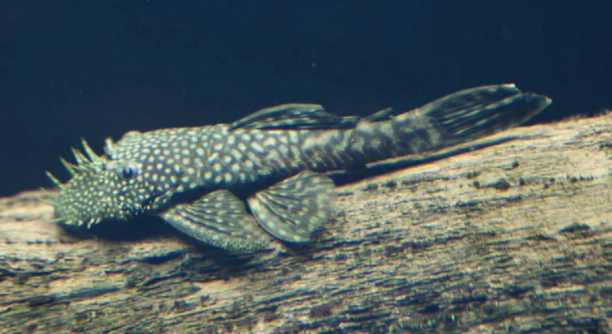
Plecostomus, or “plecos,” are fascinating fish that help keep your tank clean by grazing on algae. However, certain cleaning habits can upset them, affecting their well-being. Understanding their needs can ensure they stay healthy and happy in your aquarium.
Some common cleaning mistakes can cause stress to plecostomus, such as using harsh chemicals, cleaning their habitat too often, or disturbing their hiding spots. These actions can affect their comfort, leading to health issues or changes in behavior.
Being mindful of their environment can prevent problems. Proper cleaning techniques will help maintain a peaceful space for your pleco.
Using Harsh Chemicals During Tank Cleanings
Cleaning your aquarium is essential, but using harsh chemicals like bleach or ammonia can harm your plecostomus. These chemicals can linger in the water even after rinsing, creating an unsafe environment. Plecos have sensitive gills, and exposure to these chemicals can lead to respiratory distress or even death. It’s always best to avoid any strong chemical cleaners in favor of safer alternatives, like aquarium-safe cleaners or simply using water changes and scrubbing with a soft brush.
Using chemical cleaners disrupts the natural balance of your tank and stresses out your pleco. This also affects other fish and plants in the tank. It’s vital to consider the long-term health of all your tank’s inhabitants by opting for gentler methods.
Instead, focus on regular water changes and mechanical cleaning. A soft sponge or brush will remove algae from decorations and surfaces without compromising the tank’s integrity. Additionally, you can use a gravel vacuum to keep the substrate clean without upsetting the delicate balance. Keeping the tank environment stable is crucial for your plecostomus.
Overcleaning the Aquarium
Overcleaning your tank can also create problems for your pleco. Excessive water changes or scrubbing too often can remove the good bacteria that help break down waste. These bacteria are essential for maintaining water quality and your pleco’s health.
Plecos rely on a stable environment where they can find food naturally, like algae or leftover food. When you constantly clean every corner, it disturbs their ability to thrive. A balance is needed—regular maintenance is important, but not at the cost of the tank’s ecosystem.
Make sure to leave some areas of the tank undisturbed, allowing the pleco to continue grazing on algae. Changing 10-20% of the water weekly is usually enough to maintain water quality without overdoing it. A clean tank is good, but a stable, healthy one is even better for your pleco.
Disturbing Hiding Spots
Plecostomus fish love to hide in caves, crevices, or any safe nook they can find. They need this space to feel secure. If you frequently move their hiding spots around or remove decorations, it will cause them stress. A stressed pleco may hide more often or even stop eating, which can impact its health over time.
Plecos are shy by nature and often prefer to stay out of sight during the day. When their safe zones are disturbed too often, they feel vulnerable and may not get the rest they need. This can make them more prone to illness and decrease their lifespan. It’s essential to create a peaceful environment with secure hiding spots where they can retreat when needed.
When cleaning the tank, be mindful of these areas. Try to avoid moving decorations around too much. If you need to remove something for cleaning, place it back in the same spot once you’re done. The more stable and predictable their environment, the happier and healthier your pleco will be.
Using the Wrong Substrate
Another mistake is choosing the wrong substrate. Plecostomus fish are bottom dwellers, and they spend a lot of time foraging along the substrate. Sharp or rough gravel can injure their delicate barbels, the sensory organs around their mouths. Additionally, rough substrates may make it harder for plecos to find food. They thrive on a smooth, soft substrate, such as fine gravel or sand, which is gentler on their barbels and allows them to graze more easily.
Using sharp, jagged rocks can be a serious issue. If they scrape their barbels on the rough surfaces, it can lead to irritation or infections. Sand is a better choice because it’s soft, and plecos can sift through it to find food naturally. It also helps maintain a more natural environment that benefits both the pleco and any other bottom-dwelling creatures in your tank.
If you already have sharp gravel, consider switching it out slowly to avoid disturbing the tank’s ecosystem too much. Gradually replace it with finer material, and your pleco will enjoy a much safer and more comfortable habitat.
Overusing Gravel Vacuums
Gravel vacuums are helpful tools for cleaning the substrate, but using them too often can upset the natural balance of the tank. Overuse can stir up beneficial bacteria and disturb the pleco’s environment. When these bacteria are disturbed, it can lead to spikes in ammonia, making the tank unsafe.
To avoid this, you don’t need to vacuum the entire substrate during each cleaning. Instead, focus on vacuuming areas that are more prone to waste buildup. Limiting the use of the vacuum allows your tank’s biological filtration to function properly and ensures that the pleco’s environment remains stable and healthy.
It’s important to clean the tank regularly but in moderation. Overcleaning can lead to more harm than good. Your pleco benefits from a consistent, stable environment that doesn’t change too drastically. A gentle approach to tank maintenance is often the best way to keep everything running smoothly.
Disrupting the Tank’s Lighting Schedule
Plecos are nocturnal creatures, so they depend on a stable light/dark cycle for their well-being. Disrupting this cycle by leaving lights on too long or turning them on and off unpredictably can stress your pleco out. This can affect their feeding and resting patterns.
Maintaining a proper lighting schedule is essential. Keep the lights on for about 8-12 hours during the day and off at night to mimic a natural day/night cycle. Plecos will feel more comfortable, knowing when to expect light and when to rest. A timer can help regulate this, ensuring consistency.
If you notice your pleco becoming more reclusive or restless, consider checking the lighting schedule. You may need to reduce the light hours to give your pleco more peace and ensure it feels secure in its environment. Proper lighting is a simple yet effective way to help your pleco thrive.
Using Water Conditioners Incorrectly
Water conditioners are useful for ensuring the tank’s water is safe, but using the wrong type or too much of them can harm your plecostomus. These products can alter the water’s chemistry, making it stressful for your pleco. Overuse can even lead to chemical imbalances.
Follow the manufacturer’s instructions carefully when using water conditioners. Overdosing can cause spikes in pH, hardness, or ammonia levels, which can put your pleco in distress. Regular water testing is crucial to ensure that your tank stays within the ideal range for your plecostomus.
By using water conditioners in moderation and testing water regularly, you can ensure the safest environment for your pleco. Proper care goes beyond just cleaning—it’s about maintaining a balanced and healthy water environment.
Feeding Improper Diets
Plecos are primarily algae eaters, but they also need supplemental food to stay healthy. Offering the wrong diet, like processed fish food or feeding them too much, can lead to digestive issues or malnutrition. It’s important to stick to a balanced, pleco-friendly diet.
Vegetables like zucchini, cucumber, and spinach are great additions to their diet, alongside algae wafers and occasional protein-based foods. Offering a variety ensures that your pleco gets the nutrients it needs to stay healthy. Overfeeding can also cause waste build-up, affecting water quality.
Feed your pleco in small portions to avoid excess food in the tank. Removing any uneaten food after a few hours helps maintain clean water. A balanced diet supports your pleco’s overall health and keeps the tank environment in check.
Disturbing the Pleco’s Resting Time
Plecos need a lot of rest, and they often hide in caves or under plants during the day. If they are disturbed too often, they can become stressed, which affects their eating habits and overall well-being. Avoid crowding them or creating a lot of noise around their hiding spots.
Respecting their need for rest and space allows them to recharge and feel safe. It’s important to give them time in their secluded spots without unnecessary interruptions. This helps to reduce their stress and maintain their health.
Creating a peaceful, calm environment with undisturbed hiding areas can make a significant difference in your pleco’s happiness. Stability is key to keeping your pleco comfortable and stress-free.
FAQ
How often should I clean my pleco’s tank?
Cleaning your pleco’s tank too often can disrupt the natural balance, so it’s important not to overdo it. Generally, aim for a 10-20% water change once a week. Scrubbing decorations or surfaces can be done every 2-4 weeks, but avoid cleaning everything at once. This ensures that beneficial bacteria remain undisturbed, and your pleco can continue to thrive. If the tank shows visible algae or waste buildup, consider spot cleaning rather than a full scrub.
Can plecos eat fish food?
Yes, plecos can eat fish food, but it’s not their primary diet. Plecos are mainly herbivores, so they need a diet rich in plant-based foods. Algae wafers are commonly used to supplement their diet. However, offering them fresh vegetables like zucchini or spinach is a great way to keep them healthy. Occasionally, they can also eat protein-based food, but this should be rare.
Why does my pleco stay hidden all the time?
Plecos are nocturnal creatures, which means they tend to be more active at night. If your pleco stays hidden during the day, it’s likely just following its natural behavior. They feel safer in caves, under rocks, or near plants, so make sure they have a comfortable place to retreat. Stress or changes in their environment can also cause them to hide more often, so check if the water conditions are right.
Can plecos live with other fish?
Yes, plecos can live with other fish, but there are some important considerations. They are usually peaceful and can coexist with most community tank species. However, avoid keeping them with very aggressive or territorial fish, as this could cause stress. Also, plecos can get large, so make sure there is enough space for all tank mates to live comfortably.
How do I know if my pleco is stressed?
Stressed plecos can show various signs. Common symptoms include staying hidden for extended periods, reduced appetite, or unusual swimming behavior. They may also appear lethargic, not eating their usual food, or showing signs of illness like fin rot. Changes in water quality or tank conditions can lead to stress, so make sure to check the water parameters regularly.
Do plecos need a filter?
Yes, plecos need a filter in their tank. They produce waste, and the filter helps maintain clean water, which is crucial for their health. It also supports the filtration of beneficial bacteria, which break down waste and maintain water quality. A good filter helps to keep ammonia, nitrates, and nitrites in check, providing a safer environment for your pleco.
What temperature should the water be for my pleco?
Plecos generally prefer water temperatures between 72°F and 78°F (22°C-25°C). It’s important to keep the water within this range to ensure they are comfortable and healthy. Temperature fluctuations can stress your pleco, so a stable environment is key. Use a reliable aquarium heater to maintain the water temperature and monitor it regularly with a thermometer.
Can plecos live in cold water?
Plecos are tropical fish and prefer warm water. While some species may tolerate slightly cooler temperatures, it’s best to provide them with a stable warm environment. Cold water can lead to stress and health issues. If you live in a region with fluctuating temperatures, consider using an aquarium heater to keep the water within the appropriate range for your pleco.
Why isn’t my pleco eating?
If your pleco isn’t eating, there could be a few reasons. First, make sure the water conditions are ideal. Poor water quality, improper temperature, or stress from tankmates can cause a loss of appetite. Additionally, check that you’re offering a variety of foods, including fresh vegetables, algae wafers, and occasional protein. If the issue persists, it might be a sign of illness, and you should consult a vet specializing in fish care.
How can I help my pleco grow properly?
To help your pleco grow, ensure that they have a balanced diet, plenty of space, and optimal water conditions. Offer them algae wafers, fresh vegetables, and occasional protein. Avoid overfeeding, as excess food can pollute the tank and harm water quality. Regular water changes and maintaining a stable environment are key factors in their healthy growth.
Can I use gravel in my pleco tank?
Gravel can be used, but you must choose a smooth variety. Sharp gravel can damage a pleco’s delicate barbels, which they use to sense food. It’s better to use fine gravel or sand to avoid any injuries. Additionally, make sure the substrate is not too deep, as plecos can get trapped in deeper layers.
Do plecos need light?
Plecos do not need light to survive, as they are nocturnal and prefer darkness. However, having a light on a timer for 8-12 hours during the day can help maintain a natural day/night cycle. If the light is too bright, your pleco may become stressed, so try to provide areas of the tank where they can hide in darkness when they need rest.
How can I keep my pleco entertained?
Plecos are curious creatures, and they enjoy exploring their environment. Adding driftwood, caves, and plants to the tank can provide hiding spots and opportunities for foraging. They may also enjoy grazing on algae, so providing a steady supply of algae wafers can keep them entertained. Regularly rearranging their environment or adding new decorations can also provide mental stimulation.
Final Thoughts
Taking care of a plecostomus requires attention to detail, but the effort is worth it for their health and well-being. By understanding the common cleaning mistakes and how they can affect your pleco, you can create a more comfortable and stable environment for your fish. Plecos are hardy creatures, but like all pets, they require a certain level of care to thrive. Small changes, such as avoiding harsh chemicals, not overcleaning the tank, and providing proper hiding spaces, can make a big difference in their overall happiness and health.
One of the most important aspects of pleco care is maintaining clean, stable water. Water quality is directly tied to your pleco’s health, and regular water changes, proper filtration, and water testing can prevent a lot of problems. Plecos rely on a balance of good bacteria, and disturbing this balance too much can cause more harm than good. It’s not about cleaning the tank every day; it’s about understanding the needs of your pleco and providing them with a stable, clean environment. A well-maintained tank, along with proper diet and lighting, will keep your pleco content and healthy for years.
Remember, plecos may spend most of their time hiding or grazing on algae, but they need your care and attention to stay healthy. With patience and understanding, you can avoid common mistakes that could upset your pleco. By focusing on the right cleaning methods, creating safe spaces, and maintaining proper tank conditions, your pleco can live a long, happy life. Keeping a pleco is a rewarding experience that teaches you about maintaining balance in your tank and ensuring the comfort of all your aquarium’s inhabitants.

Hello,
If you enjoy the content that we create, please consider saying a "Thank You!" by leaving a tip.
Every little bit helps us continue crafting quality advice that supports the health, happiness, and well-being of pets around the world, for pets of all shapes, sizes, and species.
We really appreciate the kindness and support that you show us!