
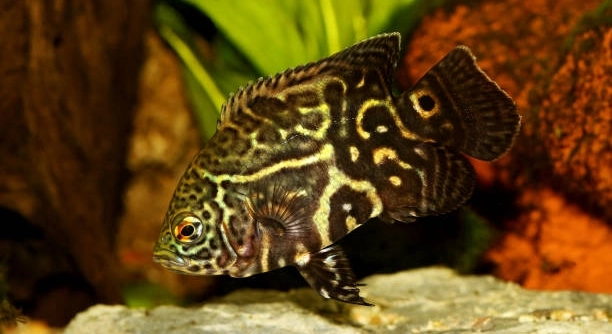
Cleaning is an essential part of life, but sometimes certain habits can add more stress than relief. When it comes to Oscars, cleaning habits can create unexpected challenges, leaving many feeling overwhelmed and frustrated.
Cleaning habits that stress out Oscars often arise from excessive attention to detail or improper methods. Overzealous cleaning can lead to unnecessary wear, damage, or irritation, affecting their comfort and routine. A balanced, mindful approach is key.
Understanding these habits can help you maintain a healthier environment while reducing unnecessary stress. Keep reading for effective cleaning tips that can help you care for your Oscar without creating extra worry.
Over-Cleaning the Tank
Cleaning an Oscar’s tank too often can actually cause more harm than good. While it’s important to maintain a clean environment, excessive cleaning disrupts the beneficial bacteria that help break down waste. Constantly scrubbing decorations, filters, or tank walls can lead to imbalanced water quality. This not only stresses your Oscar but also increases the chances of algae growth. Over-cleaning can also remove all of the natural filtration that the tank has developed, forcing you to start the process again. In the long run, it’s better to clean strategically, focusing on high-traffic areas without disrupting the entire tank.
To keep your Oscar healthy, aim for partial water changes every two weeks, not full tank overhauls.
It’s easy to get caught up in wanting everything spotless, but remember that an Oscar’s tank thrives when left to maintain some of its own natural balance. Moderation is key to ensuring both cleanliness and stability.
Using Harsh Chemicals
Many cleaning agents are harsh and can leave harmful residues in the tank. Using bleach or ammonia-based products may seem like a quick fix, but these chemicals are dangerous for your Oscar. They can cause irritation to the fish’s skin, eyes, and gills, leading to stress and even long-term health problems. For safe cleaning, always use fish-safe products or simple solutions like vinegar to clean your tank equipment.
Using harsh chemicals can also kill beneficial bacteria in your tank’s filtration system, leading to a breakdown in water quality. This might require more frequent water changes, adding to your stress. Stick to natural cleaning methods and monitor water quality closely. By being cautious with the cleaning products you use, you can protect both your Oscar and the environment you’ve worked hard to create.
Overuse of Aquarium Gravel
Gravel is often seen as a decorative element in tanks, but using too much can create hidden pockets of debris and dirt. Excessive gravel can trap waste that isn’t filtered out, leading to poor water quality. It also makes it harder to clean the tank properly, requiring more effort to remove buildup.
Using a thin layer of gravel is ideal for maintaining a clean and stable environment. By leaving some areas bare, you can easily spot waste and clean it before it affects water quality. If you do use gravel, clean it regularly but avoid piling it up too thickly.
A thinner gravel layer also helps with water circulation, preventing debris from accumulating in places where it’s difficult to remove. This makes maintenance easier, ensuring your Oscar’s tank stays balanced. Keep gravel at a manageable level, so it doesn’t interfere with the health of the tank’s ecosystem.
Over-Feeding the Oscar
Feeding your Oscar too much can lead to a range of problems, both for the fish and for the tank. Excess food left uneaten quickly breaks down, polluting the water and raising ammonia levels. This can cause stress for the fish and create a breeding ground for harmful bacteria.
Feed your Oscar only what it can consume in 2-3 minutes, once or twice a day. This helps keep the tank clean and the fish healthy. Regularly remove any leftover food to prevent it from decomposing in the water.
Over-feeding also leads to obesity in Oscars, which can shorten their lifespan. It’s important to find the right balance in feeding and stick to it. A clean tank and a well-fed, healthy Oscar go hand in hand.
Cleaning the Tank Decorations Too Often
Cleaning decorations too frequently can strip away the beneficial biofilm that develops over time. This natural buildup helps maintain a balanced environment, offering shelter and food for microorganisms that your Oscar benefits from. Scrubbing too much also risks damaging the decorations or disturbing the tank’s ecosystem.
Leave decorations alone unless they are visibly dirty or creating issues. A light wipe-down once a month is enough to keep them in good condition without disrupting the balance of your tank. Make sure not to use chemicals, as they can harm the fish and plants.
By cleaning your decorations less often, you allow beneficial bacteria to thrive. This reduces the need for frequent water changes and helps maintain a healthy tank for your Oscar.
Using a High-Flow Filter
High-flow filters may seem like a good idea to keep water clean, but they can stress out Oscars. These fish prefer calm waters, and a strong current can make them feel unsafe. It’s better to use a filter that’s rated for the tank size without creating too much movement.
Oscars need a more stable environment to thrive, so a high-flow filter may not always be the best choice. Instead, aim for one with adjustable flow, allowing you to control the water movement based on your fish’s needs.
Improper Water Temperature
Water temperature is crucial to your Oscar’s health. Too hot or too cold water can cause stress, affecting the fish’s immune system and overall well-being. Maintaining a stable temperature around 74-81°F (23-27°C) is essential for your Oscar to feel comfortable and healthy.
Oscars are sensitive to drastic changes in temperature, which can lead to illness. Make sure your aquarium heater is working properly and monitor water temperature regularly. Keep a thermometer in the tank to ensure the environment stays within the ideal range.
FAQ
What is the best way to clean an Oscar tank?
The best way to clean an Oscar tank is by performing partial water changes regularly, typically every two weeks. Remove around 25-30% of the water to avoid disturbing the beneficial bacteria. Clean the substrate lightly to remove any debris and use a siphon to vacuum the gravel. Avoid scrubbing tank surfaces too often, as it can disrupt the environment and remove helpful biofilm.
How often should I change the water in my Oscar’s tank?
Water changes are necessary every two weeks, but the frequency depends on the size of the tank and the number of Oscars you have. In larger tanks with proper filtration, water changes can be spaced further apart. Smaller tanks or those with multiple fish may require more frequent changes to maintain water quality.
Can I clean the filter regularly?
Yes, it’s important to clean the filter, but avoid overdoing it. Clean it once every month or when it appears dirty, but do not replace the filter media entirely. Replacing the media too often removes beneficial bacteria, which are crucial for maintaining tank balance. Instead, rinse the filter media in tank water to preserve this beneficial bacteria.
Should I scrub the glass regularly?
Scrubbing the glass too often can harm the biofilm and bacteria that help balance the tank environment. It’s best to clean the glass only when it’s visibly dirty. A light scrub once a month should be sufficient, but use a fish-safe cleaner or a vinegar solution. Avoid using harsh chemicals or soaps.
What is the best food for Oscars?
Oscars are carnivores and thrive on a diet of high-protein foods. The best food for them includes pellets specifically designed for large cichlids, live or frozen foods such as shrimp, worms, and fish, as well as occasional pieces of fresh meat. Make sure to feed them in moderation, offering them only what they can eat in 2-3 minutes to avoid overfeeding.
Can I feed my Oscar too much?
Yes, overfeeding your Oscar can lead to obesity, which can shorten its lifespan. Uneaten food left in the tank also decomposes, polluting the water and raising ammonia levels, which stresses your Oscar. Feed your fish once or twice a day, offering only the amount they can consume in a short period of time.
How do I prevent algae growth in my Oscar tank?
To prevent algae growth, ensure you aren’t overfeeding your Oscar, as excess food can contribute to algae buildup. Regularly perform water changes and ensure your tank is not exposed to direct sunlight, as this encourages algae growth. Consider adding algae-eating fish like snails or plecos to help control algae levels.
What should I do if my Oscar looks sick?
If your Oscar shows signs of illness such as faded colors, abnormal swimming, or lack of appetite, it’s important to isolate the fish and monitor its condition. Check water parameters such as pH, ammonia, and nitrate levels to ensure they’re within the safe range. Consult a vet or a fish specialist if symptoms persist.
How do I maintain proper water temperature for Oscars?
Oscars need water temperatures between 74-81°F (23-27°C). Use a reliable aquarium heater to maintain a stable temperature and avoid sharp fluctuations. Check the water temperature regularly with an aquarium thermometer, as sudden changes in temperature can stress your Oscar and lead to illness.
Can I put multiple Oscars in the same tank?
Yes, Oscars can live together, but it’s important to provide enough space. A 75-gallon tank is the minimum for two Oscars, and the tank should be large enough for them to establish territories. Be prepared for aggression, especially as they grow older. Monitor their behavior closely, as Oscars can become territorial and may fight.
What type of tank decorations are best for Oscars?
Oscars enjoy hiding spots and a few sturdy decorations. Avoid using sharp or fragile items that can harm your fish. Large rocks, driftwood, and caves can create a natural environment, giving Oscars places to explore and rest. Make sure the decorations are securely placed, as Oscars may move them around.
How do I reduce stress in my Oscar?
Oscars are sensitive to changes in their environment. Keep their tank stable, avoiding sudden changes in water quality or temperature. Provide hiding spots and keep the tank free of excessive cleaning. Avoid placing the tank in high-traffic areas or near loud noises, as these can also cause stress.
How do I know if my Oscar is happy?
A healthy and happy Oscar will swim around its tank actively and explore its environment. It may also approach you when you come close to the tank. Healthy Oscars have bright, vibrant colors, and they eat regularly. If your Oscar is lethargic, hiding excessively, or not eating, these could be signs of stress or illness.
What should I do if my Oscar refuses to eat?
If your Oscar refuses to eat, it could be a sign of stress or an illness. Check water quality and temperature first, as poor conditions can lead to loss of appetite. Offer a variety of food to see if the fish prefers something different. If the problem persists, consult a fish vet.
Do Oscars get along with other fish?
Oscars can be territorial and aggressive, especially as they mature. While they can coexist with other fish, it’s best to pair them with larger, more robust species that can tolerate their aggressive nature. Avoid small fish or slow swimmers, as Oscars may see them as prey.
How do I tell if my Oscar is too stressed?
Signs of stress in an Oscar include erratic swimming, rubbing against objects, loss of color, or hiding. Stress can also lead to poor eating habits and weakened immune systems. Check the tank environment for factors like temperature, water quality, and filtration, which could be causing discomfort.
Can I breed Oscars in my tank?
Yes, breeding Oscars in a home aquarium is possible, but it requires the right conditions. You’ll need a larger tank, ideally over 75 gallons, and a stable, clean environment. Oscars will need a flat surface, like a rock, for laying eggs. Be prepared for aggression, as Oscars can be protective of their eggs.
Final Thoughts
Maintaining an Oscar tank requires careful attention to water quality, feeding habits, and the overall environment. Oscars are resilient fish, but they can be sensitive to stressors, such as poor water conditions or improper tank setups. Keeping the tank clean, adjusting the water temperature, and monitoring the fish’s behavior are essential steps in ensuring their health and longevity. By understanding your Oscar’s needs, you can create a stable environment that promotes their well-being.
Overcleaning or overfeeding can lead to various issues, including stress and water quality problems. It’s important to find a balance in maintaining a clean tank while avoiding the disruption of beneficial bacteria that help keep the water healthy. Regular water changes, proper filtration, and minimal disturbance to decorations and tank surfaces will help maintain a healthy ecosystem for your Oscar. Remember, a stable environment is key to reducing stress and promoting natural behavior.
In conclusion, taking care of an Oscar fish requires patience, consistency, and knowledge of their needs. Oscars are hardy, but they thrive in well-maintained tanks with appropriate water conditions, proper feeding, and the right tank mates. By following these guidelines, you can ensure that your Oscar remains healthy, active, and stress-free for years to come.

Hello,
If you enjoy the content that we create, please consider saying a "Thank You!" by leaving a tip.
Every little bit helps us continue crafting quality advice that supports the health, happiness, and well-being of pets around the world, for pets of all shapes, sizes, and species.
We really appreciate the kindness and support that you show us!