
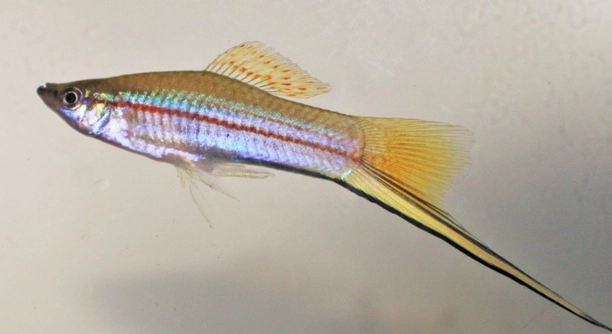
Swordtails are popular aquarium fish, and keeping them healthy requires regular cleaning habits. Understanding how to care for them is key to ensuring their well-being. These simple practices will help protect your swordtails from common aquarium issues.
Maintaining a clean environment for swordtails is essential to their health. Regular water changes, proper filtration, and removing debris can reduce harmful toxins. Clean tanks not only improve the fish’s environment but also prevent diseases and promote long-term vitality.
These habits will help ensure your swordtails stay healthy, thrive, and live a long life in a well-maintained tank.
Regular Water Changes
Keeping your swordtail tank clean starts with regular water changes. Aim to change 20-30% of the water every week. This helps maintain water quality, prevents toxins from building up, and ensures your fish stay in a healthy environment. Without frequent water changes, harmful substances like ammonia, nitrates, and nitrites can accumulate, leading to stress and disease.
A simple water change routine will significantly improve your swordtails’ living conditions. You don’t need fancy equipment; a siphon or gravel vacuum works well for removing waste and debris. This simple habit can prevent many common fish diseases caused by poor water quality.
Over time, you’ll notice how your swordtails become more active and vibrant when their environment is consistently fresh. Keeping the water clean is one of the easiest and most effective ways to protect them.
Tank Filtration
A good filtration system is a must. Swordtails need clean, well-oxygenated water. Ensure the filter you use is suitable for the size of your tank and capable of keeping the water clear.
Filtration systems help remove excess food, waste, and chemicals, which can negatively impact your swordtails’ health. Regularly check and clean the filter to avoid clogs and ensure it works efficiently. Replace filter media when necessary to maintain proper filtration.
By investing in a reliable filtration system and cleaning it regularly, your swordtails will thrive in an environment with stable water quality.
Removing Debris
Debris buildup can affect the water quality in your tank. Remove uneaten food, plant matter, and waste daily to keep the environment clean. Use a siphon to vacuum the substrate and prevent harmful substances from lingering.
Waste and leftover food can quickly break down and create toxins. Swordtails are sensitive to changes in water quality, so removing these impurities keeps them healthier and reduces the risk of disease. Check areas where waste collects, such as corners or under decorations, to ensure the tank stays clean.
When debris is removed regularly, the water remains clear, and the swordtails have a better chance of thriving. Taking just a few minutes each day can save you from dealing with more serious tank issues later on.
Proper Tank Size
A tank that’s too small can stress out your swordtails. Make sure your aquarium is large enough to provide them with adequate space to swim and grow. A 20-gallon tank is typically recommended for a small group of swordtails.
Crowding can cause problems like aggression, poor water circulation, and oxygen depletion. Swordtails need room to move around and establish territories. A larger tank also makes it easier to maintain stable water conditions and reduces the risk of sudden changes in temperature or pH. Make sure your tank is suited to their needs.
Choosing the right size tank from the start helps you avoid having to upgrade later. Swordtails can grow up to 4-5 inches long, so providing ample space ensures they stay healthy and comfortable.
Monitoring Water Temperature
Maintaining a stable water temperature is crucial for swordtails. Keep the temperature between 72°F and 82°F (22°C to 28°C) to mimic their natural environment. Fluctuations can stress them out and make them more susceptible to illness.
Use a reliable aquarium heater with a thermometer to keep the water consistently warm. Sudden temperature drops or spikes can weaken your swordtails’ immune system. It’s important to keep an eye on the temperature, especially in cooler months when the room temperature might change.
Consistent water temperature keeps your swordtails active and helps prevent health issues related to stress or cold.
Using Aquarium Plants
Live plants can improve the water quality and create a more natural environment for your swordtails. Plants help absorb excess nutrients and provide shelter for the fish, reducing stress.
Some good plant choices include Java Fern, Anubias, and Hornwort. These plants also help maintain oxygen levels and provide hiding spaces, making your tank more attractive while offering benefits to the swordtails. Be sure to maintain healthy plants by trimming dead leaves and providing the right amount of light.
With plants in the tank, swordtails will feel safer and more comfortable, leading to a healthier environment.
Avoiding Overfeeding
Overfeeding is one of the easiest mistakes to make with swordtails. It can lead to water contamination and poor water quality. Feed them only what they can eat in a few minutes to avoid leftover food decomposing.
Overfed fish can also suffer from obesity and digestive issues, which affect their health in the long run. Be mindful of the portion size and stick to a regular feeding schedule, usually once or twice a day. Keep track of the amount you’re feeding to prevent excess waste.
By managing food intake, you’ll ensure a cleaner environment and a healthier swordtail population.
FAQ
How often should I clean my swordtail tank?
Cleaning your swordtail tank should be done regularly to ensure water quality. A good rule of thumb is to perform partial water changes (about 20-30%) weekly. Additionally, remove debris and uneaten food daily to prevent waste from building up. This helps maintain a healthy environment for your fish.
In addition to water changes, clean the tank’s decorations, filter, and substrate every few weeks. Scrub algae from the glass and check for any unwanted buildup that could affect water quality. Regular cleaning prevents diseases and keeps your swordtails happy.
Can I use tap water for my swordtail tank?
Tap water is often fine for swordtails, but it depends on its quality. Many tap water sources contain chlorine, chloramine, or high levels of minerals that can harm your fish. Always treat tap water with a water conditioner to neutralize these chemicals before adding it to the tank.
You should also check the pH, hardness, and temperature of the tap water. Swordtails thrive in slightly acidic to neutral water with a pH between 7.0 and 8.0. It’s helpful to test the water before each water change to ensure it’s safe for your swordtails.
What should I feed my swordtails?
Swordtails are omnivores and enjoy a varied diet. You can feed them high-quality flake food, pellets, and live or frozen foods like brine shrimp and bloodworms. Vegetables like spinach, zucchini, and peas are also great additions to their diet.
Avoid overfeeding, as leftover food can quickly pollute the tank. Feed your swordtails once or twice a day, giving them only what they can consume in a few minutes. A balanced diet promotes good health and vibrant colors.
How can I tell if my swordtail is stressed?
Stress in swordtails can show through several signs. Common indicators include reduced activity, loss of appetite, and hiding more than usual. They may also display abnormal swimming behavior, such as darting or swimming at the surface frequently. Stress can result from poor water conditions, overcrowding, or incompatible tankmates.
To reduce stress, make sure the water temperature, pH, and filtration are stable. Providing plenty of plants and hiding spots will also help swordtails feel more secure. Regular water changes and proper feeding habits are essential for reducing stress.
Do swordtails need a heater in their tank?
Yes, swordtails are tropical fish and require a consistent water temperature to thrive. They do best in water temperatures between 72°F and 82°F (22°C to 28°C). If your home temperature fluctuates, it’s crucial to use an aquarium heater to maintain a stable environment.
Investing in a good quality heater with a built-in thermostat will help regulate the temperature. Check the water regularly with a thermometer to ensure it stays within the ideal range. Proper temperature regulation is vital for your swordtails’ health.
Can swordtails live with other fish?
Swordtails are peaceful and generally get along well with other non-aggressive species. They can be housed with other community fish, like tetras, guppies, and mollies. Avoid aggressive or fin-nipping species, as they may stress out or harm your swordtails.
Ensure that the tank is large enough to accommodate the different fish comfortably. Keep in mind that swordtails can be territorial, especially during breeding, so provide enough space for everyone to avoid conflicts.
How do I breed swordtails?
Breeding swordtails is relatively easy since they are livebearers. To breed swordtails, provide a separate breeding tank or plenty of hiding spots in the main tank. A male and female swordtail will pair up, and the female will give birth to live fry.
Maintain good water conditions and feed the adults a nutritious diet to ensure they are in prime breeding health. The female will carry the fry for about 3-4 weeks before giving birth. Afterward, you can separate the fry from the adults to prevent them from being eaten.
What size tank is best for swordtails?
A 20-gallon tank is the minimum recommended size for swordtails. If you plan to keep more than one swordtail, a larger tank will provide more space for swimming and reduce territorial behavior. The more space your swordtails have, the less stressed they’ll be.
Larger tanks also make it easier to maintain water quality and ensure your swordtails have plenty of room to thrive. Avoid overcrowding, as it can lead to poor water conditions and stress. Make sure your tank is properly filtered to handle the bio-load.
How can I prevent algae growth in my tank?
Algae growth is a common issue in aquarium tanks, but there are ways to minimize it. The main cause of algae is excess nutrients in the water, typically from overfeeding or too much light. Ensure you don’t overfeed your swordtails, and clean up any uneaten food immediately.
Controlling the lighting in the tank also helps. Limit the amount of time the tank lights are on each day to around 8-10 hours. Adding live plants can also help absorb excess nutrients and compete with algae for resources, reducing its growth.
Why is my swordtail’s tail or fins ragged?
Ragged fins or tails on swordtails can be a sign of poor water conditions, fin rot, or aggression from other fish. Check the water quality and make sure the pH, temperature, and filtration are within the appropriate range. Poor water quality can weaken their immune system, making them more susceptible to infections.
If aggression is the cause, you may need to separate the swordtail from aggressive tankmates. If fin rot is the issue, treat the tank with a mild antibiotic or consult with an aquarium expert for the best course of action.
Final Thoughts
Caring for swordtails requires attention to their environment and needs. Maintaining clean water, stable temperatures, and a proper diet are essential for their health and well-being. Swordtails are relatively easy to care for, making them a popular choice for beginner and experienced aquarium keepers alike. With the right care, they can thrive and add beauty to any tank.
By ensuring proper tank conditions, such as the right water parameters and adequate space, swordtails can live a long and healthy life. They are active fish that enjoy swimming and exploring, so it’s important to provide them with enough space to move around freely. A well-maintained tank will not only support their physical health but also reduce stress, making for a more vibrant and happy fish.
In conclusion, swordtails make great additions to any aquarium when their care requirements are met. With the right water conditions, feeding habits, and companionship, they can thrive in a peaceful tank. Regular maintenance and attention to their needs will keep your swordtails healthy and enhance your aquarium experience.

Hello,
If you enjoy the content that we create, please consider saying a "Thank You!" by leaving a tip.
Every little bit helps us continue crafting quality advice that supports the health, happiness, and well-being of pets around the world, for pets of all shapes, sizes, and species.
We really appreciate the kindness and support that you show us!