
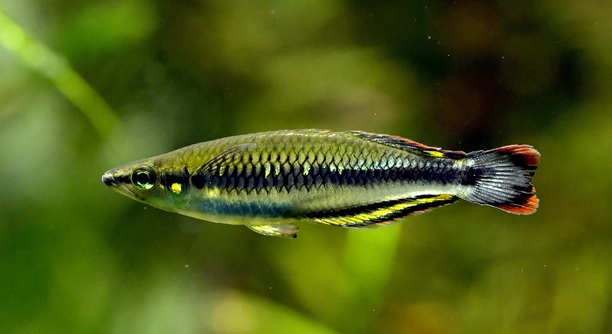
Do you ever find yourself admiring the vibrant colors of your rainbowfish but worry they are not as healthy as they could be? Maintaining a clean tank is essential for their well-being and vitality.
Consistent cleaning habits are crucial for rainbowfish health. Regular water changes, substrate cleaning, and filter maintenance reduce harmful toxins, prevent algae growth, and promote a stable aquatic environment. Proper hygiene directly supports their growth, coloration, and overall longevity.
Understanding these simple cleaning habits can make a significant difference. Implementing them ensures your rainbowfish thrive in a healthier, more balanced habitat.
Regular Water Changes
Changing the water in your rainbowfish tank regularly is essential for their health. Over time, waste, leftover food, and chemicals build up in the water, making it harmful for fish. Replacing 20-30% of the water weekly helps maintain stable water parameters, reducing stress on the fish and supporting their immune system. Fresh water improves oxygen levels, which keeps rainbowfish active and colorful. Skipping water changes can lead to cloudy water, increased toxins, and a higher risk of disease. It is also important to use a water conditioner to remove chlorine and other harmful substances from tap water before adding it to the tank. Monitoring water temperature and pH ensures that the new water does not shock the fish. By sticking to a consistent water change schedule, the environment stays clean, safe, and optimal for rainbowfish growth and overall well-being.
Regular water changes directly improve your fish’s health, energy, and coloration, keeping them vibrant and resilient to stress and disease.
Consistency in water changes establishes a stable habitat, reducing fluctuations that can stress rainbowfish. It also minimizes ammonia buildup, prevents algae blooms, and keeps the tank visually appealing. Incorporating a weekly routine creates predictability, making it easier to spot changes in water quality or fish behavior. Clean water supports proper filtration efficiency, allowing the filter to remove debris without becoming overloaded. Over time, rainbowfish will display more vivid colors, stronger immune responses, and calmer social interactions. A well-maintained schedule simplifies tank maintenance and protects the fish from common health problems. Even small adjustments, like partial water replacements or gradual conditioning, can have a significant effect on the overall ecosystem. Keeping the tank consistently clean ensures a balanced environment where rainbowfish can thrive, reducing the risk of stress-related illness.
Cleaning Substrate and Decorations
Removing debris from the substrate and cleaning decorations prevents waste accumulation and maintains water quality.
Regular substrate vacuuming and scrubbing ornaments help reduce harmful bacteria, leftover food, and detritus. Substrate cleaning is vital because fish waste tends to settle at the bottom, causing ammonia spikes if ignored. Using a siphon or gravel vacuum allows for easy removal without disturbing the fish. Decorations and artificial plants should be gently scrubbed with a soft brush to avoid damaging them or introducing harmful chemicals. Natural items like rocks or driftwood can harbor algae, so periodic cleaning keeps them safe and visually appealing. Avoid harsh soaps or detergents that may leave residues, using only water or aquarium-safe cleaners. Consistent substrate and decoration maintenance contributes to a healthier tank environment, reduces odor, and prevents water cloudiness. Over time, this practice supports stronger fish immunity, enhances color vibrancy, and encourages natural behavior, making your rainbowfish more active and content.
Filter Maintenance
A clean filter ensures water circulation and removes debris, keeping rainbowfish healthy and active.
Regular filter cleaning prevents buildup of waste, which can release harmful toxins into the water. Rinse filter media in tank water rather than tap water to preserve beneficial bacteria. Replace worn-out parts according to the manufacturer’s instructions to maintain optimal efficiency. A well-maintained filter reduces stress on fish, prevents algae overgrowth, and keeps water clarity high. It also supports stable ammonia, nitrite, and nitrate levels, which are critical for rainbowfish survival. Paying attention to filter performance ensures a balanced tank ecosystem.
Filters not only remove debris but also provide biological filtration, which supports the nitrogen cycle. Keeping the filter media clean without disturbing the beneficial bacteria is essential. Neglecting filter maintenance can lead to dangerous spikes in ammonia or nitrites, causing health issues or death. Observing water flow helps detect clogs or motor problems early. Regular inspection allows you to catch small issues before they affect water quality. A properly working filter ensures your rainbowfish have a safe and consistent environment.
Filter efficiency directly influences water quality and fish well-being. Clogged or poorly maintained filters reduce oxygen levels and circulation, which can stress fish. Cleaning the filter regularly improves water clarity and keeps the tank free from debris, preventing harmful toxins from accumulating. It also reduces odors and slows algae growth, promoting a more natural environment. Proper maintenance extends the life of the filter while ensuring that beneficial bacteria remain intact. A functioning filter supports a healthier tank, allowing rainbowfish to display vibrant colors, swim actively, and stay disease-free. Investing a little time in filter upkeep leads to long-term benefits for the fish.
Monitoring Water Parameters
Checking water parameters regularly prevents sudden stress or illness in rainbowfish.
Testing pH, ammonia, nitrite, nitrate, and temperature ensures that water remains within safe ranges. Sudden changes can shock fish, weaken their immune system, and trigger diseases. Using reliable test kits allows you to detect imbalances early and take corrective action. Maintaining stable parameters also supports proper feeding and growth. Keeping detailed records helps track trends and anticipate potential problems before they become serious. Monitoring water conditions creates a safe and consistent environment, essential for rainbowfish health and longevity.
Water chemistry directly affects fish metabolism, reproduction, and color vibrancy. Ammonia and nitrite should remain at zero, while nitrate stays low to prevent toxicity. Temperature fluctuations can stress fish, affecting appetite and immunity. Adjusting parameters gradually avoids sudden shocks that can be fatal. pH levels must match the species’ natural preferences, as rainbowfish are sensitive to drastic changes. Regular observation, combined with water testing, helps maintain optimal conditions. Tracking results over time allows for preventative measures, minimizing the risk of illness. Consistency in water quality ensures rainbowfish thrive, showing natural behavior, strong coloration, and better resistance to disease.
Removing Uneaten Food
Uneaten food decomposes quickly, raising ammonia levels and polluting the tank. Regularly removing leftovers prevents harmful water conditions and keeps rainbowfish healthy.
Using a small net or siphon makes it easy to collect excess food before it sinks. This simple step maintains water clarity and reduces the risk of disease.
Controlling Algae Growth
Algae can overtake decorations and surfaces if left unchecked, disrupting the tank ecosystem. Maintaining a balance of light, nutrients, and regular cleaning helps prevent excessive growth.
Introducing algae-eating fish or snails, reducing light exposure, and avoiding overfeeding all contribute to a cleaner tank. Manual removal of visible algae ensures surfaces stay safe for rainbowfish.
Regular Observation
Watching your rainbowfish daily helps detect early signs of illness or stress. Changes in behavior, appetite, or appearance indicate water or health issues.
Maintaining Equipment
Proper upkeep of heaters, lights, and pumps ensures stable conditions. Malfunctioning equipment can harm water quality and affect fish health.
How often should I change the water in my rainbowfish tank?
Water changes should be done weekly, replacing 20-30% of the total tank volume. Regular partial changes prevent harmful chemical buildup, reduce nitrate and ammonia levels, and maintain stable water conditions. Using a water conditioner is essential to remove chlorine and other substances that could harm your fish. Sticking to a consistent schedule ensures a cleaner and safer environment.
What is the best way to clean the substrate?
Using a gravel vacuum or siphon allows for easy removal of debris without disturbing beneficial bacteria. Focus on areas where fish waste and uneaten food accumulate. Substrate cleaning prevents ammonia spikes and keeps the water clear. Avoid using soaps or chemicals, as these can harm your rainbowfish. Gradual cleaning over time keeps the tank balanced.
How do I maintain the filter properly?
Filters should be rinsed regularly using tank water to preserve beneficial bacteria. Replace worn-out parts according to the manufacturer’s instructions. A well-maintained filter improves water circulation, reduces waste, and keeps ammonia and nitrite levels low. Observing flow rate can help detect blockages early. Consistent maintenance ensures a safe and healthy habitat.
How can I monitor water parameters effectively?
Testing pH, ammonia, nitrite, nitrate, and temperature with reliable kits is essential. Keep records to track trends and detect issues early. Sudden changes can stress fish, so gradual adjustments are safest. Maintaining stable water conditions supports immune function, growth, and vibrant coloration. Accurate monitoring ensures a balanced aquatic environment.
What should I do with uneaten food?
Remove leftover food quickly to prevent decomposition, which increases ammonia levels. Using a small net or siphon works well. Overfeeding is a common mistake, so feed small amounts and monitor consumption. Removing excess food keeps water quality high and reduces the risk of disease in your rainbowfish.
How do I control algae growth?
Prevent algae by balancing light exposure, nutrient levels, and tank cleanliness. Reduce light if necessary and avoid overfeeding, which adds nutrients algae thrive on. Manual removal of visible algae and introducing algae-eating species can help keep surfaces clean. Consistency prevents algae from overtaking the tank and affecting water quality.
Why is daily observation important?
Watching your rainbowfish daily helps detect early signs of illness or stress. Look for changes in behavior, appetite, or physical appearance. Early detection allows corrective action before problems worsen. Daily observation ensures fish remain healthy, active, and colorful, and helps maintain a stable, well-functioning tank environment.
How should I maintain heaters, lights, and pumps?
Check equipment regularly to ensure proper operation. Malfunctioning heaters can cause temperature fluctuations, while faulty lights affect algae growth and fish behavior. Pumps maintain water circulation and oxygenation. Cleaning and inspecting equipment prevents failures that could harm water quality and rainbowfish health. Proper upkeep supports a consistent and safe habitat.
Can overfeeding affect water quality?
Yes, overfeeding increases waste, causing ammonia and nitrate spikes. Feed small amounts that fish can consume quickly. Excess food should be removed promptly. Balanced feeding helps maintain water clarity, supports healthy metabolism, and prevents stress-related illnesses. Proper feeding routines complement regular cleaning and water changes for a healthier tank.
What signs indicate poor water quality?
Cloudy water, strong odors, excessive algae, or unusual fish behavior all suggest water problems. Stress, lethargy, or loss of color in rainbowfish can also indicate issues. Monitoring parameters, maintaining equipment, and regular cleaning prevent these problems. Recognizing signs early allows intervention before serious damage occurs.
How do I keep my rainbowfish vibrant and healthy?
Consistency in cleaning, water changes, filter maintenance, and observation supports strong immune function and coloration. Stable water parameters, proper feeding, and algae control create an optimal environment. Regular attention ensures rainbowfish display natural behavior, swim actively, and thrive in a clean, safe habitat.
Maintaining a clean and stable environment is essential for rainbowfish health. Regular water changes, substrate cleaning, and proper filter maintenance create conditions that prevent harmful chemical buildup and reduce stress on the fish. Rainbowfish are sensitive to changes in water quality, so consistency in these routines directly supports their overall well-being. Keeping water parameters stable, including pH, ammonia, nitrite, nitrate, and temperature, ensures that fish can grow, feed properly, and display natural behavior without complications. Paying attention to these basic yet crucial factors makes a significant difference in how vibrant and active rainbowfish remain over time. Even small lapses in cleaning or monitoring can have visible effects on their health, so sticking to a consistent maintenance schedule is key. A properly cared-for tank not only keeps rainbowfish safe but also makes the aquarium more enjoyable to observe, with clear water and healthy fish.
In addition to water and filter care, managing the tank environment and observing the fish daily is vital. Removing uneaten food and controlling algae growth prevents waste accumulation, which can lead to high ammonia and nitrate levels. These measures also reduce stress on the fish and prevent diseases that could develop in a neglected tank. Daily observation allows for early detection of health issues, changes in behavior, or any abnormalities in appearance. Addressing problems promptly helps avoid long-term damage and ensures the fish remain energetic and vibrant. Equipment such as heaters, lights, and pumps must also be checked regularly. Malfunctions can cause sudden temperature fluctuations or reduced circulation, which negatively affect water quality and fish health. Maintaining all aspects of the tank, from equipment to environmental conditions, creates a reliable and safe habitat for rainbowfish.
A healthy rainbowfish tank depends on a combination of proper cleaning, regular monitoring, and attention to details. Feeding the right amounts, maintaining water quality, and ensuring equipment functions correctly all contribute to a thriving aquarium. Rainbowfish respond positively to consistent care, showing brighter colors, more active swimming, and better overall health. Following these practices consistently prevents common problems and supports long-term fish welfare. Maintaining the tank does not need to be complicated; focusing on simple routines such as water changes, substrate cleaning, filter maintenance, and observation will achieve excellent results. By creating a balanced and stable environment, rainbowfish can flourish, giving both the fish and the keeper a rewarding experience. Over time, the benefits of these habits become clear, as the fish remain healthy, vibrant, and resilient in a well-maintained aquarium.

Hello,
If you enjoy the content that we create, please consider saying a "Thank You!" by leaving a tip.
Every little bit helps us continue crafting quality advice that supports the health, happiness, and well-being of pets around the world, for pets of all shapes, sizes, and species.
We really appreciate the kindness and support that you show us!