
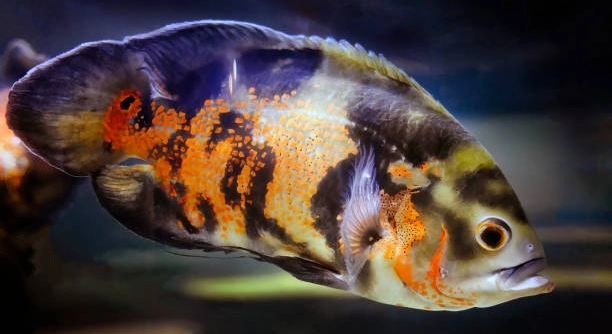
Cichlids are known for their vibrant colors and unique personalities, often bringing life and energy to any aquarium. Observing their behavior can reveal subtle signs that indicate whether they are truly comfortable and thriving in their environment.
Cichlids display specific behaviors when they feel secure, including relaxed swimming patterns, consistent feeding habits, and active interaction with their surroundings. Recognizing these cues can provide insight into their well-being and overall comfort within the tank.
Noticing these small quirks can deepen your understanding of your cichlids’ needs and help maintain a harmonious aquarium environment for years.
Gentle and Relaxed Swimming
When cichlids feel comfortable, their movements in the tank become calm and deliberate. They glide smoothly through the water without sudden jerks or frantic bursts, often exploring their environment with curiosity rather than fear. Comfortable cichlids may hover near plants or decorations, occasionally inspecting their surroundings. They maintain steady positions in open water, showing they are confident in the space they occupy. This behavior contrasts sharply with stressed cichlids, which often hide behind rocks or dart around the tank. Observing swimming patterns over time helps determine whether your fish feel at ease. Additionally, consistent swimming near the middle of the tank indicates trust in the environment and reassurance that their basic needs, such as food and shelter, are met. Tank mates that interact peacefully also suggest that social dynamics are stable. By paying attention to these movements, you can assess both physical health and comfort levels. These observations can be subtle but are highly reliable indicators of contentment.
Steady, calm swimming shows confidence and security. Cichlids that move slowly and deliberately are generally comfortable in their tank environment and feel safe.
Watching your cichlids glide peacefully is rewarding. Their relaxed exploration shows they are comfortable and thriving. Noticing these behaviors allows you to adjust tank conditions if necessary, ensuring long-term health. You may also see them interacting with others calmly, which reflects stability in the tank. This simple observation can improve your ability to respond to their needs. Tracking these patterns consistently provides insight into their moods, stress levels, and general well-being. Cichlids that swim confidently are less likely to develop illness or injury caused by stress or overcrowding. By providing proper space, hiding spots, and appropriate water conditions, you encourage natural swimming behavior. This behavior also helps them feed efficiently, engage in social interactions, and exhibit natural coloration. Observing gentle swimming is one of the clearest ways to know that your cichlids are genuinely comfortable and content in their aquatic home.
Consistent Feeding Behavior
Comfortable cichlids eat steadily and without hesitation, accepting food as it is offered. They approach feeding times with confidence and rarely show signs of aggression or stress.
Regular feeding patterns reflect a stable and healthy environment. Cichlids that consume their food consistently are likely comfortable and secure.
When cichlids eat without hesitation, it indicates that they feel safe in the tank. Comfort allows them to focus on feeding rather than fleeing or hiding. Observing eating habits can reveal stress levels, health issues, or social tension within the aquarium. Comfortable cichlids often eat in groups, displaying calm interactions with tank mates. This behavior shows that hierarchy and territory are well established, reducing competition or fear. Monitoring portion sizes and consumption rates can help prevent overfeeding and maintain water quality. It also allows you to notice early signs of illness, as sudden changes in appetite are often linked to discomfort or disease. By maintaining consistent feeding schedules, providing high-quality food, and ensuring each fish has access without disturbance, you support their overall comfort. Feeding behavior is not only a practical indicator of well-being but also reinforces a stable, stress-free environment, encouraging natural growth and activity.
Exploring Hiding Spots
Cichlids often use caves or plants as safe zones. Comfortable fish retreat occasionally but remain visible, showing confidence rather than fear.
When cichlids explore hiding spots without hesitation, it indicates they feel secure. They may swim in and out, inspecting rocks, driftwood, or dense plants. This behavior is different from stressed fish that permanently hide and avoid interaction. Comfortable cichlids balance curiosity with caution, using shelters when needed but returning to open areas. Providing multiple hiding places supports natural instincts and reduces stress during social interactions or feeding. Observing this balance helps gauge comfort levels and ensures the tank layout meets their needs, promoting both safety and freedom of movement.
This pattern of exploring while occasionally retreating reflects a healthy environment. Cichlids that confidently use hiding spots show they trust the surroundings and feel protected. Their interactions with tank mates and environment remain calm, indicating social and spatial comfort. Monitoring these behaviors allows you to adjust décor, territory boundaries, and plant placement. Ensuring adequate shelters while maintaining open swimming areas encourages natural behavior, boosts confidence, and minimizes aggression. Comfortable cichlids are more active, visually vibrant, and less prone to illness, highlighting the importance of providing diverse spaces.
Subtle Color Changes
Cichlids’ colors can shift slightly when they are relaxed. Comfortable fish display steady, vibrant hues without drastic fading or darkening.
Stable coloration is a reliable indicator of comfort. When fish feel secure, pigments remain even, reflecting good health and low stress levels.
Observing subtle color changes helps identify comfort levels. Comfortable cichlids maintain consistent tones, especially during interactions with tank mates. Stress, illness, or environmental changes often cause sudden darkening, dulling, or uneven patterns. Fish that feel at ease may also show brighter highlights around fins and body markings. Lighting and water quality can influence color, but stable, vibrant patterns generally indicate a healthy and secure fish. Monitoring these shifts over time allows for early detection of issues, ensuring that tank conditions, diet, and social dynamics support overall well-being. Consistent coloration reflects both physical and emotional comfort.
Interaction with Tank Mates
Comfortable cichlids interact calmly with others, showing little aggression. They maintain personal space while swimming and feeding alongside tank mates.
Peaceful social behavior indicates a stable environment. Fish that display relaxed interactions are confident and feel secure in their surroundings.
Flaring and Displaying
Cichlids sometimes flare fins or show body displays. When done sparingly and without aggression, it signals confidence and comfort rather than stress or threat.
Resting Periods
Comfortable cichlids take brief resting periods near the bottom or within plants. These moments of stillness indicate they feel safe in the tank.
How can I tell if my cichlid is comfortable in its tank?
Comfortable cichlids show consistent behaviors, including calm swimming, steady feeding, and gentle interaction with tank mates. They explore their environment without panic, use hiding spots confidently, and maintain steady coloration. Observing these patterns over time provides insight into their well-being and helps ensure the tank environment supports their needs.
Why does my cichlid hide often?
Hiding is normal for cichlids, especially if they feel slightly insecure or are establishing territory. Comfortable cichlids hide briefly but return to open areas, exploring without hesitation. Extended or constant hiding may indicate stress, illness, or aggression from other fish, signaling that adjustments to the tank setup or social dynamics may be needed.
What does it mean when my cichlid flares its fins?
Flaring is a natural display of confidence and territorial awareness. In a relaxed, comfortable fish, flaring is brief and not accompanied by aggression. Excessive or prolonged flaring can indicate stress, a lack of space, or disputes with tank mates, while controlled displays show that the fish feels secure.
Is color change a sign of stress in cichlids?
Sudden or darkened color changes often indicate stress, illness, or poor water conditions. Comfortable cichlids maintain steady, vibrant coloration and may even show brighter highlights when relaxed. Monitoring color over time helps identify early signs of discomfort or health issues and ensures the environment supports overall well-being.
How important is feeding behavior in assessing comfort?
Feeding behavior is one of the clearest indicators of comfort. Confident cichlids approach food consistently, eat without hesitation, and interact peacefully with tank mates during feeding. Irregular appetite, hesitation, or hiding during feeding can point to stress, illness, or social tension within the tank, requiring adjustments to diet or environment.
Do cichlids need hiding spots to feel comfortable?
Yes. Adequate hiding spots reduce stress and provide a sense of security. Comfortable cichlids explore shelters without fear, returning to open water naturally. Rocks, caves, and dense plants allow them to establish personal space, reducing aggression and promoting natural behavior. Balancing hiding spots with swimming areas supports both safety and activity.
Can tank mates affect a cichlid’s comfort?
Absolutely. Peaceful social interactions with compatible tank mates indicate comfort, while excessive aggression or bullying causes stress. Comfortable cichlids maintain personal space, swim calmly around others, and feed without competition. Choosing species with compatible temperaments and ensuring enough space helps maintain a stable, stress-free environment for all fish.
How do resting periods reflect comfort?
Cichlids that feel secure take brief resting periods in plants, near the bottom, or behind rocks. These moments of stillness reflect trust in their surroundings and a stable tank environment. Fish that are constantly on edge or avoiding rest may be experiencing stress or discomfort, highlighting the importance of observing their natural rhythms.
What role does tank setup play in cichlid comfort?
Tank setup directly influences comfort. Proper space, hiding spots, water quality, and compatible tank mates all contribute to a secure environment. Comfortable cichlids show natural swimming, feeding, and resting behaviors. Poor setups lead to stress, aggression, and health issues, making adjustments essential for maintaining a healthy, content aquarium.
How can I encourage my cichlid to show comfort behaviors?
Ensure water parameters are stable, provide sufficient hiding spots, and maintain a consistent feeding routine. Observe social interactions to prevent bullying. Comfortable cichlids respond positively to these conditions, displaying calm swimming, vibrant coloration, and relaxed social behavior. Patience and careful observation allow them to thrive naturally.
What are early warning signs that my cichlid is uncomfortable?
Indicators include sudden color changes, excessive hiding, erratic swimming, loss of appetite, or aggressive behavior. These signs suggest stress or health issues. Observing these behaviors early allows for timely adjustments to tank conditions, diet, or social dynamics, helping the cichlid regain comfort and maintain long-term health.
Can observing minor quirks really help in caring for cichlids?
Yes. Small behaviors like gentle fin flaring, brief hiding, or subtle color highlights are reliable indicators of comfort. Paying attention to these details allows for better management of tank conditions, feeding, and social dynamics. Recognizing minor quirks ensures cichlids remain healthy, secure, and stress-free over time.
How often should I monitor my cichlid’s comfort?
Daily observation is ideal. Watching swimming patterns, feeding habits, interactions, and color changes regularly provides valuable information about their well-being. Consistent monitoring helps identify stressors early, allowing adjustments before problems escalate, ensuring a stable and comfortable environment for all tank inhabitants.
Can water quality alone influence comfort?
Yes. Stable temperature, proper pH, and clean water are critical. Poor water conditions cause stress, illness, and abnormal behavior. Comfortable cichlids thrive in a clean, balanced tank, showing calm swimming, steady feeding, and normal coloration. Regular maintenance directly supports their overall comfort and health.
Does tank size impact cichlid comfort?
Tank size is crucial. Crowded spaces increase stress and aggression, while appropriately sized tanks allow natural swimming, territorial behavior, and interaction with hiding spots. Comfortable cichlids in a well-sized tank show calm movement, confident exploration, and steady social interactions, highlighting the importance of adequate space for each fish.
Are there signs that a cichlid feels secure but not entirely healthy?
Yes. A fish may swim confidently, explore hiding spots, and interact calmly but still show subtle health issues like reduced appetite, slight discoloration, or minor fin wear. Observing both behavior and physical condition is important to distinguish comfort from underlying health concerns.
How can diet influence comfort?
A balanced diet ensures energy, vitality, and normal behavior. Comfortable cichlids eat consistently, show natural coloration, and maintain active swimming patterns. Poor diet can lead to lethargy, irregular appetite, and stress, negatively affecting comfort and overall health, making nutrition a key factor in maintaining a stable environment.
Is it normal for comfortable cichlids to be occasionally shy?
Yes. Even secure cichlids may briefly retreat or pause in new areas or around unfamiliar tank mates. Short-term shyness is part of natural behavior. Consistent observation ensures these moments are temporary and not signs of chronic stress or illness, allowing for a balanced and supportive tank environment.
How do I balance activity and rest in a cichlid tank?
Providing a mix of open swimming areas and sheltered hiding spots encourages natural cycles. Comfortable cichlids alternate between active exploration and brief resting periods, maintaining energy and confidence. Observing these patterns ensures that tank layout, social dynamics, and environmental conditions meet both activity and security needs.
Can environmental enrichment improve comfort?
Yes. Adding plants, rocks, and caves encourages exploration, reduces stress, and supports natural behavior. Comfortable cichlids interact with these elements confidently while maintaining calm social interactions. Thoughtful enrichment contributes to physical and mental stimulation, promoting vibrant coloration, steady feeding, and overall well-being in the aquarium.
What should I avoid to maintain cichlid comfort?
Avoid overcrowding, frequent water fluctuations, aggressive tank mates, and poor diet. These factors cause stress, erratic behavior, and health problems. Maintaining stable water conditions, providing hiding spots, and monitoring social interactions supports comfort and ensures cichlids remain calm, active, and healthy in their environment.
How can observation improve long-term comfort for cichlids?
Regular observation allows early detection of stress, illness, or social tension. By noting swimming, feeding, coloration, and interaction patterns, you can adjust tank conditions proactively. This ongoing attention ensures a stable, comfortable environment where cichlids thrive physically and behaviorally, promoting longevity and overall well-being.
Caring for cichlids involves more than providing food and clean water. Observing their behavior closely is essential to understanding how comfortable they are in their environment. Small actions, like relaxed swimming, confident exploration of hiding spots, and calm interaction with tank mates, are key indicators of their well-being. When these behaviors are consistent, they reflect a secure and healthy fish. Even subtle signs, such as slight color highlights or brief resting periods, provide valuable information about their comfort level. Paying attention to these details allows adjustments to the tank setup, social groupings, and feeding routines, helping the cichlids thrive naturally.
Providing an appropriate environment is just as important as monitoring behavior. Adequate tank size, clean water, proper temperature, and hiding spots all contribute to the overall comfort of cichlids. When fish have space to swim freely and areas to retreat to when they feel the need, they can display natural behaviors without stress. Social dynamics also play a significant role. Fish that coexist peacefully with compatible tank mates demonstrate confidence and security, whereas aggressive interactions or overcrowding can lead to stress and even illness. Consistently maintaining these environmental factors ensures that cichlids remain healthy, active, and visually vibrant, reflecting their comfort and stability in the tank.
Monitoring and maintaining comfort is an ongoing process. Regular observation allows you to notice changes in swimming patterns, feeding habits, or coloration, which can signal stress, illness, or environmental issues. Adjusting water quality, tank layout, or diet in response to these observations can prevent problems before they escalate. Understanding the natural quirks of cichlids, such as occasional flaring, brief hiding, or resting periods, helps in interpreting their behavior accurately. By combining careful observation with proper environmental care, you can ensure that your cichlids live in a stable, secure, and comfortable habitat where they can grow, interact, and display their natural personalities fully. This approach supports their long-term health and promotes a harmonious aquarium environment.

Hello,
If you enjoy the content that we create, please consider saying a "Thank You!" by leaving a tip.
Every little bit helps us continue crafting quality advice that supports the health, happiness, and well-being of pets around the world, for pets of all shapes, sizes, and species.
We really appreciate the kindness and support that you show us!