
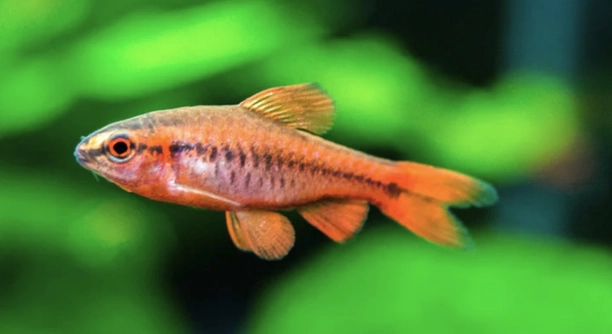
Setting up a tank for Cherry Barbs can be an exciting experience for beginners. However, it’s easy to make mistakes that can affect the health and well-being of your fish. Knowing what to avoid is key to success.
One of the most common mistakes beginners make when setting up a Cherry Barb tank is not properly preparing the environment for the fish. This includes factors like water quality, tank size, and temperature. Proper setup ensures their health and longevity.
There are simple ways to avoid mistakes that could affect your Cherry Barbs. Learning about water conditions, filtration, and tank mates will make the process smoother. These tips will help you create a thriving environment for your fish.
Overcrowding the Tank
One of the most common mistakes beginners make is overcrowding the tank with too many Cherry Barbs. Cherry Barbs are active swimmers, and if the tank is too small, they won’t have enough space to swim comfortably. This can lead to stress, which weakens their immune system and increases their susceptibility to diseases. The minimum recommended tank size for a small school of Cherry Barbs is 20 gallons, with an additional 10 gallons for each extra fish. Overcrowding not only affects the fish’s health but also makes it harder to maintain good water quality, which can result in algae blooms and increased waste levels.
A larger tank provides better conditions for both the fish and the tank owner, allowing for more stable water parameters. Giving your Cherry Barbs plenty of space will encourage natural behaviors, reduce stress, and help them thrive.
Avoid overcrowding by carefully planning the number of fish you add to the tank. Always consider both the size of the tank and the adult size of the fish before making additions. This will ensure the tank remains a comfortable, healthy environment for everyone.
Improper Water Conditions
Another mistake beginners make is neglecting the water conditions. Cherry Barbs are sensitive to water parameters, especially pH, hardness, and temperature. The ideal pH for Cherry Barbs is between 6.0 and 7.5, with a water temperature ranging from 72 to 80°F. If the water is too acidic or too alkaline, or if the temperature fluctuates too much, it can cause stress to the fish. Stress weakens their immune system, making them more vulnerable to illness.
It’s important to test the water regularly and make adjustments as needed. Using a reliable water testing kit will help you monitor the pH, ammonia, nitrite, and nitrate levels. You can also use a heater to maintain the proper temperature and a filtration system to keep the water clean. Make sure to perform regular water changes to keep the tank fresh and healthy.
Maintaining stable water conditions is essential for Cherry Barbs to thrive. Regular testing and adjustments will prevent problems and promote the overall health of your tank. When water conditions are optimal, your fish will be more active and vibrant, making for a much more enjoyable aquarium experience.
Choosing the Wrong Tank Mates
Choosing tank mates for your Cherry Barbs is crucial. While they are generally peaceful, adding overly aggressive or large fish can lead to stress and even injury. Fish like cichlids or large tetras may see the Cherry Barbs as food or territory invaders.
Cherry Barbs thrive with peaceful species like rasboras, danios, or small catfish. Avoid adding fish that are too territorial or aggressive, as they can bully the Cherry Barbs. Keeping a peaceful community will reduce stress and prevent injuries. Always research a fish’s temperament and adult size before introducing it to the tank.
Additionally, keeping too many species in the tank can lead to overcrowding and competition for resources like food and hiding spots. It’s best to maintain a balanced, harmonious environment. If your tank is crowded or contains aggressive fish, your Cherry Barbs may become stressed and stop displaying their natural behaviors.
Inadequate Filtration
An effective filtration system is key to keeping a healthy tank. Without proper filtration, harmful substances like ammonia and nitrates can build up, leading to poor water quality and health issues for your Cherry Barbs. A filter helps remove excess waste, maintain water clarity, and ensure the tank remains a safe environment.
Make sure to select a filter that’s appropriate for the size of your tank. A filter that’s too weak won’t properly clean the water, while one that’s too strong could create current issues. Cherry Barbs prefer calm water, so ensure the filter provides gentle water movement. Clean the filter regularly to maintain its effectiveness and efficiency.
Without a proper filtration system, it’s easy for toxins to build up, causing stress and illness. The quality of your fish’s environment has a direct impact on their health. A good filtration system ensures that harmful substances are removed, and oxygen levels are maintained, promoting the well-being of your Cherry Barbs.
Overfeeding the Fish
Overfeeding is a common mistake that can cause problems for your Cherry Barbs. Excess food can lead to poor water quality, as uneaten food breaks down and creates harmful waste. It can also result in obesity for the fish, impacting their health and behavior.
Feed your Cherry Barbs small amounts of food once or twice a day. Make sure they eat everything within a few minutes. If food is left behind, you’re likely overfeeding. Removing uneaten food after feeding will help maintain clean water and keep the tank in balance.
The right feeding routine also prevents excess waste and ensures your fish stay active and healthy.
Lack of Plant Life
Cherry Barbs enjoy a well-planted tank. Plants not only provide hiding spots but also help maintain water quality by absorbing nitrates. Without adequate plants, the tank can become too sterile, and the fish may feel stressed or exposed.
Adding live plants like Java ferns or Anubias can create a more natural, calming environment. These plants also offer shelter for the fish to retreat to when they feel threatened. A healthy balance of plants helps the tank ecosystem thrive, providing both aesthetic appeal and functional benefits.
Incorrect Lighting
Proper lighting is essential for both your Cherry Barbs and plants. Too much light can cause algae growth, while too little light may hinder plant growth. You should aim for moderate lighting to keep the tank’s balance in check.
For a 20-gallon tank, providing about 8-10 hours of light per day is ideal. This mimics a natural day-night cycle and prevents algae buildup. A timer can help maintain a consistent lighting schedule. Avoid placing the tank in direct sunlight, as this can lead to overheating and increased algae growth.
FAQ
How many Cherry Barbs should I keep together?
Cherry Barbs are social fish and should be kept in groups of at least five to six. A larger school of Cherry Barbs will help them feel more comfortable and reduce stress. Keeping them in groups allows them to display their natural behaviors, and they will be more active when they feel safe with their own kind. For smaller groups, one or two fish may not thrive as well, as they will likely feel exposed and anxious. It’s also important to note that adding too many fish in a small tank can cause overcrowding, so make sure your tank size is appropriate for the number of Cherry Barbs you intend to keep.
What size tank is best for Cherry Barbs?
The ideal tank size for Cherry Barbs is at least 20 gallons for a small group. Larger tanks provide more space for the fish to swim freely, reducing stress and allowing for better water quality. If you plan on adding other species to the tank, you may need to increase the size to ensure enough room for all the fish. It’s important to remember that a bigger tank also helps maintain stable water conditions, which are crucial for the health of your Cherry Barbs. A 20-gallon tank is a good starting point for a small group, but you can go larger if you want to create a more varied community.
Can Cherry Barbs live with other fish?
Yes, Cherry Barbs can live with other peaceful fish. They are generally non-aggressive and do well in a community tank with species like rasboras, tetras, danios, and catfish. However, they should not be kept with overly aggressive or large fish, as these can intimidate or harm them. It’s best to avoid adding large cichlids or aggressive species like bettas, as they may see the Cherry Barbs as competition for food or territory. When choosing tank mates, make sure they are similar in size and temperament to ensure a harmonious environment.
What is the best water temperature for Cherry Barbs?
Cherry Barbs thrive in water temperatures between 72°F and 80°F (22°C – 27°C). It’s important to maintain a stable temperature, as fluctuations can cause stress and negatively affect their health. A reliable aquarium heater is essential to keep the water within this range, especially in cooler environments. Temperature stability is just as important as the ideal temperature itself. Try to avoid drastic changes in water temperature, as they can be harmful to the fish. A thermometer in the tank will help you monitor the water and ensure it stays at a consistent temperature.
Do Cherry Barbs need a lot of filtration?
Yes, Cherry Barbs require good filtration to maintain clean and healthy water. While they are not particularly sensitive to water flow, a filter will help keep the tank free of waste and excess nutrients, which can lead to poor water quality and algae growth. The filter should be appropriate for the size of the tank. It should provide enough water movement without creating strong currents, as Cherry Barbs prefer calmer water. Regular maintenance of the filter, such as cleaning and replacing the filter media, is essential to ensure its effectiveness. Also, performing regular water changes will help maintain optimal water conditions.
Can Cherry Barbs live in cold water?
Cherry Barbs are tropical fish, so they do not tolerate cold water well. They require warm water to thrive, with temperatures ranging from 72°F to 80°F (22°C – 27°C). If the water temperature drops too low, the fish can become sluggish, stressed, and more prone to diseases. For cold-water aquariums, Cherry Barbs are not the ideal choice. If you want to keep them in an environment with cooler temperatures, a heater is necessary to maintain the proper water temperature. Keep in mind that sudden temperature fluctuations should be avoided to prevent harming the fish.
How often should I feed Cherry Barbs?
Cherry Barbs should be fed once or twice a day, offering them small amounts of food they can consume in 2 to 3 minutes. Overfeeding can cause poor water quality and health problems, so it’s important to avoid giving them too much food. A varied diet that includes high-quality flakes, pellets, and occasional live or frozen foods like brine shrimp or daphnia will provide balanced nutrition. It’s also helpful to feed them different types of food to ensure they get all the essential nutrients. If there’s any leftover food in the tank after feeding, be sure to remove it to keep the water clean.
How long do Cherry Barbs live?
Cherry Barbs typically live for about 3 to 5 years, though some may live longer with proper care. The key to ensuring a long lifespan for your Cherry Barbs is maintaining stable water conditions, offering a balanced diet, and preventing stress. Regular water changes, tank maintenance, and avoiding overcrowding will help them live a healthy life. Keeping the fish in a peaceful environment with compatible tank mates and preventing common health issues will also increase their chances of living a full, healthy life.
Are Cherry Barbs easy to breed?
Breeding Cherry Barbs can be fairly easy for experienced aquarists, but it may take some preparation. To encourage breeding, you’ll need to provide a separate breeding tank with soft, slightly acidic water. The temperature should be raised to around 78°F (25°C) to mimic their natural breeding conditions. Cherry Barbs typically breed in the morning after a water change. The female will lay eggs on plants or the aquarium glass, and the male will fertilize them. Once the eggs are laid, it’s a good idea to remove the parents to prevent them from eating the eggs. After a few days, the eggs will hatch, and the baby fish (fry) can be fed infusoria or baby brine shrimp until they are large enough to eat normal fish food.
Are Cherry Barbs hard to care for?
No, Cherry Barbs are relatively easy to care for, making them a great choice for beginners. As long as you maintain stable water conditions, provide a balanced diet, and keep the tank clean, they should thrive. Cherry Barbs are hardy fish that can adapt to a variety of tank setups, but they do require some basic care to ensure their well-being. Monitoring water quality, avoiding overfeeding, and choosing appropriate tank mates will make the care process even easier. With the right setup, Cherry Barbs can live long, healthy lives in your aquarium.
Final Thoughts
Taking care of Cherry Barbs is a rewarding experience, but it’s important to avoid some common mistakes that can impact their health. By understanding their needs and making sure the tank is properly set up, you can create an environment where these fish will thrive. Remember, things like tank size, water quality, and the right tank mates are essential for keeping your Cherry Barbs healthy. A well-maintained tank not only helps your fish stay happy, but it also makes caring for them easier in the long run.
When setting up a Cherry Barb tank, planning ahead is key. Make sure the tank is big enough to give them space to swim and that the water conditions are ideal. A filter is also necessary to keep the water clean and oxygenated. Adding plants to the tank can help mimic their natural environment, providing hiding spots and helping with water quality. Avoid overfeeding, as leftover food can pollute the water. Regular water changes are important, too, as they keep the water fresh and help remove toxins.
By following these simple steps, you’ll be able to provide a great home for your Cherry Barbs. They are peaceful fish that do well in a community tank, making them a wonderful addition to your aquarium. With some basic care and attention to detail, your Cherry Barbs will live long, healthy lives. Whether you’re a beginner or an experienced fishkeeper, keeping Cherry Barbs is a satisfying way to add beauty and life to your tank. Just remember to monitor the water conditions, choose tank mates carefully, and avoid overcrowding to ensure your fish remain stress-free and happy.

Hello,
If you enjoy the content that we create, please consider saying a "Thank You!" by leaving a tip.
Every little bit helps us continue crafting quality advice that supports the health, happiness, and well-being of pets around the world, for pets of all shapes, sizes, and species.
We really appreciate the kindness and support that you show us!