
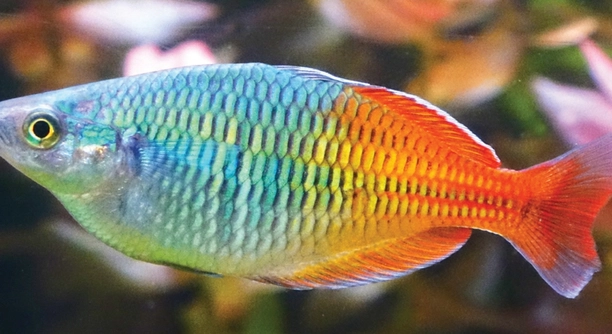
Upgrading your rainbow fish tank doesn’t have to break the bank. With a few simple, budget-friendly ideas, you can make your aquarium more vibrant and appealing to both you and your fish.
To upgrade your tank, focus on cost-effective improvements such as adding plants, updating lighting, and investing in DIY decorations. These affordable upgrades can enhance the tank’s aesthetic while improving the overall health and well-being of your fish.
These simple tips will allow you to create a more vibrant and healthier environment for your rainbow fish without spending too much.
Adding Live Plants for Natural Beauty
One of the easiest and most effective ways to upgrade your rainbow fish tank is by incorporating live plants. They not only provide a natural look but also contribute to a healthier aquarium. Live plants absorb excess nutrients from the water, reducing the likelihood of algae growth. They also help oxygenate the water, creating a more balanced environment for your fish.
Adding plants can be done on a budget, with options such as Java moss, Anubias, or Amazon swords. These plants are easy to maintain and grow well in most aquarium setups. Place them in the background or along the edges of your tank for a fuller, more vibrant look.
With a few well-chosen plants, you can create an aesthetically pleasing environment for your fish while benefiting from their natural filtration. Plus, it’s a great way to give your tank a fresh, green appeal. Incorporating live plants will make your rainbow fish tank feel more like a slice of nature.
Enhancing Lighting for Vibrancy
Upgrading your lighting setup can make a huge difference in the appearance of your tank. Proper lighting can bring out the vivid colors of your rainbow fish and plants, making them appear more vibrant. It also improves the overall aesthetic of the aquarium.
The right lighting can make your tank appear brighter and more lively. A combination of LED lights is often enough to create a stunning display. Avoid excessive light intensity, as it can cause algae to bloom.
Adding DIY Decorations
DIY decorations are a great way to personalize your rainbow fish tank without spending much. Whether it’s using rocks, driftwood, or even homemade caves, there are plenty of ways to create unique and functional pieces. These items add both beauty and hiding spots for your fish.
Natural materials, such as smooth rocks and pieces of driftwood, can create a more realistic environment. They also provide your fish with hiding spaces, helping reduce stress and make them feel more secure. Adding a few simple decorations gives your tank character without overcrowding it.
Avoid using anything sharp or chemically treated, as it could harm your fish. A well-placed DIY decoration can enhance the aesthetic appeal of the tank while benefiting the overall health of the aquarium. Just ensure that all materials are safe for aquatic environments.
Changing the Substrate for Better Filtration
Changing the substrate in your tank can improve water quality and create a healthier environment for your rainbow fish. Opt for fine gravel or sand, which provides better filtration and allows plant roots to grow more effectively. Substrate can trap debris, helping maintain cleaner water.
The right substrate also supports beneficial bacteria that help break down waste. It can also create a more natural-looking habitat for your fish, making them feel more comfortable. Over time, the substrate becomes an essential part of the filtration process, improving water quality and providing the right conditions for both plants and fish.
Switching to a higher-quality substrate is an investment that pays off in the long run. It helps maintain water clarity and provides a better foundation for plants to thrive. Even small changes in substrate can have a significant impact on your tank’s ecosystem.
Using Filter Upgrades
Upgrading your filter can drastically improve water quality in your rainbow fish tank. A more powerful filter removes debris, excess nutrients, and waste more efficiently. This will reduce the frequency of water changes and help maintain a healthier, cleaner environment for your fish.
When choosing a filter, consider the size of your tank and the flow rate. Filters with adjustable flow rates are beneficial for preventing excessive water movement, which can stress out your fish. A well-maintained filter ensures that your tank stays clean and the water remains clear, which is vital for your fish’s health.
Adding Shrimp or Snails
Adding shrimp or snails to your tank can help with algae control. They are natural cleaners that will help keep the tank spotless without requiring much attention. Additionally, they offer a different layer of activity in the tank, enhancing its dynamic.
Shrimp and snails not only clean up algae, but they also help with detritus. They scavenge leftover food and organic matter, preventing buildup in the substrate. This reduces the amount of waste in the tank, making it easier to maintain water quality.
Installing a CO2 System
Adding a CO2 system to your tank helps plants thrive and boosts the health of your aquarium. With a CO2 system, your plants will grow faster and more efficiently, creating a healthier environment for your fish. It also enhances the tank’s overall aesthetic.
A CO2 system is a great investment if you have live plants. It will allow your plants to absorb more nutrients, keeping your tank’s water chemistry balanced. In turn, the plants create oxygen, which benefits the fish. This upgrade can give your tank a more vibrant, lush look.
FAQ
What are the best plants for a rainbow fish tank?
Java moss, Anubias, and Amazon swords are excellent choices for a rainbow fish tank. These plants thrive in various water conditions and are easy to maintain. Java moss provides hiding spots and helps with water filtration, while Anubias and Amazon swords are hardy and add lush greenery to the tank. Live plants can also help absorb excess nutrients, reducing the chance of algae growth. Make sure to choose plants that can handle the water temperature and conditions of your tank for the best results.
How do I improve water quality in my rainbow fish tank?
Maintaining good water quality is crucial for the health of your rainbow fish. Regular water changes, along with efficient filtration, are key. A high-quality filter will remove debris and excess nutrients, ensuring cleaner water. It’s also important to monitor the water’s pH, temperature, and ammonia levels. Adding live plants can also improve water quality by absorbing excess nutrients and oxygenating the water. Avoid overfeeding your fish, as uneaten food can degrade water quality quickly. Regular testing and maintaining a consistent schedule will help keep your tank in balance.
Can I add any fish with my rainbow fish?
Rainbow fish are generally peaceful, but it’s important to choose compatible species. Small, non-aggressive fish like Corydoras catfish, tetras, or guppies work well with rainbow fish. Avoid aggressive species that may stress them out or compete for food. Be mindful of the size and temperament of any new additions. Also, make sure the fish share similar water conditions, such as pH and temperature, to prevent any stress. Researching the specific needs of both the rainbow fish and any potential tankmates will ensure a harmonious aquarium environment.
How often should I clean my rainbow fish tank?
The frequency of cleaning depends on the tank’s size, filtration, and the number of fish. Typically, you should do a partial water change once every one to two weeks, replacing 20-30% of the water. Regularly vacuuming the substrate and cleaning the filter will help maintain water quality. It’s important to monitor the water’s clarity and odor. If the water appears cloudy or there’s a strong fishy smell, it might be time for a more thorough cleaning. Make sure not to over-clean, as beneficial bacteria need to thrive for a stable tank environment.
What type of substrate is best for rainbow fish tanks?
For rainbow fish, a fine gravel or sand substrate works best. This type of substrate allows plants to root properly and helps prevent detritus buildup. It’s also easy to clean with a gravel vacuum. Rainbow fish prefer a smooth substrate, as rough materials can damage their delicate fins. If you plan to keep live plants, ensure the substrate is nutrient-rich to support their growth. You may also consider using a thin layer of nutrient-rich soil under the gravel to provide additional support for plant roots.
Do rainbow fish need a heater in their tank?
Yes, rainbow fish need a stable, warm environment. They thrive in water temperatures between 75°F and 80°F (24°C to 27°C). A heater is essential to maintain this temperature, especially in cooler climates or tanks that experience temperature fluctuations. Make sure the heater is appropriate for the size of your tank and check the temperature regularly to ensure it remains consistent. A stable water temperature is crucial for the health and activity of your rainbow fish.
How can I reduce algae in my rainbow fish tank?
Algae growth is a common issue in fish tanks, but there are ways to control it. First, make sure you’re not overfeeding your fish, as uneaten food leads to excess nutrients in the water. Using live plants like Anubias and Java moss can help absorb these nutrients and outcompete algae for resources. Regular water changes and good filtration are essential to prevent algae buildup. You can also add snails or algae-eating fish, such as Otocinclus, to help keep the tank clean. Reducing the amount of light your tank receives, especially direct sunlight, can also help control algae growth.
How much should I feed my rainbow fish?
Feed your rainbow fish small amounts of food 1-2 times per day, ensuring they can eat everything within 3-5 minutes. Overfeeding can cause water quality issues and lead to obesity in your fish. A varied diet is important to ensure your rainbow fish get the necessary nutrients. Offer a mix of high-quality pellets, flakes, and occasional frozen or live food like brine shrimp. Always remove any uneaten food to prevent it from decomposing in the tank and affecting the water quality.
What’s the best lighting for a rainbow fish tank?
Rainbow fish prefer moderate lighting, which brings out their vibrant colors and supports plant growth. LED lights with adjustable settings are a good option, as they provide enough brightness without being too harsh. Keep the lighting on a regular day/night cycle to maintain the tank’s natural rhythm. Avoid placing your tank in direct sunlight, as it can cause excessive algae growth. Ensure your lighting duration is around 8-10 hours per day to simulate a natural environment for both plants and fish.
Final Thoughts
Upgrading your rainbow fish tank doesn’t have to be expensive. With just a few simple changes, you can create a more vibrant, healthy, and enjoyable environment for your fish. Incorporating DIY decorations, upgrading the filter, and adding live plants or natural materials can go a long way in improving the overall aesthetics and water quality of your tank. Small changes like these not only benefit the fish but also create a space that you can enjoy looking at every day.
Choosing the right equipment and décor can significantly affect how your tank functions and how happy your fish are. For example, a better filter ensures cleaner water and healthier fish, while the right substrate can make a huge difference in plant growth and overall water quality. It’s important to balance beauty and functionality. The addition of plants, live animals like shrimp or snails, and a solid filtration system helps maintain a stable and healthy ecosystem. Simple DIY projects can enhance the natural feel of your tank without spending too much.
Ultimately, creating a beautiful and functional rainbow fish tank is about making smart, thoughtful decisions. Every addition should be made with the well-being of your fish in mind. Whether you choose to focus on improving water quality, adding new plants, or finding ways to make your tank more visually appealing, the goal is to provide a space where your fish thrive. Consistency is key in maintaining any aquarium. Regular maintenance, water changes, and monitoring the health of your fish will ensure that your tank stays in top condition.

Hello,
If you enjoy the content that we create, please consider saying a "Thank You!" by leaving a tip.
Every little bit helps us continue crafting quality advice that supports the health, happiness, and well-being of pets around the world, for pets of all shapes, sizes, and species.
We really appreciate the kindness and support that you show us!