
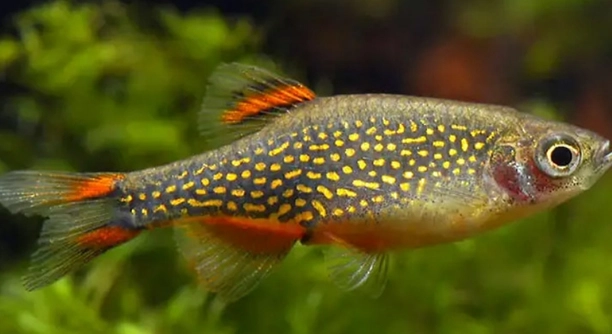
Keeping your danios healthy starts with clean water, but many fish owners worry about costs. Maintaining water quality doesn’t have to be expensive or complicated. Small, consistent changes can make a big difference in your aquarium’s environment.
Improving danio water quality can be achieved through simple, affordable methods. Regular partial water changes, proper filtration, controlled feeding, and monitoring water parameters are key. These practices prevent toxins from building up and ensure a stable, healthy habitat for your fish.
Even small adjustments can have a noticeable impact on your fish’s health and activity. Simple, budget-friendly strategies make caring for danios manageable and effective.
Regular Partial Water Changes
Performing regular partial water changes is one of the easiest ways to keep danio tanks clean. Replacing 20-30% of the water weekly helps remove excess nitrates and other waste that build up over time. It’s a simple routine that can greatly improve water clarity and fish health. Using a siphon or a small bucket makes the process quick and low-effort. Fresh water also replenishes minerals that fish need, keeping their environment stable. Even small, consistent changes make a noticeable difference in water quality. Remember to match the new water temperature to the tank to avoid stressing your danios. Many aquarists notice more active and colorful fish when water is changed regularly.
Even a 15-20 minute water change can improve oxygen levels and reduce harmful chemicals in the tank.
Sticking to a consistent schedule for water changes prevents sudden shifts in water parameters. Fish are sensitive to rapid changes, and partial changes avoid shocking them. Combine this with a gentle vacuuming of the substrate to remove debris. Over time, this simple method reduces algae growth and limits the buildup of toxins. Regular water replacement is affordable, requiring only a clean container and some dechlorinator. This approach allows you to maintain a healthy environment without expensive equipment or complicated routines, making it suitable for beginners and experienced fish keepers alike.
Proper Filtration
A good filter keeps water clear by removing waste and uneaten food efficiently.
Filters work by circulating water through mechanical, chemical, and biological media. Mechanical filtration traps debris, chemical filtration absorbs impurities, and biological filtration supports beneficial bacteria that break down harmful compounds. Choosing the right filter size for your tank is important, as underpowered filters won’t clean effectively, and oversized ones may create strong currents that stress danios. Cleaning the filter regularly is also essential to maintain its efficiency. Filters reduce manual cleaning and help maintain stable water conditions. Over time, proper filtration reduces odors and keeps water visually appealing. Investing in a reliable, low-cost filter is worth it, as it consistently maintains water quality without requiring constant attention.
Filters not only clean but also support the tank’s ecosystem. Beneficial bacteria grow on filter media, helping break down ammonia and nitrites. Without filtration, these compounds can reach dangerous levels, harming your danios. Regular maintenance of the filter, such as rinsing pads or replacing activated carbon, keeps it running smoothly. A well-chosen filter balances flow and efficiency, providing a healthy environment without overwhelming the fish. Even budget-friendly models perform well when maintained properly, making filtration a simple yet effective method to improve water quality over time.
Controlled Feeding
Overfeeding danios leads to excess waste and cloudy water. Feeding small portions once or twice a day keeps water cleaner and fish healthier.
Measuring food carefully prevents leftover bits from sinking to the substrate and decomposing. Uneaten food releases ammonia, which raises toxicity and encourages algae growth. Stick to amounts your danios can eat in two to three minutes. Even with small tanks, proper feeding reduces the need for frequent water changes. Over time, this practice maintains a stable environment, lowers stress for your fish, and keeps the tank visually appealing.
Using high-quality, nutritious food also supports digestion and reduces waste. Flake or pellet food specifically designed for danios ensures they receive essential nutrients without excess fillers that pollute water. Rotating foods occasionally, including freeze-dried or frozen options, adds variety without increasing waste. Controlling feeding amounts is simple and cost-effective, helping maintain healthy water parameters while keeping your fish active and bright.
Monitor Water Parameters
Testing water regularly helps catch problems before they become serious.
Keeping track of ammonia, nitrite, nitrate, and pH levels ensures the environment stays safe for danios. Sudden changes can stress fish or cause illness. Simple test kits are inexpensive and provide quick results, allowing timely adjustments. Regular monitoring lets you spot trends, such as rising nitrate levels, before they impact fish health. Maintaining stable parameters promotes vibrant, active danios and prevents long-term water quality issues.
Pay attention to temperature as well, since danios prefer slightly cooler water. Small heaters or aquarium thermometers help maintain a consistent range. If levels drift outside safe limits, partial water changes or adjusting feeding and filtration can correct problems quickly. Testing kits are easy to use, providing clear indicators when action is needed. Monitoring water parameters consistently supports a balanced ecosystem, reduces stress on fish, and minimizes costly interventions later. This routine is a simple, affordable way to protect the health and longevity of your danios.
Live Plants
Live plants absorb nitrates and add oxygen, helping maintain a healthier tank. They also provide hiding spots and reduce stress for danios.
Plants compete with algae for nutrients, limiting overgrowth and keeping water clearer. Fast-growing species are especially effective at improving overall water quality.
Gravel Cleaning
Debris and leftover food accumulate in gravel, affecting water quality. Regular vacuuming removes waste before it breaks down into harmful compounds. Cleaning the substrate every couple of weeks helps maintain a stable, healthy environment and prevents unpleasant odors from developing in the tank.
Avoid Overcrowding
Too many fish in one tank increases waste and reduces oxygen levels. Maintaining an appropriate number of danios ensures cleaner water and healthier, more active fish. Regularly checking tank population and adjusting accordingly prevents stress and water quality issues.
FAQ
How often should I change my danio tank water?
Water should be changed partially every week, around 20-30% of the tank volume. This helps remove accumulated waste and keeps nitrate levels low. Regular changes prevent toxins from reaching harmful levels and support stable water conditions, which are crucial for danio health.
What is the best type of filter for a danio tank?
A filter that provides mechanical, chemical, and biological filtration works best. Sponge filters or small hang-on-back filters are ideal for beginner setups. The key is to match filter size to tank volume and maintain it regularly to ensure consistent water quality.
Can I use tap water for water changes?
Yes, but always treat tap water with a dechlorinator before adding it to the tank. Chlorine and chloramine are harmful to fish. Matching the temperature of new water to the tank also prevents stress and sudden changes in water parameters.
How much should I feed my danios?
Feed only what they can finish in two to three minutes, once or twice a day. Overfeeding increases waste and leads to poor water quality. Using high-quality flake or pellet food ensures nutrition without excess debris that pollutes the tank.
How do I know if my water quality is poor?
Cloudy water, foul odor, algae overgrowth, or lethargic fish are signs of declining water quality. Testing for ammonia, nitrite, nitrate, and pH helps confirm issues. Regular monitoring prevents sudden problems and allows for timely corrections.
Are live plants necessary for danio tanks?
Live plants are not required but highly recommended. They absorb nitrates, produce oxygen, and offer hiding spots, reducing stress. Fast-growing plants help limit algae growth naturally and contribute to a more stable, balanced aquarium environment.
What is the ideal temperature for danios?
Danios thrive in slightly cooler water, typically between 64°F and 75°F (18°C–24°C). Maintaining a stable temperature prevents stress and supports metabolism, immunity, and overall activity. Sudden fluctuations can affect water quality indirectly by stressing the fish.
How do I prevent algae growth?
Algae can be controlled by limiting excess nutrients, avoiding overfeeding, and maintaining regular water changes. Live plants compete with algae for nutrients, and proper filtration reduces debris buildup. Light duration should also be monitored, keeping it to 8–10 hours daily.
Is overcrowding a problem for water quality?
Yes, too many fish increase waste production, reduce oxygen, and destabilize water parameters. Maintaining the recommended number of danios per tank size ensures clean water, healthier fish, and fewer problems with ammonia and nitrate spikes.
How often should I clean the gravel?
Gravel should be vacuumed every one to two weeks. Removing uneaten food and debris before it decomposes helps maintain water clarity and reduces harmful toxins. This simple step supports long-term water quality and keeps the tank environment healthy for danios.
Can I improve water quality without spending much money?
Yes, small steps like partial water changes, proper feeding, substrate cleaning, and regular filter maintenance are all inexpensive ways to maintain water quality. Using live plants or monitoring parameters with basic test kits adds minimal cost but significant benefits. Consistency is key to long-term success.
How do I test water parameters effectively?
Use simple liquid or strip test kits to monitor ammonia, nitrite, nitrate, and pH. Test weekly or more often if problems arise. Accurate measurements help prevent issues, guide interventions, and ensure a stable environment that supports healthy, active danios.
What should I do if ammonia or nitrite spikes?
Perform immediate partial water changes to dilute toxins. Check filter function and ensure beneficial bacteria are established. Reducing feeding temporarily and avoiding overcrowding helps stabilize levels. Regular monitoring after the spike ensures the tank returns to safe, healthy conditions quickly.
Can temperature affect water quality?
Yes, higher temperatures can reduce oxygen levels and accelerate waste decomposition, impacting water quality. Keeping temperature stable within the ideal range supports both water chemistry and fish health, making it easier to maintain a balanced aquarium.
Are cheap test kits reliable?
Affordable kits provide accurate results when used properly. Follow instructions carefully, store them correctly, and replace expired kits. Even basic kits help catch water quality issues early and prevent long-term problems, making them a practical investment for any danio keeper.
How do I maintain water quality in a small tank?
In smaller tanks, waste accumulates faster, so frequent partial water changes, careful feeding, and regular gravel cleaning are crucial. A properly sized filter and live plants help stabilize parameters. Consistent monitoring prevents rapid fluctuations and keeps the environment safe for danios.
What is the easiest long-term way to maintain clean water?
Consistent routines work best. Regular partial water changes, proper feeding, substrate cleaning, and filter maintenance provide stable water conditions. Adding live plants and monitoring parameters with test kits ensures the tank stays healthy over time, reducing stress and supporting active, vibrant danios.
Can I use aquarium additives to improve water quality?
Yes, some additives neutralize chlorine, detoxify ammonia, or support beneficial bacteria. Use them as directed and sparingly, as overuse can disrupt water balance. They complement regular maintenance but do not replace fundamental practices like water changes, cleaning, and proper feeding.
How do I know if my danios are stressed by poor water quality?
Signs include lethargy, loss of color, clamped fins, or unusual swimming patterns. Stress often occurs before visible water problems become severe. Monitoring fish behavior alongside water parameters allows for early interventions and keeps your tank safe and balanced.
Can live plants replace water changes?
Plants help absorb nutrients but cannot fully replace water changes. Regular partial water changes remove dissolved waste and replenish essential minerals. Combining plants with scheduled maintenance ensures the best water quality and supports long-term health for your danios.
Is there a simple routine to keep water quality stable?
Yes, weekly partial water changes, proper feeding, substrate cleaning, filter maintenance, and monitoring water parameters create a simple, effective routine. Adding live plants and maintaining stable temperature enhances stability. Following this routine consistently prevents issues and keeps danios healthy.
Are there inexpensive ways to boost water oxygen levels?
Yes, increasing surface agitation through filters or small air pumps improves oxygen exchange. Live plants also contribute oxygen during the day. Even simple adjustments like keeping water clean and avoiding overcrowding help maintain adequate oxygen levels for danios.
How often should I replace filter media?
Mechanical and chemical media should be replaced according to manufacturer guidelines, usually every few weeks to months. Biological media should be rinsed gently in tank water, not replaced entirely, to preserve beneficial bacteria. Proper maintenance ensures the filter continues supporting water quality effectively.
Can lighting affect water quality?
Yes, excessive light encourages algae growth, which impacts water clarity. Keeping light on for 8–10 hours daily, combined with regular maintenance and plants, helps control algae. Proper lighting also supports plant growth without disrupting the tank’s balance.
How do I balance plant and fish needs?
Choose plants that tolerate the same temperature and water parameters as danios. Fast-growing species help absorb nutrients efficiently, while providing shelter. Maintaining proper lighting, substrate, and occasional pruning keeps plants healthy without overwhelming the tank. Balance ensures both fish and plants thrive.
What is the most cost-effective method to improve water quality?
Partial water changes, careful feeding, substrate cleaning, filter upkeep, and simple test kits are the most affordable and effective methods. Adding live plants provides additional benefits without significant cost. Consistency in these routines ensures lasting results and a healthy environment for danios.
How do I prevent sudden water parameter shifts?
Make small, gradual changes during water replacement or when adjusting temperature. Avoid overfeeding or adding too many fish at once. Consistent routines, proper filtration, and monitoring help maintain stable water conditions, reducing stress and supporting the overall health of danios.
Can stress from poor water quality affect danio lifespan?
Yes, chronic exposure to high ammonia, nitrite, or nitrate levels weakens the immune system, reduces activity, and can shorten lifespan. Maintaining clean, stable water ensures healthier, longer-living fish, highlighting the importance of consistent maintenance and monitoring.
Are there signs that my tank is well-balanced?
Clear water, healthy active fish, minimal algae growth, and stable water parameters indicate a balanced tank. Plants thriving alongside danios also suggest the ecosystem is functioning well. Consistent routines help maintain this balance over time.
Can small tanks be maintained as easily as large tanks?
Yes, but small tanks require more frequent attention since waste accumulates faster. Partial water changes, proper feeding, gravel cleaning, and monitoring are especially important in small setups to maintain stable water quality. Consistency is key.
What should I do if nitrate levels remain high despite maintenance?
Increase water change frequency, clean the substrate thoroughly, and ensure filter efficiency. Adding fast-growing plants can also help absorb excess nitrates. Persistent monitoring helps prevent long-term stress or health issues for danios.
How do I choose low-maintenance plants for a danio tank?
Select hardy species that grow quickly and tolerate a range of temperatures and light conditions. Examples include Java moss, Anubias, and Hornwort. These plants thrive with minimal care while effectively supporting water quality.
Is it safe to mix danios with other fish while maintaining water quality?
Yes, if tank size allows and species produce similar waste levels. Avoid overcrowding or adding fish with drastically different requirements, as this can impact water quality and stress danios. Proper planning ensures a balanced tank environment.
Can using tap water conditioners improve water quality long-term?
Yes, conditioners remove chlorine and neutralize harmful compounds. They support beneficial bacteria and help maintain stable water chemistry. Used in combination with regular maintenance, they contribute to a safe and healthy environment for danios.
Are there natural ways to reduce ammonia in the tank?
Yes, partial water changes, live plants, reducing feeding, and maintaining a healthy filter all naturally limit ammonia buildup. Avoid overcrowding, and monitor water parameters to catch any spikes early. These methods are safe, effective, and low-cost.
How important is consistency in tank maintenance?
Consistency is critical. Regular water changes, feeding, substrate cleaning, filter upkeep, and monitoring parameters prevent sudden shifts, support fish health, and maintain overall water quality. Irregular routines lead to stress, algae, and declining conditions for danios.
What is the quickest way to recover poor water quality?
Partial water changes, filter cleaning, and temporarily reducing feeding are the fastest ways to stabilize water. Testing parameters afterward ensures levels are safe. Combining these steps with live plants accelerates recovery and prevents recurrence of issues.
How do I manage water quality when traveling?
Use automated feeders sparingly, perform a water change beforehand, and ensure filter function is reliable. Consider adding a few fast-growing plants to maintain balance. These precautions help maintain stable water conditions during short absences.
Is it necessary to use both plants and filters together?
Yes, filters handle mechanical and chemical waste efficiently, while plants absorb excess nutrients and provide oxygen. Combining both methods ensures optimal water quality and a healthier, more balanced environment for danios.
How can I reduce stress when improving water quality?
Make changes gradually, such as partial water replacements or adjusting feeding. Avoid overcrowding and maintain stable temperatures. Small, consistent improvements prevent shocking your fish while still enhancing water quality effectively.
Are there low-cost alternatives to commercial water conditioners?
Yes, natural dechlorination methods like letting water sit for 24 hours or using activated carbon can remove chlorine. However, for reliable results, low-cost commercial conditioners are recommended to ensure water is safe for danios.
How long does it take to see results from water quality improvements?
Visible improvements, such as clearer water and more active fish, can appear within a few days of consistent changes. Long-term stability and healthier fish are achieved through ongoing maintenance, not one-time fixes.
Can adding decorations impact water quality?
Decorations themselves have little effect if clean, but porous or unwashed items can harbor debris or chemicals. Always rinse or boil new decorations before adding them to avoid affecting water quality.
What is the simplest daily routine to keep water stable?
Check water temperature, observe fish behavior, and remove visible debris. Feed the correct amount and note any unusual changes. These simple steps maintain water quality with minimal effort.
Can stress from water changes be reduced?
Yes, match water temperature, change water gradually, and avoid sudden shifts in pH or chemicals. Gentle siphoning and slow replacement reduce stress while still improving overall water quality.
How often should I trim live plants?
Trimming should be done every few weeks to prevent overcrowding and decay. Regular pruning encourages healthy growth and helps maintain water quality by reducing decaying plant matter in the tank.
Are floating plants helpful for water quality?
Yes, floating plants absorb excess nutrients, reduce light intensity, and provide shade. They help control algae growth and contribute to a balanced aquatic environment, supporting cleaner water and healthier danios.
What is the impact of uneven feeding on water quality?
Uneven or inconsistent feeding leads to leftover food decaying in the substrate, increasing ammonia and nitrate levels. Sticking to small, measured portions prevents this problem and maintains stable water quality over time.
Can partial water changes alone keep the tank healthy?
Partial changes are essential but not sufficient alone. They must be combined with proper feeding, substrate cleaning, filtration, and monitoring to ensure long-term water quality and danio health.
How do I know if my filter is working efficiently?
Observe water flow, clarity, and the buildup of debris. Regular rinsing and maintenance of filter media ensure it continues removing waste effectively. If water becomes cloudy or fish seem stressed, check the filter immediately.
Can seasonal changes affect water quality?
Yes, temperature fluctuations and changes in household humidity can impact water conditions. Monitoring parameters more frequently during seasonal transitions helps maintain stable water quality and reduces stress for danios.
What is the best way to acclimate new fish to maintain water quality?
Float the bag in the tank to equalize temperature, gradually mix tank water with the bag over 20–30 minutes, then release the fish. This prevents sudden changes that could impact water chemistry and overall quality.
How do I manage water quality with live plants and algae?
Trim plants regularly, remove dead leaves, and maintain proper lighting. Balance nutrients through careful feeding and water changes. Algae control improves clarity without harming plants, keeping the tank clean and healthy for danios.
Is weekly testing enough for water quality?
For stable, mature tanks, weekly testing is usually sufficient. Newly set up tanks or tanks with sensitive fish may require more frequent monitoring to ensure parameters remain safe and balanced.
Can adding snails or shrimp help water quality?
Yes, certain snails or shrimp consume algae and leftover food, contributing to cleanliness. However, they cannot replace regular maintenance or filtration and should be considered a supplementary method to support water quality.
How do I maintain water clarity without chemicals?
Regular partial water changes, substrate cleaning, proper feeding, live plants, and adequate filtration keep water clear naturally. Avoid overfeeding and overcrowding to minimize waste accumulation. Consistency ensures a healthy, clear tank without relying on chemical additives.
Can tap water temperature affect danio health?
Yes, water that is too hot or cold can stress fish, affecting metabolism and immune response. Matching the temperature to the tank during changes prevents sudden shocks and indirectly helps maintain water quality.
How can I make testing water easier?
Keep test kits accessible near the tank, maintain a simple log of results, and test consistently at the same time each week. This routine reduces errors and helps identify trends before problems escalate.
Are there risks to ignoring minor water quality issues?
Yes, small issues can quickly escalate into toxic conditions, causing stress, illness, or death. Early intervention through monitoring and routine maintenance prevents long-term damage and maintains a healthy environment.
How important is airflow for small danio tanks?
Airflow improves oxygen exchange at the surface. Even small tanks benefit from gentle surface agitation, either from a filter or small air pump, helping maintain healthy oxygen levels and water quality.
Can stress from tank cleaning affect danios?
Yes, sudden or aggressive cleaning can stress fish. Gentle substrate vacuuming, gradual water changes, and minimal disturbance during routine maintenance reduce stress while still improving water quality.
How do I prevent buildup in filter tubes and parts?
Rinse tubes and clean filter components periodically using tank water to remove debris. Avoid harsh chemicals, which can harm beneficial bacteria. This simple maintenance ensures filters continue to support water quality effectively.
What is the effect of overcrowding on ammonia levels?
Overcrowding produces more waste than the tank and filter can handle, causing ammonia spikes. Maintaining the recommended number of fish per tank volume is essential to keep water safe and stable.
How can I balance feeding and water quality in small tanks?
Feed small portions that can be eaten quickly, remove uneaten food promptly, and maintain frequent partial water changes. Combined with filter upkeep and monitoring, this balance prevents water pollution and supports fish health.
Can gravel type affect water quality?
Yes, fine gravel or sand can trap debris, while coarse gravel allows easier cleaning. Choose a substrate that suits both fish and cleaning habits to maintain optimal water conditions.
What should I do if water becomes cloudy after cleaning?
Cloudiness may result from disturbed substrate or beneficial bacteria disruption. Allow time for particles to settle, run the filter, and avoid adding more food until water clears. Regular maintenance reduces recurrence.
How do I combine live plants with proper feeding?
Feed measured portions and avoid overfeeding to prevent nutrient spikes. Live plants utilize leftover nutrients and reduce ammonia and nitrate accumulation, complementing feeding practices and supporting clean water.
Are there signs that plants are helping water quality?
Healthy, fast-growing plants, clear water, and reduced algae growth indicate plants are effectively absorbing nutrients and contributing to a balanced aquarium environment for danios.
Can seasonal lighting changes affect water quality?
Yes, longer or more intense light periods can boost algae growth. Adjust lighting to maintain 8–10 hours daily, keeping a balance between plant health and water clarity.
What is the role of beneficial bacteria in water quality?
Beneficial bacteria convert toxic ammonia and nitrites into less harmful nitrates. They establish in the filter and substrate, supporting a stable ecosystem. Proper cleaning routines maintain these bacteria without disrupting their function.
How do I safely remove debris without harming water quality?
Use a siphon or net to remove leftover food, plant matter, and waste gently. Avoid disturbing beneficial bacteria too much during cleaning. Regular, careful removal of debris keeps water clear and safe for danios.
Can water conditioners help with nitrate buildup?
Some conditioners detoxify nitrates temporarily, but they don’t remove them. Regular water changes, plants, and filtration remain the primary methods to control nitrate levels effectively.
Is it okay to mix water sources for changes?
Yes, combining treated tap water with dechlorinator and, if needed, aged water can help match
Maintaining clean and healthy water for your danios does not need to be expensive or complicated. Small, consistent actions like regular partial water changes, careful feeding, and proper filtration make a big difference over time. These practices remove waste, reduce toxins, and create a stable environment where your fish can thrive. Even simple steps like vacuuming the substrate or adding live plants help keep water clear and balanced. By keeping routines consistent, you can prevent sudden problems and reduce stress on your fish. This approach is practical for any tank size, whether small or large, and does not require costly equipment.
Observing your fish regularly also provides useful insight into water quality. Changes in behavior, color, or activity can indicate that something in the tank is off. Pairing these observations with frequent water testing helps you catch problems early, before they escalate. Simple test kits allow you to monitor ammonia, nitrite, nitrate, and pH levels, ensuring your tank stays within safe ranges. Proper temperature control is also essential, as even minor fluctuations can affect water chemistry and stress your danios. Maintaining a stable environment supports their immunity, activity, and overall lifespan, while reducing the likelihood of disease.
The methods to improve water quality are accessible and straightforward. Controlled feeding prevents excess waste, while a suitable filter ensures constant removal of debris and chemical impurities. Live plants provide additional support by absorbing nutrients and oxygenating the water. Regular maintenance combined with monitoring allows you to manage water quality effectively without relying heavily on chemicals or expensive tools. Over time, these practices create a healthier, more stable environment that promotes active and vibrant fish. By applying these strategies consistently, you not only protect your danios’ health but also enjoy a cleaner, more visually appealing aquarium. Healthy water makes caring for your fish easier and more rewarding in the long term.

Hello,
If you enjoy the content that we create, please consider saying a "Thank You!" by leaving a tip.
Every little bit helps us continue crafting quality advice that supports the health, happiness, and well-being of pets around the world, for pets of all shapes, sizes, and species.
We really appreciate the kindness and support that you show us!