
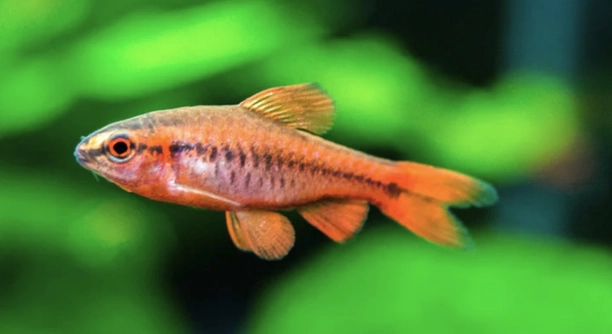
Are your cherry barbs swimming around bored despite your best efforts to keep their tank fun and active?
Cherry barbs often ignore flashy or expensive toys, but they do engage with certain simple and affordable items. These include floating plants, mirrors, tunnels, and even some repurposed household objects that provide stimulation and shelter.
Each of the seven toys in this list has been tested and enjoyed by cherry barbs, offering both enrichment and comfort without breaking your budget.
Floating Plants
Floating plants are a cheap and useful option for cherry barbs. They provide natural shade, reduce stress, and give the fish places to explore. These plants also help with water quality by soaking up excess nutrients. You don’t need anything fancy—simple options like duckweed or Amazon frogbit work well. Cherry barbs tend to swim through the hanging roots, which mimics their natural environment. These plants can also reduce aggression, as they give fish a way to avoid each other when needed. Plus, they are easy to maintain and grow quickly, making them a low-effort addition to any tank.
They create a calm space for your fish while also making the tank look more alive and balanced.
If your cherry barbs seem nervous or stay near the bottom, floating plants might be the fix. The added cover gives them more confidence to swim around the whole tank. Just make sure the plants don’t block too much light for other tank life. You’ll only need to trim them back occasionally to keep things in check. Many aquarists notice better behavior from their barbs once floating plants are introduced. It’s a small change that can make a big difference in how active and settled your fish appear.
Small Plastic Tunnels
Tunnels give cherry barbs a way to explore, hide, and rest without spending much money.
A simple plastic tunnel, often sold for other small pets, can become a favorite hiding spot. These toys can be found for less than a few dollars and provide a sense of safety for cherry barbs. They enjoy swimming through the openings and may even rest inside them. The tunnels can help break up the tank space, giving each fish a small area to claim. This is especially helpful if you have more than one male barb, as it can lower tension in the group. You don’t need to stick to pet store options either—many hobbyists use cleaned and aquarium-safe items like PVC pieces or small plant pots with holes. Always make sure there are no sharp edges and that the material is safe for aquatic use. A well-placed tunnel can quickly become a high-traffic zone in the tank.
Small Mirrors
Mirrors are a surprisingly cheap way to keep cherry barbs entertained. When placed outside the tank, they trigger mild interest without causing stress, especially in males who might think they see a rival nearby.
Used carefully, a small mirror can help reduce boredom and bring out some natural behaviors in cherry barbs. Males might display brighter colors or flare their fins when they think they see another fish. This interaction doesn’t last long, so it’s best to use the mirror for short periods—maybe ten minutes a few times a week. Make sure it’s on the outside of the tank to avoid disturbing the water. It’s also helpful to move it around sometimes so they don’t get too used to it. Mirrors work best in tanks that already have hiding spaces and plants, so the barbs can choose whether or not to interact with their reflection.
Not all cherry barbs will react the same way to a mirror. Some may ignore it, while others get excited or curious. If any of the fish seem overly stressed or aggressive after the mirror is used, remove it and try another toy from this list. The goal is always gentle stimulation, not to make them feel trapped or anxious. This method works best in small doses and as part of a mix of other enrichment items. Even a few minutes a day can lead to more active and alert behavior overall.
Leaf Litter
Adding dried leaf litter like Indian almond leaves or oak leaves to your tank creates a more natural setup. It also releases helpful tannins, which may support your cherry barbs’ health and lower their stress.
Leaf litter is a budget-friendly way to give your tank a soft, natural look while offering benefits to your fish. As the leaves break down, they release tannins that slightly tint the water, helping to mimic the cherry barbs’ wild environment. These tannins are thought to have mild antifungal and antibacterial properties. The leaves also give the fish places to sift through and hide under. Cherry barbs often explore the leaf layer, nibbling at it or hunting for small food bits. The breakdown process is slow, so the leaves last a while and don’t need constant replacing. Be sure to use leaves that are safe for aquariums—never grab some from outside without researching them first.
Before adding leaf litter, rinse the leaves in hot water to remove dirt or surface residues. You can also soak them overnight to help them sink faster. Start with one or two leaves per 10 gallons of water, and monitor the water’s color and clarity. Some people like the darker look, while others prefer a lighter tint. Cherry barbs tend to behave more naturally with the extra cover, becoming more social and confident. It also helps if you feed lightly when using leaf litter, as the breakdown adds organic material to the tank. With just a small amount, you can see a clear difference in how relaxed your fish become.
Air Stones
Air stones are inexpensive and easy to use. They add movement to the water, which cherry barbs enjoy swimming through. The bubbling also improves oxygen levels, which can help the fish stay more active and alert.
The constant bubbles can reduce boredom and give the tank a more natural feel. Cherry barbs often swim in and around the stream of bubbles.
Repurposed Bottle Caps
Clean plastic bottle caps can be placed in the tank as floating or sinking toys. Some barbs push them around, while others ignore them. They work best when combined with other toys or food to spark curiosity.
Craft Mesh Hides
Craft mesh can be shaped into small caves or tunnels for cherry barbs to explore. It’s cheap, flexible, and safe if rinsed well before use.
FAQ
Can cherry barbs get bored in a tank?
Yes, cherry barbs can show signs of boredom if their environment stays the same for too long. They are active fish and like to explore, swim around, and interact with their surroundings. Without toys, plants, or places to hide, they might stay in one area of the tank or show duller colors. You may also notice them being less social or more jumpy. Adding simple enrichment items like tunnels, floating plants, and bubble streams can make a noticeable difference in their behavior and energy levels. Even small changes help them feel more secure and stimulated.
Are mirrors safe for cherry barbs?
Mirrors can be safe if used in moderation and only outside the tank. When used for short periods, mirrors can spark interest in male cherry barbs, who may respond by flaring their fins or showing brighter colors. It mimics seeing a rival, but if left too long, it may cause stress or lead to aggression. Use the mirror only a few minutes at a time, and always give your fish space to move away from it. If any fish seem overly upset or agitated, remove the mirror right away and skip this option.
How do I make tunnels for cherry barbs?
You can make simple tunnels from PVC pipe pieces, plastic craft mesh, or small terracotta pots. Always clean the materials well and make sure there are no sharp edges. If using PVC or plastic mesh, rinse them thoroughly and check that they’re aquarium-safe. Cut small sections and place them along the bottom of the tank or lean them against decorations. Cherry barbs will often swim through them or hide inside when resting. You don’t need to overdo it—one or two small tunnels in a community tank can be enough.
Can leaf litter affect water quality?
Leaf litter does change the water slightly by releasing tannins, which tint the water a soft brown and may lower pH levels over time. While tannins are usually safe and even helpful for fish like cherry barbs, it’s important not to use too many leaves at once. Start with one or two leaves and watch how your tank reacts. Make sure the leaves are free of chemicals or pesticides—Indian almond leaves or boiled oak leaves are good options. Keep up with water changes and avoid overfeeding to prevent any build-up of waste.
How often should I rotate or change toys?
It’s a good idea to change or rotate toys every week or two. This keeps things interesting for your cherry barbs and prevents them from losing interest. You don’t need to buy new toys often—just move things around or swap out a few items at a time. For example, you can replace a tunnel with a leaf pile, or remove the mirror for a while and use floating caps instead. Rotating toys also gives you the chance to clean or check for wear and damage.
Do cherry barbs need a group to stay active?
Yes, cherry barbs are schooling fish and do much better in groups. A group of at least six is recommended to reduce stress and bring out their natural behaviors. In a group, they’ll swim together, chase each other lightly, and show brighter colors. Lone cherry barbs often become shy or inactive. Having a group also helps them enjoy enrichment toys more, as they tend to follow each other and explore as a unit.
Is it okay to use household items as fish toys?
Some household items can be used, but only if they’re safe for aquariums. Avoid anything with paint, glue, or coatings that could break down in water. Plastic bottle caps, clean PVC pieces, and smooth glass stones can sometimes work—but always clean them thoroughly. When in doubt, it’s better to stick with products labeled for aquarium use. Check for sharp edges, strong smells, or loose parts. Safety comes first, even for cheap toys.
Can cherry barbs use the same toys as other fish?
Sometimes, yes. Cherry barbs enjoy many of the same toys that small community fish use, like guppies or tetras. Floating plants, air stones, hiding spots, and small tunnels are usually well received by different species. Still, it’s a good idea to watch how each fish interacts with the toy. What works for one species may not interest another. Cherry barbs are active but not aggressive, so they usually benefit from toys that allow for gentle movement and exploration.
Final Thoughts
Cherry barbs are small, active fish that enjoy having things to explore and interact with. While they don’t need expensive equipment or fancy décor, they do benefit from simple toys and changes in their tank setup. Items like floating plants, tunnels, mirrors, and air stones can help keep them curious and comfortable. These toys help create a more natural and less stressful environment, which can lead to brighter colors, more social behavior, and better overall health. Even something as basic as a clean bottle cap or a dried leaf can add variety to their day.
Many of the toys mentioned are either free or cost very little. This makes it easy to try different setups and see what your cherry barbs respond to best. It’s also helpful to rotate toys now and then, so your fish don’t get too used to one setup. Just changing the position of a tunnel or adding a new floating plant can be enough to catch their interest again. Watching how your barbs react can guide you on what they enjoy most. Some will swim through tunnels often, while others may prefer the shelter of leaf litter or the movement from bubbles.
When choosing or making toys, always think about safety first. Make sure there are no sharp edges, loose pieces, or materials that could harm your fish or change the water quality in a bad way. Rinse everything well before putting it in the tank, especially if you’re repurposing items from around the house. The goal is to support natural behavior and create a balanced space, not to overcrowd the tank. A mix of open swimming areas, hiding spots, and soft shelter helps your cherry barbs feel more secure. In the end, keeping their setup interesting doesn’t have to be expensive or complicated. A few small additions can make a big difference in how active and content your fish appear.

Hello,
If you enjoy the content that we create, please consider saying a "Thank You!" by leaving a tip.
Every little bit helps us continue crafting quality advice that supports the health, happiness, and well-being of pets around the world, for pets of all shapes, sizes, and species.
We really appreciate the kindness and support that you show us!