
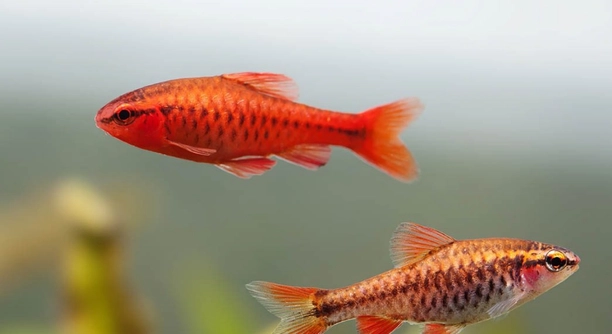
Cherry barbs are delicate creatures that often display noticeable changes after being relocated to a new environment. These changes can affect their behavior, health, and overall well-being, which is important to monitor for their care.
After moving cherry barbs, you may observe alterations in their swimming patterns, appetite, or coloration. These changes are typically due to stress and the adaptation process to the new tank environment. Proper care is essential for their recovery.
Managing these adjustments can help ensure the long-term health of your cherry barbs and provide insight into their needs during this transitional phase.
Changes in Behavior After Moving
When cherry barbs are moved to a new tank, they may experience stress that alters their usual behavior. They might become more reclusive or display unusual swimming patterns. For example, they could swim erratically or stay near the bottom of the tank more often. This behavior is common as they adjust to new surroundings. Changes in activity levels are often temporary but can indicate the fish is not fully comfortable in its new environment.
This shift in behavior can also be linked to factors like water parameters or the presence of tank mates. Cherry barbs, being sensitive to stress, may react to these factors by becoming more lethargic or hiding. It’s important to monitor them closely and ensure the tank conditions are stable.
To help your cherry barbs settle in, maintain consistent water quality and provide a stress-free environment. With time and the right care, their behavior should return to normal as they grow accustomed to their new space.
Environmental Factors Affecting Cherry Barbs
Water quality plays a critical role in the health of cherry barbs after relocation.
Changes in temperature, pH, and water hardness can contribute to stress. These factors may cause discomfort, leading to shifts in behavior and overall health. Keeping the environment stable is crucial for their well-being.
Appetite and Feeding Behavior Changes
After moving, cherry barbs may lose their appetite due to stress or unfamiliar surroundings. This can result in reduced feeding during the first few days or even longer. You may notice that they ignore food, especially if they are still adjusting to the tank environment.
It’s common for fish to be cautious about eating after a move. Their appetite often returns once they feel more secure. To encourage them to eat, you can offer smaller, more frequent feedings or try different types of food. Ensuring a stress-free environment and maintaining stable water parameters will also help ease the transition.
If they still refuse food after a few days, check the tank conditions, including temperature and water quality. These factors can affect their feeding behavior. If necessary, consult with an expert to rule out any potential issues that could be impacting their appetite.
Coloration Changes
Cherry barbs may experience changes in their coloration after being moved to a new environment. Stress, water conditions, and temperature shifts can cause their colors to become duller than usual. These changes are often temporary and linked to their adjustment period.
Monitoring their health and ensuring optimal water conditions can help restore their vibrant colors. Adequate lighting and a proper diet also play a role in maintaining their natural hues. Sometimes, it may take a week or more for their colors to fully return to normal, depending on how long they were under stress.
Social Behavior and Tank Interactions
After a move, cherry barbs may act more withdrawn and avoid interaction with other fish. This behavior is often due to the stress of being in a new environment. It’s not uncommon for them to take some time before they become more active and engage with tank mates again.
During the adjustment period, avoid introducing new fish or making sudden changes to the tank. This allows your cherry barbs to settle and feel more comfortable in their space. Patience is key, as they typically regain their social behavior after a few days.
Stress and Its Effects
Stress can impact more than just behavior; it can also weaken a fish’s immune system. Stress-related health issues may become more apparent after a move if the fish is not adjusting properly. Signs of stress can include hiding, erratic swimming, or even discoloration.
Ensuring the water quality is ideal and maintaining consistent conditions will help reduce stress. Additionally, offering hiding spots can help your cherry barbs feel more secure. Addressing the root cause of the stress will lead to better outcomes for the fish’s overall health.
Water Parameters and Adjustments
Water quality plays a crucial role in the recovery of cherry barbs after a move. Small fluctuations in temperature or pH can cause stress, affecting the fish’s health and behavior. Monitoring water conditions regularly is important.
Test the water daily for the first few days after the move. Check the temperature, pH, and hardness to ensure they are within the optimal range for cherry barbs. Making adjustments slowly helps prevent additional stress from sudden changes.
FAQ
Why are my cherry barbs swimming erratically after the move?
Swimming erratically can be a sign of stress. Cherry barbs may feel unsettled in a new tank, leading to disorganized swimming patterns. They may also be adjusting to new water parameters or tank mates. Giving them time to acclimate and ensuring the water conditions are ideal will help them settle.
How long does it take for cherry barbs to adjust to a new tank?
Typically, cherry barbs will begin to adjust within a few days, though full acclimation may take up to a week or longer. The key is maintaining stable water quality and providing a calm environment. If they are still acting strange after a week, check water conditions and tank stressors.
Can I feed my cherry barbs immediately after moving them?
It’s best to wait at least 24 to 48 hours after moving your cherry barbs before offering food. They may be too stressed to eat right away. Once they begin to feel more settled, you can offer smaller portions of food more frequently to encourage them to start eating again.
What should I do if my cherry barbs are not eating?
If your cherry barbs refuse to eat after a few days, ensure that the water conditions are optimal. Poor water quality or unsuitable tank mates may cause them to lose their appetite. You can try offering different types of food or feeding in a quiet, low-stress area of the tank.
Will cherry barbs’ color return to normal after stress?
Yes, the coloration of cherry barbs should return to normal once the stress subsides. If their colors have dulled due to stress, they should regain their vibrant hues as they acclimate to their new environment. Ensuring proper water conditions and nutrition will help restore their full color.
How can I reduce stress for my cherry barbs?
To reduce stress, make sure the tank conditions are stable, with appropriate temperature, pH, and water hardness. Avoid overcrowding and ensure your cherry barbs have enough space to swim. Adding plants or hiding spots can help them feel secure during the adjustment period.
Can cherry barbs be kept with other fish after moving?
Yes, cherry barbs can usually be kept with other peaceful fish after moving. However, it’s important to monitor their interactions carefully. Stress from tank mates or competition for food can delay their adjustment. Choosing compatible species will ensure a smoother transition for your cherry barbs.
What should I do if my cherry barbs are still hiding after several days?
If your cherry barbs are still hiding after several days, check the water parameters and overall environment. Stress from poor water quality or aggressive tank mates may be the cause. Ensure the tank has sufficient hiding spots and peaceful interactions with other fish.
Can I use medications if my cherry barbs are stressed?
Only use medications if you are certain your cherry barbs are suffering from an illness rather than stress. Medications should be reserved for treating specific health issues, and improper use can further stress the fish. Focus on stabilizing water conditions and minimizing stress before considering medication.
How can I tell if my cherry barbs are sick after the move?
If your cherry barbs show signs like unusual swimming patterns, a lack of appetite, or discoloration that doesn’t improve, they may be sick. Other signs to watch for include visible lesions or frayed fins. Check water quality and consult a vet or aquarium specialist if you suspect illness.
Can stress from moving cause long-term health problems for my cherry barbs?
If the stress from moving is prolonged, it could lead to health issues such as weakened immunity or susceptibility to disease. However, once the fish settle in and the stress is reduced, they should recover. Ensuring good water conditions and regular feeding will help promote their long-term health.
What temperature should the water be for cherry barbs after moving?
Cherry barbs prefer water temperatures between 72°F and 80°F (22°C to 27°C). Sudden changes in temperature can increase stress, so it’s important to acclimate them slowly and avoid drastic fluctuations. Regularly check the temperature to ensure it remains within the ideal range.
Are cherry barbs hardy enough to survive a move?
Cherry barbs are generally hardy fish but can experience stress during relocation. If the move is handled carefully with attention to water parameters, the barbs will typically recover. It’s important to give them time and avoid overhandling or disturbing them too much during the process.
How can I monitor my cherry barbs’ health during the adjustment period?
During the adjustment period, closely observe your cherry barbs for changes in behavior, eating habits, or physical appearance. Regularly check the water parameters, ensure the tank is clean, and avoid making sudden changes. Any drastic signs of distress or illness should be addressed promptly.
Should I add more plants or decorations to the tank?
Adding plants or decorations can help create a more natural and secure environment for your cherry barbs. Providing hiding spots and visual barriers can reduce stress and make them feel more comfortable. Just ensure that the decorations are safe and won’t disrupt the water flow or quality.
Can I add new fish while my cherry barbs are adjusting?
It’s best to avoid adding new fish while your cherry barbs are still adjusting to their new environment. Adding tank mates too soon can increase stress and disrupt the acclimation process. Once they have settled in, you can gradually introduce new fish, monitoring their behavior closely.
How do I know if the water quality is affecting my cherry barbs?
If your cherry barbs are displaying signs of stress such as dull coloring, erratic swimming, or loss of appetite, it could be due to poor water quality. Regularly test the water for ammonia, nitrite, nitrate, pH, and temperature. Any imbalances in these parameters can negatively affect their health.
What’s the best way to introduce new plants to the tank after moving?
After moving your cherry barbs, it’s a good idea to wait before adding new plants to the tank. Once the fish are settled, carefully introduce plants, ensuring they are clean and free of pests. Plants provide hiding spaces and improve the overall tank environment.
Final Thoughts
Moving cherry barbs can be a stressful experience for both the fish and the tank owner. They are generally hardy, but like all fish, they need time to adjust to new environments. Stress from the move can lead to changes in behavior, such as hiding or erratic swimming. It’s important to create a peaceful environment and ensure the water quality is stable to help them acclimate. This period of adjustment can take several days, so patience is essential. By observing their behavior and providing proper care, you can support their recovery and help them regain their usual activity levels.
During the adjustment phase, monitoring the tank’s water parameters is crucial. Cherry barbs thrive in stable conditions with a temperature between 72°F and 80°F, and a pH level between 6.0 and 8.0. Regular water changes and the use of a water testing kit can prevent any sudden changes that could increase stress. If your cherry barbs are not eating, give them time to settle before offering food. If they continue to refuse food, consider trying different types of fish food. Once they start eating again, their health and behavior should improve, signaling that they are becoming more comfortable in their new home.
Ultimately, the key to helping cherry barbs thrive after a move lies in providing the right care and environment. Avoid overcrowding the tank and ensure that the other fish are peaceful and compatible. Adding plants and hiding spots can help them feel secure and reduce stress. While they may take a few days to adjust, most cherry barbs will bounce back and resume their normal activities once they feel safe and settled in their new home. Keep the tank calm and provide consistent care, and your cherry barbs should be healthy and happy again soon.

Hello,
If you enjoy the content that we create, please consider saying a "Thank You!" by leaving a tip.
Every little bit helps us continue crafting quality advice that supports the health, happiness, and well-being of pets around the world, for pets of all shapes, sizes, and species.
We really appreciate the kindness and support that you show us!