
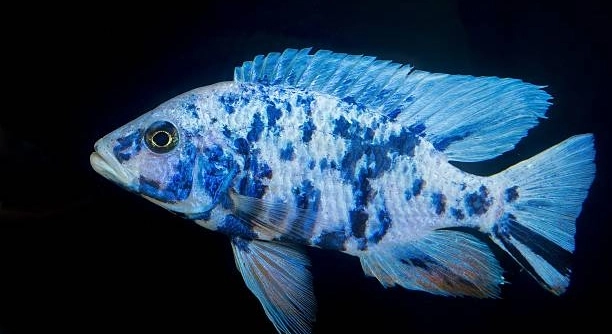
Cichlids are popular aquarium fish known for their vibrant colors and lively behavior. They can be sensitive to changes in their environment, which may affect their health and mood. Understanding these changes can help you care for them better.
Several changes can shock your cichlid, including sudden water parameter shifts, altered tank mates, unexpected feeding routines, new decorations, temperature fluctuations, changes in lighting, and increased noise or vibrations. These factors disrupt their stability and stress their natural behavior.
Recognizing these common causes will help you maintain a calm and healthy environment for your cichlid. This article highlights important adjustments that could impact your fish’s well-being.
Sudden Changes in Water Parameters
Water quality is crucial for cichlids. When parameters like pH, ammonia, nitrite, or nitrate suddenly change, it can cause immediate stress. These shifts often happen after water changes, adding new fish, or accidental contamination. Even small fluctuations can affect your cichlid’s breathing and immune system. Keeping a regular test schedule helps catch problems early. Stabilizing the water prevents shocks and allows your fish to thrive. Sudden changes may lead to hiding, loss of appetite, or unusual swimming patterns.
Regular water testing is essential for a stable aquarium environment.
Sudden shifts in water chemistry disrupt the delicate balance your cichlids depend on. Your fish may react by becoming lethargic or showing signs of illness. When water parameters change rapidly, their bodies struggle to adjust, which can weaken their defenses against disease. It’s important to use a gradual approach during water changes or when adding chemicals, ensuring the tank’s environment stays as steady as possible. Monitoring water conditions and avoiding sudden alterations helps maintain your cichlid’s health and reduces stress.
Changes in Tank Mates
Introducing new fish or rearranging the community can unsettle cichlids.
Changes in Tank Mates
Adding or removing tank mates can quickly disturb cichlids. Their social structure and territory may be affected, leading to stress and aggression.
Cichlids are territorial fish, and introducing new tank mates can upset the balance in the aquarium. New fish may compete for space, food, or dominance, which can cause fights or hiding behavior. Removing a fish they are used to can also create confusion and anxiety. Watching interactions closely after any change helps prevent serious conflicts. Sometimes, adjusting decorations or providing more hiding spots can ease tensions. Ensuring compatible species and gradual introductions will reduce stress.
Aggressive behavior or withdrawn actions often signal that tank mate changes are causing discomfort. Responding early to these signs is key to maintaining a peaceful environment.
Unexpected Feeding Routine Changes
Feeding schedules strongly influence cichlid behavior and health. Changing the timing, type, or quantity of food can shock them.
Consistency in feeding helps cichlids feel secure and maintain proper nutrition. Sudden changes, like switching food brands or feeding at different times, can cause confusion and reduce appetite. Overfeeding or underfeeding disrupts their digestion and energy levels. It’s important to introduce new foods slowly and keep a regular feeding schedule. If a change is necessary, adjusting gradually helps your fish adapt without stress. Observing their eating habits during transitions allows you to spot any issues quickly.
A stable feeding routine supports good health and vibrant behavior, making it easier to care for your cichlids daily.
New Decorations or Tank Layout
Adding new decorations or changing the tank layout can confuse cichlids. They rely on familiar spaces to feel safe.
A sudden rearrangement disrupts their territory and hiding spots. It may cause them to explore anxiously or become stressed until they adjust.
Temperature Fluctuations
Cichlids need stable water temperatures. Sudden drops or rises can weaken their immune system and cause stress.
Maintaining a consistent temperature with a reliable heater or chiller is essential. Avoid placing the tank near drafts or direct sunlight to keep conditions steady.
Changes in Lighting
Lighting changes can affect cichlid behavior and stress levels. Too bright or too dim light can unsettle them.
Gradually adjusting the lighting schedule helps cichlids adapt without shock. Consistent light patterns support their natural rhythms and well-being.
FAQ
What should I do if my cichlid shows signs of stress after a change?
If your cichlid seems stressed, first check water parameters to ensure they are stable. Make sure the tank environment hasn’t changed drastically, like temperature or lighting. Providing hiding spots or reducing noise around the tank can help. Avoid making more changes until your fish settles.
How long does it take for a cichlid to adjust to new tank mates?
Adjustment time varies, but it usually takes a few days to a couple of weeks. During this time, watch for signs of aggression or stress. Providing enough space and hiding places can reduce tension and help fish establish territory.
Can sudden water changes harm my cichlid?
Yes, sudden large water changes can shock your fish. It’s best to do partial water changes gradually, replacing about 20-30% at a time. Matching the new water’s temperature and pH to the tank helps minimize stress.
How often should I test my aquarium water?
Testing water weekly is a good practice. It helps you detect issues early before they affect your cichlid’s health. Focus on parameters like ammonia, nitrite, nitrate, and pH.
What are signs of poor water quality?
Signs include gasping at the surface, lethargy, loss of appetite, faded colors, and unusual swimming patterns. These indicate stress and potential illness caused by poor water conditions.
Is it okay to change my cichlid’s diet suddenly?
Sudden diet changes can upset their digestive system and cause refusal to eat. Introduce new foods slowly, mixing them with familiar ones over several days to ease the transition.
How can I reduce aggression when adding new fish?
Add new fish carefully by quarantining them first. Introduce them gradually and provide plenty of hiding spots. Rearranging tank decorations before introducing new fish can help reset territorial boundaries.
Does lighting affect cichlid health?
Yes, lighting influences their behavior and stress levels. Too much light can cause discomfort, while too little can reduce activity. Keep a consistent light schedule that mimics natural day and night cycles.
What temperature range is best for cichlids?
Most cichlids thrive between 74°F and 82°F (23°C to 28°C). Sudden shifts outside this range can stress them. Use a heater to maintain stable temperatures.
Can noise or vibrations stress cichlids?
Yes, loud noises and constant vibrations can make cichlids anxious. Keep the tank away from heavy foot traffic, speakers, or appliances that cause vibrations.
How can I help a stressed cichlid recover?
Minimize changes and create a calm environment. Ensure water quality is good and stable. Provide hiding places and keep feeding consistent. Sometimes, using aquarium salt or medication can help if illness is suspected.
Are all cichlids equally sensitive to changes?
No, sensitivity varies by species and individual temperament. Some cichlids are more aggressive or shy, which influences how they react to changes.
Can stress from environmental changes cause illness?
Yes, stress weakens the immune system and makes cichlids more prone to infections like fin rot or parasites. Maintaining stable conditions is key to prevention.
What is the best way to introduce a new decoration?
Clean new decorations thoroughly before adding them. Introduce them gradually, placing them in familiar areas first to avoid sudden changes in territory.
How do I know if my cichlid is hiding because of stress or illness?
If hiding is accompanied by lack of appetite, clamped fins, or unusual swimming, illness may be the cause. If hiding decreases over time with stable conditions, it’s likely stress-related.
Should I quarantine new fish even if they look healthy?
Yes, quarantining new fish for at least two weeks helps prevent disease introduction. This protects your existing cichlids from potential infections.
Final Thoughts
Caring for cichlids requires attention to their environment and behavior. These fish can be sensitive to changes, so keeping conditions stable is very important. Sudden shifts in water quality, temperature, or tank layout can cause stress, which may lead to health problems. Monitoring your aquarium regularly and making gradual adjustments helps your cichlids stay healthy and comfortable.
Changes like new tank mates or decorations may seem small but can have a big impact on your fish. Cichlids are territorial and rely on familiar surroundings to feel safe. When something in their space changes, they may react by hiding, becoming aggressive, or losing appetite. Providing plenty of hiding spots and observing their behavior after any change allows you to respond quickly if stress signs appear. Patience is key, as it takes time for cichlids to adjust to new situations.
Feeding routines also play a role in keeping your cichlids calm and healthy. A consistent schedule with the right amount and type of food supports their well-being. Sudden changes in diet or feeding times can confuse them and cause problems. When introducing new foods, it’s best to do so gradually. By creating a stable, familiar environment and paying attention to their needs, you can help your cichlids live a long, happy life.

Hello,
If you enjoy the content that we create, please consider saying a "Thank You!" by leaving a tip.
Every little bit helps us continue crafting quality advice that supports the health, happiness, and well-being of pets around the world, for pets of all shapes, sizes, and species.
We really appreciate the kindness and support that you show us!