
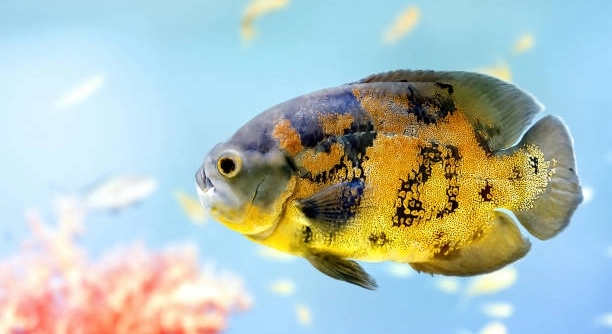
Do you ever notice sudden outbursts or changes in behavior in your Oscar that leave you feeling confused or frustrated? These moments can happen even when everything else seems normal in their tank setup.
Oscars often throw temper tantrums in response to environmental changes, dietary shifts, or social stress. These disruptions can cause agitation, aggression, or refusal to eat. Recognizing the causes early helps maintain stability and supports your fish’s emotional health.
Each change plays a role in how your Oscar reacts, and understanding these triggers will help you create a calmer tank environment.
Change in Tank Setup
Oscars are highly sensitive to their environment. Rearranging décor, adding new equipment, or switching tank sizes can trigger stress. When their space changes, Oscars may feel threatened and act out by flaring, hiding, or refusing food. These behaviors are not just reactions to fear, but also signs of disapproval. They get used to their surroundings and often see changes as disruptions to their territory. Even seemingly small adjustments like moving a plant or adding a background can lead to an outburst. Stability gives them comfort, so any shift should be made slowly. If possible, introduce changes one at a time and give your Oscar a few days to adjust before making more. This can help reduce the likelihood of aggression or panic. Keep lighting, filters, and hiding spots consistent to provide a sense of safety. When Oscars feel secure in their tank, they’re less likely to lash out unexpectedly.
A familiar layout helps Oscars feel grounded. Too many changes at once will likely cause them to react negatively or become more withdrawn.
Try to limit how often you rearrange the tank. If changes are needed, allow your Oscar to observe from another tank or bucket before reintroducing them. This can ease the adjustment.
Sudden Water Quality Fluctuations
Oscars rely heavily on consistent water conditions to feel secure.
When pH levels swing or ammonia spikes, Oscars react quickly. You might notice them sulking, flashing against surfaces, or gasping at the surface. Their behavior is directly tied to how they feel in their water. Even small changes can create discomfort. Regular testing is essential to avoid this issue. Always condition new water properly and perform gradual water changes instead of abrupt ones. If there’s been a recent power outage or equipment malfunction, test the water immediately. Rapid temperature changes can also set them off. Consider using a thermometer to track any fluctuation. Keeping your Oscar’s environment stable reduces their chances of having aggressive episodes. When water quality is kept in check, Oscars generally remain active and calm. A stable setup gives them less reason to display signs of stress or frustration, making tank maintenance a key part of their behavioral health.
Inconsistent Feeding Schedule
Oscars respond strongly to feeding routines. Skipping meals or feeding at odd hours can cause stress and frustration. If they’re expecting food and don’t get it, they may become aggressive or start thrashing around the tank. A predictable schedule helps keep them calm and focused.
Feeding your Oscar at the same time each day creates structure and trust. When feeding is delayed or missed, they might begin glass surfing, nipping at tank mates, or tossing substrate around. These actions are signs of restlessness and irritation. It’s not just about hunger—it’s about routine. Use a timer if needed to stay on track, especially during busy days. Overfeeding can also be a problem, leading to bloating or leftover food polluting the tank. Balance is key. Stick to consistent portions and timing. When they know what to expect, Oscars feel more secure and are less likely to throw tantrums.
Changes in food type can also cause stress. If you suddenly swap pellets or introduce new treats, they may spit out the food or ignore it altogether. Gradual transitions between diets work better. Mix a small amount of the new food with the old and increase it slowly. This helps prevent confusion or food refusal behaviors.
Lack of Stimulation
Oscars get bored when there’s nothing new to explore or interact with. Boredom often shows up as aggression, especially if they begin to associate you with food and nothing else. Regular interaction keeps their minds active and behavior more stable.
Adding variety to their daily routine helps reduce outbursts. Try rotating tank decorations every few weeks, placing mirrors for short periods, or letting them watch you during feeding prep. These activities give them more to do and reduce their frustration. Enrichment doesn’t always need to be complex—simple changes can help. You can also provide floating toys or different feeding techniques, such as target feeding or placing food in a bottle for them to push out. These options keep them mentally engaged. Even just spending a few extra minutes observing or talking to them each day can make a difference. An active mind leads to a calmer, more responsive Oscar.
New Tank Mates
Oscars are territorial and often react negatively to unfamiliar fish. Introducing new tank mates can trigger aggressive displays, chasing, or fin nipping. They need time to adjust, and sudden additions may cause them to act out or become withdrawn.
Smaller fish may be seen as food, while larger ones can feel like a threat. Introducing new tank mates should be done gradually, using a divider or separate holding space before full contact. Watching their behavior closely during this time helps prevent injuries or long-term stress for all fish involved.
Rearranged Lighting Patterns
Oscars rely on regular light cycles to feel secure. Sudden shifts in lighting—such as turning the light on or off without warning—can startle them and lead to agitation. Use a timer to keep lighting consistent and predictable.
Too Much External Noise
Oscars react to sound and vibration. Loud music, banging on the glass, or sudden movements around the tank can cause stress. Keep the tank in a quiet area.
Why does my Oscar suddenly thrash around the tank?
Sudden thrashing often points to stress or discomfort. It could be due to changes in water parameters, such as temperature drops or pH swings. Loud noises, quick movements near the tank, or reflections can also trigger this behavior. Sometimes, they thrash after eating, especially if they’re bloated or overfed. Look at recent changes—new tank mates, rearranged decor, or a missed feeding. Even routine water changes, if too abrupt, can cause a strong reaction. Try to keep their environment consistent and predictable. If thrashing continues, check for parasites or internal issues with a vet.
What should I do if my Oscar refuses to eat?
Start by checking water quality—poor conditions can affect appetite. Oscars may also ignore food if they’re bored with their diet or not feeling well. Try offering their favorite treats, like earthworms or frozen shrimp, to spark interest. Avoid overfeeding, and don’t switch foods too fast. A sudden change in pellets or treats may throw them off. Stick to small, regular portions and observe their behavior after feeding. If appetite loss continues for more than a few days, it’s best to consult an aquatic vet to rule out illness or internal parasites.
Is it normal for Oscars to move decorations or dig in the substrate?
Yes, Oscars are known for rearranging their tanks. Digging, moving rocks, or uprooting plants is part of their natural behavior. They do this to claim space, explore, or out of boredom. However, excessive digging can signal frustration or stress. Make sure the tank has enough space and stimulation. Provide solid decorations they can’t easily flip or swallow. Avoid sharp edges. If you notice new or more aggressive behavior during these episodes, look at recent changes like lighting, tank mates, or feeding routines. A busy Oscar is often a happier one—but balance is key.
Can an Oscar throw a tantrum if the water quality changes?
Yes, even a small shift in water temperature, ammonia, or nitrate levels can cause an Oscar to lash out. They are sensitive to their environment. Cloudy water, strong filters, or sudden water changes may also trigger these outbursts. Keep testing kits on hand and monitor water parameters regularly. Change water in smaller amounts, around 25% per week, rather than all at once. This helps them adjust and keeps their stress levels lower. A well-maintained tank reduces the chances of aggressive or erratic behavior.
How can I tell if my Oscar is bored?
A bored Oscar may swim in repetitive patterns, attack tank decor, or glass surf frequently. You might also see them lose interest in food or interaction. Adding simple enrichment like floating toys, varied feeding methods, or rotating tank decorations can help. Even your presence outside the tank can be stimulating if it’s part of their routine. Just avoid overstimulation. If their behavior improves after these changes, it was likely boredom. Keeping things varied but structured helps your Oscar stay mentally active and emotionally stable.
Do Oscars need tank mates to feel happy?
Not always. Some Oscars prefer to be alone, while others may tolerate certain tank mates. If you add companions, make sure they’re large enough not to be eaten and not aggressive. Avoid keeping two male Oscars in tight spaces, as they might fight for territory. Monitor behavior during the first few days. If your Oscar becomes more aggressive, withdraws, or stops eating, the setup might not be working. Each fish has its own tolerance level, so there’s no universal answer. Start cautiously and be ready to separate them if needed.
Why does my Oscar only act out when I approach the tank?
Oscars quickly associate people with food. If they feel hungry or you’ve built a routine around feeding, they might thrash or splash to get your attention. In other cases, it might be territorial behavior—they’re reacting to movement near their space. Try spending time near the tank without feeding, just observing or talking. This helps reduce the association and lets them feel less reactive. Some Oscars naturally have stronger personalities, and that includes showing off when they see someone approach.
What is the best way to calm an Oscar after a tantrum?
Dim the lights slightly, reduce noise around the tank, and avoid sudden movements. Check the tank parameters to ensure everything is in balance. If the tantrum was triggered by a specific change, correct it if possible. Give your Oscar space and time to settle. Avoid handling or tapping the glass, as this can make things worse. Letting them calm down in a stable, quiet environment usually helps them return to normal. Over time, they learn to trust you and respond less dramatically to daily events.
Final Thoughts
Oscars are complex fish with strong personalities. They react quickly to changes in their environment, diet, or routine. What may seem like a small adjustment to you—such as moving a decoration or feeding a different pellet—can feel like a big disruption to them. These sudden shifts often lead to temper tantrums, which may include thrashing, refusing food, or rearranging the tank. Recognizing these behaviors as reactions instead of misbehavior helps you better understand their needs. Keeping their space stable, clean, and engaging is a simple way to avoid many of these emotional outbursts.
Temper tantrums in Oscars are not unusual. They are a form of communication, a way your fish shows discomfort, boredom, or even excitement. With careful observation, you can often trace the behavior back to a cause, such as poor water quality, an unbalanced diet, or even too much stimulation. Once you understand the cause, small changes often bring things back to normal. Be patient, stay consistent with care, and give your Oscar time to adjust to changes. These fish thrive in steady, well-maintained environments where they feel safe and understood.
Creating a routine, offering a balanced diet, and checking water parameters regularly can help keep your Oscar calm and active. They may still show strong reactions now and then, but knowing how to read those signals gives you more control. Use enrichment to keep them mentally active, and avoid overcrowding or overly flashy changes. Over time, you’ll start to recognize what sets your Oscar off and what helps them settle. Paying attention to these small details can make a big difference in their health and behavior. With the right care, your Oscar can be both entertaining and easy to manage.

Hello,
If you enjoy the content that we create, please consider saying a "Thank You!" by leaving a tip.
Every little bit helps us continue crafting quality advice that supports the health, happiness, and well-being of pets around the world, for pets of all shapes, sizes, and species.
We really appreciate the kindness and support that you show us!