
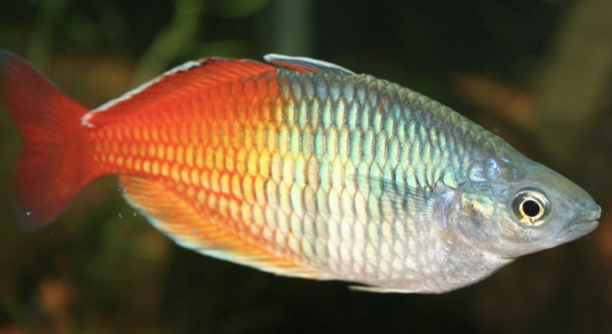
Rainbow fish are known for their vibrant colors and lively behavior. However, their mood can be affected by several factors, from water quality to environmental changes. Understanding how to improve their mood can help create a happier aquarium environment.
Changes such as adjusting water temperature, ensuring a balanced diet, and providing plenty of hiding spots can significantly enhance rainbow fish mood. Additionally, reducing stress factors and maintaining a stable environment are key to their overall well-being.
By making these adjustments, you can help improve the health and happiness of your rainbow fish. Keep reading to discover the best practices for creating a better environment for them.
Water Quality and Temperature
One of the most important factors in improving your rainbow fish’s mood is maintaining clean water. Rainbow fish are highly sensitive to water quality, and any changes in it can cause stress or discomfort. A filtration system that ensures the water stays clear is essential, but regular water changes are just as important. Keeping the water temperature consistent also plays a crucial role. Rainbow fish thrive in temperatures between 72°F and 78°F. If the water is too warm or cold, they can become sluggish and less active.
Maintaining a consistent water temperature is key to your rainbow fish’s well-being. Use a reliable heater and thermometer to monitor it. This stability encourages optimal health and helps prevent mood swings in your fish.
In addition to temperature control, the pH level of the water should be monitored regularly. Rainbow fish prefer slightly acidic to neutral water. If the pH level fluctuates too much, your fish may become stressed and lose their vibrancy. Regular testing of both temperature and pH will go a long way in keeping your fish happy.
Proper Diet
What you feed your rainbow fish significantly impacts their mood. A balanced diet is essential for maintaining their energy levels and overall health. Rainbow fish need a mix of high-quality flake food, live or frozen foods like brine shrimp, and occasional plant matter. Providing a varied diet ensures they get the necessary nutrients for vibrant colors and active behavior.
Feeding them too often or not providing enough variety can lead to problems like poor coloration or lack of energy. It’s important to provide small portions twice a day. Overfeeding can cause water quality issues, while underfeeding may leave your fish malnourished and moody.
The right food can also prevent diseases that often arise from poor nutrition. Healthy fish are active and exhibit better social behaviors, which is a sign of their contentment. A proper diet not only improves their appearance but also enhances their overall mood and well-being.
Hiding Spots and Decorations
Rainbow fish appreciate a well-decorated tank with plenty of hiding spots. Adding plants, rocks, and driftwood can provide them with a sense of security, which helps reduce stress. It’s important to ensure the tank has enough hiding places where the fish can retreat when they need privacy. A lack of hiding spots can cause them to feel exposed, leading to anxiety and mood changes.
Including natural elements like live plants not only enhances the tank’s aesthetic but also creates a more comfortable environment for the fish. Floating plants, in particular, provide additional hiding spots on the surface of the water. Arranging decorations in a way that allows your rainbow fish to swim freely while offering secluded spots helps them feel secure. This balance ensures they are not constantly stressed by open spaces.
Providing hiding spots isn’t just about reducing stress; it also encourages natural behaviors. Rainbow fish are territorial, so offering hiding places can prevent aggressive interactions between individuals. The right balance of open swimming space and secluded retreats will encourage healthy, relaxed behavior, contributing to happier fish overall.
Social Interaction
Rainbow fish are social creatures, and having tank mates can improve their mood. Keeping them in small schools of at least five will allow them to form bonds and engage in more natural behaviors. These fish are much happier when they are in groups, as they feel safer and more confident. Solitary rainbow fish often become stressed and exhibit poor health, including loss of color and lethargy.
When selecting tank mates, choose species that are peaceful and compatible with rainbow fish. Avoid aggressive or overly territorial fish that may cause stress. Social interaction is crucial not only for their mood but also for their physical health, as they tend to be more active when in groups.
Rainbow fish can also benefit from interaction with other species, as long as they share similar water and environment needs. Keep in mind that a harmonious, well-balanced tank can provide a more enriching environment, reducing stress and improving the overall well-being of your rainbow fish.
Regular Water Changes
Consistent water changes are essential for maintaining the health and mood of rainbow fish. The water can become polluted over time with waste and excess food, affecting the overall water quality. Changing 10-20% of the tank water weekly keeps it fresh and reduces harmful toxins.
By doing regular water changes, you are helping to keep ammonia, nitrate, and nitrite levels in check. This is crucial for preventing stress-related health problems like fin rot or skin discoloration. Clean water encourages vibrant colors and active behavior in your fish, leading to happier and healthier rainbow fish.
Water changes also allow you to clean the substrate and remove any debris that may have built up. This helps reduce stress on your fish and maintains an aesthetically pleasing tank environment. A regular water change routine ensures long-term happiness and well-being for your rainbow fish.
Lighting
Lighting is another factor that affects the mood of rainbow fish. Too much light can cause stress, while too little can lead to inactivity. It’s essential to maintain a balanced lighting schedule to mimic natural day and night cycles, with about 10-12 hours of light per day.
Proper lighting encourages natural behaviors like feeding and swimming. It also highlights the rainbow fish’s vibrant colors. Using a timer for your lights ensures consistency, preventing the stress caused by erratic light schedules. Keep the lighting soft, as harsh lighting can cause discomfort and disrupt the fish’s routine.
Avoiding Overcrowding
Overcrowding your tank can lead to unnecessary stress for rainbow fish. Too many fish in one space can result in competition for food, territory, and hiding spots, which can cause aggressive behavior. Always ensure your tank size is appropriate for the number of fish you have.
A crowded tank reduces the oxygen levels in the water, making it difficult for your fish to breathe properly. This leads to lethargy and poor health. Maintaining a balanced fish-to-water ratio helps your rainbow fish remain active, healthy, and stress-free, contributing to an improved mood.
FAQ
What should I do if my rainbow fish seems stressed?
If your rainbow fish is showing signs of stress, such as rapid swimming, hiding, or losing color, start by checking the water quality. Make sure the temperature and pH levels are in the ideal range. Clean the tank, remove any debris, and ensure proper filtration. Consider adding hiding spots like plants or decorations. If the stress persists, evaluate the other fish in the tank to ensure there are no aggressive behaviors or territorial issues.
How can I tell if my rainbow fish is happy?
A happy rainbow fish will display vibrant colors and swim actively throughout the tank. They should be social with other fish, particularly if they’re kept in groups, and explore their environment regularly. Healthy rainbow fish are also likely to eat well, showing no signs of lethargy or loss of appetite. If they’re consistently hiding or swimming aimlessly, this could indicate stress or discomfort.
Can rainbow fish live alone?
While rainbow fish can technically survive alone, they are much happier when kept in schools of at least five. In the wild, they thrive in groups, and keeping them with others helps reduce stress. Solo rainbow fish may become withdrawn and display signs of poor health due to isolation. A group dynamic encourages more natural social interactions and reduces territorial behavior.
Do rainbow fish require special care?
Rainbow fish do not require extremely special care but do need specific conditions to stay healthy. A stable and clean environment, regular water changes, and a balanced diet are essential. They are fairly hardy but sensitive to changes in water parameters. Proper tank mates, suitable water temperature, and enough hiding spots will also contribute to their well-being.
What is the best tank size for rainbow fish?
Rainbow fish need space to swim freely, so a tank of at least 30 gallons is recommended for a small group. A larger tank is always better, especially if you plan on keeping multiple species of fish. Adequate space ensures that they can establish their own territories and avoid stress caused by overcrowding.
How often should I feed my rainbow fish?
Rainbow fish should be fed once or twice a day. Offer them small portions they can consume within a few minutes to prevent uneaten food from polluting the tank. Overfeeding can lead to poor water quality and health issues. A balanced diet of flakes, pellets, and occasional live or frozen foods like brine shrimp will keep them healthy and vibrant.
Can rainbow fish tolerate saltwater?
Rainbow fish are freshwater species and should not be kept in saltwater tanks. They are not adapted to saltwater conditions and may suffer from stress or even death in such an environment. Freshwater with slightly alkaline to neutral pH is ideal for these fish. Keeping them in their natural habitat ensures their health and happiness.
What tank mates are best for rainbow fish?
Rainbow fish are peaceful and social, making them compatible with many other species. Suitable tank mates include other peaceful fish like tetras, gouramis, and catfish. Avoid aggressive or territorial species that could cause stress or harm to your rainbow fish. When selecting tank mates, ensure they have similar water and environmental needs.
How can I improve the colors of my rainbow fish?
The best way to bring out the vibrant colors of your rainbow fish is by ensuring their environment is stress-free. This includes maintaining high water quality, providing a balanced diet, and keeping them in groups. Also, make sure they have plenty of room to swim and areas to hide when they need privacy. Stress, poor water quality, and inadequate nutrition can cause their colors to fade.
Do rainbow fish need a filter?
Yes, rainbow fish require a good filtration system. These fish are sensitive to poor water quality, and a filter helps remove harmful toxins and keeps the water clean. It’s essential to choose a filter that’s appropriate for the tank size and water volume to maintain a stable and healthy environment for your fish.
What temperature is best for rainbow fish?
Rainbow fish thrive in temperatures between 72°F and 78°F (22°C to 26°C). Keeping the water temperature stable within this range promotes their overall health, activity, and well-being. Temperatures outside this range can stress the fish and lead to health problems. Use a reliable aquarium heater to maintain consistent temperature levels.
Can rainbow fish live with bettas?
Rainbow fish and bettas may not always coexist peacefully. Bettas are territorial and may become aggressive towards the rainbow fish, especially males. Rainbow fish, on the other hand, tend to be peaceful. If you decide to keep both species together, ensure the tank is large enough to provide plenty of space and hiding spots to minimize territorial disputes.
How long do rainbow fish live?
Rainbow fish typically live between 5 to 8 years, depending on the care they receive. Proper tank maintenance, a balanced diet, and stable water conditions can contribute to their longevity. Some species may live longer under ideal conditions, so providing the best environment possible will help ensure a healthy lifespan.
Are rainbow fish easy to breed?
Breeding rainbow fish can be a challenge, but it is possible with the right conditions. They prefer slightly acidic water with a stable temperature and plenty of hiding spots for the fry. You will also need a separate breeding tank to ensure the eggs and baby fish are safe from other tank mates. Rainbow fish are egg layers, and once they’ve spawned, you may need to remove the parents to prevent them from eating the eggs.
How can I tell if my rainbow fish is sick?
Signs of illness in rainbow fish include faded colors, erratic swimming, loss of appetite, or abnormal behavior like scratching against objects. If you notice any of these signs, test the water quality immediately and check for possible diseases or infections. A proper diagnosis and swift treatment are crucial to prevent further health complications.
Final Thoughts
Rainbow fish are vibrant and active creatures that can bring a lot of joy to your aquarium. Their beauty and peaceful nature make them a popular choice for many fish keepers. However, ensuring that they remain healthy and happy requires attention to their needs. By providing a clean and stable environment, offering a proper diet, and maintaining the right water conditions, you can enjoy these colorful fish for many years.
Regular water changes, proper tank mates, and adequate space are essential for keeping rainbow fish stress-free. They thrive in groups, so it’s important to provide them with enough room to swim and establish social bonds. Keeping their tank environment clean and free from pollutants helps maintain their health. Regular maintenance and monitoring of water quality will go a long way in keeping your rainbow fish content and active.
In conclusion, caring for rainbow fish isn’t complicated, but it does require some effort and consistency. Their health and mood are directly tied to the quality of their environment. By paying attention to their water, diet, and companions, you can help your rainbow fish thrive and enjoy their lively presence in your aquarium. A well-maintained tank will allow you to experience the full beauty and charm of these wonderful fish for years to come.

Hello,
If you enjoy the content that we create, please consider saying a "Thank You!" by leaving a tip.
Every little bit helps us continue crafting quality advice that supports the health, happiness, and well-being of pets around the world, for pets of all shapes, sizes, and species.
We really appreciate the kindness and support that you show us!