
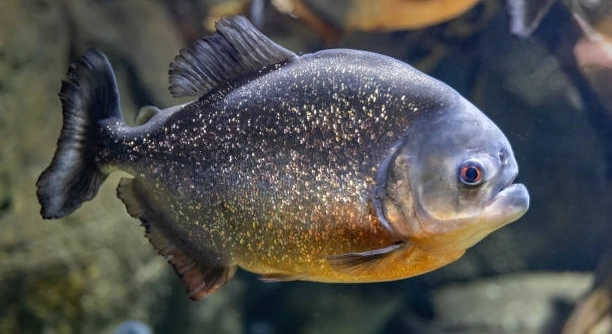
Piranhas live in ever-changing environments where adapting quickly is essential for survival. Over time, these fish have developed unique traits that help them respond to new challenges in their habitats. Understanding these changes sheds light on their remarkable resilience.
Seven specific adaptations allow piranhas to adjust rapidly to environmental shifts. These include changes in their feeding habits, sensory systems, body structure, reproductive strategies, and social behavior. Together, these traits enhance their ability to survive and thrive in diverse conditions.
Learning about these adaptations offers insight into how piranhas stay strong despite constant challenges. Their flexibility makes them fascinating subjects in studies of evolution and survival.
Faster Feeding Response
Piranhas have developed a quicker feeding response to catch prey efficiently in changing environments. Their sharp teeth and strong jaws allow them to bite through tough materials with ease. When food is scarce, they can switch from hunting live prey to scavenging, showing flexibility in their diet. This adaptability ensures they don’t waste energy chasing food they can’t catch. Their sense of smell and vision also improve their ability to detect prey in murky waters. These combined changes mean piranhas can take advantage of many food sources quickly and effectively, which helps them survive in unpredictable conditions. Their feeding habits are a key part of how they manage to stay ahead in their habitats, even when things change fast.
This faster feeding helps piranhas reduce hunger periods, improving their overall health and survival chances. It also supports the whole group by providing steady food access.
Their ability to shift feeding styles makes them less dependent on one type of prey, which is vital when environments shift suddenly. This flexibility in diet is one of the main reasons piranhas adapt so well.
Enhanced Sensory Systems
Piranhas rely on improved sensory systems to navigate and find food efficiently. Their keen eyesight helps them spot movement quickly, even in dark waters. This ability gives them an edge over other fish that are slower to react. Enhanced smell receptors allow them to detect blood and other chemical signals in the water from far away. These senses work together to help piranhas react faster to both threats and opportunities, improving their chances of survival. They also use lateral lines along their bodies to sense vibrations, which is useful for detecting nearby movement or danger. These sensory upgrades are crucial for living in environments where quick responses can mean the difference between life and death. Overall, these sharper senses allow piranhas to stay alert and ready for any changes in their surroundings.
Stronger Body Structure
Piranhas have developed stronger bodies to cope with fast currents and physical challenges in their habitats. Their muscular frames help them swim powerfully and avoid predators more easily.
This stronger body allows piranhas to be more agile and resilient. Their compact shape reduces drag while swimming, letting them move quickly through water. Their sturdy scales provide protection against attacks from other fish and environmental hazards like sharp rocks or plants. When they face strong river currents, their powerful muscles help them maintain position and avoid being swept away. This durability also supports their aggressive feeding habits, as they can sustain fights with prey or rivals without serious injury.
Overall, a tougher body gives piranhas a better chance of surviving in rough conditions. It makes them more efficient hunters and harder targets for predators. Their physical strength is a key factor in their quick adaptation to changing surroundings.
Adaptive Reproductive Strategies
Piranhas adjust their breeding behaviors based on environmental factors. They can change breeding timing and locations to increase offspring survival in varying conditions. This flexibility ensures they maintain healthy populations despite changes.
Their reproductive adaptability includes choosing safer nesting sites or breeding earlier when food is abundant. These changes help protect eggs and young from predators and environmental threats. In times of scarcity, piranhas may reduce reproductive efforts to conserve energy, focusing instead on survival until conditions improve. This strategy balances the need to reproduce with the need to endure tough periods. Additionally, some piranhas show parental care by guarding nests, which increases the chance of offspring reaching maturity. These tactics combine to help the species thrive even when environments fluctuate, making their reproductive success less vulnerable to sudden changes.
Social Behavior Changes
Piranhas have shifted their social behavior to improve survival. They often form larger groups to protect themselves from predators. This group behavior also helps them hunt more effectively by working together.
Living in schools makes piranhas less vulnerable and increases their chances of finding food. It also helps with communication and warning each other about danger quickly.
Energy Efficiency
Piranhas have adapted to use energy more efficiently. They can slow their metabolism when food is scarce, conserving energy for longer survival. This adjustment helps them endure tough periods without eating.
By managing energy use, piranhas avoid wasting resources and stay active when conditions improve. This ability is important for living in environments where food availability changes often.
Faster Growth Rate
Piranhas can grow faster when conditions are favorable. This quicker growth helps them reach maturity sooner, increasing their chances to reproduce and sustain populations.
What makes piranhas adapt faster than other fish?
Piranhas have several key traits that help them adapt quickly. Their flexible feeding habits, strong bodies, and sharp senses allow them to respond fast to changes in their environment. They can switch from hunting to scavenging easily, which is not common in many fish. Their social nature and ability to form groups also improve their protection and hunting success. Additionally, their reproductive strategies change based on conditions, helping their populations stay stable even when things get tough. These combined traits give piranhas an edge over many other fish species.
How do piranhas change their diet to survive?
Piranhas are mostly known for their sharp teeth and aggressive feeding, but they are not picky eaters. When live prey is scarce, they quickly shift to eating dead or decaying animals. This scavenging behavior helps them avoid starvation. They also adjust the size and type of food they hunt, depending on what is available. This ability to change diet means they are not stuck relying on one food source. It is a smart survival tactic that helps them live in different water conditions and during food shortages.
Why is their sensory system so important?
Piranhas depend heavily on their senses to survive. Their eyesight lets them detect movement even in murky water. They also have a strong sense of smell that helps them find food from a distance, especially blood and other chemical signals. The lateral line system on their bodies picks up vibrations, alerting them to nearby predators or prey. These senses combined let piranhas react quickly to danger or opportunity, which is essential in unpredictable environments where quick decisions can save their lives.
How do piranhas protect themselves from predators?
Piranhas use several methods to stay safe. Their tough, overlapping scales act like armor against attacks. They also rely on their strong, muscular bodies to swim fast and escape danger. Forming schools is another defense strategy, as there is safety in numbers. A group of piranhas looks more intimidating and confuses predators, reducing the chance of any one fish being caught. This social behavior, along with their sharp teeth and quick reactions, helps keep them safe.
Do piranhas care for their young?
Yes, many piranha species show some level of parental care. They guard their nests to protect eggs from predators and harmful conditions. This guarding increases the chance that more offspring survive to adulthood. In some cases, piranhas stay close to their young for a while after hatching, helping them avoid danger. This care is an important part of their adaptation because it improves the survival rate of the next generation in changing environments.
How does metabolism affect piranhas’ survival?
Piranhas can adjust their metabolism based on food availability. When food is limited, they slow down their metabolism to save energy. This allows them to survive longer periods without eating. When food is plentiful again, their metabolism speeds up, supporting growth and reproduction. This ability to regulate energy use is a crucial adaptation for living in habitats where food supply can be unpredictable or seasonal.
What role does group behavior play in their adaptation?
Group living is a big part of piranhas’ survival strategy. By forming schools, they protect themselves from predators and increase hunting success. Groups can spot danger earlier and respond faster than a single fish. Also, working together lets them capture larger prey they couldn’t catch alone. This social behavior improves feeding efficiency and safety, making piranhas better suited to cope with environmental changes.
How fast do piranhas grow compared to other fish?
Piranhas grow relatively quickly when conditions are good. Faster growth means they reach maturity sooner and can reproduce earlier. This speed helps maintain strong populations, especially in places where life can be tough. Quick growth also helps young piranhas avoid predators by becoming less vulnerable sooner. This growth rate is an important adaptation that supports their survival and long-term success.
Piranhas are interesting fish that show many ways to adapt to their surroundings. Their ability to change how they eat, how they sense the world, and how they protect themselves helps them survive in difficult environments. These changes happen over time and make piranhas very good at handling new challenges. Their strong bodies, quick reflexes, and social habits give them an advantage when food is hard to find or when danger is near. Understanding how piranhas adapt helps us see why they are successful in many different water habitats.
The way piranhas manage their energy and reproduction also plays a big role in their survival. They can slow down their metabolism when food is low, saving energy for times when food becomes available again. Their flexible breeding habits make sure that their young have the best chance to grow up, even if conditions change suddenly. These traits work together to keep their populations stable and healthy. By adjusting to the environment this way, piranhas avoid many problems that could harm them or reduce their numbers.
In the end, the changes piranhas have made over time show how important it is for animals to adapt to survive. These fish have learned to use their strengths and skills in many different ways. This allows them to live well, even when their habitats are not perfect or when things around them are changing fast. Watching how piranhas adjust can teach us about nature and the ways life continues through change and challenge. Their story is a good example of resilience and flexibility in the animal world.

Hello,
If you enjoy the content that we create, please consider saying a "Thank You!" by leaving a tip.
Every little bit helps us continue crafting quality advice that supports the health, happiness, and well-being of pets around the world, for pets of all shapes, sizes, and species.
We really appreciate the kindness and support that you show us!