
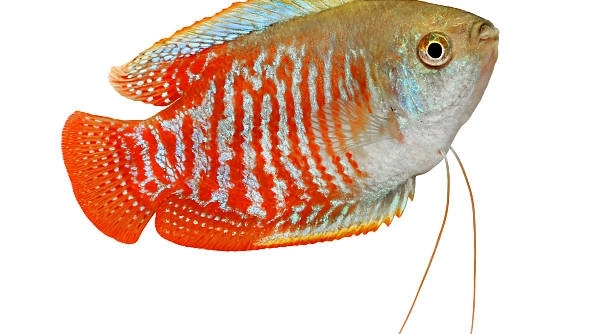
Gouramis are popular freshwater fish known for their bright colors and lively behavior. Changes in their environment or health can affect how playful they are. Understanding these changes helps owners provide better care and maintain their fish’s well-being.
Several factors can impact gourami playfulness, including water quality, tank size, diet, stress levels, social interaction, lighting, and health conditions. Each of these changes influences the fish’s activity level, behavior, and overall mood in measurable ways.
Recognizing these factors can improve how you care for your gourami and help keep them active and healthy over time.
Water Quality and Its Impact on Playfulness
Water quality is one of the most critical factors influencing gourami behavior. Poor water conditions, such as high levels of ammonia, nitrites, or nitrates, can cause stress and discomfort, leading to decreased activity. Maintaining proper pH, temperature, and cleanliness ensures a stable environment that supports natural behaviors. Regular water changes and testing are necessary to keep parameters within a healthy range. When water quality declines, gouramis may hide more often or become sluggish, showing little interest in swimming or exploring. Consistent filtration and aeration help keep the tank water fresh and oxygenated, which also encourages playfulness. Clean water reduces the risk of illness, which often causes lethargy. It is important to avoid sudden changes in water chemistry, as these can shock the fish and affect their behavior. Stable, clean water promotes a calm environment where gouramis feel safe and active.
Proper water quality creates an environment where gouramis thrive and exhibit natural playfulness consistently.
Water quality affects more than behavior; it influences health and lifespan. Even slight imbalances can cause long-term stress, reducing activity and interaction. It is important to monitor tank conditions closely and make adjustments promptly to maintain a supportive habitat.
Tank Size and Environment Setup
Tank size significantly affects gourami activity. Smaller tanks restrict movement and can increase stress, reducing playfulness. Larger tanks provide ample space for swimming and exploration, which supports natural behaviors. The environment setup, including hiding spots and plants, also contributes to comfort and security. Proper decoration helps gouramis feel safe, encouraging more active behavior. Without enough space or suitable cover, gouramis may become withdrawn or less interactive.
A larger, well-structured tank encourages gouramis to be more lively and engaging.
Providing at least 20 gallons per gourami allows adequate swimming room. A variety of plants and hiding places create a balanced environment where gouramis can explore or retreat when needed. Open swimming areas promote exercise and play, which is essential for mental and physical health. Careful tank setup that mimics natural habitats supports normal behaviors. Avoid overcrowding, as it leads to competition and stress, which diminishes playfulness. Regularly changing the layout can also stimulate curiosity and activity. Proper tank size and thoughtful design are key to maintaining gourami vitality.
Diet and Its Role in Playfulness
A balanced diet directly affects gourami energy levels. Poor nutrition can cause lethargy and reduce playfulness. Feeding high-quality food and varied diets keeps them active and healthy. Overfeeding or underfeeding also impacts behavior and overall well-being.
Offering a mix of flakes, pellets, and live or frozen foods provides essential nutrients. Protein-rich options like brine shrimp or bloodworms boost energy. Vegetables such as spinach or peas add fiber and vitamins. Consistent feeding schedules help maintain stable energy throughout the day. Avoid excessive treats to prevent obesity, which decreases activity. Proper nutrition supports vibrant colors and lively movements.
If diet lacks variety or quality, gouramis can become dull and inactive. Monitoring feeding habits and adjusting portions ensures gouramis remain playful and alert. It also prevents digestive issues that reduce energy. Quality food promotes longer life and sustained activity.
Stress and Social Interaction
Stress lowers gouramis’ willingness to play. Factors like tank mates, sudden changes, and poor environment increase stress levels. Reducing these triggers helps maintain a playful nature.
Gouramis are generally peaceful but may react negatively to aggressive or overly active tank mates. Properly matching species and providing hiding places reduces stress. Gradual acclimation to new tank conditions or companions minimizes tension. Consistent routines and stable environments make gouramis feel secure. Stress also results from overcrowding, poor water quality, or loud disturbances near the tank.
Social interaction can boost playfulness when conditions are right. Gouramis often enjoy gentle companionship but may become territorial. Observing behavior helps identify when adjustments are needed. A calm, well-organized tank promotes healthier social dynamics and encourages natural, lively behavior.
Lighting Conditions and Playfulness
Lighting affects gourami activity. Too bright or too dim lighting can cause stress or lethargy. Proper lighting balance supports natural behavior and encourages playfulness.
Gouramis prefer moderate lighting that mimics their natural environment. Using timers to maintain consistent light cycles helps regulate their daily activity patterns and reduces stress.
Health and Disease Impact
Illness and parasites can severely reduce gourami playfulness. Symptoms such as lethargy, loss of appetite, and abnormal swimming often signal health problems. Early detection and treatment are essential to restore energy and normal behavior.
Temperature Effects
Temperature changes influence gouramis’ metabolism and activity. Stable temperatures within the 75–82°F range encourage normal behavior and playfulness. Sudden fluctuations can cause stress and sluggishness, impacting overall well-being.
Tank Mates Influence
Tank mates affect gourami behavior. Peaceful companions promote a calm environment, while aggressive or overly active fish increase stress, lowering playfulness. Choosing compatible species supports a lively tank atmosphere.
FAQ
What causes my gourami to suddenly stop being playful?
A sudden drop in playfulness is often linked to changes in water quality, temperature, or diet. Stress from new tank mates or a recent move can also affect behavior. Illness is another common reason. Checking water parameters and observing for signs of disease can help identify the cause.
How can I improve my gourami’s playfulness?
Improving playfulness starts with maintaining stable water conditions, providing a proper diet, and ensuring enough space in the tank. Reducing stress by selecting compatible tank mates and offering hiding spots helps as well. Regular monitoring of health is essential to keep gouramis active.
Can poor diet make gouramis less active?
Yes, a diet lacking in variety or essential nutrients leads to low energy and dull behavior. Feeding high-quality flakes, pellets, and occasional live or frozen food provides balanced nutrition. Avoid overfeeding, as obesity can reduce activity levels.
Does tank size really affect gourami behavior?
Tank size impacts behavior significantly. Small tanks restrict movement, increase stress, and reduce playfulness. Larger tanks offer room for swimming and exploring, which encourages natural activity. A minimum of 20 gallons per gourami is recommended for healthy behavior.
What lighting conditions are best for gouramis?
Moderate lighting that simulates natural day and night cycles is best. Too much light causes stress, while too little reduces activity. Using timers to keep a consistent schedule helps regulate behavior and promotes playfulness.
How do tank mates influence gourami playfulness?
Compatible, peaceful tank mates support calm conditions, encouraging gouramis to be more active. Aggressive or overly energetic fish cause stress, which lowers playfulness. Choosing species that share similar temperaments improves overall tank harmony.
Can stress reduce gourami activity?
Stress is a major factor in decreased playfulness. Causes include overcrowding, poor water quality, sudden environmental changes, and incompatible tank mates. Minimizing stressors helps gouramis remain lively and interactive.
What health issues affect gourami playfulness?
Common health problems like parasites, infections, or swim bladder disorders cause lethargy and reduced activity. Early detection through observation and prompt treatment can restore normal behavior. Regular tank maintenance reduces the risk of illness.
How often should I clean the tank to maintain playfulness?
Regular cleaning is crucial. Partial water changes weekly or biweekly keep toxins low and water quality high. Over-cleaning can stress fish, so aim for balance. Clean filters as needed and remove uneaten food to prevent harmful buildup.
Is it normal for gouramis to have less playful periods?
Yes, gouramis may naturally reduce activity during certain times, such as after feeding or during rest periods. However, prolonged inactivity or hiding suggests an underlying problem like stress or illness.
What role does temperature play in gourami behavior?
Temperature directly influences metabolism and activity. Keeping the tank between 75 and 82°F maintains optimal playfulness. Sudden temperature changes can shock gouramis, causing stress and lethargy.
Can rearranging the tank improve playfulness?
Changing tank decorations and adding plants can stimulate curiosity and activity. However, avoid frequent drastic changes, which may cause stress. A stable yet enriched environment encourages exploration and interaction.
How can I tell if my gourami is stressed?
Signs of stress include hiding, rapid breathing, color fading, and erratic swimming. Stress often leads to reduced playfulness. Identifying and addressing stress sources quickly improves fish behavior and health.
Are gouramis social fish?
Gouramis show varying social tendencies depending on species. Some prefer solitary lives, while others enjoy gentle company. Observing your gourami’s behavior helps determine if it benefits from tank mates or prefers solitude.
Can overfeeding affect playfulness?
Overfeeding leads to obesity and poor water quality, both of which reduce activity. Stick to recommended portions and remove excess food to maintain a healthy, playful fish.
What signs indicate a healthy, playful gourami?
Active swimming, bright colors, regular feeding, and exploring the tank are signs of good health and playfulness. A healthy gourami also interacts with its environment and tank mates without signs of stress.
This FAQ provides clear answers to common concerns, helping maintain gourami vitality and activity in home aquariums.
Final Thoughts
Gouramis are known for their gentle nature and playful behavior, but several factors can influence how lively they appear. Changes in their environment, diet, and health can all affect their energy levels and willingness to interact. Maintaining stable conditions and paying close attention to their needs is essential for encouraging natural playfulness. Keeping the tank clean, feeding a balanced diet, and providing proper lighting and temperature all contribute to a healthy, active fish.
Stress is one of the main reasons gouramis lose their playful nature. Stress can come from overcrowding, aggressive tank mates, sudden changes in water quality, or inconsistent feeding. It is important to observe their behavior regularly to detect any signs of stress early. Providing enough space, hiding spots, and compatible companions helps reduce tension. Managing stress effectively supports their overall health and keeps their playful instincts intact.
Regular monitoring and care are key to ensuring gouramis stay active and happy. Illness can quickly affect their behavior, so early detection is important. Maintaining consistent routines in feeding, tank cleaning, and environmental conditions helps prevent many common problems. When these factors are managed well, gouramis tend to exhibit their natural curiosity and energy. This results in a more engaging and enjoyable aquarium experience.

Hello,
If you enjoy the content that we create, please consider saying a "Thank You!" by leaving a tip.
Every little bit helps us continue crafting quality advice that supports the health, happiness, and well-being of pets around the world, for pets of all shapes, sizes, and species.
We really appreciate the kindness and support that you show us!