
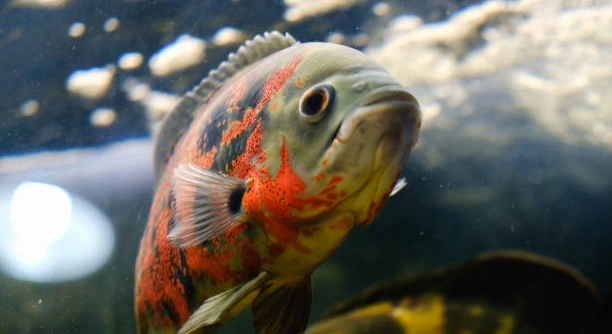
Oscar fish are known for their vibrant personalities and sometimes challenging behavior. Understanding what they dislike can help you maintain a healthier, happier aquarium environment for them. There are certain changes that can make them stressed and uncomfortable.
Oscar fish are sensitive to rapid changes in their environment, including temperature fluctuations, water quality, and tankmates. They may also dislike overcrowding, poor diet, and tank decorations that disrupt their natural behaviors. Providing stability is crucial for their well-being.
Ensuring a stable environment and understanding their preferences will help you create a comfortable space for your Oscar fish. We will explore these dislikes and provide tips to help you keep your fish happy and healthy.
Rapid Temperature Changes
Oscar fish are particularly sensitive to temperature changes. Fluctuations in water temperature can cause them significant stress, leading to weakened immune systems, reduced appetite, or even illness. Ideally, Oscar fish should be kept in water temperatures between 74°F and 81°F (23°C and 27°C). A steady temperature within this range promotes their health and activity levels. Sudden drops or rises in temperature, such as those caused by power outages or improperly maintained heaters, can result in distress.
Oscars may appear more lethargic and less responsive to their surroundings when the temperature shifts drastically. This behavior is a sign of discomfort. Keeping a reliable aquarium heater and monitoring the water temperature regularly will prevent these issues.
If you’re planning to adjust the temperature in their tank, do so gradually over a period of hours rather than making an abrupt change. A consistent, stable environment will prevent stress and help your Oscar thrive. Investing in a quality thermometer can be an effective way to monitor temperature changes closely.
Poor Water Quality
Oscars are messy eaters, and their waste can quickly affect the quality of the water. Dirty water can lead to the build-up of toxins like ammonia, which can stress your fish and cause health problems. Regular water changes are essential to maintaining a clean tank. Keeping the water clear also ensures that the fish can breathe properly and enjoy a healthy environment.
Water filters are another critical part of maintaining a healthy Oscar tank. Invest in a high-quality filter that can handle the size of your aquarium and the amount of waste generated by the fish. In addition to filtration, be sure to test the water regularly for ammonia, nitrites, and nitrates.
Oscars are more likely to suffer from skin and gill diseases in poor water conditions. As a result, a regular cleaning routine that includes water changes, filter maintenance, and substrate cleaning is key to keeping your Oscar fish in optimal health. Always remember that consistent maintenance is easier than dealing with a tank disaster.
Overcrowding
Overcrowding can make your Oscar fish feel cramped and stressed. A crowded tank limits their space to swim and reduces the overall water quality. Oscars need a minimum of 55 gallons of water per fish, and even more is ideal if you plan to house more than one. This allows them to move freely and feel secure in their environment.
When Oscars are kept in tanks that are too small, they may exhibit signs of aggression, stress, or even stunted growth. This can result in an unhealthy fish that is more susceptible to diseases. A larger tank provides better water circulation and filtration, ensuring that your fish have a comfortable space to thrive.
It’s essential to consider the size and behavior of the other fish in the tank. Oscars are known for being territorial, especially as they mature. Keeping tankmates that are too small or slow-moving can increase the likelihood of aggression. Larger, more active fish can reduce the risk of conflict.
Tank Decorations
The type of tank decorations you use can significantly impact your Oscar fish’s comfort. Oscars prefer decorations that mimic natural environments, such as large rocks or driftwood, but they may dislike items that are too sharp or too small. Decorations that take up too much space can also reduce the swimming area, which can make your fish feel trapped.
Avoid placing too many decorative items in the tank. Overdecorating can limit the fish’s ability to swim freely, which can lead to stress. Decorations should be placed in a way that allows Oscars to establish territories but also leaves plenty of open water. This setup gives them a sense of security while also offering room to move.
While Oscars like hiding spots, it’s important to ensure these areas aren’t too confined. A cave or rock structure can provide a refuge when they need rest, but it should not limit their movement or make them feel isolated. Properly designed tank decorations promote healthy behavior and reduce stress.
Poor Diet
An improper diet can lead to health issues in your Oscar fish. Feeding them the wrong food or not providing enough variety can cause nutritional deficiencies and digestive problems. A balanced diet with high-quality pellets, frozen foods, and occasional live foods is essential for their well-being.
Oscars are carnivorous and require a diet rich in protein. Regularly feeding them a mix of food sources, such as shrimp, worms, and fish fillets, helps ensure they receive all the necessary nutrients. Overfeeding should also be avoided, as it can lead to obesity and poor water quality.
Their appetite may change based on the water temperature and environment. Be mindful of how much you feed them to avoid leftover food that can foul the water.
Aggressive Tankmates
Tankmates that are overly aggressive can cause unnecessary stress to your Oscar fish. Oscars are known for their territorial nature, and they may react defensively to overly dominant tankmates. It’s important to choose companions that are large, fast, and capable of holding their own.
Aggressive fish can not only harm your Oscar but also create an unhealthy environment in the tank. Oscars are better suited with other large, robust species like catfish or cichlids. These fish tend to stay out of the way of the Oscar’s territory, allowing both species to coexist more peacefully.
It’s important to monitor their behavior closely, especially if introducing new fish. Be prepared to separate any aggressive tankmates to maintain a stress-free environment.
Sudden Water Changes
Changing the water too rapidly can shock your Oscar fish. Sudden shifts in water parameters, like pH and hardness, can result in serious stress or even death. Water changes should always be gradual, allowing the fish to adjust to the new conditions.
It’s recommended to change no more than 25% of the tank’s water at a time. This helps avoid sudden shifts in water chemistry, which can cause your fish to panic. Additionally, make sure the new water matches the temperature of the tank to prevent thermal shock.
Consistent water maintenance, including gradual changes, will create a stable environment that helps keep your Oscar fish comfortable and healthy.
FAQ
What size tank does an Oscar fish need?
Oscar fish require a minimum tank size of 55 gallons for one fish. However, for optimal growth and comfort, a 75-gallon tank or larger is recommended. Oscars are large fish, and they need plenty of space to swim and establish their territory. A cramped environment can lead to stress, aggression, and stunted growth. As a rule, the more space you can provide, the better for your fish’s overall health and behavior.
How often should I change the water in my Oscar fish tank?
Water changes should be done regularly, typically every 1-2 weeks, to maintain a healthy environment for your Oscar fish. A 25-30% water change is ideal each time. This removes excess waste, uneaten food, and harmful chemicals that accumulate in the tank. Regular water changes help prevent ammonia and nitrate build-up, which can cause stress and illness in your Oscar. Always make sure the replacement water is conditioned and matches the temperature of the tank to avoid shocking your fish.
Can Oscar fish live with other fish?
Yes, but it’s important to choose compatible tankmates. Oscars are known for their territorial nature, so they may not get along with smaller or more passive fish. Larger, active fish such as other cichlids, catfish, or fast-moving species are better suited as tankmates. Avoid keeping Oscars with fish that can be easily bullied or stressed by their behavior. It’s also important to monitor interactions, especially when introducing new fish into the tank.
What do Oscar fish eat?
Oscar fish are carnivorous and thrive on a diet rich in protein. They can be fed high-quality pellets specifically designed for carnivorous fish. You should also provide them with occasional live or frozen foods, such as shrimp, worms, or small fish. This variety ensures they get all the necessary nutrients. Be careful not to overfeed them, as excess food can lead to poor water quality and health issues. Feeding them 1-2 times a day is typically enough.
How do I know if my Oscar fish is stressed?
Signs of stress in Oscar fish can include unusual behavior like hiding, swimming erratically, or staying near the surface. They may also lose their appetite or display aggressive tendencies. Stress can be caused by a variety of factors, including poor water quality, overcrowding, aggressive tankmates, or sudden changes in their environment. If you notice these behaviors, it’s important to check the water parameters and overall tank setup to ensure everything is in optimal condition for your fish.
Can Oscar fish live in cold water?
Oscar fish are tropical fish and require warm water to thrive. The water temperature should be kept between 74°F and 81°F (23°C and 27°C). If the temperature drops below this range, it can weaken their immune system and make them more susceptible to diseases. Cold water can also cause them to become lethargic and lose their appetite. A reliable aquarium heater is essential for maintaining the proper water temperature and providing a stable environment for your Oscar.
How long do Oscar fish live?
Oscar fish have a lifespan of 10-15 years when properly cared for. Their longevity depends on factors like water quality, diet, tank size, and overall care. Providing a stable environment, feeding them a balanced diet, and maintaining good water conditions will help them live a long, healthy life. Some Oscars in ideal conditions have been known to live even longer.
What are the best tank decorations for Oscar fish?
Oscar fish enjoy having some decorations in their tank but need enough open space to swim freely. Large rocks, driftwood, and caves can provide hiding spots where they feel secure. However, avoid decorations with sharp edges that could potentially injure them. It’s also important not to overcrowd the tank with decorations, as this can limit their swimming space. Ensure the decorations are sturdy and won’t be easily moved around by the Oscar’s strong movements.
Do Oscar fish need a filter?
Yes, a filter is essential for maintaining good water quality in your Oscar’s tank. Oscars are messy eaters and produce a lot of waste, so a strong filtration system is needed to keep the water clean. A filter helps remove excess food, waste, and toxins from the water, making the tank a healthier environment for your fish. It’s important to choose a filter that’s rated for the size of your tank, and be sure to clean and maintain it regularly for optimal performance.
Why is my Oscar fish losing color?
Loss of color in an Oscar fish can indicate stress, poor water quality, or an illness. If your Oscar is not receiving proper nutrition or is exposed to unhealthy water conditions, its colors may fade. Make sure the water is clean, with proper levels of pH, ammonia, nitrites, and nitrates. Additionally, ensure the fish is being fed a high-quality diet with sufficient protein. If the color loss persists, it could be a sign of a health issue, and you may need to consult an aquarium specialist.
How can I stop my Oscar fish from being aggressive?
Oscar fish can be aggressive, especially if they feel their territory is being threatened. To reduce aggression, make sure the tank is large enough to provide them with ample space. You can also add tankmates that are similarly sized and active to discourage bullying. Avoid keeping Oscars with slow-moving or smaller fish that may become targets. If aggression continues, separating the fish or providing more hiding spots can also help.
Why is my Oscar fish not eating?
If your Oscar fish is not eating, it could be a sign of stress, illness, or poor water quality. Check the water parameters to ensure they are within the ideal range. Stress can also result from changes in their environment, such as new tankmates or sudden temperature fluctuations. If your Oscar continues to refuse food, consider providing different types of food or consulting an aquarium expert to rule out any underlying health issues.
Final Thoughts
Oscar fish are fascinating creatures, known for their intelligence and bold personalities. They can make a great addition to your aquarium, but they require careful attention and the right environment to thrive. Understanding their needs, including water quality, tank size, and diet, is essential for keeping them healthy. While Oscars are hardy, they are also quite sensitive to changes in their environment, so creating a stable, comfortable habitat is key.
Maintaining a healthy tank for an Oscar fish involves more than just feeding them regularly. You must also monitor water parameters like pH, ammonia, nitrites, and nitrates, as these factors can significantly impact their health. A reliable filtration system is necessary to keep the water clean, and regular water changes will help maintain a balanced environment. Ensuring the right temperature range is also crucial, as Oscars are tropical fish and need warm water to stay active and healthy. The care you put into their tank will directly affect their quality of life.
Lastly, it’s important to remember that Oscars can live for many years, sometimes over a decade, so they are a long-term commitment. If you can provide the space, nutrition, and care they need, they will reward you with their fascinating behavior and vibrant personality. However, they are not ideal for every aquarium. Be sure to choose tankmates carefully and provide enough space for them to establish their own territory. By understanding and meeting the needs of your Oscar fish, you’ll create a happy and healthy environment for both you and your fish.

Hello,
If you enjoy the content that we create, please consider saying a "Thank You!" by leaving a tip.
Every little bit helps us continue crafting quality advice that supports the health, happiness, and well-being of pets around the world, for pets of all shapes, sizes, and species.
We really appreciate the kindness and support that you show us!