
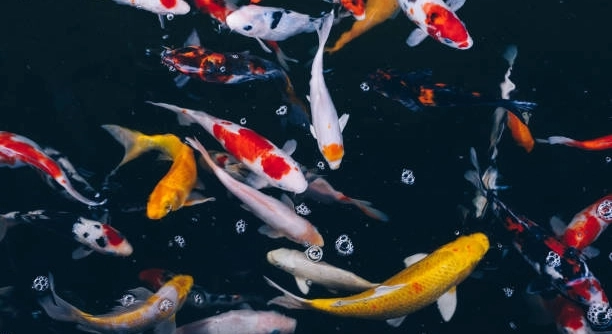
Have you ever noticed small changes in your koi fish’s fins and wondered if it’s just part of them growing up?
Koi fins go through noticeable changes as the fish matures, including shifts in size, shape, coloration, and texture. These transformations are influenced by genetics, water quality, diet, and overall health, marking key developmental stages.
Knowing what to expect as koi mature can help you spot issues early and enjoy the beauty of these fish even more.
1. Fin Length Becomes More Defined
When koi are young, their fins are usually short and rounded. As they grow, these fins start to elongate and become more graceful. The most noticeable change often happens around the one-year mark. Males typically develop longer and more pointed pectoral fins, while females may keep a more rounded shape. These changes help tell the difference between the sexes. Watching this transformation can be satisfying, especially if you’re raising koi from a young age. It’s important to provide a balanced diet and clean water during this time, as growth can be easily affected by stress or poor conditions. You’ll also notice that the edges of the fins begin to smooth out and look more uniform. Proper filtration and enough space in the pond also encourage healthy fin development. Pay close attention during seasonal shifts, as changes in water temperature can influence the rate of growth in young koi.
This growth phase may happen gradually, but with consistent care, the changes will stand out clearly as they mature.
The shape and length of koi fins often stabilize by the time the fish reaches two to three years of age. After that, only small changes may occur, often tied to environmental shifts or health issues.
2. Color Becomes Richer or Fades
As koi grow older, the colors in their fins can either deepen or fade depending on many factors like genetics, diet, and sunlight exposure.
Koi with strong genetics and good care usually develop deeper, more vibrant colors in their fins over time. However, some fish may experience fading if they’re not getting enough nutrients, or if they’ve been overexposed to direct sunlight for long periods. Color can also shift due to stress, water quality, or illness. Red fins may become more intense, or duller, depending on the health of the fish. Black markings sometimes vanish or lighten as the koi matures, especially in certain varieties. On the other hand, white and yellow colors often become brighter with age when the fish is healthy and well cared for. To maintain strong coloration, it’s helpful to include color-enhancing food in their diet. Spirulina and krill are two ingredients that can support pigment strength. Proper pond shading and stable water temperatures also play a role in helping koi maintain their vivid fin colors throughout their lives.
3. Fin Edges May Show Fraying or Thickening
Some maturing koi develop slight fraying or thickening along the fin edges. This can be a natural part of aging, but it may also signal minor environmental stress or early signs of wear from tank or pond surfaces.
Fin edges that appear thicker or slightly uneven don’t always mean something is wrong. As koi grow, their fins may naturally change texture or become less smooth. This is more common in older fish or those that have experienced seasonal water changes. However, it’s important to rule out fin rot or bacterial infections by keeping water clean and well-filtered. Adding aquarium salt can support fin health in mild cases. If the koi are rubbing against rough surfaces or each other, that could cause minor damage. Make sure the pond has smooth decor and enough space to reduce friction or crowding, especially in warmer months when activity increases.
Males tend to show more fin wear during mating seasons due to their active behavior. You might notice small nicks or uneven edges after spawning activity. If the koi are otherwise active, eating well, and have no visible sores or swelling, this kind of fin wear is often harmless. Just keep monitoring water quality and avoid sudden temperature swings.
4. Veining in Fins Becomes More Visible
As koi mature, you may notice thin red or dark lines forming in their fins. These veins often become more pronounced with age, especially in lighter-colored fish. It’s usually nothing to worry about if the koi acts normally.
The appearance of visible veining can vary between koi based on color, age, and overall health. White or pale-finned koi tend to show more detail in their fin structure as they age. These veins become more noticeable when the koi is under stress, such as after water changes or feeding. Still, in calm and healthy koi, it’s just a result of maturing tissue. However, if the veins are raised, swollen, or seem inflamed, it could signal a health issue. In that case, it’s best to check for poor water conditions or parasite activity. Monitoring ammonia and nitrite levels weekly helps prevent problems before they start and keeps your koi looking their best.
5. Fin Transparency Can Decrease
Young koi often have see-through fins, especially near the tips. As they grow, these areas may become cloudier or more opaque. This change is normal and can be linked to age, diet, and overall skin thickness.
Clear fins turning slightly milky is also tied to growing tissue density. This change is more common in koi with pale or metallic coloring. If the fish stays active and healthy, there’s usually no cause for concern. Watch for sudden cloudiness, which could suggest water quality issues or early infection.
6. Symmetry May Shift Slightly
As koi mature, fin symmetry can change a bit, especially if growth rates between sides aren’t even. One fin might look longer or sit slightly lower. While usually harmless, large differences could mean the fish had past injuries or poor nutrition early on.
7. Small Bends or Curves May Appear
Some koi develop slight bends or waves in their fins over time. This is more common in older koi or those raised in smaller spaces. As long as the fish swims well and seems comfortable, this isn’t usually a problem.
What causes koi fins to change during maturity?
Koi fins change as the fish grows because of natural development, genetics, and environmental factors. As koi age, their fins grow longer, change shape, and sometimes alter in color. Good water quality, proper diet, and enough space support healthy fin growth. Stress, illness, or poor conditions can also affect fin appearance by causing damage or slowing growth. Seasonal changes and breeding behaviors may cause temporary changes in fin shape or texture. These natural and external factors work together to shape the fins over time.
How can I tell if fin changes are normal or signs of illness?
Normal fin changes happen slowly and evenly, with fins looking smooth, healthy, and symmetrical. If you notice sudden fraying, discoloration, thickening, or holes in the fins, these may be signs of illness or injury. Fin rot or fungal infections often cause ragged edges or a fuzzy look. Infections can also make fins appear dull or cloudy. If the koi seems lethargic, stops eating, or shows other behavior changes, it’s best to test water quality and consider treatment. Keeping the pond clean and stable helps prevent most health problems.
Why do some koi develop fin fraying as they mature?
Fraying on koi fins can be a normal result of aging or physical wear from rubbing against pond decorations or other fish. Active males may show more fin wear during spawning seasons. However, poor water quality or early infections like fin rot can also cause fraying. Regular water testing and maintaining a clean environment reduce the risk. If fraying looks severe or worsens quickly, treatment with aquarium salt or medication might be necessary.
What causes fin color to fade or darken?
Fin color changes are affected by genetics, diet, sunlight, and health. A healthy koi with good nutrition and balanced light exposure will usually develop deeper and brighter fin colors as it matures. However, stress, illness, or poor diet can cause fading. Too much direct sunlight can bleach colors over time. Some koi also lose black markings or show shifts in color patterns naturally. Feeding color-enhancing foods and providing some shade in the pond helps maintain rich fin colors.
Is it normal for fin veins to become more visible?
Yes, visible veins in koi fins become more noticeable with age, especially in lighter-colored fish. This happens as the fin tissue thickens and matures. Veins look like thin red or dark lines and are usually not a concern if the koi behaves normally. If veins appear swollen, raised, or inflamed, it could be a sign of infection or poor water conditions, which should be addressed quickly.
How can I support healthy fin development in my koi?
The best support for healthy fins is good water quality, a nutritious diet, and enough space to swim freely. Regular pond cleaning, proper filtration, and stable temperatures reduce stress and illness. Feeding high-quality koi food with added vitamins and color enhancers helps maintain strong fin tissue. Avoid overcrowding, and provide smooth pond decorations to prevent fin damage. Monitoring fish behavior and inspecting fins regularly helps catch problems early.
Can fin shape differences indicate health problems?
Minor differences in fin shape or length are common and often harmless, especially if the fish had past injuries or uneven growth. Large asymmetry or sudden changes might indicate health issues like infection or physical damage. If a koi struggles to swim or shows signs of distress, fin shape changes should be investigated. Regular health checks and maintaining good pond conditions help minimize problems.
When should I seek treatment for fin issues?
If you notice rapid fin deterioration, ragged edges, discoloration, swelling, or if the koi shows behavior changes like lethargy or loss of appetite, it’s time to act. Testing water quality is the first step. Treatments like aquarium salt, antibacterial or antifungal medications can help, but it’s best to diagnose the cause correctly. Early intervention improves recovery chances and prevents spread to other fish.
Why do some mature koi fins lose their transparency?
Fin transparency often decreases as koi mature because fin tissue becomes denser and thicker. This change is natural and more noticeable in lighter or metallic-finned koi. It’s not usually a health concern if the fish remains active and healthy. Sudden cloudiness, however, could signal infection or water quality issues, which should be checked promptly.
Do fin changes continue throughout a koi’s life?
Most significant fin changes happen during the first few years of growth. After reaching maturity, fins tend to maintain a stable shape and size, with only minor changes due to aging or environmental factors. Some older koi develop slight bends or waves in their fins, which usually don’t affect swimming or health. Keeping the environment stable helps maintain fin condition over time.
Koi fins go through many changes as the fish grows and matures. These changes include differences in fin length, color, texture, and shape. Some of these shifts happen naturally as part of the koi’s development, while others are influenced by the environment, diet, and overall health. Watching these changes over time can help koi keepers better understand their fish and notice when something might be wrong. Paying attention to fin condition is an important part of caring for koi because healthy fins often reflect a healthy fish.
Taking care of koi means providing a good environment that supports their growth. This includes keeping the water clean and stable, feeding a balanced diet, and giving the fish enough space to swim comfortably. Poor water quality, overcrowding, or stress can cause fin problems like fraying, discoloration, or even infections. By keeping an eye on the fins and maintaining proper care, many issues can be avoided or caught early before they become serious. Small changes like fin thickness or slight bends are often normal, but large or sudden changes should be investigated.
Understanding the changes in koi fins helps koi owners make better decisions about their care. It also makes it easier to tell the difference between natural growth and health concerns. Remember that every koi is different, and genetics play a role in how their fins develop. Providing consistent care and monitoring your koi regularly will give them the best chance for strong, beautiful fins throughout their life. This knowledge will make caring for koi more rewarding and enjoyable in the long run.

Hello,
If you enjoy the content that we create, please consider saying a "Thank You!" by leaving a tip.
Every little bit helps us continue crafting quality advice that supports the health, happiness, and well-being of pets around the world, for pets of all shapes, sizes, and species.
We really appreciate the kindness and support that you show us!