
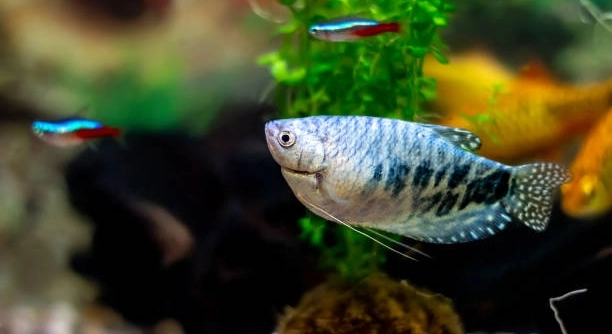
Gouramis are fascinating fish known for their unique mating behaviors. After mating, these fish often show noticeable changes in how they act. Observing these shifts can help fishkeepers understand their pets better.
After gouramis mate, their behavior typically changes in seven key ways, including increased territoriality, altered feeding habits, reduced social interaction, enhanced nest guarding, shifts in activity levels, changes in coloration, and modified breathing patterns. These behaviors support reproductive success and offspring survival.
Knowing these behavior changes is important for caring for gouramis properly. Recognizing what to expect can improve your experience as a fishkeeper and support the well-being of your aquatic pets.
Increased Territorial Behavior
After mating, gouramis often become much more territorial. They guard their space carefully to protect their nests and eggs from other fish. This change can be quite noticeable if you keep multiple gouramis or other species in the same tank. The male gourami especially shows more aggression, patrolling the area and chasing away intruders. This behavior helps ensure that their offspring have a safer environment to grow. Sometimes, the increased territoriality might cause stress to other fish nearby, so it’s important to watch for signs of conflict. Adjusting tank decorations to create more hiding spots can help reduce tension among fish. Keeping the tank clean and maintaining stable water conditions also supports a healthy environment during this period. Observing these changes helps you provide the right care and keep peace in your aquarium.
Territorial behavior is a natural way for gouramis to protect their young. It plays a key role in their reproductive success.
Understanding this can help you manage tank dynamics and maintain harmony among your fish during breeding season.
Changes in Feeding Habits
After mating, gouramis might eat less or behave differently during feeding times. This change is often linked to the energy they spend on guarding the nest and caring for eggs or fry. The male gourami especially reduces its feeding to stay focused on protecting the offspring. In some cases, the fish may become pickier about food or eat only at certain times. It’s important to offer nutritious and easily digestible food to support their energy needs during this demanding phase. Watching their feeding patterns closely can alert you to any health concerns or stress. Offering small, frequent meals rather than one large feeding can be beneficial. This adjustment helps gouramis maintain their strength while managing their new responsibilities. Keeping a close eye on these feeding changes will help you support your fish better through their breeding cycle.
Reduced Social Interaction
Gouramis tend to become less social after mating. They avoid other fish to focus on protecting their nest and offspring.
This withdrawal is more common in males, who guard the eggs closely. They may hide more often and show less interest in swimming with the group. This behavior helps reduce stress and distractions, allowing them to concentrate on their parental duties. The female gourami may also keep a low profile during this time, avoiding unnecessary movement around the tank. It’s important to give the fish enough space and avoid disturbing them. Limiting tank activity and noise can support their calmness during this sensitive period. Reduced social interaction is a natural response tied to reproductive priorities.
Though it might seem like the gouramis are distant, this behavior ensures their focus remains on offspring survival.
Supporting their need for quiet and space is key to a successful breeding environment.
Enhanced Nest Guarding
Gouramis increase their nest-guarding behavior significantly after mating. The male typically stays close to the bubble nest, defending it from intruders.
Nest guarding involves constant vigilance and frequent adjustments to the nest structure to keep eggs safe. The male may rearrange bubbles or remove debris that could harm the eggs. This behavior is demanding and can cause the fish to show signs of fatigue or reduced appetite. Proper tank maintenance and minimal disturbance are essential to avoid adding stress. Providing a quiet, low-traffic environment encourages the male to focus fully on guarding the nest. It’s fascinating to see how dedicated gouramis become during this phase, putting their energy into protecting the next generation. These efforts greatly increase the chances of fry survival in captivity.
Shifts in Activity Levels
Gouramis usually show changes in how active they are after mating. Many become less energetic, staying near their nests more often.
This reduced movement helps conserve energy for guarding eggs and caring for fry. It also lowers the chance of attracting predators or stressing other fish in the tank.
Changes in Coloration
Gouramis often display brighter or more intense colors after mating. This change signals their readiness and vitality during the breeding phase.
The male especially shows enhanced coloration to attract the female and warn other fish to stay away. This shift is temporary and fades after the breeding period ends. It’s a natural sign of health and breeding status that makes the fish easier to spot.
Modified Breathing Patterns
After mating, gouramis sometimes change how often and deeply they breathe. This adjustment helps meet their increased oxygen needs during nest guarding and parental care.
How long do these behavior changes last after gourami mating?
Behavior changes in gouramis after mating generally last anywhere from several days to a few weeks. The most intense period is during egg incubation and early fry care, when the male is highly protective. Once the fry become more independent, the gouramis gradually return to their normal routines. However, some changes, like territorial behavior or altered feeding habits, may linger longer depending on tank conditions and the presence of other fish. Keeping the environment stable and low-stress helps gouramis transition smoothly back to their usual behavior.
Why does the male gourami become more aggressive after mating?
The male gourami’s increased aggression is a natural response to protect its eggs and fry. Aggression helps defend the nest from other fish or potential threats that might harm the offspring. This behavior ensures the survival of the next generation by minimizing disturbances. While it may seem harsh, this protective instinct is vital for breeding success. Fishkeepers should provide enough space and hiding spots to reduce conflict during this period. Understanding this behavior can help you manage your tank environment to keep all fish safe.
Is it normal for gouramis to eat less after mating?
Yes, it’s common for gouramis, especially males, to eat less after mating. Guarding the nest and caring for eggs requires energy, but the focus shifts away from feeding to protection. This reduced appetite is temporary and usually returns once the breeding phase ends. To support them, offer small, nutritious meals to keep their energy up without overfeeding. Avoid disturbing the fish during this time, as stress can further reduce their willingness to eat. Monitoring their condition will help you know when they’re ready to resume normal feeding.
How can I help my gouramis during these behavior changes?
Supporting gouramis through these changes means maintaining a calm and clean environment. Avoid sudden movements or loud noises near the tank, and limit tank maintenance to gentle care. Make sure the water quality is excellent and stable. Adding plants or decorations that create hiding spots can reduce stress for all fish. Feeding small, frequent meals helps maintain energy without causing waste buildup. Observing behavior carefully lets you spot signs of illness or excessive stress early. These steps will create a comfortable space for your gouramis to breed successfully.
What should I do if aggression becomes too intense?
If aggression gets too severe, it might harm other fish or the gouramis themselves. In this case, consider increasing tank size or adding more plants and decorations to break lines of sight. This helps reduce confrontations. You may also separate overly aggressive fish temporarily, especially if injuries occur. Ensure there are plenty of hiding spots for all tank inhabitants. Balancing the number of fish and species in the tank can prevent overcrowding, which often worsens aggression. Taking these actions will protect your fish and maintain harmony in the aquarium.
Will all gouramis show these behavior changes after mating?
Most gouramis display these behavior changes, but intensity can vary between individuals and species. Some gouramis are more aggressive or territorial, while others may show subtler signs. Factors like tank conditions, fish health, and environment play a role in how noticeable the changes are. Even within the same species, behavior after mating can differ. Knowing your specific gourami type and paying attention to their habits helps you understand what to expect. Each fish has a unique personality that influences its response to breeding.
Can these behavior changes affect other fish in the tank?
Yes, the behavior changes in gouramis can impact other tank mates. Increased aggression or territoriality may cause stress or conflict. Other fish might hide more or avoid certain areas. This can lead to reduced feeding or health issues if stress is prolonged. It’s important to monitor interactions closely and provide enough space and hiding spots. Sometimes, separating aggressive gouramis or choosing compatible tank mates is necessary. Creating a balanced environment supports all fish during this sensitive breeding period.
Do gouramis need special care after mating?
Gouramis benefit from extra care after mating to support their health and offspring. Maintaining excellent water quality is crucial, as clean water reduces stress and promotes healing. Offering nutritious, easy-to-digest food helps replenish energy spent on guarding eggs. Minimizing disturbances, like loud noises or sudden movements, keeps the fish calm. Providing adequate hiding places reduces tension in the tank. Observing behavior daily allows you to detect any problems early. This focused care helps gouramis thrive and increases the chance of successful breeding.
Gouramis show many interesting behavior changes after mating. These changes are natural and help protect their eggs and young. From becoming more territorial to eating less and guarding their nests carefully, each behavior plays an important role in the fish’s breeding process. Understanding these behaviors can help fishkeepers provide better care and keep their tanks peaceful. When you know what to expect, it is easier to create an environment that supports gouramis during this important time in their lives.
It is normal for gouramis to act differently after mating, and these changes usually last only until the fry grow stronger. During this period, males especially focus on guarding their nests and may become more aggressive or less social. They might also change how they breathe or show brighter colors. These behaviors all work together to keep their offspring safe. Providing a calm, clean tank with plenty of hiding places helps reduce stress for all fish. Watching your gouramis closely will give you clues about how they are doing and when they return to their usual habits.
Taking care of gouramis after mating means being patient and gentle with them. Avoid disturbing the tank too much, feed them nutritious food in small amounts, and make sure water quality stays high. If you have other fish in the tank, give everyone enough space to avoid conflicts. The changes gouramis go through are part of their natural cycle, and supporting them during this time will help them stay healthy and happy. By paying attention to their behavior, you can enjoy watching these unique fish in a new way while helping their babies grow strong.

Hello,
If you enjoy the content that we create, please consider saying a "Thank You!" by leaving a tip.
Every little bit helps us continue crafting quality advice that supports the health, happiness, and well-being of pets around the world, for pets of all shapes, sizes, and species.
We really appreciate the kindness and support that you show us!