
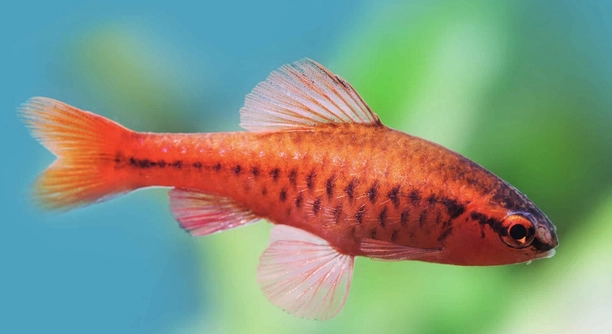
Cherry Barbs are popular aquarium fish that require clean water for optimal health. However, poor water quality can affect their appearance and behavior in noticeable ways. Understanding these changes can help ensure their well-being.
Cherry Barbs exhibit several physical and behavioral changes when exposed to poor water quality. These can include faded colors, reduced activity, fin clamping, and increased stress. In extreme cases, poor water quality can lead to illness or death.
Recognizing these signs early on is crucial. Maintaining stable water conditions will support the health and vitality of your Cherry Barbs.
Poor Water Quality and Its Effects on Cherry Barbs
When water quality is poor, Cherry Barbs can begin to show clear signs of distress. They are sensitive to pollutants, pH imbalances, and high ammonia levels. This stress causes physical changes such as dull coloration, fin clamping, and lethargy. These fish, known for their vibrant red hues, will lose their brightness in poor water conditions. As the water becomes more polluted, the Cherry Barbs may reduce their activity and become less social, often hiding more frequently. Over time, the constant exposure to these harmful conditions can weaken their immune systems, making them more vulnerable to diseases. Addressing poor water quality immediately can help reverse many of these changes and restore their health.
Even slight water issues can have big impacts on Cherry Barbs. They rely on clean, well-maintained tanks for proper growth and behavior. Poor water not only stresses them physically but can also affect their ability to breed.
The best way to monitor water quality is by using a reliable test kit. Regular water changes and proper filtration help maintain healthy levels of ammonia, nitrate, and pH. If you notice changes in your Cherry Barbs’ behavior or appearance, it’s a good idea to test the water and adjust the conditions as needed. A healthy tank should provide your Cherry Barbs with a balanced environment where they can thrive. Ensuring stable water quality helps prevent many of the issues that arise from poor conditions, such as skin lesions, reduced swimming, and respiratory problems.
The Role of Ammonia and Nitrites
Ammonia and nitrites are toxic to Cherry Barbs even in low concentrations. In an unbalanced tank, they can quickly build up, especially in the absence of a proper filter. Elevated ammonia levels irritate the skin and gills, causing breathing difficulties. Nitrites also interfere with oxygen absorption, making it harder for Cherry Barbs to stay active and healthy. Testing for these two compounds regularly is vital in preventing long-term damage.
To keep ammonia and nitrite levels low, ensure that your filtration system is working properly. Perform partial water changes each week, replacing no more than 25% of the water to avoid sudden shifts in water chemistry. If your tank is new, you might need to cycle it longer to establish beneficial bacteria that break down these harmful substances. Adjusting feeding habits and avoiding overstocking will also help maintain safe water levels for your fish.
Effects of High Nitrate Levels on Cherry Barbs
High nitrate levels can lead to long-term health issues for Cherry Barbs. It weakens their immune system, making them more susceptible to infections. Excessive nitrates also disrupt their normal behavior, causing them to hide more often and become less active.
When nitrate levels are too high, Cherry Barbs may exhibit faded colors and slower movement. They might also experience trouble breathing due to the reduced oxygen in the water. Regular water changes and proper filtration can help keep nitrates in check, allowing your fish to stay healthy. Be mindful of overfeeding, as uneaten food can contribute to high nitrate levels.
To prevent nitrate buildup, keep your aquarium clean by removing any debris from the substrate regularly. Adding live plants to the tank can also help absorb nitrates and promote a more stable environment for your Cherry Barbs. Make sure your filtration system is working efficiently, and check nitrate levels frequently to avoid problems. By maintaining stable water conditions, your fish can thrive.
Poor Oxygen Levels and Their Impact
Low oxygen levels can significantly affect Cherry Barbs. When oxygen is insufficient, fish become lethargic and struggle to breathe. Their colors may also dull as a result of stress. Poor water circulation and high temperatures can contribute to reduced oxygen levels, making it harder for Cherry Barbs to stay healthy.
Ensure your tank has proper water movement and aeration. Adding an air pump or adjusting your filter’s flow can improve oxygenation. Cherry Barbs prefer slightly cooler water, so avoid overheating the tank. If your aquarium water is warm and stagnant, oxygen will be harder to absorb, putting your fish at risk. Regular water changes also help oxygen exchange by introducing fresh air into the tank.
If oxygen levels remain low, Cherry Barbs may begin showing signs of distress, such as rapid gill movement and resting near the surface. Keeping the water well-aerated and maintaining a stable temperature will allow your fish to breathe easier and enjoy a higher quality of life. By taking care of these factors, you’ll ensure that your Cherry Barbs remain active and colorful.
The Impact of pH Imbalance on Cherry Barbs
A pH imbalance in the tank can cause significant stress for Cherry Barbs. When the water is too acidic or too alkaline, it affects their overall health. They may become more vulnerable to diseases, and their colors might fade.
If pH levels fluctuate frequently, it can make the fish more anxious. Cherry Barbs prefer slightly acidic to neutral water, around 6.5 to 7.5 pH. Using a pH test kit regularly can help ensure the water stays within the optimal range. Sudden shifts in pH can be harmful, so make gradual adjustments if needed. Keeping the pH stable is key to their well-being.
The Role of Temperature in Cherry Barb Health
Temperature fluctuations can also harm Cherry Barbs. They thrive in temperatures ranging from 72°F to 78°F. When the water gets too warm or too cold, their metabolism slows, and they may stop eating. Stress from temperature changes weakens their immune system and causes other health problems.
Maintaining a consistent temperature is essential. Invest in a reliable heater with a thermostat to keep the tank at the right temperature. Be careful with seasonal changes and avoid placing the tank in direct sunlight or drafty areas. Sudden drops or spikes in temperature will affect your fish’s behavior and overall health. Keep monitoring the temperature to ensure the best environment for your Cherry Barbs.
Cleaning and Water Maintenance for Cherry Barbs
Regular cleaning and water maintenance are essential for Cherry Barbs. Clean the tank weekly to remove any debris or uneaten food that could pollute the water. Regular water changes help maintain good water quality by removing excess nitrates and ammonia.
Proper filtration is also crucial in keeping water clean. Choose a filter that suits the size of your tank and check it regularly to ensure it’s functioning correctly. Testing water quality frequently can help detect issues early, preventing any long-term damage to your fish.
FAQ
How often should I change the water in my tank for Cherry Barbs?
You should change 20-25% of the water in your tank every week. Regular water changes help remove excess waste, nitrates, and other toxins that can build up in the aquarium. This helps maintain good water quality and prevents stress for your Cherry Barbs. Over time, dirty water can lead to poor health, so it’s important to keep up with water changes. In addition, test your water regularly to check for any imbalances that could affect your fish’s health.
Can poor water quality cause my Cherry Barbs to stop eating?
Yes, poor water quality can cause Cherry Barbs to lose their appetite. When they’re stressed due to bad water conditions, they may refuse food. If you notice this behavior, it’s crucial to check the water parameters—like ammonia, nitrite, nitrate, and pH levels. Poor water quality weakens their immune system, making them more vulnerable to diseases. Once you correct the water quality issues, your fish should start eating again. Ensure you test the water and make necessary adjustments to provide a safe environment.
What should I do if my Cherry Barbs are showing faded colors?
Faded colors in Cherry Barbs are often a sign of stress or poor water conditions. They tend to lose their vibrant red color when exposed to high levels of ammonia, nitrites, or nitrates. First, check your water quality using a reliable test kit. If the water is not within the safe range, make immediate changes, like performing a partial water change or adjusting filtration. Stress from poor water quality weakens their immune system and can lead to further health problems. Once the water quality improves, the colors should return.
How can I improve the oxygen levels in my aquarium?
To improve oxygen levels in your aquarium, increase water movement with an air pump or adjust the filter’s flow. You can also add live plants, which release oxygen and help stabilize the water. Another important step is to avoid overstocking your tank, as too many fish can reduce available oxygen. Keep the tank water at an ideal temperature for your Cherry Barbs (around 72°F to 78°F) to prevent oxygen from depleting. Regular water changes also help with oxygenation by allowing fresh water to enter the tank.
Are Cherry Barbs sensitive to temperature changes?
Yes, Cherry Barbs are sensitive to temperature fluctuations. They thrive in a stable environment with a temperature between 72°F and 78°F. If the water temperature drops too low or gets too high, it can cause stress and harm their immune system. Sudden temperature shifts can make your fish more susceptible to illness. Use a reliable aquarium heater with a thermostat to maintain a consistent temperature. Also, avoid placing the tank in areas that are subject to drafts or direct sunlight, as this can lead to temperature instability.
What signs should I look for if my Cherry Barbs are stressed?
Cherry Barbs show several signs of stress. They may become less active, hide more frequently, or stop eating. Other signs include fin clamping, rapid gill movement, or a lack of vibrant colors. Stress can be caused by poor water quality, temperature changes, overcrowding, or aggression from tank mates. If you notice any of these signs, it’s important to check the water conditions and make any necessary adjustments. Reducing stress will help your fish recover and thrive.
Can Cherry Barbs live with other fish?
Yes, Cherry Barbs are peaceful and can live with other fish that share similar water requirements. They are generally social and prefer being kept in groups, which helps reduce stress. Good tank mates for Cherry Barbs include other small, peaceful species such as tetras, guppies, or Corydoras catfish. Avoid keeping them with aggressive fish that may harass or stress them. Make sure the tank is large enough to accommodate all the fish comfortably, and keep an eye on the interactions to ensure a harmonious environment.
How do I prevent algae growth in my aquarium?
To prevent algae growth, keep your aquarium clean by regularly removing debris and uneaten food. Make sure your tank is not exposed to too much direct sunlight, as it can promote algae growth. You can also limit the amount of light your tank receives, keeping it on for no more than 10-12 hours a day. Another key factor is maintaining proper filtration, as it helps control the nutrients that algae feed on. Live plants can also compete with algae for nutrients, reducing its growth.
What type of filter should I use for my Cherry Barbs?
For Cherry Barbs, a gentle filter with moderate water flow is ideal. They do not like strong currents, so a sponge filter or a hang-on-back filter works well. These filters are effective at removing debris and providing adequate water circulation without creating excessive water movement. Make sure the filter is sized appropriately for your tank. It should be able to handle the water volume while providing good mechanical, chemical, and biological filtration to maintain water quality.
Is it normal for Cherry Barbs to hide in their tank?
While Cherry Barbs are typically active and social, they may hide occasionally, especially if they are stressed or feel threatened. This behavior can be triggered by poor water quality, sudden changes in their environment, or bullying from tank mates. Make sure the water conditions are optimal and the tank is set up in a way that makes your fish feel secure. Providing hiding spots with plants or decorations can also help them feel safe and reduce stress. If hiding becomes frequent, it may be a sign of an underlying issue.
Can I use aquarium salt for my Cherry Barbs?
Aquarium salt should only be used with caution. While it can help treat certain health conditions, such as parasites or wounds, it’s not recommended for general use. Cherry Barbs are sensitive to high salinity levels, so adding salt regularly could harm them. If you do choose to use aquarium salt, do so in moderation and follow the recommended dosage. Always consult a veterinarian or experienced aquarist before adding salt to your tank, especially if your Cherry Barbs are already stressed or sick.
How do I know if my Cherry Barbs are sick?
Sick Cherry Barbs may show changes in their behavior, appearance, or eating habits. Look for signs such as faded colors, fin clamping, lethargy, or loss of appetite. They may also develop unusual spots, lesions, or swollen body parts. If you notice any of these symptoms, isolate the affected fish if possible, and check the water quality. Poor water conditions often contribute to illness. If the problem persists, consider consulting a vet who specializes in fish or a knowledgeable aquarist for further advice.
Final Thoughts
Maintaining good water quality is essential for the health and well-being of your Cherry Barbs. These fish are sensitive to changes in their environment, and poor water conditions can quickly lead to stress and illness. Whether it’s ammonia, nitrites, nitrates, or pH imbalances, any disruption in the water can affect their vibrant colors and active nature. By regularly testing the water and performing routine maintenance, you can ensure your Cherry Barbs remain healthy and happy. Clean water not only helps keep your fish looking their best, but it also reduces the chances of disease and other complications.
In addition to water quality, temperature, oxygen levels, and tank conditions all play a role in keeping your Cherry Barbs thriving. They prefer stable temperatures and moderate water movement, which should be considered when setting up their environment. Adding live plants can help improve oxygen levels and offer natural filtration. Having a well-balanced tank with compatible fish also contributes to reducing stress and promoting social behavior. Cherry Barbs enjoy the company of their own kind, so keeping a group of them will likely make them feel more comfortable and less stressed.
If you notice any signs of illness or stress, such as faded colors, lack of appetite, or unusual behavior, take action quickly. Check the water parameters and make necessary adjustments to correct any issues. Often, the problem lies in the water, but it’s always important to observe any physical symptoms and respond accordingly. With proper care and attention to detail, your Cherry Barbs can live long, healthy lives. Just remember that regular maintenance, observation, and adjustments are key to providing the best possible environment for your fish.

Hello,
If you enjoy the content that we create, please consider saying a "Thank You!" by leaving a tip.
Every little bit helps us continue crafting quality advice that supports the health, happiness, and well-being of pets around the world, for pets of all shapes, sizes, and species.
We really appreciate the kindness and support that you show us!