
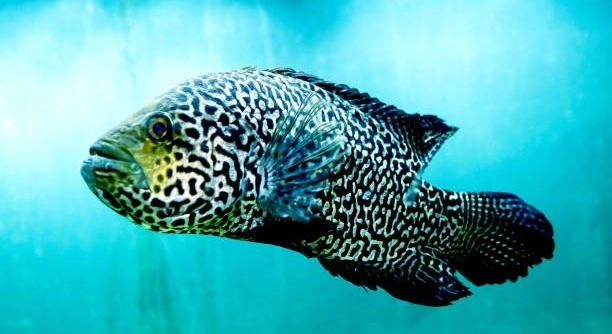
Breeding Jack Dempsey fish can be exciting but also tricky for many aquarists. These colorful cichlids require careful attention, and even small mistakes in their care can make the process more complicated than expected.
Successfully breeding Jack Dempsey fish involves several challenges, including maintaining proper water conditions, managing aggression between adults, ensuring optimal diet, providing suitable nesting areas, and monitoring fry development to reduce mortality and improve survival rates.
Understanding these challenges is essential for any aquarist hoping to raise healthy, thriving Jack Dempsey offspring in a home aquarium.
Aggression Between Adults
Jack Dempsey fish are naturally territorial, especially during breeding. When males and females are introduced, fights can quickly escalate. Without enough space or hiding spots, one fish may injure the other, leading to stress or death. Providing a large tank with rocks, plants, and caves can help reduce tension. Observing behavior daily is important.
Aggression often peaks when eggs are laid, making careful monitoring essential to protect both the parents and the fry.
Even with proper setup, some aggression is unavoidable. Splitting the pair or using a tank divider can give both fish room to adjust. Introducing females slowly and ensuring the male is not overcrowded can minimize stress. Recognizing signs like flared fins, rapid swimming, or chasing helps prevent serious injuries. Maintaining stable water conditions and avoiding sudden changes also reduces irritation. Over time, adults may calm slightly after guarding their eggs, but constant vigilance is necessary. Small adjustments, like moving rocks or rearranging decorations, can redirect attention and reduce aggressive encounters.
Maintaining Proper Water Conditions
Stable water parameters are essential for breeding success.
Jack Dempseys prefer slightly acidic to neutral water, with temperatures between 78–86°F. Hard water should be avoided, and frequent testing is necessary to catch any shifts early. Consistent filtration and regular water changes improve survival rates.
Water quality affects egg fertilization and fry development. Poor conditions can result in fungus on eggs or weak fry. Using a heater and thermometer ensures consistent temperature, while pH adjustments prevent stress. Avoid overcrowding the tank, as waste buildup quickly harms water quality. Filtration should be gentle to avoid sucking in fry. Removing uneaten food promptly reduces ammonia spikes, and monitoring nitrate levels keeps conditions safe. Even small changes in temperature or pH can disrupt breeding behavior, so precise adjustments are needed. Regular water testing and careful observation allow breeders to address problems early. This attention to detail is often the difference between a successful hatch and losing an entire batch of eggs.
Providing Suitable Nesting Areas
Jack Dempseys need a flat surface or cave to lay eggs. Without a proper area, breeding may not occur, and eggs can be scattered or damaged. Rocks, slate, or ceramic dishes work well to give the pair a secure spot.
A secure nesting area helps reduce stress and encourages proper egg care. When parents feel safe, they are more likely to guard eggs consistently. Sloped or uneven surfaces can cause eggs to fall, and exposed areas may lead to theft or damage from other tank inhabitants. Providing multiple options in different parts of the tank can allow the pair to choose a spot where both feel comfortable. Observing which area they prefer gives insight into their behavior, helping you adjust decorations or shelter to improve breeding conditions. Proper nesting setups improve both fertilization success and fry survival rates.
Even with proper nesting spots, some eggs may fail due to shifting or minor disturbances. Ensuring the tank is quiet, stable, and free of sudden movements helps the parents remain focused on protecting their eggs. Rocks or caves should be firmly positioned to prevent collapsing. Frequent water changes and maintaining clean conditions also protect the eggs from fungus or debris buildup. Parents often move eggs carefully, but fragile or loose eggs are more vulnerable without a solid base. Offering gentle hiding places around the nest can further reduce stress. Proper arrangement ensures that both male and female can guard effectively and increases the likelihood of hatching healthy fry.
Monitoring Fry Development
Newly hatched fry are extremely delicate and require constant attention to survive. Proper water conditions and careful feeding routines are essential during this stage.
Fry should be fed tiny amounts of specialized food like infusoria or finely crushed flakes. Overfeeding can pollute the water, while underfeeding may stunt growth. Observing behavior daily helps identify weak or sick fry early.
Growth rates vary depending on water quality and food availability. Ensuring stable temperatures and avoiding sudden changes prevent stress that can cause illness or death. Some parents may eat their own fry if stressed, so monitoring interactions and separating aggressive adults may be necessary. Using a gentle filtration system prevents fry from being sucked in while keeping the tank clean. Gradual introduction of larger foods helps fry transition to standard diets. Tracking development milestones, such as swimming patterns and body coloration, provides insight into overall health. Consistent care and vigilance during this phase significantly increase the chances of producing strong, healthy juvenile fish ready for the next stage.
Controlling Water Temperature
Jack Dempsey breeding requires warm, stable water. Sudden temperature changes can stress adults and harm eggs or fry. Maintaining 78–86°F consistently is crucial.
Using a reliable heater and thermometer helps prevent fluctuations. Even small drops or spikes can reduce fertility and slow fry development. Consistency improves survival rates.
Feeding the Breeding Pair
A nutritious diet supports egg production and parental health. High-quality protein like live or frozen foods encourages spawning. Avoid overfeeding, as excess food can pollute the water. Feeding small, frequent portions helps maintain energy without creating harmful waste.
Preventing Disease
Disease can spread quickly in breeding tanks. Quarantine new fish and maintain clean water. Regular observation allows early detection of illness, improving the chances of treatment and protecting both adults and fry.
Separating Fry When Necessary
Sometimes parents become aggressive or stressed, risking fry survival. Using a nursery tank or divider ensures young fish remain safe while continuing to develop properly.
FAQ
How long does it take for Jack Dempsey eggs to hatch?
Jack Dempsey eggs usually hatch in about 3–5 days under ideal conditions. Warmer water speeds up development, while cooler water slows it. Parents often fan the eggs constantly to provide oxygen, which helps prevent fungus and increases survival rates.
How many fry can I expect from a single spawn?
A typical clutch contains 300–800 eggs, but not all will survive. Factors like water quality, parental care, and tank setup affect survival rates. It’s normal to see significant fry loss in the first few days, even under careful conditions.
Do both parents care for the eggs and fry?
Yes, Jack Dempsey parents usually share responsibilities. The female tends to the eggs, cleaning and moving them, while the male guards the territory. Both parents continue protecting fry, chasing off intruders and keeping the area safe.
What should I feed the fry?
Fry need tiny, high-protein foods like infusoria, newly hatched brine shrimp, or finely crushed flakes. Start feeding small amounts several times a day. Gradually introduce larger foods as they grow. Avoid overfeeding to prevent water pollution, which can harm delicate fry.
When should I separate the fry from the parents?
Separation is necessary if parents become overly aggressive or the tank is too small. A nursery tank or divider can keep fry safe while allowing parents to remain in the main tank. This also helps reduce stress and improves survival rates.
Can Jack Dempseys breed in community tanks?
It’s not recommended. Other fish may stress the pair or eat eggs and fry. A dedicated breeding tank with hiding spots, proper water conditions, and minimal distractions is far more effective for successful breeding.
How do I reduce aggression between the breeding pair?
Provide ample space, caves, and hiding areas. Rearrange tank decorations to disrupt fixed territories if fighting becomes intense. Monitoring daily behavior and being ready to separate the pair if necessary prevents injury or death.
What water conditions are best for breeding?
Maintain a temperature between 78–86°F, slightly acidic to neutral pH, and soft to moderately hard water. Frequent water testing and gentle filtration are essential. Consistency in these parameters improves egg fertilization and fry development.
How often should I clean the breeding tank?
Remove uneaten food daily and perform partial water changes weekly. Avoid full cleanings, which may disturb eggs or fry. Keeping the tank clean while minimizing stress on the parents and fry ensures better survival rates.
Can Jack Dempseys breed more than once a year?
Yes, with stable water conditions and proper care, they can spawn multiple times annually. Frequent monitoring and maintaining consistent temperature, diet, and tank setup support repeated breeding cycles.
How do I know if eggs are fertilized?
Fertilized eggs are usually clear or slightly yellow and remain attached to the nesting surface. Unfertilized eggs often turn white or cloudy and should be removed to prevent fungus from spreading to healthy eggs.
What are common problems with fry survival?
Poor water quality, overfeeding, aggressive parents, and sudden temperature changes are the main issues. Observing fry daily and taking corrective measures quickly, like adjusting feeding or separating fry, greatly improves survival chances.
How long until fry are free-swimming?
Fry usually become free-swimming around 5–7 days after hatching. At this stage, they begin exploring the tank and feeding independently. Monitoring their behavior ensures they receive appropriate food and remain safe from parents if aggression arises.
Can I use commercial food for the breeding pair?
High-quality pellets or flakes can be used alongside live or frozen foods. Variety in diet encourages spawning and maintains health. Avoid overfeeding, and provide enough protein to support egg development. Balanced nutrition directly impacts egg quantity and fry vitality.
Is it necessary to remove the parents after spawning?
Not always, but it may be required if aggression becomes extreme or fry are at risk. Observation is key. Many breeders allow parents to remain for early care, but separating when needed maximizes fry survival.
How long do Jack Dempseys guard their fry?
Parents usually guard fry for 2–3 weeks. During this period, they remain highly territorial, protecting the fry from perceived threats. Once fry are larger and more independent, parental aggression typically decreases.
What signs indicate breeding readiness?
Breeding pairs display vibrant colors, increased activity, and nest-building behavior. Males may flare fins, chase females gently, and clean a flat surface. Recognizing these signs helps prepare the tank and ensures optimal conditions before spawning occurs.
Can stress prevent spawning?
Yes, stress from poor water conditions, overcrowding, or sudden changes can halt breeding. Reducing disturbances, maintaining stable parameters, and providing hiding areas are crucial to encourage successful spawning.
How do I handle a failed spawn?
Remove any fungus-infected eggs promptly and ensure water parameters are correct. Evaluate the pair’s behavior and tank setup to make adjustments. Sometimes waiting for the next spawning cycle is the best approach while refining conditions for success.
What is the best tank size for breeding?
A minimum of 55 gallons is recommended for a breeding pair. Larger tanks provide space for territory, hiding areas, and fry development, reducing stress and aggression while increasing survival rates.
Breeding Jack Dempsey fish can be a rewarding experience, but it comes with many challenges that require careful attention. These fish are naturally aggressive and territorial, and their behavior can become intense during spawning. Providing a properly sized tank with multiple hiding spots, caves, or flat surfaces is essential to reduce conflicts. Stable water conditions and the right temperature also play a critical role in encouraging successful breeding. Even small changes in pH, temperature, or water quality can stress the pair, lower fertility, and reduce fry survival. Observing their behavior closely allows you to notice signs of aggression or stress and make adjustments before serious problems occur.
Nutrition is another important factor in the breeding process. A well-balanced diet, including live, frozen, or high-quality prepared foods, supports egg production and parental health. Fry need specialized food such as infusoria or newly hatched brine shrimp to grow properly in the early days. Overfeeding should be avoided because it can lead to water quality problems, which are especially dangerous for delicate eggs and fry. Monitoring how the parents care for their eggs and fry is equally important. Sometimes, adults may become overly aggressive or stressed, and separating the fry in a nursery tank can increase their chances of survival. Consistency in care, feeding, and observation ensures both adults and young fish remain healthy throughout the process.
Patience and attention to detail are key when breeding Jack Dempsey fish. Not every spawn will succeed, and even experienced breeders encounter challenges such as fungus on eggs, fry loss, or aggressive behavior from adults. Taking careful steps to maintain stable water conditions, provide adequate space, and offer proper nutrition can significantly improve outcomes. Over time, learning the unique behavior of your fish and adjusting your setup will make the process smoother. While it can be demanding, raising healthy fry and watching them grow into strong adult fish can be a satisfying experience. Success comes from combining careful planning, daily observation, and a willingness to adapt to the needs of the fish at every stage of breeding.

Hello,
If you enjoy the content that we create, please consider saying a "Thank You!" by leaving a tip.
Every little bit helps us continue crafting quality advice that supports the health, happiness, and well-being of pets around the world, for pets of all shapes, sizes, and species.
We really appreciate the kindness and support that you show us!