
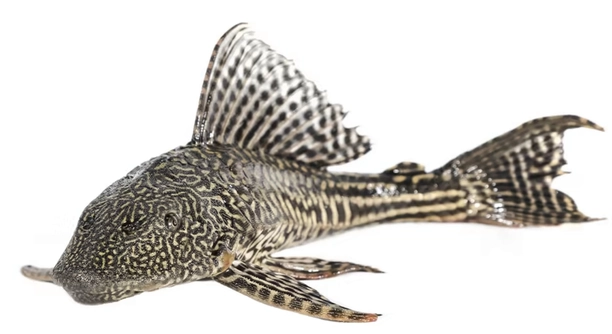
White patches on plecos can be concerning for fish owners, as they often signal health issues or environmental stress. Understanding the causes behind these patches is crucial for maintaining a healthy tank and fish.
The most common causes of white patches on plecos are fungal infections, parasites, poor water quality, and injuries. Stress from improper tank conditions or poor diet can also contribute. Each factor needs specific treatment for effective resolution.
Knowing the causes of these patches can help you better care for your plecos and address any health concerns quickly. Keeping your fish in optimal conditions will go a long way in preventing future issues.
Fungal Infections and White Patches
Fungal infections are a common reason why white patches appear on plecos. These infections usually show up as fuzzy, white growths on the fish’s skin or fins. They are often caused by poor water quality or stress, which weakens the fish’s immune system. When plecos are stressed, their natural ability to fight off infections decreases, making them more vulnerable to fungi in the water. These infections can spread quickly if not addressed, causing more severe health problems for your fish. In some cases, the patches may resemble cotton-like growths, signaling the presence of a fungal infection.
Treating fungal infections involves improving water quality, removing any affected fish from the main tank, and using antifungal medications.
A proper filtration system is essential to prevent fungal growth. Regular water changes and maintaining stable water parameters help reduce the risk. If you suspect a fungal infection, it’s crucial to act quickly to avoid further complications.
Parasites and White Patches
Parasites can also cause white patches on plecos, usually appearing as small, white spots. These spots can sometimes look like grains of salt stuck to the skin. External parasites, like Ich or velvet, can attach to a pleco’s body and cause irritation, leading to the appearance of white patches. Poor water quality or introducing infected fish can trigger parasitic outbreaks in your tank.
When dealing with parasites, the first step is to isolate the affected pleco and treat the tank with appropriate medication. Ensuring that your pleco gets a nutritious diet will help strengthen its immune system to fight off these invaders. Regularly monitoring your tank for signs of infection is vital to prevent the spread of parasites.
Poor Water Quality
When water conditions aren’t ideal, plecos can develop white patches. High levels of ammonia, nitrites, or low oxygen can stress the fish, making them more susceptible to diseases. Dirty water can also weaken their immune system, leaving them vulnerable to infections or parasites that cause skin issues. Keeping water clean and stable is key to avoiding these problems.
A good filtration system and regular water changes are essential. Aim for consistent water parameters like proper pH, temperature, and hardness. Check the water frequently with a test kit to catch any problems early. Clean any debris from the tank to maintain a healthy environment.
Water quality is a key factor in preventing health issues in plecos. If you notice white patches, it’s a good idea to test the water immediately. It’s best to address any imbalances right away and adjust the environment to give your plecos a better chance of recovery.
Stress and Environmental Factors
Stress can weaken plecos and lead to skin problems, including white patches. Changes in their environment, like sudden temperature shifts, overcrowding, or poor tank mates, can increase their stress levels. A stressed pleco is more likely to develop skin issues, including white spots or patches.
Maintaining a stable environment is essential to keeping plecos healthy. Make sure the water temperature remains steady and avoid placing the pleco in a tank with aggressive fish. Offering plenty of hiding spaces and plants can help reduce stress by giving your pleco a sense of security.
Regularly check on the pleco to ensure it’s comfortable in its space. Stress not only impacts their health, but it also lowers their ability to fight off infections. If you notice stress signs, such as hiding or abnormal behavior, it’s important to adjust the environment as soon as possible to help them recover.
Injuries and Physical Damage
Injuries from sharp objects or aggressive tank mates can cause white patches on plecos. These patches typically appear where the skin has been scraped or damaged. If the injury is not properly cleaned or treated, it can become infected and lead to further complications.
Always inspect your pleco for any signs of injury or physical damage. Ensure there are no sharp objects in the tank that could cause harm. If an injury occurs, treat it promptly with antiseptic or quarantine the pleco to prevent infection from spreading to other fish.
Poor Diet and Nutrition
A poor diet can weaken your pleco’s immune system, making them more vulnerable to white patches and infections. Without a balanced diet, their body struggles to fight off illnesses, leading to skin issues. Provide a variety of foods that meet their nutritional needs.
Feeding plecos high-quality food like algae wafers, vegetables, and protein-rich options will help them maintain good health. A healthy diet ensures that your pleco has the strength to fight off infections and recover from any existing skin problems.
FAQ
What are the most common causes of white patches on plecos?
White patches on plecos are usually caused by fungal infections, parasites, poor water quality, injuries, or stress. Fungal infections are common when the water quality isn’t ideal, as the fish’s immune system weakens. Parasites can appear as small white spots or grains of salt on the skin. Poor water conditions, like high levels of ammonia, nitrites, or low oxygen, can stress plecos, making them more prone to developing skin problems. Injuries or physical damage to the pleco’s skin can also result in white patches, which may lead to infections if untreated. Stress from environmental factors like fluctuating water temperatures or aggressive tank mates can also contribute to skin issues.
How can I prevent fungal infections in my pleco tank?
To prevent fungal infections, maintaining a clean and healthy tank is essential. Perform regular water changes, ensuring the water is well-filtered and free from harmful chemicals. Check the water parameters, including pH, ammonia, nitrites, and nitrates, to ensure they are within the correct ranges. A stable water temperature is also crucial to keeping your pleco’s immune system strong. Quarantining any new fish before introducing them to the main tank helps prevent the spread of fungal spores. Adding hiding spaces and reducing tank stress will also help your plecos stay healthy and less prone to infections.
How can I treat a pleco with white patches?
The first step in treating a pleco with white patches is identifying the underlying cause. If the patches are fuzzy or cotton-like, they may be caused by a fungal infection. In this case, an antifungal treatment should be used. If the patches resemble small white spots, it may be due to parasites, in which case, antiparasitic medication should be administered. Always isolate the affected fish to prevent further contamination and provide them with a separate quarantine tank for treatment. Improving water quality, reducing stress, and adjusting the diet are also important steps to help with recovery.
Can poor water quality cause white patches on my pleco?
Yes, poor water quality is one of the most common causes of white patches on plecos. High ammonia or nitrite levels, improper pH, or low oxygen can weaken your pleco’s immune system, making them more susceptible to infections and skin conditions. Regular water testing and ensuring proper filtration can prevent these issues. Additionally, regular water changes and keeping the tank clean will help keep your pleco’s environment stable, reducing the chances of white patches appearing.
What kind of water conditions do plecos need to stay healthy?
Plecos thrive in stable water conditions. The ideal water temperature is between 75°F and 80°F (24°C to 27°C). The pH should be between 6.5 and 7.5, and the hardness should range from 5 to 20 dGH. Ammonia and nitrite levels should always be at 0 ppm, while nitrate levels should not exceed 20 ppm. It’s important to have a high-quality filtration system to maintain water clarity and remove waste. Regular water changes and monitoring the tank’s conditions will keep the pleco’s environment optimal for its health.
Can stress cause white patches on plecos?
Yes, stress is a significant factor that can lead to white patches on plecos. When plecos are stressed, their immune system weakens, making them more susceptible to infections, parasites, or skin damage. Stress can be caused by fluctuating water temperatures, overcrowding, or incompatible tank mates. To reduce stress, ensure that your pleco has enough space, stable water conditions, and peaceful tank mates. Adding hiding spots, plants, and decorations can help plecos feel more secure in their environment.
What is the best way to treat parasites on plecos?
Treating parasites on plecos often involves isolating the affected fish in a quarantine tank to prevent the spread of the infection. Antiparasitic medications are available that specifically target the most common external parasites like Ich or velvet. It’s important to follow the instructions on the medication carefully, as dosage can vary depending on the product. Additionally, ensure that the tank’s water quality is optimal, and treat any other fish that might also show signs of infection. Boosting the immune system with a proper diet will also help the pleco recover.
How can I tell if my pleco has a fungal infection?
Fungal infections on plecos typically appear as fuzzy, cotton-like growths on the fish’s skin, fins, or gills. The patches are often white or grayish in color and can spread quickly if not treated. A pleco with a fungal infection might also show signs of lethargy, loss of appetite, or difficulty swimming. If you notice these symptoms, it’s important to act quickly by isolating the affected fish and using an antifungal treatment. Improving water quality and reducing stress will help in the healing process.
Is it possible for plecos to recover from white patches?
Yes, plecos can recover from white patches if the underlying cause is addressed promptly. The success of recovery depends on the severity of the issue, the promptness of treatment, and the pleco’s overall health. If the cause is fungal or parasitic, the appropriate medication, water quality improvements, and stress reduction can help the pleco heal. With proper care, most plecos can recover fully from white patches and return to their healthy, active state.
Can I prevent white patches from appearing on my plecos?
Preventing white patches on plecos involves maintaining good water quality, keeping the tank clean, and reducing stress. Regular water changes, monitoring water parameters, and using a good filtration system will help prevent many health issues. Proper tank mates and avoiding overcrowding will also reduce the risk of stress-related skin problems. Feeding a balanced, nutritious diet and ensuring a safe environment will support your pleco’s immune system and help prevent infections and parasites from causing white patches.
Final Thoughts
Taking care of plecos requires attention to their environment, health, and diet. White patches on plecos can be caused by a variety of factors, including fungal infections, parasites, poor water quality, stress, or even physical injury. Each cause needs to be addressed in a specific way, but the most important aspect is ensuring the tank conditions are always optimal. Regular water changes, monitoring the water quality, and providing a stable, peaceful environment are all key steps in preventing health issues, including white patches.
It’s also important to consider the pleco’s diet. A well-balanced diet can help strengthen their immune system and make them more resistant to infections. Plecos are not only algae eaters but also need a mix of protein, vegetables, and high-quality pellets. Ensuring that they have the proper nutrition will help them recover quickly from any health problems and maintain good overall health. A weak or malnourished pleco is more likely to develop skin issues like white patches, so feeding them a varied, healthy diet is crucial.
While it can be alarming to see white patches on your pleco, the good news is that with the right care and attention, many of these issues can be resolved. By isolating affected fish, treating infections promptly, and improving water quality, you can help your plecos recover. Regular monitoring of their behavior, skin, and environment can help prevent future issues. A healthy tank with the right conditions, combined with proper treatment when necessary, will keep your plecos thriving and looking their best.

Hello,
If you enjoy the content that we create, please consider saying a "Thank You!" by leaving a tip.
Every little bit helps us continue crafting quality advice that supports the health, happiness, and well-being of pets around the world, for pets of all shapes, sizes, and species.
We really appreciate the kindness and support that you show us!