
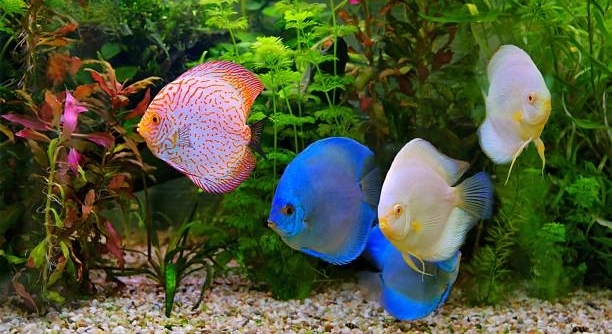
Weird swimming behavior in discus fish can be concerning for any aquarist. These graceful fish usually move smoothly, so any unusual movement often signals that something is wrong. Understanding the causes can help maintain their health and well-being.
Unusual swimming patterns in discus fish often result from environmental stress, water quality issues, parasites, nutritional deficiencies, or physical injuries. Identifying and addressing these causes promptly is crucial for restoring normal behavior and preventing further health complications.
Recognizing the reasons behind odd swimming habits can improve your discus fish’s care and overall tank environment. This article outlines seven common causes that every discus owner should know.
Poor Water Quality
Poor water quality is one of the leading causes of weird swimming in discus fish. These fish are sensitive to changes in their environment, and even small fluctuations in water parameters can affect their behavior. High levels of ammonia, nitrites, or nitrates can cause stress and discomfort, making discus swim erratically or struggle to maintain balance. Additionally, improper pH or temperature outside their ideal range can disrupt their natural swimming patterns. Maintaining clean, stable water with regular testing and partial water changes is essential. Using a reliable filtration system and avoiding overfeeding also help prevent water pollution. Monitoring water quality carefully can prevent many health issues before they develop, promoting a healthier, calmer fish that swims normally and confidently in the tank.
Poor water quality often leads to stress and illness, which directly impacts discus fish swimming behavior. Keeping the tank clean is critical.
Regular water testing and proper tank maintenance will ensure discus remain comfortable and swim naturally. Avoid sudden changes in water conditions, and treat the water with conditioners to remove harmful chemicals. Stable water conditions create a healthy environment where discus fish can thrive and display their typical graceful swimming patterns.
Parasites and Infections
Parasites and infections are common reasons discus fish may swim oddly. Parasites like ich or gill flukes irritate the fish’s skin and gills, causing discomfort and making it difficult to swim properly. Bacterial infections can lead to inflammation and weakness, which also affects movement. Fish with infections might rub against objects or swim erratically as they try to relieve discomfort. It’s important to observe other symptoms such as lethargy, loss of appetite, or visible spots on the body. Early detection allows for quicker treatment and reduces the risk of spreading to other fish in the tank. Using appropriate medications after identifying the problem is necessary to restore the fish’s health and normal behavior.
Treating infections requires careful diagnosis and proper medication. Quarantine affected fish to prevent transmission. Maintaining good tank hygiene helps reduce the risk of infections. Regular observation of discus behavior can catch issues early before they worsen. Prompt action will improve recovery chances and help discus return to steady, smooth swimming.
Stress from Tank Mates
Stress caused by aggressive or incompatible tank mates often leads to abnormal swimming in discus fish. Bullying or constant chasing makes them hide or swim nervously.
Discus fish are peaceful and sensitive by nature. When housed with aggressive species or overly active fish, they can become stressed. Stress affects their immune system and behavior, including swimming patterns. They may dart quickly, swim erratically, or stay near the surface or corners to avoid conflict. This stress can also make them more prone to diseases. Choosing calm, compatible tank mates and providing plenty of hiding spots helps reduce stress. Regularly observing interactions can prevent prolonged bullying, keeping discus relaxed and swimming naturally.
Creating a peaceful environment is key. Avoid overcrowding the tank, and keep discus with other gentle species. Stress reduction improves their health and overall behavior, ensuring more stable swimming patterns.
Nutritional Deficiencies
Poor diet or nutritional deficiencies can cause weakness and strange swimming behavior in discus fish. A lack of essential vitamins or minerals affects their muscles and energy.
Discus require a balanced diet rich in protein, vitamins, and minerals to stay healthy. Feeding only flakes or pellets can leave gaps in nutrition. Including frozen or live foods like bloodworms, brine shrimp, and high-quality pellets supports their growth and muscle function. Without proper nutrition, discus may swim sluggishly or appear uncoordinated. Deficiencies can also weaken their immune system, making them vulnerable to infections that worsen swimming problems.
Ensuring variety in their diet prevents deficiencies. Supplementing with vitamin-enriched foods supports overall vitality. Well-nourished discus show more consistent swimming and better resistance to stress and disease.
Physical Injury
Physical injuries can cause discus fish to swim unevenly or struggle to maintain balance. Injuries often happen from sharp tank decorations, aggressive tank mates, or rough handling during maintenance.
Damaged fins or body wounds make swimming painful or difficult. Injured fish may favor one side or avoid certain movements. Immediate care, including clean water and isolation if necessary, helps recovery.
Swim Bladder Disorder
Swim bladder disorder affects buoyancy, causing fish to float awkwardly, tilt, or sink. This condition often results from constipation, infection, or physical damage.
Proper diet and clean tank conditions can help prevent swim bladder issues. In affected fish, treatment varies depending on the underlying cause and may require veterinary advice.
Temperature Fluctuations
Rapid or frequent temperature changes cause stress and abnormal swimming. Discus thrive in stable, warm water between 82°F and 86°F. Maintaining steady temperature avoids these problems.
FAQ
What causes discus fish to swim in circles?
Discus fish swimming in circles can be due to swim bladder issues or infections affecting their balance. Parasites and physical injuries may also cause circular swimming. Monitoring water quality and observing other symptoms helps identify the root cause. Treatment often involves addressing infections or improving water conditions.
Why is my discus fish swimming upside down?
Upside-down swimming usually points to swim bladder disorder, which affects buoyancy control. This can result from constipation, infections, or physical trauma. Adjusting diet by adding fiber-rich foods and ensuring a clean tank environment can improve the condition. If symptoms persist, medication or professional care may be necessary.
How do water changes affect discus swimming behavior?
Sudden or large water changes can shock discus fish, leading to stress and strange swimming. Gradual water changes with stable temperature and pH help maintain comfort and normal behavior. Consistency in water maintenance reduces stress and promotes healthy swimming.
Can diet improve weird swimming in discus?
Yes, diet plays a crucial role. Nutritional deficiencies cause weakness and uncoordinated swimming. Providing a varied diet with live or frozen foods and vitamin supplements supports muscle strength and overall health, improving swimming behavior.
How can I reduce stress from tank mates?
Choose peaceful, compatible fish to avoid aggression. Provide hiding spots and avoid overcrowding. Observe fish regularly to catch bullying early. A calm environment reduces stress, helping discus swim naturally.
What signs indicate a parasite infection affecting swimming?
Look for scratching against surfaces, lethargy, loss of appetite, and visible spots or lesions. Erratic swimming combined with these signs often indicates parasites. Early treatment with appropriate medication can prevent worsening of symptoms.
Is temperature important for discus swimming?
Yes, discus require stable temperatures between 82°F and 86°F. Fluctuations cause stress and swimming problems. Using a reliable heater and thermometer ensures consistent warmth and supports healthy behavior.
When should I isolate a discus with abnormal swimming?
Isolation is necessary if the fish shows signs of infection, injury, or extreme stress. Separating affected fish prevents spreading disease and allows targeted treatment. Quarantine tanks should have similar water parameters to minimize additional stress.
How long does it take for discus to recover normal swimming after treatment?
Recovery time varies by cause and treatment. Minor issues may resolve within days, while infections or swim bladder disorders might take weeks. Consistent care, clean water, and proper nutrition speed up recovery.
Can tank decorations cause swimming problems?
Sharp or rough decorations can injure discus, leading to swimming difficulties. Smooth surfaces and careful placement reduce risks. Regular inspection of the tank environment helps prevent accidental injuries.
Final Thoughts
Weird swimming behavior in discus fish often signals underlying issues that require attention. These fish are delicate and sensitive to changes in their environment. Whether caused by poor water quality, parasites, stress, or injuries, unusual swimming should not be ignored. Early recognition and proper care can prevent many problems from worsening. Maintaining clean water and stable tank conditions is fundamental. Consistent water testing and regular maintenance play important roles in keeping discus healthy and comfortable in their aquatic home.
Feeding discus a balanced diet is equally important. Nutritional deficiencies weaken their muscles and immune system, making them more prone to illnesses that affect swimming. Offering a variety of foods rich in protein and vitamins supports their strength and energy. Avoid overfeeding, as excess food can pollute the water and cause further health issues. Observing discus behavior daily can help spot early signs of trouble, such as changes in appetite or erratic movement. Prompt action improves recovery chances and keeps discus swimming gracefully.
Stress is another factor that can lead to weird swimming. Aggressive tank mates, overcrowding, or sudden changes in water conditions create an uncomfortable environment for discus. Providing enough space, peaceful companions, and hiding spots reduces stress and helps discus feel secure. Temperature stability is also critical, as discus thrive in warm, steady conditions. Injury prevention through careful tank setup and gentle handling supports their overall well-being. Paying attention to these details ensures discus fish stay healthy and swim naturally, adding beauty and calm to any aquarium.

Hello,
If you enjoy the content that we create, please consider saying a "Thank You!" by leaving a tip.
Every little bit helps us continue crafting quality advice that supports the health, happiness, and well-being of pets around the world, for pets of all shapes, sizes, and species.
We really appreciate the kindness and support that you show us!