
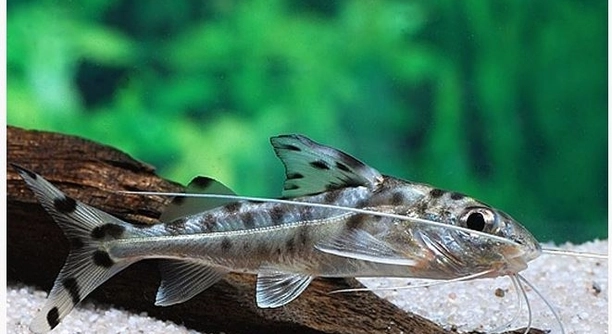
Pictus catfish are popular freshwater fish known for their active swimming and peaceful nature. Sometimes, their swimming behavior changes and seems unusual. Understanding the causes of this can help keep these fish healthy and happy.
Unusual swimming in pictus catfish can be caused by various factors including water quality issues, diseases, physical injuries, stress, poor diet, parasites, or environmental changes. Identifying the exact cause is essential for proper treatment and care.
Knowing these causes can help you act quickly to improve your fish’s health and well-being. This article will explain the common reasons behind unusual swimming in pictus catfish.
Water Quality Problems
Poor water quality is one of the most common reasons pictus catfish start swimming oddly. If the water has high levels of ammonia, nitrites, or nitrates, the fish can become stressed or sick. Changes in pH, temperature, or oxygen levels can also make them swim irregularly. Regular water testing and maintenance help keep the tank safe for your fish. Keeping the tank clean and performing water changes is essential to prevent water quality issues. Sometimes, a new tank setup or adding new fish without proper quarantine can cause water imbalances, affecting your catfish. If you notice unusual swimming, check the water parameters first. Proper filtration and avoiding overfeeding reduce waste and keep water healthy for your pictus catfish.
Regular water tests and timely water changes prevent most swimming problems related to water quality. Keeping the environment stable is key.
Water quality affects your pictus catfish’s ability to breathe and swim properly. Poor water can cause damage to their gills and nervous system, making them swim erratically or float unevenly. Sudden changes in water chemistry cause stress, which weakens their immune system. This makes them more prone to diseases that also affect swimming behavior. Regularly testing ammonia, nitrite, and nitrate levels helps catch problems early. Adjusting the temperature and pH to recommended levels keeps the fish comfortable. Using a good filtration system removes toxins and keeps the water clear. Avoid overcrowding the tank to reduce waste buildup. Changing about 20% of the water weekly helps maintain good water conditions. By keeping these factors in check, you protect your pictus catfish from many swimming issues caused by poor water quality.
Diseases and Parasites
Diseases and parasites can directly affect how pictus catfish swim. They may twitch, spin, or float oddly if infected.
Infections like ich, fin rot, or swim bladder disease interfere with movement and balance. Parasites attached to the skin or gills can cause discomfort and abnormal swimming. Early diagnosis and treatment are important to prevent worsening. Quarantining new fish before adding them to the main tank lowers disease risks.
Diseases and parasites cause physical damage or internal problems affecting swimming ability. Swim bladder issues disrupt buoyancy control, making fish float upside down or struggle to stay upright. Parasites irritate the skin and gills, leading to scratching or erratic swimming. Signs include white spots, ragged fins, or rapid breathing. Using appropriate medication and maintaining a clean tank environment helps fight infections. If your pictus catfish shows unusual swimming, check for visible signs of illness and consider consulting a vet or fish expert for treatment options. Timely care increases the chances of full recovery and helps your fish return to normal swimming behavior.
Physical Injuries
Physical injuries can cause unusual swimming in pictus catfish. These injuries might come from sharp decorations, aggressive tank mates, or rough handling during tank cleaning.
Injuries to fins or body can make swimming difficult or painful. A torn fin reduces balance, causing the fish to swim unevenly. Cuts or bruises may lead to infection if untreated. Check your tank for any sharp objects or rough surfaces that could hurt your fish. Make sure tank mates are peaceful to avoid fights. If you notice injuries, isolate the fish in a quarantine tank to allow healing and prevent infections.
Sometimes, injuries affect internal organs, including the swim bladder, which controls buoyancy. Damage to this organ leads to erratic swimming patterns such as spinning or floating upside down. Monitoring your fish closely helps catch injuries early. Providing a safe environment minimizes risks, and treatment with antibacterial medicines can help if infection occurs.
Stress and Environment Changes
Stress causes pictus catfish to swim unusually. Changes in tank setup, lighting, or water temperature can upset them. Loud noises or sudden movements nearby also create stress.
Stress weakens the fish’s immune system and makes swimming irregular. Pictus catfish may hide, swim nervously, or stay near the surface. To reduce stress, keep tank conditions stable and avoid sudden changes. Introduce new fish slowly and ensure a peaceful environment. Provide plenty of hiding spots and keep noise levels low near the tank. Stress can cause long-term health issues if not addressed, so keeping a calm environment is essential for your catfish’s well-being.
Poor Diet
A poor diet can lead to unusual swimming in pictus catfish. Lack of proper nutrients weakens their muscles and nervous system.
Feeding them a balanced diet with high-quality pellets, frozen foods, and occasional live treats supports healthy swimming. Avoid overfeeding, which can cause swim bladder issues.
Swim Bladder Problems
Swim bladder problems are common causes of strange swimming behavior. This organ helps fish control buoyancy and maintain balance. When damaged or infected, pictus catfish may float upside down, sink, or swim sideways. Causes include poor diet, infections, or physical injury. Treatment depends on the cause but often involves adjusting diet, improving water quality, and sometimes medication.
Environmental Changes
Sudden environmental changes disrupt pictus catfish’s normal swimming. Large shifts in temperature, lighting, or water chemistry cause stress and erratic movement. Gradual changes and stable conditions help keep fish swimming smoothly.
FAQ
Why is my pictus catfish swimming sideways?
Swimming sideways usually points to swim bladder issues. The swim bladder controls buoyancy, and if it is damaged, infected, or affected by poor diet, the fish will struggle to stay upright. Water quality problems or injuries can also cause this. Adjusting water conditions and improving diet often helps.
Can poor water quality cause my pictus catfish to swim erratically?
Yes, poor water quality is a major cause of erratic swimming. High ammonia, nitrite, or nitrate levels stress the fish and damage their gills and nervous system. Regular water testing and cleaning prevent these problems and keep your catfish healthy.
How can I tell if my pictus catfish is stressed?
Signs of stress include hiding, rapid breathing, erratic swimming, or loss of appetite. Changes in environment, loud noises, or aggressive tank mates often cause stress. Providing a calm, stable environment with hiding spots reduces stress levels.
What kind of diet is best for pictus catfish?
A balanced diet includes high-quality sinking pellets, frozen bloodworms, brine shrimp, and occasional live foods. Avoid overfeeding, as this can cause swim bladder problems and poor water quality.
Can injuries cause unusual swimming?
Yes, injuries to fins or internal organs disrupt swimming. Sharp decorations or aggressive fish can cause these injuries. Quarantine injured fish and treat infections to help recovery.
How do parasites affect pictus catfish swimming?
Parasites irritate the skin and gills, causing scratching, erratic swimming, and discomfort. Diseases like ich show as white spots and affect movement. Prompt treatment and tank hygiene control parasites.
Is unusual swimming always a sign of illness?
Not always. Environmental stress or water changes can temporarily affect swimming. But persistent unusual swimming often indicates a health problem needing attention.
How often should I test my tank water?
Testing water weekly is best to catch problems early. Check ammonia, nitrites, nitrates, pH, and temperature regularly for a healthy environment.
Can swim bladder problems be treated at home?
Some swim bladder issues improve with diet changes, fasting for a day or two, and better water quality. Severe cases may require medication or a vet’s help.
Why does my pictus catfish sometimes float at the surface?
Floating at the surface can mean oxygen deficiency in water, swim bladder problems, or stress. Ensure proper aeration and water quality to fix this.
Final Thoughts
Unusual swimming in pictus catfish can happen for many reasons. It is important to pay attention when your fish start behaving differently. Changes in water quality, diet, stress, illness, or injuries can all affect how they swim. Keeping a close eye on your fish and their environment helps catch problems early before they become serious. This can make a big difference in their health and happiness.
Maintaining a clean tank with good water quality is one of the best ways to prevent unusual swimming. Regular water testing and changes keep the environment stable and safe. Feeding a balanced diet supports the fish’s health and helps avoid problems like swim bladder issues. Also, avoid overcrowding and aggressive tank mates to reduce stress and injuries. Creating a calm and comfortable home for your pictus catfish encourages normal swimming and natural behavior.
If you notice your pictus catfish swimming strangely, act quickly to find the cause. Look for signs of illness, parasites, or injury and treat them as soon as possible. Sometimes, small changes like adjusting water temperature or improving diet can help a lot. When necessary, use proper medications or seek advice from a fish expert. With good care and attention, your pictus catfish can recover and swim normally again. Consistency in tank maintenance and feeding is key to keeping your fish healthy over time.

Hello,
If you enjoy the content that we create, please consider saying a "Thank You!" by leaving a tip.
Every little bit helps us continue crafting quality advice that supports the health, happiness, and well-being of pets around the world, for pets of all shapes, sizes, and species.
We really appreciate the kindness and support that you show us!