
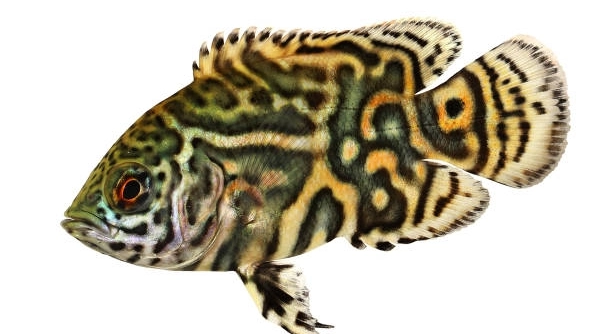
Oscar fish are known for their playful and sometimes unpredictable swimming patterns. If you’ve noticed something unusual about your Oscar’s swimming behavior, it may be a sign of an underlying issue.
Unusual swimming in Oscars is often caused by water quality problems, poor diet, stress, physical injury, or disease. In some cases, it could also be linked to environmental factors, such as tank size or water temperature fluctuations.
Understanding these causes is essential for ensuring your Oscar’s well-being. Knowing what to look for and how to address these issues can help you maintain a healthier environment for your fish.
Poor Water Quality and Its Impact
Water quality plays a significant role in your Oscar’s health. If the water in your tank is unclean or imbalanced, it can cause various problems for your fish, including unusual swimming. Oscars thrive in clean, well-maintained water, and any changes in the water quality can lead to stress. Common water issues include high levels of ammonia, nitrites, or nitrates. These toxins can irritate your Oscar’s skin and gills, making it hard for them to swim properly. Inadequate filtration or infrequent water changes are often the main reasons for water quality problems.
If you’re noticing odd behavior, checking the water parameters is a must. Test for ammonia, nitrites, nitrates, pH, and temperature to ensure everything is within the recommended range. A simple water change might be the fix if the levels are off.
Maintaining clean water is one of the easiest ways to prevent swimming problems in your Oscar. Regular water changes and good filtration will keep harmful toxins in check. You should also make sure the temperature stays consistent and that the pH is stable, as sudden fluctuations can cause stress to your fish. If the water quality is not optimal, your Oscar may swim erratically, and over time, it could lead to more serious health issues.
Diet and Its Effect on Swimming
Oscar fish need a balanced diet to stay healthy. Poor nutrition can lead to unusual swimming behavior. A lack of essential nutrients affects their energy levels and overall health.
Make sure your Oscar gets a varied diet, including high-quality pellets, fresh vegetables, and occasional live food. Overfeeding or feeding improper food can cause digestive issues that impact swimming.
Stress and Its Effect on Swimming
Stress is another common reason why your Oscar may swim unusually. Oscars can become stressed from changes in their environment or from living in a tank that’s too small. Overcrowding, aggressive tankmates, and frequent disturbances can all increase stress levels.
If you notice your Oscar swimming erratically or hiding more than usual, stress might be the issue. Reducing noise, providing more space, and adding hiding spots can help reduce stress. Ensure that your tank has enough room for your Oscar to swim freely, as overcrowding can lead to anxiety and abnormal behavior.
To manage stress, also consider the lighting in the tank. Too bright lighting or constantly changing light cycles can make your Oscar feel uneasy. Keep the tank in a quiet area, and make sure its environment remains stable. A calm and secure space is essential for an Oscar to swim and live comfortably.
Physical Injury and Unusual Swimming
Injuries can sometimes cause your Oscar to swim abnormally. Oscars are active fish, and they can bump into objects in the tank or fight with other fish, leading to physical damage. If an injury occurs, it may result in strange swimming behavior, such as swimming in circles or moving awkwardly.
Physical injuries might be noticeable, such as torn fins or scales. However, some injuries are internal, making them harder to detect. It’s important to watch for signs of distress like erratic swimming, loss of appetite, or visible wounds. If you suspect an injury, isolate the fish in a separate tank and give it time to heal.
If the injury is serious or doesn’t improve, consider seeking help from an aquarium professional or vet. They can offer specific treatments, whether it’s for wounds or any internal issues affecting the swimming. Quick action can prevent further complications.
Water Temperature Fluctuations
Fluctuations in water temperature can make your Oscar swim oddly. Oscars are sensitive to sudden changes in temperature, which can cause stress and lead to abnormal behavior.
Make sure your tank has a reliable heater and thermometer. A stable temperature is crucial for your Oscar’s comfort. Sudden drops or increases can make them act strangely or even get sick.
Maintaining the temperature within the ideal range for Oscars, around 74-81°F (23-27°C), will keep them healthy and active.
Disease and Illness
Diseases and infections can cause unusual swimming behavior in Oscars. These can include parasites, bacterial infections, or internal problems that affect their swimming.
If your Oscar seems sluggish, is swimming in circles, or behaves abnormally, disease might be to blame. Look for signs like abnormal marks or swelling on the body, or changes in appetite.
Tank Size and Space
A small tank can limit your Oscar’s ability to swim comfortably. Oscars need plenty of space to move around, and in a cramped tank, they might swim in circles or display other strange behaviors.
FAQ
What is the ideal tank size for an Oscar?
The ideal tank size for an Oscar is at least 55 gallons. Oscars grow quite large and need plenty of space to swim. A smaller tank can cause stress and limit their movement, leading to abnormal swimming. Larger tanks not only provide enough room but also maintain water quality more easily. Make sure the tank is long enough to give them space to swim, as height doesn’t matter as much for Oscars.
How do I know if my Oscar has a water quality issue?
If your Oscar is swimming erratically, or has visible signs of stress like gasping for air or staying near the surface, it could be due to poor water quality. High ammonia, nitrite, or nitrate levels are often the cause. Use a water test kit to check these levels. A water change and proper filtration should be done to correct these issues. Always aim to maintain clean water with regular changes and filter maintenance.
Can stress cause my Oscar to swim in circles?
Yes, stress is a common reason for circular swimming behavior in Oscars. Stress can be caused by various factors such as overcrowding, aggression from tankmates, or environmental disturbances. To help your Oscar, try to reduce the stressors in the tank. Make sure the tank is large enough, and provide hiding spots where the Oscar can feel secure. Reducing tankmate aggression and keeping noise levels low will also help alleviate stress.
What should I do if my Oscar is injured?
If your Oscar is injured, isolate it in a separate tank to prevent further harm. Check for visible wounds or torn fins. If the injury is superficial, use aquarium salt in the water to promote healing. Make sure the water quality in the isolation tank is optimal to reduce stress. If you notice swelling or abnormal behavior, it could be an internal injury or infection, and you may need to consult with a vet.
How often should I clean the tank for my Oscar?
Oscars are messy fish, and tank cleaning is essential for their health. Ideally, you should perform partial water changes (about 25-30%) once a week. Clean the substrate and remove any uneaten food. Additionally, maintain the filter system by cleaning it monthly, ensuring it’s running efficiently. Regular cleaning prevents toxins from building up, which could cause your Oscar to act unusually.
What causes my Oscar to swim upside down or on its side?
Swimming upside down or on its side could be a sign of swim bladder disease. This condition can be caused by constipation, poor water quality, or physical injury. You can try fasting your Oscar for a few days to see if that resolves the issue. If the problem persists, you may need to consult a vet to rule out infections or other underlying health issues.
How do I prevent my Oscar from getting sick?
The best way to prevent sickness in your Oscar is by maintaining a stable and clean environment. Regular water changes, proper filtration, and avoiding overfeeding are key. Make sure the water temperature stays within the ideal range (74-81°F or 23-27°C) and that the pH is stable. A healthy diet and reducing stress will also help keep your Oscar’s immune system strong.
Is it okay to keep multiple Oscars in one tank?
It is possible to keep multiple Oscars in a single tank, but it’s not always recommended. Oscars are territorial and can become aggressive towards each other, especially in smaller tanks. If you choose to keep more than one Oscar, make sure the tank is large enough to accommodate them—at least 100 gallons or more. Provide enough hiding spots and make sure there’s plenty of space for each fish to establish its territory.
What are the signs of an Oscar being overly stressed?
An Oscar under stress may display erratic swimming, loss of appetite, or hide more than usual. It may also show signs of aggression, or appear sluggish. In some cases, the fish may swim rapidly in circles or near the surface of the water, gasping for air. If your Oscar displays these behaviors, check the water quality, reduce stressors in the tank, and give it some time to recover.
How can I improve my Oscar’s diet?
A varied diet is key to keeping your Oscar healthy. You can feed them high-quality pellets, but also include frozen or live food such as shrimp, worms, or small fish. Offering a mix of protein and vegetables, like peas or spinach, can help prevent constipation and promote overall health. Be careful not to overfeed, as this can lead to health issues like obesity or digestive problems.
What is the best way to deal with aggression in Oscars?
Oscar fish can become aggressive towards other fish, especially if they feel threatened or crowded. To reduce aggression, ensure your tank is large enough and has plenty of hiding spots. Introduce tankmates carefully, and avoid adding small or timid fish that might become targets. If aggression persists, it may be necessary to separate the aggressive Oscar into its own tank.
Final Thoughts
Understanding the causes of unusual swimming in Oscars is crucial for maintaining their health and well-being. These fish are sensitive to their environment, and small changes can have big impacts. Whether it’s water quality issues, stress, injuries, or illnesses, paying attention to the signs can help you identify the problem early. By taking proactive steps, such as monitoring water conditions, maintaining a proper diet, and reducing stress factors, you can keep your Oscar healthy and active.
Regular tank maintenance is one of the most important aspects of keeping your Oscar happy. Clean water, proper filtration, and an appropriate tank size are all essential. With Oscars being messy eaters and active swimmers, maintaining a stable and clean environment reduces the likelihood of many health problems. Small changes, like adjusting the temperature or ensuring there’s enough space for your fish to swim freely, can make a significant difference in their behavior.
Finally, keeping a close eye on your Oscar’s behavior is essential for catching potential issues early. If your Oscar is swimming oddly or showing other signs of distress, it’s best to address the issue promptly. Whether it’s seeking advice on water quality, adjusting the tank setup, or looking into medical treatments, timely action can prevent further complications. With a little care and attention, you can ensure that your Oscar stays healthy, happy, and continues to swim in a way that shows its vibrant personality.

Hello,
If you enjoy the content that we create, please consider saying a "Thank You!" by leaving a tip.
Every little bit helps us continue crafting quality advice that supports the health, happiness, and well-being of pets around the world, for pets of all shapes, sizes, and species.
We really appreciate the kindness and support that you show us!