
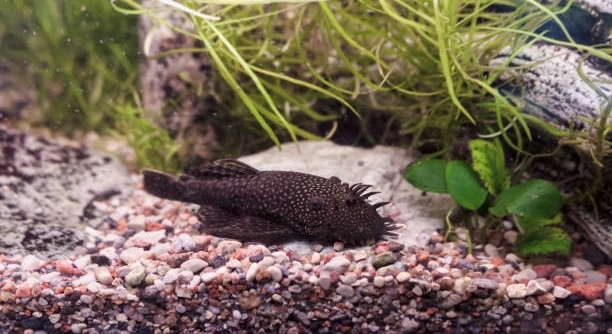
Foggy water in a pleco tank can be frustrating and worrying. It’s important to understand the causes behind unusual tank fogging to address the issue effectively. Knowing the reasons can help you maintain a healthier environment for your fish.
Unusual tank fogging in pleco aquariums can result from several factors, including bacterial blooms, overfeeding, or inadequate filtration. These elements disrupt the water quality and clarity, often requiring adjustments in maintenance routines and tank management.
Taking the right steps can ensure clearer water and a better habitat for your plecos. Understanding these causes will help you keep your tank in optimal condition.
Bacterial Blooms: A Common Cause
Bacterial blooms are one of the most frequent causes of tank fogging. When there’s an overload of organic material or nutrients, bacteria multiply quickly. This sudden growth cloud the water, making it appear foggy or murky. The presence of excess food, waste, or decaying plants can trigger bacterial overgrowth. These blooms can appear overnight and disappear just as quickly once the bacteria consume all available nutrients. However, if left unchecked, they may cause long-term issues in the aquarium’s ecosystem, affecting the health of your plecos and other tank inhabitants.
A good filtration system and regular water changes are essential in preventing bacterial blooms.
It’s important to avoid overfeeding, as uneaten food contributes to excess nutrients in the water. Regularly cleaning the substrate and removing any decaying matter can also help manage bacterial growth. When these steps are followed, you can maintain a stable and clear environment for your fish. Additionally, adding plants to the tank can help absorb excess nutrients and reduce the likelihood of bacterial blooms. If a bloom occurs, water treatments may be needed to bring the tank back to a balanced state.
Inadequate Filtration
A poor filtration system can leave your tank prone to fogging issues. Without proper filtration, waste, excess nutrients, and debris remain in the water, causing a cloudy appearance.
To avoid this, it’s essential to use an appropriately sized filter for your tank and ensure it’s functioning correctly. Keep in mind that plecos are known for producing a significant amount of waste, so the filter must be able to handle the load. Regularly checking and cleaning your filtration system will ensure it runs smoothly and effectively removes waste from the water. This will keep your tank water clear and prevent any foggy buildup.
Overfeeding Plecos
Overfeeding plecos can lead to excess food decomposing in the tank, causing foggy water. Uneaten food breaks down, releasing nutrients that feed bacteria, triggering blooms.
To prevent this, only feed your plecos what they can consume in a few hours. Remove any leftover food promptly. This not only prevents tank fogging but also ensures the water remains clean and healthy. Plecos are bottom feeders, so it’s important to monitor their food intake, ensuring it’s appropriate for their size and the tank’s capacity.
Feeding plecos too much can also lead to nutrient imbalances in the tank, affecting other aquatic life. The uneaten food will settle on the substrate and rot, leading to both cloudy water and potential ammonia spikes. By practicing portion control and regularly checking the tank for leftover food, you can maintain clear water and a balanced ecosystem for your plecos.
Poor Water Quality
Poor water quality often contributes to fogging in pleco tanks. High levels of ammonia, nitrites, or nitrates can cloud the water, making it appear murky.
Regular testing is crucial to ensure water parameters are within the safe range. Using a reliable water test kit, check for ammonia, nitrite, and nitrate levels at least once a week. If you notice any spikes, perform partial water changes to lower these levels. Consistently maintaining proper water quality helps keep the tank clear and the plecos healthy.
In addition, ensure the pH and hardness levels match the needs of plecos. Imbalances in these parameters can cause stress, further affecting water quality. Consistent water maintenance practices, such as water changes, cleaning the filter, and removing organic debris, can help keep these problems in check. Proper filtration and good tank habits are essential to maintaining a stable, clear environment.
Tank Overcrowding
Overcrowding your pleco tank can lead to poor water circulation, causing foggy water. With too many fish in one tank, waste accumulates more quickly, affecting water clarity.
To avoid this, ensure your tank is not overcrowded. Stick to the recommended fish-to-tank size ratio. A larger tank provides more space, helping to maintain clear water and healthy conditions for plecos.
Adding too many fish puts strain on the filtration system, which may not be able to keep up with the increased waste. By reducing the number of fish or upgrading your filtration system, you can improve water quality.
Substrate Issues
The type of substrate used in your pleco tank can contribute to foggy water. Gravel or sand that is not properly cleaned or settled can stir up debris and cloud the water.
Choose a substrate that is easy to clean and doesn’t produce a lot of dust when disturbed. A smooth, fine-gravel substrate is ideal. Make sure to regularly vacuum the substrate to remove any trapped debris or organic matter. This prevents the buildup of waste that could lead to cloudy conditions.
Poor Maintenance
Neglecting regular tank maintenance will result in poor water quality and fogging. Consistent upkeep, including cleaning the filter, removing debris, and performing water changes, is essential.
To maintain a healthy environment, aim to change 10-15% of the water every week. This keeps pollutants in check and ensures plecos have clean, clear water to thrive in.
FAQ
Why is my pleco tank cloudy?
A cloudy pleco tank can result from several factors, including bacterial blooms, overfeeding, poor filtration, and inadequate water changes. The most common reason is an overload of organic material, which bacteria feed on, causing murkiness. Uneaten food, waste, and decaying plants are primary contributors to cloudy water. It’s important to ensure your filtration system is strong enough to handle the waste produced and to maintain good water quality with regular testing and water changes.
How can I clear up cloudy water in my pleco tank?
To clear up cloudy water, start by performing a water change, removing any uneaten food, and checking the filter. A good filtration system is essential, so consider upgrading it if necessary. Make sure to clean the filter regularly and remove debris from the substrate. You may also want to reduce feeding amounts and feed more appropriately to prevent leftover food from decaying. If bacterial blooms are the issue, using an aquarium clarifier might help.
What causes my pleco tank to get cloudy overnight?
Cloudy water overnight is often a result of a bacterial bloom. When there’s a sudden spike in nutrients like ammonia or nitrites, bacteria can multiply rapidly, causing the water to become cloudy. This is typically caused by overfeeding or poor tank maintenance. To prevent this, avoid overfeeding and ensure proper filtration. Regular water testing and maintenance are key to keeping your tank clear.
Can plecos live in cloudy water?
Plecos can survive in cloudy water, but it’s not ideal for their health. Cloudy water indicates that there are imbalances in the tank, such as high levels of waste or poor water quality. While they may not immediately suffer, prolonged exposure to poor water quality can stress plecos and make them more susceptible to diseases. Maintaining a clean tank with good water quality is crucial for their overall health.
Is cloudy water bad for plecos?
Yes, cloudy water is harmful to plecos in the long run. It often indicates underlying water quality issues, such as high levels of ammonia or poor filtration, which can lead to stress and health problems. Stress from poor water quality can weaken your pleco’s immune system and increase the risk of illness. To ensure your pleco’s well-being, it’s best to keep the water clean, clear, and balanced.
How often should I clean my pleco tank to avoid cloudy water?
You should clean your pleco tank regularly to avoid cloudy water. This includes performing water changes of 10-15% weekly, vacuuming the substrate, and cleaning the filter. You may need to clean the tank more often if you notice debris or waste building up. Regular maintenance helps maintain clear water and a healthy environment for your plecos.
Can overfeeding cause cloudy water in a pleco tank?
Yes, overfeeding is a common cause of cloudy water in pleco tanks. When you feed your plecos more than they can eat, leftover food decomposes, adding excess nutrients to the water. These nutrients fuel bacterial growth, which can cause bacterial blooms and cloud the water. To prevent this, only feed your plecos what they can consume in a few hours and remove any uneaten food.
What type of filter should I use for my pleco tank to avoid cloudy water?
For a pleco tank, it’s essential to have a filter that is powerful enough to handle the waste plecos produce. A filter with a flow rate that’s 4-5 times the volume of your tank per hour is ideal. This ensures proper filtration and water circulation. It’s also important to clean the filter regularly to maintain its efficiency. Using a combination of mechanical, biological, and chemical filtration will help keep the water clear.
Can adding live plants help clear up cloudy water?
Yes, live plants can help clear up cloudy water by absorbing excess nutrients, like nitrates and phosphates, that feed bacteria and algae. Plants naturally help balance the tank’s ecosystem by using these nutrients for growth, reducing the chances of bacterial blooms. Additionally, plants provide oxygen for your plecos and can enhance the overall appearance of your tank.
Why is my pleco tank cloudy after water changes?
Cloudy water after a water change can happen if the new water added to the tank contains impurities or if you disturb the substrate while cleaning. Sometimes, tap water can contain minerals or chlorine that cause cloudiness. To avoid this, make sure to dechlorinate tap water and let it sit for a while before adding it to the tank. Additionally, be gentle when vacuuming the substrate to avoid stirring up debris that could cloud the water.
How do I prevent bacterial blooms in my pleco tank?
To prevent bacterial blooms, ensure your tank is properly maintained. Avoid overfeeding your plecos and remove uneaten food regularly. Keep your filtration system in good working condition, and perform regular water changes. If necessary, add live plants to absorb excess nutrients. Also, avoid overcrowding the tank, as this can contribute to nutrient imbalances.
Can cloudy water in a pleco tank be fixed with aquarium chemicals?
While aquarium chemicals may temporarily clear up cloudy water, they don’t address the underlying issue. It’s better to focus on proper tank maintenance, such as water changes, cleaning the filter, and removing organic matter. If bacterial blooms are the issue, using an aquarium clarifier or bacterial treatment may help, but it’s important to resolve the root cause, like overfeeding or poor filtration.
What is the best way to manage water quality in a pleco tank?
To manage water quality, test the water regularly to check for ammonia, nitrites, and nitrates. Perform 10-15% water changes weekly, and clean the filter to remove debris and waste. Use an appropriate-sized filter for your tank and make sure it’s functioning properly. Avoid overfeeding and remove uneaten food to prevent excess nutrients from building up. Regular water tests will help you catch issues early and maintain a healthy tank environment.
Does water hardness affect cloudy water in a pleco tank?
Water hardness can indirectly affect water clarity. Hard water can lead to mineral build-up in the tank, which can contribute to cloudy water. While it may not be the direct cause of murkiness, high hardness levels can contribute to algae growth, which can cloud the water. Maintaining a stable water hardness level that suits your pleco’s needs is important for overall tank health.
Final Thoughts
Maintaining a clean and clear pleco tank is essential for the health and well-being of your fish. Cloudy water can signal underlying issues, such as poor filtration, overfeeding, or overcrowding. Addressing these problems early can prevent stress and potential health issues for your plecos. Consistent water changes, regular filter maintenance, and proper tank size are key to keeping the water clear and your fish healthy. Understanding the causes of cloudy water and taking action to resolve them will make a noticeable difference in the appearance and quality of your tank.
It’s important to remember that plecos are sensitive to water conditions. They thrive in stable, clean environments with good water circulation. If you notice your tank turning cloudy, it’s best to check your filtration system, test the water quality, and ensure your plecos aren’t overfed. A well-balanced tank will help keep the water clear and reduce the chances of bacterial blooms or other issues that lead to murky water. Regular maintenance, such as vacuuming the substrate and cleaning the filter, plays a significant role in maintaining a healthy aquatic environment.
By staying proactive and attentive to your tank’s needs, you can keep your plecos in an environment that supports their growth and comfort. Avoiding overstocking the tank, using a proper filter, and regularly monitoring the water parameters are simple steps that can help ensure your tank stays clear and healthy. Maintaining the right balance will not only prevent cloudy water but also contribute to the overall happiness and longevity of your plecos.

Hello,
If you enjoy the content that we create, please consider saying a "Thank You!" by leaving a tip.
Every little bit helps us continue crafting quality advice that supports the health, happiness, and well-being of pets around the world, for pets of all shapes, sizes, and species.
We really appreciate the kindness and support that you show us!