
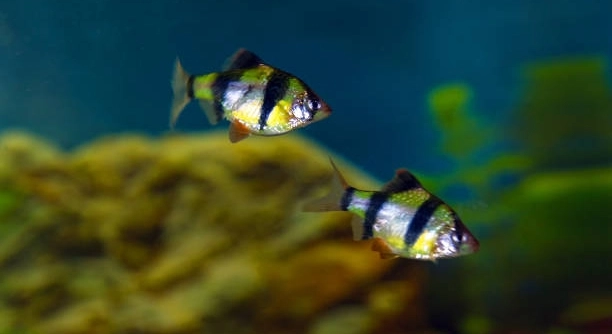
Uneven growth in tiger barbs is a common concern among aquarium enthusiasts. These colorful fish sometimes develop at different rates, which can affect the overall look and health of the group. Understanding the causes helps improve their care and wellbeing.
Uneven growth in tiger barbs can result from several factors, including inadequate nutrition, poor water quality, genetic variation, stress, disease, improper tank conditions, and competition for food. Identifying these causes is essential to maintaining balanced growth and a healthy environment.
Knowing what influences their growth will help you manage your aquarium more effectively. This article breaks down the main causes to guide you toward healthier, more uniform tiger barbs.
Inadequate Nutrition
Proper nutrition is essential for the healthy growth of tiger barbs. When their diet lacks essential nutrients, they can grow slower or unevenly compared to others in the tank. Feeding a balanced diet rich in protein, vitamins, and minerals supports their development. Often, uneven growth happens because some fish get more food than others. This can occur in crowded tanks or if food sinks quickly and only the dominant fish eat. Providing high-quality flake food, pellets, and occasional live or frozen treats can help. It’s also important to feed small amounts several times a day rather than one large feeding. This prevents overeating by dominant fish and ensures that all tiger barbs get enough nutrition to grow evenly. Consistency in feeding habits plays a key role in their overall health and growth patterns.
Feeding a balanced diet and managing food distribution effectively can prevent uneven growth in your tiger barbs.
Controlling how food is given ensures that all fish receive enough nutrients. This reduces competition and supports steady growth for each tiger barb in the tank.
Poor Water Quality
Water quality has a direct impact on fish health and growth. When water conditions are not ideal, tiger barbs can experience stress, illness, and slower development. Parameters such as ammonia, nitrite, nitrate levels, pH, and temperature need regular monitoring and maintenance. Dirty or poorly filtered water leads to toxic buildup, which affects fish metabolism and can stunt growth. Frequent water changes, proper filtration, and testing help maintain a stable environment. Stress caused by poor water conditions also weakens the immune system, making fish more vulnerable to infections. Keeping the tank clean and stable helps tiger barbs grow at a more even rate. Paying close attention to water quality is an essential part of responsible aquarium care.
Consistent water quality maintenance is vital for tiger barbs to grow evenly and stay healthy.
Regular testing and water changes reduce harmful substances and stress. This promotes a balanced and stable environment where all tiger barbs can thrive without growth issues.
Genetic Variation
Genetic differences naturally affect how tiger barbs grow. Some fish are simply programmed to grow faster or larger than others due to inherited traits. This variation means uneven growth is sometimes unavoidable.
Selective breeding can influence size and growth rates in tiger barbs. Wild-caught and tank-bred fish may show different growth patterns. Genetic diversity can also impact their health and lifespan. While genetics play a role, good care helps minimize the visible effects of uneven growth.
It’s important to recognize that genetics set the baseline for growth potential. Feeding, water quality, and stress management can improve outcomes, but they can’t completely override genetic differences. Understanding this can ease frustration when some tiger barbs grow differently.
Stress and Competition
Stress is a major factor affecting growth in tiger barbs. Stressors include aggressive tank mates, overcrowding, or frequent changes in the environment. When stressed, fish release hormones that slow growth and weaken immunity.
Competition for food is linked to stress and uneven growth. Dominant fish may eat more, leaving less for smaller or weaker tiger barbs. This imbalance makes some grow slower. Reducing overcrowding and keeping peaceful tank mates helps reduce stress. Using multiple feeding spots also ensures better food distribution. Managing stress and competition improves overall health and encourages more uniform growth in the tank.
Disease and Parasites
Disease and parasites can stunt tiger barbs’ growth by weakening their bodies. Sick fish often eat less and use energy fighting illness instead of growing. Early detection and treatment are key to preventing long-term damage.
Keeping the tank clean and observing fish regularly helps catch health issues early. Quarantining new fish before adding them prevents spreading infections that slow growth in your tiger barbs.
Improper Tank Conditions
Tank size and environment affect growth rates. Overcrowding limits space and raises stress, both of which reduce growth. Providing enough swimming room and hiding spots promotes healthier development.
Maintaining stable water temperature, proper lighting, and a suitable environment encourages natural behaviors and steady growth in tiger barbs.
Competition for Food
Unequal access to food results in uneven growth. Dominant tiger barbs can outcompete others, leaving smaller fish underfed and slower to grow.
Why are my tiger barbs growing at different rates?
Uneven growth is often caused by a mix of factors like nutrition, water quality, genetics, and stress. Some fish might get more food or be less affected by tank conditions. Genetics also plays a part—some tiger barbs are naturally smaller or slower growers. Managing diet, environment, and stress levels can help reduce differences.
How can I improve feeding to reduce uneven growth?
Feed small amounts multiple times a day instead of one large meal. Use high-quality flakes or pellets designed for tropical fish, and add occasional live or frozen foods. Distribute food evenly across the tank so all fish can eat. This prevents dominant fish from taking all the food and helps smaller or shy fish grow better.
What water conditions are best for tiger barbs?
Tiger barbs thrive in clean, well-filtered water with stable temperature between 74°F and 79°F (23°C–26°C). Maintain pH between 6.5 and 7.5. Regularly test ammonia, nitrite, and nitrate levels to avoid toxic buildup. Frequent water changes and good filtration keep water healthy and reduce stress, encouraging steady growth.
Can tank mates cause uneven growth?
Yes. Aggressive or overly competitive fish stress tiger barbs and compete for food. Stress slows growth and weakens the immune system. Choose peaceful tank mates that don’t bully or outcompete tiger barbs. This creates a calm environment, where all fish can feed and grow more evenly.
How do diseases affect growth?
Diseases and parasites drain energy from tiger barbs, making them eat less and grow slower. Infections can stunt development and cause visible signs like spots, frayed fins, or lethargy. Early treatment is crucial. Regular tank maintenance and quarantine of new fish help prevent illness and support healthy growth.
Is overcrowding a problem for growth?
Overcrowding raises stress and reduces swimming space. Stressed fish release hormones that slow growth and lower immunity. Overcrowded tanks also increase waste, which worsens water quality. Providing enough space and limiting the number of tiger barbs per tank improves health and encourages more uniform growth.
What role does genetics play in growth?
Genetics influence the size and growth rate of tiger barbs. Some fish will always be smaller or slower growing because of inherited traits. While proper care can improve growth conditions, it can’t completely change genetic potential. Accepting some natural variation helps avoid frustration.
How can I monitor growth effectively?
Keep a log or take pictures regularly to track the size and health of your tiger barbs. Note feeding habits, water changes, and any health issues. This helps identify patterns or problems early, allowing you to adjust care and prevent uneven growth before it becomes serious.
Uneven growth in tiger barbs is a common issue that many fishkeepers face. It can happen for a variety of reasons, including differences in nutrition, water quality, genetics, stress, disease, tank conditions, and competition for food. Understanding these causes is important because it helps identify what can be changed and what cannot. Some factors, like genetics, are beyond control, but many others can be improved with proper care. Paying attention to the environment and the needs of each fish can help reduce growth differences and keep the tank healthier overall.
Taking steps to provide a balanced diet, maintain good water quality, and manage stress levels will make a big difference. Feeding small, frequent meals and ensuring that all tiger barbs get enough food helps prevent dominant fish from outcompeting the others. Keeping the water clean and stable by regular testing and changes reduces stress and supports better growth. Creating a peaceful tank environment with suitable tank mates and enough space helps lower aggression and competition. Watching for signs of illness and acting quickly can prevent disease from affecting growth. All of these practices together improve the chances of more even growth among your tiger barbs.
While it’s natural for some variation in size and growth rate due to genetics, providing consistent care can minimize unevenness. Patience is also key, as fish grow at different speeds over time. Monitoring your fish and adjusting care as needed will help maintain a healthy and balanced aquarium. Keeping these points in mind ensures a better environment for your tiger barbs, supporting their health and happiness. With the right attention and effort, you can enjoy a vibrant and well-growing group of tiger barbs in your tank.

Hello,
If you enjoy the content that we create, please consider saying a "Thank You!" by leaving a tip.
Every little bit helps us continue crafting quality advice that supports the health, happiness, and well-being of pets around the world, for pets of all shapes, sizes, and species.
We really appreciate the kindness and support that you show us!