
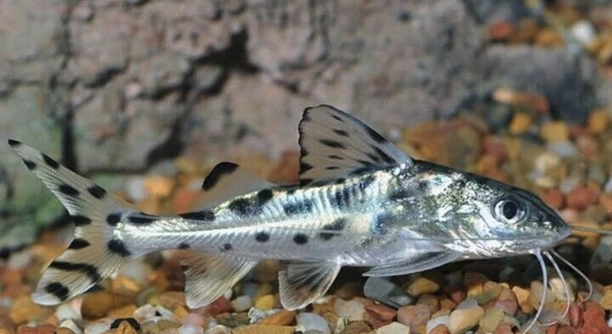
Are your tankmates acting aggressively toward your Pictus catfish? Aggression can disrupt the peaceful environment you want to create in your aquarium. Understanding the causes behind this behavior can help you maintain harmony among your fish.
Tankmate aggression toward Pictus catfish often results from factors such as territorial disputes, competition for food, overcrowding, stress, incompatible species, poor water quality, and lack of hiding spaces. Identifying and addressing these causes can reduce conflicts and promote a balanced aquarium environment.
Knowing what triggers aggression in your tank can improve your fish’s well-being and make your aquarium a more pleasant place to watch and enjoy.
Territorial Disputes
Territorial behavior is common among many fish species, including those kept with Pictus catfish. When tankmates feel the need to defend their space, aggression can quickly arise. Pictus catfish are active swimmers and sometimes roam through areas others consider their territory. This overlap can cause stress and provoke fights. If the tank is too small, these territorial disputes become more frequent because fish have limited space to avoid each other. Providing enough room and visual barriers like plants or decorations can help reduce conflicts. Observing your fish’s behavior closely will show if certain tankmates are constantly chasing or bullying the Pictus. In many cases, rearranging the tank layout or introducing hiding spots calms aggression and helps fish coexist more peacefully. Maintaining a calm environment is essential for healthy interactions.
Territorial aggression often increases when space is limited or when fish feel their area is threatened. Adjusting the tank setup can ease tensions.
Creating clear boundaries with decorations and increasing tank size are effective ways to minimize territorial disputes. Fish tend to be less aggressive when they have their own space. Avoid placing aggressive species near Pictus catfish. Adding plants and caves gives shy fish places to retreat, reducing stress. Monitoring behavior daily helps catch problems early. Sometimes, separating aggressive individuals is necessary to protect peaceful tankmates. Consistent water quality and proper feeding also reduce stress-related aggression. By managing territory carefully, your tank will be a calmer environment where Pictus catfish can thrive without constant harassment.
Competition for Food
Competition for food is a common cause of aggression in community tanks. When food is scarce or unevenly distributed, more aggressive fish may bully others to get their share. Pictus catfish can be shy eaters and might lose out if other tankmates rush the feeding area. This causes stress and can lead to repeated aggressive encounters during mealtime. To reduce this, it is important to feed fish evenly by spreading food around the tank or using multiple feeding spots. Ensuring all fish get enough food helps keep peace. Feeding smaller amounts more frequently can also lower competition, as fish do not feel pressured to fight over limited resources.
Providing adequate, evenly distributed food helps prevent aggression caused by competition.
Feeding practices impact tank harmony significantly. Avoid overcrowding during meals and watch that all fish, including Pictus catfish, receive enough nutrition to stay healthy and calm.
Overcrowding
Overcrowding in a tank increases stress and aggression among fish. Limited space forces fish into constant contact, which can upset Pictus catfish.
When too many fish are kept in a small tank, they compete for space, hiding spots, and resources. This pressure creates tension that often shows as aggressive behavior. Pictus catfish prefer open swimming areas and may become targets if they cannot escape confrontations. Overcrowding also worsens water quality, adding to stress and aggression. Maintaining proper stocking levels allows each fish enough room to swim and reduces the likelihood of fights.
Avoid overstocking by following recommended fish numbers for your tank size. If aggression appears, consider moving some fish to another tank or upgrading to a larger aquarium. Proper space helps fish feel secure and lowers tension, making the tank environment more peaceful for Pictus and other species.
Stress from Poor Water Quality
Poor water quality causes stress in fish, leading to aggressive behavior. Toxins and imbalanced conditions weaken fish health and patience.
Ammonia, nitrite, and nitrate buildup harms fish by damaging gills and impairing breathing. Stress from poor water conditions makes fish more prone to aggression because they feel threatened and insecure. Pictus catfish are sensitive to water changes and may become more defensive or skittish in unhealthy tanks. Regular testing and maintenance are necessary to keep water parameters safe. Changing water partially and cleaning filters reduces toxins and stabilizes the environment.
Providing clean, stable water supports fish health and reduces stress-driven aggression. A well-maintained tank helps Pictus catfish remain calm and less likely to provoke or respond to hostility. Consistent care is essential for balanced behavior and overall well-being in your aquarium.
Incompatible Species
Some fish species naturally show more aggression, making them poor tankmates for Pictus catfish. Choosing peaceful companions is crucial.
Aggressive or territorial species often provoke fights and stress. Avoid mixing Pictus with overly dominant or fin-nipping fish to maintain harmony in the tank.
Lack of Hiding Spaces
Pictus catfish need places to retreat when feeling threatened. Without enough hiding spots, stress and aggression increase. Providing caves, plants, or decorations offers safe areas where shy fish can rest and avoid confrontations.
Stress from Frequent Tank Changes
Frequent or sudden tank changes cause stress, making fish more aggressive. Moving decorations, rearranging the layout, or changing water too often unsettles fish and triggers defensive behavior. Maintaining a stable environment helps reduce these issues.
FAQ
Why do some fish become aggressive toward Pictus catfish?
Aggression often arises because of competition for territory, food, or hiding spots. Fish may also react aggressively if they feel stressed by overcrowding or poor water conditions. Some species have naturally more aggressive behavior, which can cause conflicts with peaceful Pictus catfish.
How can I tell if tank aggression is due to territorial disputes?
Look for repeated chasing, biting, or cornering around specific areas of the tank. Aggressive fish may guard a spot aggressively, especially near decorations or breeding sites. If aggression decreases after rearranging the tank layout, it likely stems from territorial issues.
What steps can I take to reduce food-related aggression?
Feed smaller portions more often and spread food throughout the tank. Use multiple feeding spots to prevent dominant fish from blocking access. Observing mealtime helps ensure all fish, including Pictus catfish, get enough food without being bullied.
Is overcrowding a serious problem for tank harmony?
Yes, overcrowding causes stress and increases aggression. Each fish needs enough space to swim and avoid others. Overcrowded tanks also have poorer water quality, which stresses fish further. Follow stocking guidelines and upgrade tank size if needed.
How important is water quality in managing aggression?
Water quality directly affects fish health and stress levels. Poor water conditions make fish more defensive and prone to aggression. Regular testing, water changes, and filter maintenance keep water clean and fish calmer.
Are there specific fish species that shouldn’t be kept with Pictus catfish?
Avoid aggressive, territorial, or fin-nipping species. These fish can harass Pictus catfish, which are generally peaceful and prefer calmer tankmates. Research compatibility before adding new species to your aquarium.
How can hiding places help reduce aggression?
Hiding spots give Pictus catfish safe retreats from aggressive tankmates. Plants, caves, or decorations break up line of sight and reduce stress. Shy fish feel more secure when they have places to escape to.
Does rearranging the tank help with aggression?
Yes, changing the layout can disrupt established territories and reduce fights. New arrangements encourage fish to explore and re-establish boundaries, often lowering aggression. However, avoid frequent or sudden changes, which cause stress.
What are the signs of stress in Pictus catfish caused by aggression?
Signs include hiding more often, loss of appetite, torn fins, and unusual swimming patterns. Stress weakens their immune system, making them more vulnerable to disease. Addressing aggression quickly helps maintain their health.
When should I consider separating aggressive fish?
If aggression persists despite changes in tank layout, feeding, and water quality, separating aggressive individuals may be necessary. Use a separate tank or divider to protect vulnerable fish like Pictus catfish and restore peace in the main aquarium.
Final Thoughts
Managing aggression toward Pictus catfish requires attention to several key factors in the aquarium. Tankmates can become aggressive due to limited space, competition for food, or stress caused by poor water quality. Providing a spacious tank with enough hiding places helps reduce tension among fish. Careful selection of compatible species also plays a major role in keeping peace. When these elements are properly managed, Pictus catfish can live comfortably without constant stress or attacks from other fish.
Observing your aquarium regularly is important to catch signs of aggression early. Notice how fish interact during feeding times and whether any fish are being chased or bullied. Small changes like rearranging decorations or adjusting feeding routines can have a big impact on reducing conflicts. Maintaining stable water conditions is equally crucial, as clean water supports fish health and lowers irritability. If aggression continues despite these efforts, separating aggressive fish may be necessary to protect the more peaceful species like Pictus catfish.
Creating a calm environment benefits all fish in the tank, promoting better health and natural behavior. While aggression can be frustrating, understanding its causes allows for practical solutions that improve the quality of life for your fish. By providing adequate space, proper nutrition, hiding spots, and clean water, you can minimize aggression and enjoy a more peaceful aquarium. Taking these steps will help your Pictus catfish thrive alongside their tankmates and create a balanced aquatic community.

Hello,
If you enjoy the content that we create, please consider saying a "Thank You!" by leaving a tip.
Every little bit helps us continue crafting quality advice that supports the health, happiness, and well-being of pets around the world, for pets of all shapes, sizes, and species.
We really appreciate the kindness and support that you show us!