
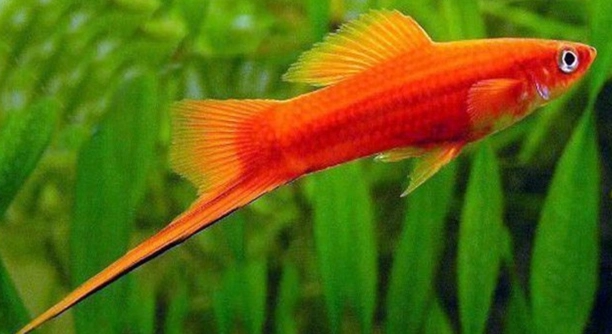
Swordtail tanks are beautiful to watch, but they can sometimes develop unsightly muck and gunk. If you’ve noticed a buildup in your tank, it’s essential to understand the causes behind it to maintain a healthy aquarium.
The presence of muck and gunk in a swordtail tank typically results from poor water quality, excess waste, overfeeding, or inadequate filtration. These factors encourage the growth of harmful bacteria and algae, leading to murky and unhealthy tank conditions.
By addressing the causes of tank muck and gunk, you’ll improve both water clarity and the overall health of your swordtails. This article will guide you through the most common reasons behind these issues and how to prevent them.
Overfeeding Your Swordtails
Overfeeding is one of the most common causes of muck and gunk in your swordtail tank. When fish are given too much food, they can’t eat it all, and the excess quickly decays in the water. This leftover food not only clutters the tank but also promotes harmful bacteria growth. As the food breaks down, it releases organic waste into the water, leading to cloudy and dirty conditions.
Fish waste, decaying food, and excess nutrients all contribute to an imbalanced tank environment. If you’re feeding your swordtails more than they can consume, it’s likely that your tank will accumulate gunk in no time. Swordtails are small and have modest appetites, so offering them too much can easily cause an issue.
To prevent this, try feeding your fish small amounts that they can consume in a few minutes. A good rule of thumb is to feed them once or twice a day, only offering what they will eat in that short time. Any uneaten food should be removed promptly to keep your tank clean.
Poor Filtration Systems
A weak filtration system is another factor that can lead to a buildup of muck and gunk in your swordtail tank. Filtration is vital for maintaining clear water by removing organic waste and debris. Without proper filtration, waste accumulates, and algae can grow rapidly, causing murky conditions.
If your filter is not working well enough or isn’t powerful enough for your tank size, the water will not be properly cleaned. As a result, organic matter such as fish waste, uneaten food, and plant debris will remain in the tank, making the water cloudy and potentially harmful to your fish.
To resolve this, ensure your filter is suitable for the size of your tank. Regularly clean the filter and replace any worn-out parts. If necessary, upgrade to a more efficient filter to maintain water quality. With good filtration, the water stays cleaner, reducing the chances of gunk buildup.
Infrequent Water Changes
Infrequent water changes contribute heavily to muck buildup. As water sits for longer periods without being changed, it becomes more polluted with waste and debris, which worsens tank conditions. The dirtier the water, the more difficult it is for your swordtails to thrive.
Water changes are essential for removing the excess waste that filtration can’t capture. If you only change the water occasionally, the toxic buildup from fish waste and uneaten food will quickly cloud the water. Over time, this creates an unhealthy environment for your swordtails, and bacteria and algae will flourish.
A good rule of thumb is to change 20-25% of the water every week. This prevents the accumulation of harmful substances while keeping the water clean and clear. Consistent water changes maintain balance, support filtration, and ensure your swordtails stay healthy in a clean, clear tank.
Overstocked Tanks
Overstocking your tank can lead to poor water quality, which causes gunk and muck to accumulate. The more fish you have, the more waste is produced. Excess waste can overwhelm your filtration system, leading to cloudy water and unhealthy tank conditions.
When a tank is overstocked, the bacteria and other microorganisms that break down waste struggle to keep up with the sheer volume of organic material. Over time, this results in dirty water, which promotes algae growth and the buildup of muck. This creates a toxic environment for your swordtails and puts unnecessary stress on them.
To avoid overstocking, research how many swordtails your tank can comfortably support. As a general rule, one inch of fish per gallon is a safe guideline. Properly stocking your tank helps maintain a healthy, balanced ecosystem, reducing the chances of muck buildup.
Poor Tank Maintenance
Neglecting regular tank maintenance can quickly lead to muck and gunk. If you aren’t cleaning the decorations, substrate, or filter regularly, debris will build up, resulting in cloudy water. This buildup can create a perfect environment for harmful bacteria and algae to thrive.
Tank maintenance is vital to keeping your swordtails’ environment clean. If you fail to scrub the tank’s surfaces and vacuum the substrate, organic material will decompose, releasing waste and nutrients into the water. This adds to the gunk and makes it harder for your filter to maintain clean water.
A routine maintenance schedule, including vacuuming the substrate and cleaning decorations, will help prevent muck buildup. Regularly remove any dead plants or debris, and inspect the tank for signs of dirt accumulation. This will make it easier to keep your swordtail tank healthy.
Inadequate Plant Care
Inadequate plant care can also contribute to poor water quality. Dead or decaying plants release waste into the water, encouraging algae growth and muck buildup. Proper care ensures that plants thrive and help absorb excess nutrients, keeping the water clean.
If your plants aren’t healthy, they won’t perform their natural job of absorbing waste. Dead or dying plants can decay quickly, adding unwanted organic matter to the tank. This organic material becomes food for bacteria and algae, creating an unhealthy tank environment.
Make sure to trim dead or dying plants regularly and remove any plant debris. Healthy plants help keep the tank in balance, providing oxygen and filtering out excess nutrients. Keep plants pruned and healthy to reduce muck buildup.
FAQ
How often should I clean my swordtail tank?
You should clean your swordtail tank regularly to avoid the buildup of waste and debris. A good routine is to clean the tank once a week. During each cleaning, you should remove uneaten food, vacuum the substrate, and check the filter. Performing partial water changes of 20-25% is also important. This ensures that excess nutrients and toxins don’t build up in the water. However, avoid cleaning everything at once, as it can disturb the tank’s balance.
Why is my tank water still cloudy even after changing the water?
Cloudy water, even after water changes, may be caused by several factors. One common cause is the presence of bacteria that are breaking down organic material. Overfeeding and infrequent water changes can lead to excess nutrients that promote bacterial growth. Another possibility is poor filtration or an overstocked tank, which can prevent the water from staying clean. If the water continues to be cloudy after changes, check your filtration system and consider cleaning it or upgrading it to handle the tank’s needs.
Can I use chemical treatments to clear the gunk in my tank?
While chemical treatments can sometimes help with clearing cloudy water or algae growth, they are usually not a permanent solution. Over-relying on chemicals can harm your swordtails and disrupt the natural balance of your tank. Instead of chemical treatments, focus on improving water quality through regular maintenance, proper feeding practices, and appropriate filtration. If you do use chemicals, make sure to follow the instructions carefully and monitor your fish closely for any signs of distress.
What is the best way to deal with excess algae in the tank?
Excess algae can form when there is an overabundance of nutrients like nitrates and phosphates in the water, often due to overfeeding or inadequate water changes. To deal with algae, reduce the amount of light your tank receives by limiting the time the aquarium light is on each day. Keep the tank well-maintained by removing algae manually from surfaces and doing regular water changes. Adding live plants can help, as they compete with algae for nutrients. A well-functioning filter and ensuring that your tank is not overstocked will also help prevent algae overgrowth.
How can I prevent overfeeding my swordtails?
Overfeeding is a common cause of tank muck and gunk. Swordtails have small appetites, so it’s essential to avoid giving them more food than they can consume in a few minutes. Feed them small amounts 1-2 times a day, and remove any uneaten food after a few minutes to prevent it from decomposing. If you’re unsure, start with less food and gradually increase it if your fish are eating it all quickly. Monitoring your fish during feeding time will help you figure out the right portion size for each feeding.
How do I know if my filter is working properly?
A properly functioning filter should be able to keep your tank water clear and free from excess debris and waste. If you notice cloudy water, poor water flow, or visible dirt buildup in your tank, it could mean your filter isn’t working effectively. Check the filter to ensure it’s not clogged or damaged. Regularly clean and maintain the filter by rinsing the media in tank water (not tap water, which can harm beneficial bacteria). If the filter still isn’t working properly, consider upgrading to a more powerful filter that suits the size of your tank.
What should I do if my tank is overstocked?
If your swordtail tank is overstocked, it’s crucial to reduce the number of fish to maintain a healthy environment. Overstocking puts stress on the filtration system, causing waste to build up faster than it can be processed. Consider removing fish that are unnecessary or transferring some to another tank. Ensure that the tank is adequately stocked according to its size and filtration capacity. A general guideline is one inch of fish per gallon of water. By maintaining an appropriate stocking level, you can improve water quality and reduce muck buildup.
Can plants help reduce tank muck and gunk?
Yes, live plants can help reduce muck and gunk in your swordtail tank. Healthy plants absorb excess nutrients like nitrates and phosphates, which can contribute to algae growth and dirty water. Plants also help oxygenate the water and provide hiding spots for your fish, creating a more natural and balanced environment. Regularly prune and maintain your plants to ensure they thrive and continue to improve water quality. Avoid letting plants die off in the tank, as decomposing plant matter can add to the gunk buildup.
Is it necessary to use a substrate in my swordtail tank?
Using a substrate is not mandatory, but it does provide several benefits. It helps support live plants, which in turn assist in filtering out excess nutrients and improving water quality. A substrate also allows beneficial bacteria to thrive, which is crucial for breaking down organic waste. However, if you choose to use a substrate, make sure to vacuum it regularly to prevent waste from settling and decomposing. A bare-bottom tank is easier to clean but may lack the aesthetic appeal and biological benefits that a substrate provides.
How can I prevent fish waste from building up in the tank?
Fish waste is inevitable, but you can take steps to reduce its accumulation. Ensure your filtration system is appropriate for your tank size, and make regular water changes to remove waste from the water. Additionally, vacuum the substrate regularly to collect any waste that falls to the bottom of the tank. Avoid overfeeding your swordtails, as uneaten food can contribute to waste buildup. If possible, limit the number of fish in the tank to avoid excess waste production. Regular tank maintenance is key to keeping waste levels under control.
Why is my swordtail tank constantly getting dirty?
If your swordtail tank is constantly getting dirty, it may be due to one or more of the factors mentioned earlier. Overfeeding, inadequate filtration, infrequent water changes, and overstocking all contribute to a dirty tank. To fix this, focus on maintaining a regular cleaning schedule, ensuring your filter is working properly, and adjusting feeding habits. You may also need to check if your tank is overstocked and remove any excess fish. By addressing these issues, you’ll create a cleaner and healthier environment for your swordtails.
Final Thoughts
Maintaining a clean and healthy swordtail tank requires a bit of effort, but the rewards are worth it. By understanding the causes of muck and gunk, you can take the necessary steps to prevent them. Whether it’s managing how much you feed your swordtails, ensuring proper filtration, or regularly cleaning the tank, each action contributes to a healthier aquatic environment. Swordtails, like all fish, thrive in a well-balanced tank, where water quality is maintained, and waste is managed properly.
By avoiding common mistakes, such as overfeeding, neglecting water changes, or overstocking your tank, you can significantly reduce the buildup of muck. Regular maintenance tasks, like vacuuming the substrate, cleaning the decorations, and trimming dead plants, all help keep the tank looking clean and ensure that your fish stay healthy. It’s important to monitor water conditions regularly, checking for signs of cloudiness, excess algae, or a decrease in water quality. With consistent care, you’ll find that the tank remains much clearer, and your swordtails will be happier.
Lastly, remember that a little bit of prevention goes a long way. The right tank size, proper stocking levels, and routine maintenance are key to reducing the amount of muck and gunk in your tank. With these simple yet effective practices, you’ll enjoy watching your swordtails swim in clear water and create a peaceful, thriving aquarium. Taking care of your tank doesn’t have to be a difficult task, but it does require consistent attention. By staying on top of the basics, you’ll keep your swordtail tank clean and your fish happy.

Hello,
If you enjoy the content that we create, please consider saying a "Thank You!" by leaving a tip.
Every little bit helps us continue crafting quality advice that supports the health, happiness, and well-being of pets around the world, for pets of all shapes, sizes, and species.
We really appreciate the kindness and support that you show us!