
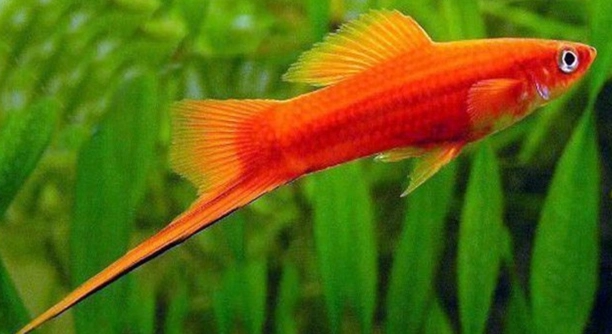
Swordtails are beautiful fish, but sometimes their fins may become damaged. Understanding the causes of fin damage can help you take better care of your fish and prevent further harm. Here’s what you need to know.
The main causes of swordtail fin damage include poor water quality, aggressive tank mates, physical injuries, fin rot, and improper tank conditions. Stress from overcrowding, improper diet, and sudden changes in water temperature can also contribute to the problem.
Knowing how to spot and address these issues early on will help your swordtail recover quickly and stay healthy.
Poor Water Quality
Water quality plays a significant role in the health of swordtails. When water parameters such as ammonia, nitrites, and nitrates are not properly managed, fish become stressed, leading to weakened immune systems. This stress can result in fin damage over time. Regular water changes, proper filtration, and testing are essential to maintain a clean environment for your fish.
Keeping your tank at the right pH and temperature is also key. Swordtails prefer water that’s slightly alkaline with a temperature range between 72°F and 79°F. If the water conditions fluctuate too much, it can lead to increased vulnerability to diseases, including fin rot.
To maintain a stable environment, use a reliable water testing kit to monitor levels regularly. By ensuring a clean and stable tank, you can prevent many common issues related to poor water quality, keeping your swordtail healthy and its fins intact.
Aggressive Tank Mates
Swordtails are generally peaceful, but if housed with more aggressive tank mates, they may suffer from fin damage. Fish such as bettas, cichlids, or fin-nipping species can cause injury during territorial disputes. Aggressive behavior may also occur when tank mates are overcrowded or have incompatible temperaments.
To prevent aggression, it’s important to research the temperament of any species before introducing them to your tank. Providing plenty of hiding spots, live plants, and space for swordtails to retreat to can reduce stress and minimize conflicts. If aggression persists, consider separating incompatible fish to ensure a peaceful tank environment. Proper tank size is crucial as well; a cramped space will only escalate territorial issues.
Understanding your fish’s behavior and choosing compatible tank mates can go a long way in preventing aggression and the resulting fin damage.
Physical Injuries
Physical injuries can happen when swordtails swim too close to objects or other fish. Sharp decorations, rocks, or even plants with rough edges can cause tears or abrasions in their fins. These injuries can lead to infection if not properly treated.
To prevent physical damage, keep decorations smooth and ensure there are no sharp edges in your tank. Avoid placing large, aggressive tank mates that may unintentionally harm your swordtails. If injuries do occur, isolate the affected fish in a quarantine tank and treat the wound with an appropriate antibacterial medication to prevent further complications.
Regularly inspect your swordtails for any signs of injury. Addressing minor issues quickly can help prevent the damage from becoming more serious, allowing your fish to heal faster.
Fin Rot
Fin rot is a common issue that can result from poor water quality or bacterial infections. Swordtails’ fins may appear frayed, discolored, or have a ragged edge when affected by fin rot. If left untreated, it can lead to severe tissue damage.
Fin rot is typically caused by stress, overcrowding, or unclean water. Maintaining proper filtration and water changes is crucial to prevent bacterial growth. If fin rot is noticed, isolate the infected fish immediately and treat them with an antibacterial medication suitable for aquarium use.
Keeping your tank’s water parameters stable will help prevent fin rot from developing. Early intervention and proper tank maintenance can ensure your swordtails remain healthy and their fins stay intact.
Overcrowding
Overcrowding in a tank increases stress and leads to competition for food, space, and hiding spots. Swordtails are social but need room to swim and establish territories. Too many fish can lead to fin damage from constant interactions and territorial disputes.
Ensure your tank is large enough to support the number of fish you keep. It’s crucial to give each fish enough space to move freely and reduce tension. If overcrowding is an issue, consider upgrading to a larger tank or removing some fish to avoid stress and potential injury.
Maintaining a comfortable and spacious environment is essential to the well-being of your swordtails.
Improper Diet
A poor diet can weaken your swordtail’s immune system, making them more prone to fin damage and diseases. Lack of essential nutrients, such as vitamins and minerals, can lead to fin rot or slow healing from injuries.
To prevent this, provide a balanced diet that includes high-quality fish flakes, pellets, and occasional live or frozen food. A varied diet ensures that your fish get the necessary nutrients to stay strong and healthy. Feed your swordtails in moderation to avoid overfeeding, which can cause water quality problems.
A healthy diet goes a long way in ensuring your swordtails’ overall health, helping them maintain their vibrant fins.
Sudden Temperature Changes
Swordtails are sensitive to rapid temperature changes in their environment. A sudden shift in temperature can stress them, weakening their immune systems and leaving them vulnerable to fin damage.
Always ensure the water temperature is consistent and falls within the recommended range of 72°F to 79°F. Use a reliable heater and thermometer to monitor fluctuations. If the water temperature fluctuates too much, your swordtails may experience distress, leading to possible injuries and health problems.
FAQ
What are the signs of fin damage in swordtails?
Fin damage in swordtails can appear as frayed, torn, or ragged edges on the fins. Discoloration or blackened tips are also common signs, along with fins that appear shorter or split. You may notice the swordtail swimming differently, avoiding certain areas, or rubbing against objects due to discomfort. In severe cases, the fins may begin to deteriorate or rot, causing the damage to spread. Early detection of these signs is crucial for proper treatment.
How can I prevent fin damage in my swordtails?
Maintaining proper water quality is key to preventing fin damage. Regular water changes, proper filtration, and keeping the tank clean are essential for the health of your swordtails. Avoid overcrowding the tank, as this increases stress and aggression. Additionally, ensure there are no sharp objects or rough edges in the tank that could cause injuries. Keeping compatible tank mates will also reduce the risk of fin damage from aggression.
Can swordtails heal from fin damage?
Yes, swordtails can heal from fin damage if given proper care. Small tears or nicks often heal on their own, especially if the fish is in clean, stable water conditions. However, if the damage is severe or becomes infected, you may need to isolate the affected fish in a quarantine tank and treat it with medication. Providing a balanced diet that supports the immune system can help speed up the healing process.
Is it necessary to isolate a swordtail with fin damage?
If the damage is minor, it may not be necessary to isolate your swordtail. However, if the damage is severe or there are signs of infection, such as swelling, redness, or white patches, isolating the fish is recommended. This prevents other fish from aggravating the injury and allows for focused treatment. A quarantine tank can be equipped with proper filtration and medications to help the fish heal.
What should I do if my swordtail has fin rot?
If you notice signs of fin rot, such as discolored or decaying fins, it’s important to act quickly. Isolate the affected swordtail in a separate tank to prevent the spread of bacteria. Remove any uneaten food and clean the main tank thoroughly. Treat the infected fish with an antibacterial medication specifically designed for aquarium use. Additionally, improving water quality and reducing stress can help prevent the issue from recurring.
How can I tell if my swordtail’s fin damage is caused by aggression?
Aggression from tank mates is often the cause of fin damage, especially if you see nipping or chasing behavior. If your swordtail’s fins are ragged or torn, and you notice other fish displaying territorial behavior, it’s likely the injury is due to aggression. Overcrowding can also lead to competition for space, making aggression more likely. To prevent this, ensure your tank has enough space, and consider separating incompatible tank mates.
Can I use aquarium salt to help with fin damage?
Aquarium salt can be beneficial for treating minor injuries and reducing stress in some fish. It can help with healing by promoting mucus production and supporting the immune system. However, it’s important to use salt in moderation and monitor the fish closely. Too much salt can be harmful, especially for swordtails, so always follow the recommended dosage. For severe fin damage or infections, it’s better to consult with a veterinarian or use specific medications.
How often should I change the water in my swordtail tank?
Water changes are essential for keeping your swordtail healthy. For optimal water quality, aim to change 20-30% of the tank water every week. This helps to remove harmful toxins, such as ammonia and nitrites, and replenishes essential minerals. Regular water changes also help prevent conditions that can lead to fin damage, like bacterial infections and poor water quality. Be sure to use a water conditioner to remove chlorine and other harmful chemicals from tap water.
What is the best diet for swordtails to prevent fin damage?
A healthy, balanced diet is vital to keeping swordtails strong and their fins in good condition. Feed your swordtail a variety of high-quality foods, including flakes, pellets, and live or frozen food such as brine shrimp and bloodworms. A diverse diet ensures they get the necessary nutrients, such as vitamins and minerals, which help boost their immune system. Avoid overfeeding, as uneaten food can pollute the water, leading to health issues.
Can I use any medication for swordtail fin damage?
There are many medications available to treat fin damage, depending on the underlying cause. For bacterial infections, antibacterial treatments are typically used. You can find specific fin rot treatments at pet stores or online. Always read the instructions and make sure the medication is safe for swordtails. If the damage is due to physical injury, a mild antiseptic or salt treatment may help prevent infection. For severe cases, consulting a veterinarian or an experienced aquarist is recommended.
How long does it take for swordtail fins to heal?
The healing time for swordtail fins varies depending on the severity of the damage. Minor tears or nicks may heal within a week or two if the fish is kept in a clean, stress-free environment. More severe injuries or infections may take longer to heal, and some may require ongoing treatment for up to several weeks. Patience and proper care are crucial during the healing process to ensure your swordtail fully recovers.
Final Thoughts
Taking care of your swordtail’s fins is an essential part of maintaining their overall health and well-being. Whether it’s from aggression, overcrowding, or water quality issues, fin damage can be a sign of underlying problems in the tank. By addressing these issues early and providing the right care, you can help your swordtail recover and prevent further damage. Regular water changes, proper tank maintenance, and a healthy diet are key to ensuring your fish stay in top condition.
Prevention is always better than cure. Keeping your tank clean, making sure there’s enough space for each fish, and avoiding aggressive tank mates are some of the best ways to prevent fin damage. Monitoring your swordtail’s behavior and health closely will help you spot potential issues before they become serious. Regular observation and quick action can make a big difference in your fish’s health and quality of life.
If your swordtail does experience fin damage, remember that most minor injuries will heal with proper care. Isolating the injured fish, treating any infections, and maintaining a stress-free environment can support healing. In some cases, it may be necessary to seek professional advice for more serious damage. With the right approach, your swordtail can recover and continue to thrive in its tank.

Hello,
If you enjoy the content that we create, please consider saying a "Thank You!" by leaving a tip.
Every little bit helps us continue crafting quality advice that supports the health, happiness, and well-being of pets around the world, for pets of all shapes, sizes, and species.
We really appreciate the kindness and support that you show us!