
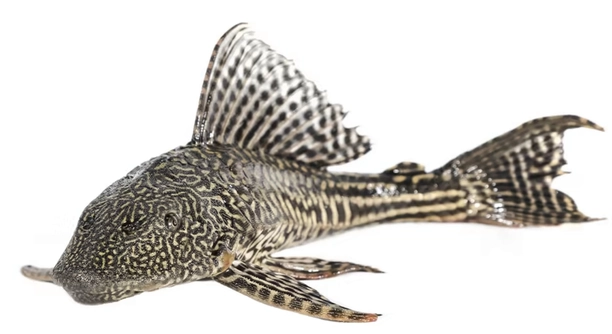
Changes in a pleco’s color can be puzzling, especially if you’ve never seen it happen before. These shifts can be sudden and unexpected, leaving you curious about the cause. Understanding why this happens will help you provide better care.
Sudden color changes in plecos are often due to environmental factors, stress, diet, and genetics. Variations in water quality, lighting, and tank conditions can affect their color. Diet changes and stress also contribute significantly to these changes.
Understanding the underlying causes can help you create a better environment for your pleco, keeping it healthy and vibrant.
Water Quality and Temperature
Water quality plays a major role in the health of your pleco. When the water parameters fluctuate, such as pH, hardness, and temperature, it can trigger stress in the fish, which may cause a change in color. High levels of toxins like ammonia or nitrites can also contribute to these changes. Plecos are sensitive to their environment, and poor water conditions can lead to noticeable discoloration or fading. For the best results, maintain a consistent water temperature and ensure the water is clean through regular water changes.
The ideal temperature range for a pleco is typically between 72°F and 82°F (22°C to 28°C). Keeping the water stable helps maintain its health and vibrant color.
Maintaining water quality requires frequent monitoring and cleaning. Test the water regularly for harmful chemicals, and make sure to change the water at least once a week. A proper filtration system also ensures water stays clean, which minimizes stress and maintains your pleco’s natural color.
Stress Factors
Stress can significantly impact your pleco’s appearance. When plecos feel threatened or uncomfortable, they may react by altering their color as a defense mechanism. Whether it’s due to a new tank mate, loud noises, or frequent tank disturbances, these changes are often temporary but can become permanent if the stress is prolonged. Plecos may appear darker or lighter depending on their stress level.
Reducing stress by ensuring a peaceful, stable environment will help your pleco feel more comfortable and less likely to experience color changes. Stress management is essential for long-term health.
To reduce stress, provide plenty of hiding spots and create a calm environment. Avoid overcrowding and ensure your pleco has enough space to swim freely. Proper tank mates that are non-aggressive can also contribute to a more relaxed atmosphere for your pleco.
Lighting and Tank Placement
Lighting affects a pleco’s coloration. If the tank is exposed to bright light for long periods, it can cause stress and lead to faded colors. Plecos, particularly nocturnal ones, thrive in dimmer environments. Overexposure to strong light can also make them more susceptible to algae growth on their bodies, further altering their color.
To avoid this, place your tank in a location with indirect light or use dim lighting options like LED strips. Make sure your pleco has areas to retreat into shadows if it prefers a darker environment. Adjusting light intensity is key to maintaining its natural appearance.
Investing in a proper lighting setup with adjustable features can prevent light-related color changes. If your pleco becomes too stressed from the lighting, it may exhibit pale or dull colors. Offer caves, plants, or driftwood for hiding, which will help them feel secure in their environment.
Diet and Nutrition
The food you provide influences your pleco’s color. A diet lacking in essential nutrients, such as spirulina, can lead to dullness or fading of colors. Plecos need a balanced diet that includes algae-based foods and occasional protein-rich options. Poor nutrition weakens their immune system, making them more susceptible to stress and other health issues.
To improve your pleco’s color, make sure to feed a variety of foods. High-quality pellets, fresh vegetables like zucchini, and algae wafers should be included in their diet. These provide the necessary vitamins and minerals that support their natural pigmentation.
Ensuring your pleco receives the right amount of nutrition will not only prevent color changes but also promote its overall health. A well-balanced diet helps plecos stay active, strong, and vibrant. Keep track of their feeding habits to avoid overfeeding or underfeeding, which could impact their appearance.
Genetics and Natural Variation
Genetics can influence color changes in plecos. Some plecos naturally have fluctuating colors based on their genetic makeup. This is especially true for certain species like the common pleco, where color variations can occur over time.
Plecos may also have different patterns or shades depending on their genetic traits. These changes are often harmless and are simply part of the fish’s natural development.
Understanding that these color changes are part of their genetic design can help prevent unnecessary concern. They don’t always signal a health problem, but just a shift due to natural processes.
Illness and Health Problems
Health issues can also lead to color changes in plecos. For example, fungal infections or parasites can cause discoloration. If your pleco’s color suddenly shifts and it appears lethargic or has visible lesions, it might be sick. Immediate attention is needed to prevent further complications.
Regular water testing and keeping the tank clean can help prevent infections. If your pleco shows signs of illness, consulting an aquarium professional can ensure proper treatment. Stress, caused by poor tank conditions, often weakens their immune system, making them more vulnerable to diseases.
Tank Size and Space
A pleco that doesn’t have enough space can experience stress, which may result in color changes. Overcrowding or inadequate tank size will make them feel confined, which can lead to both physical and behavioral issues, including color shifts.
Plecos need ample room to swim and explore. A tank that’s too small can negatively affect their health and appearance, so ensure their environment is spacious and free from constant disturbances.
FAQ
What causes my pleco to turn darker?
A pleco may turn darker when it is stressed or when the water conditions are not ideal. Changes in water quality, such as fluctuating pH levels or the presence of toxins, can cause this. Additionally, if the pleco feels threatened or uncomfortable, it might darken as a defense response. Stress from sudden changes in the tank, including the addition of new tank mates or changes in lighting, can also trigger this.
Can changes in water temperature cause color changes in plecos?
Yes, plecos are sensitive to temperature changes, and sudden fluctuations can cause stress that results in color changes. Plecos generally prefer stable water temperatures, typically between 72°F and 82°F (22°C to 28°C). If the water becomes too hot or cold, the pleco might display darker or lighter colors as a sign of distress. Keeping the temperature consistent and within the ideal range can help avoid these issues.
Why does my pleco look pale?
A pale pleco is often a sign of stress, poor diet, or inadequate water conditions. Stress from overcrowding, aggressive tank mates, or lack of hiding spots can cause a pleco to appear pale. Similarly, a diet lacking in essential nutrients or poor water quality can also result in a lack of color. Make sure the pleco has a balanced diet and that the tank conditions are optimal to prevent this.
Can I improve my pleco’s color through diet?
Yes, diet plays a significant role in maintaining and enhancing a pleco’s natural color. Plecos require a variety of foods, including algae-based products, vegetables, and protein-rich options. Spirulina and high-quality pellets can help maintain their vibrant colors. A diet rich in vitamins and minerals will support their overall health and improve their appearance.
Is it normal for plecos to change colors over time?
Yes, plecos may naturally change colors over time due to age or genetics. Younger plecos may appear lighter, while they darken as they mature. This is especially true for certain species, such as the common pleco. These changes are usually harmless and are part of their natural growth process.
How does lighting affect my pleco’s color?
Lighting can have a significant effect on a pleco’s color. Overexposure to bright light can cause stress and make the pleco’s colors fade or become more muted. Plecos are naturally more active during low light conditions, as they are nocturnal. To prevent this, you should provide dim lighting and offer areas where your pleco can retreat to darker spaces.
What should I do if my pleco’s color suddenly changes?
If your pleco’s color changes suddenly, it’s important to check the water conditions first. Test for any spikes in ammonia, nitrites, or nitrates, and ensure the pH level is stable. Also, examine the pleco for any signs of illness or injury. If everything seems normal but the color persists, monitor its behavior and environment for any possible stressors.
Can plecos lose color when they are sick?
Yes, illness is one of the most common reasons for color loss in plecos. If your pleco’s color is fading and it shows signs of lethargy, poor appetite, or unusual behavior, it could be suffering from an infection or other health problem. In such cases, it’s best to isolate the pleco in a quarantine tank and consult with an aquarium expert for proper treatment.
How can I reduce stress in my pleco to prevent color changes?
To reduce stress, ensure your pleco has a suitable environment with plenty of hiding spots. Avoid overcrowding the tank, and keep the tank mates peaceful. Plecos are sensitive to loud noises, sudden movements, and changes in the water or temperature. Maintaining stable water conditions, including proper filtration and regular water changes, will also help minimize stress and prevent color changes.
Can I reverse color changes in plecos?
Reversing color changes largely depends on the cause. If the color change is due to stress or poor water quality, addressing the root issue, such as improving water conditions or reducing stress, can help restore the pleco’s natural color. However, if the color change is genetic or related to aging, it may be permanent.
Final Thoughts
Plecos are fascinating fish with a wide range of natural colors and patterns. However, sudden changes in their appearance, particularly in their color, can be concerning for aquarium owners. The good news is that many color changes are normal and can be caused by various factors like genetics, stress, lighting, and diet. Understanding these factors can help you prevent unwanted color shifts and keep your pleco healthy.
To maintain vibrant colors, it’s important to provide your pleco with the right environment. Ensuring proper water quality, lighting, and temperature can minimize stress and encourage the fish to thrive. Additionally, a balanced diet rich in algae, vegetables, and other nutrients plays a crucial role in maintaining their natural hues. Regular maintenance of the tank, including water changes and filtration, can help keep the pleco’s environment stable, reducing the chances of stress-related color changes.
If you notice a significant change in your pleco’s color, it’s always worth examining the conditions in the tank. Stress from overcrowding, poor water quality, or illness can cause changes in coloration. By addressing these issues early, you can often restore your pleco’s original color. If the color change is persistent or accompanied by other signs of illness, consulting with an aquarium expert is always a good idea. In most cases, with proper care and attention, your pleco will continue to thrive and show off its beautiful colors.

Hello,
If you enjoy the content that we create, please consider saying a "Thank You!" by leaving a tip.
Every little bit helps us continue crafting quality advice that supports the health, happiness, and well-being of pets around the world, for pets of all shapes, sizes, and species.
We really appreciate the kindness and support that you show us!