
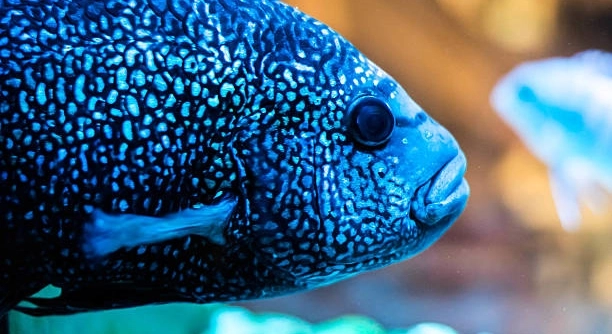
Have you ever noticed your Dempsey fish losing its bright colors suddenly? Watching them fade can be worrying, especially when you care about their health and want them to stay vibrant in your aquarium environment.
Sudden color loss in Dempsey fish is often caused by stress, poor water quality, improper diet, illness, genetic factors, or environmental changes. Identifying and addressing these causes promptly helps maintain their natural coloration and overall health.
Understanding the reasons behind color changes can help you take better care of your fish. This guide will explain the common causes and how to support their well-being effectively.
Stress and Its Effect on Dempsey Fish
Stress is one of the most common reasons Dempsey fish lose their color. Changes in water temperature, moving to a new tank, or being overcrowded can all cause stress. Even sudden loud noises or frequent disturbances near the aquarium can make your fish tense. When stressed, Dempsey fish may hide more often and stop eating properly. Over time, this stress affects their coloration, causing them to appear dull or pale. Maintaining a calm, stable environment helps prevent these problems. Regular tank cleaning and consistent feeding schedules also reduce stress. Observing their behavior closely can alert you to early signs, like erratic swimming or staying near the bottom. Even seemingly small changes can impact their mood and health, so careful attention is necessary. A healthy, stress-free Dempsey fish will gradually regain its natural, vibrant colors if proper care is provided.
Reducing stress in Dempsey fish requires stable water conditions, proper tank size, and avoiding sudden environmental changes.
Preventing stress means keeping the tank clean, providing hiding spots, and maintaining a consistent routine. Paying attention to their behavior allows you to address issues before color loss becomes severe. Overcrowding and sudden changes should always be avoided, and feeding should remain regular to support overall health. Observing small signs early is key.
Poor Water Quality
Poor water quality can directly affect the appearance of your Dempsey fish. High levels of ammonia, nitrites, or nitrates can harm their skin and scales, leading to fading colors. Dirty water can also increase stress and weaken the immune system, making them more prone to illness. Regular water testing is important to detect imbalances before they affect your fish. Changes in pH, hardness, or temperature can also influence coloration, so maintaining consistency is essential. Filtration systems, frequent water changes, and careful monitoring are practical ways to ensure a clean environment. Uneaten food and waste should be removed promptly to prevent toxic buildup. A well-maintained tank not only supports vibrant colors but also encourages active behavior. Many Dempsey owners notice significant improvements after stabilizing water conditions, with fish becoming more colorful and energetic over time.
Maintaining optimal water conditions is essential to keep your Dempsey fish healthy and colorful.
Even slight fluctuations in water quality can reduce their color quickly. Regular testing, partial water changes, and proper filtration help maintain a stable environment. Ensuring the right temperature and pH balance supports their natural vibrancy. Clean tanks lead to healthier fish, with brighter scales and stronger immunity. Observing water quality is just as important as diet for long-term color maintenance.
Improper Diet
A poor diet can make Dempsey fish lose their color quickly. Lack of nutrients like carotenoids and vitamins leads to dull scales. Feeding only one type of food or low-quality flakes contributes to fading, so variety and nutrition are key to keeping their colors bright.
Including a mix of high-quality pellets, frozen foods, and live options ensures balanced nutrition. Carotenoid-rich foods, such as shrimp or spirulina, help maintain vibrant coloration. Overfeeding or feeding low-quality fillers can weaken their immune system and cause lethargy. Providing small, frequent meals supports healthy growth and keeps colors vivid. Consistent feeding routines also reduce stress, further protecting their appearance.
Regularly rotating food types prevents nutritional gaps. Fresh, protein-rich options alongside high-quality pellets encourage active fish and enhance color. A proper diet not only maintains brightness but also improves overall health, immunity, and behavior. Observing how your fish respond to new foods helps ensure they receive what they need.
Disease and Parasites
Diseases and parasites are major reasons for sudden color loss. Infections or infestations can stress the fish and damage their skin, causing pale or patchy areas. Immediate identification and treatment are crucial to prevent permanent damage.
Common issues include bacterial infections, ich, and internal parasites. Symptoms such as clamped fins, lethargy, or unusual swimming patterns often accompany fading colors. Quarantining affected fish and treating the tank with proper medication can stop the spread. Maintaining a clean environment and avoiding overcrowding reduces disease risk. Even minor illnesses left untreated can have long-term effects on coloration and health.
Prevention includes regular observation, tank hygiene, and avoiding contaminated water or new fish without quarantine. Healthy, well-fed Dempsey fish resist infections better. Early detection and prompt care restore their appearance and prevent complications, keeping their natural vibrancy intact. Consistent monitoring is key to long-term health.
Environmental Changes
Sudden changes in water temperature or lighting can make Dempsey fish lose their color. Even small fluctuations stress the fish and affect pigmentation. Keeping conditions consistent helps maintain their natural vibrancy.
Moving the tank or rearranging decorations can also cause stress. Gradual adjustments prevent shock and support stable coloration.
Genetics and Age
Some Dempsey fish naturally lose color as they age or due to inherited traits. Faded scales may be part of their life cycle rather than a health issue. Color changes caused by genetics are gradual and less responsive to diet or water improvements.
Inadequate Lighting
Insufficient or poor-quality lighting reduces the brightness of Dempsey fish. Proper lighting encourages pigment development and highlights natural colors, making the aquarium more visually appealing.
FAQ
Why is my Dempsey fish suddenly pale?
A sudden pale color in Dempsey fish is usually caused by stress, poor water quality, or illness. Stress may come from overcrowding, sudden tank changes, or loud noises. Water imbalances like high ammonia or nitrites can harm their skin and make them look dull. Illnesses or parasites also affect pigmentation. Observing behavior and checking tank conditions helps identify the cause quickly.
Can diet improve my Dempsey fish’s color?
Yes, a proper diet can enhance natural coloration. Foods rich in carotenoids, such as shrimp, spirulina, and specialized pellets, boost red and orange tones. Including live or frozen foods ensures balanced nutrition. Avoid overfeeding or low-quality fillers, as these can weaken health and dull colors. Regularly rotating foods helps maintain vibrancy.
How long does it take for colors to return?
The time for colors to return depends on the cause. If stress or water issues are fixed quickly, noticeable improvements can occur within a few weeks. Recovery from illness or parasites may take longer, especially with medication involved. Genetics and age-related fading may never fully reverse. Patience and consistent care are essential.
Can tank size affect coloration?
Yes, overcrowded tanks increase stress and weaken immune systems, which dulls color. Dempsey fish need enough space to swim freely and establish territories. Providing hiding spots, proper filtration, and maintaining a suitable fish-to-gallon ratio helps them remain vibrant and healthy.
Does lighting really matter for Dempsey fish?
Lighting significantly affects pigment visibility. Proper aquarium lights enhance natural colors and support pigment development. Poor or inconsistent lighting can make even healthy fish appear faded. A stable day-night cycle and full-spectrum light for a few hours daily is ideal. Avoid placing tanks in direct sunlight, which can overheat water.
How do I know if the fading is serious?
If color loss comes with lethargy, clamped fins, rapid breathing, or unusual swimming, it may indicate illness. Stress or minor water fluctuations typically cause temporary fading without other symptoms. Consistently monitor behavior and tank conditions to determine if medical intervention is needed.
Can stress from tankmates cause color loss?
Yes, aggressive or overly active tankmates can intimidate Dempsey fish. Constant stress triggers paleness and hiding. Separating aggressive fish or providing enough hiding places allows your Dempsey to feel secure and regain its natural coloration.
Are there signs that diet alone is the issue?
If your Dempsey appears healthy but colors are dull, diet is often the cause. Adding carotenoid-rich foods, variety, and high-quality pellets usually improves brightness. Watch for slow, gradual improvements rather than overnight changes, as pigment development takes time.
Is fading permanent in older Dempsey fish?
Some color loss is natural as Dempsey fish age. Genetic traits and maturity often cause gradual fading, especially in reds and oranges. While nutrition, lighting, and proper care can enhance remaining colors, older fish may never regain their full vibrancy.
How often should I check water quality?
Testing water weekly is recommended, especially for ammonia, nitrites, nitrates, pH, and temperature. Consistent monitoring prevents problems that can lead to stress and fading. Regular water changes and cleaning also maintain a healthy environment, supporting strong color and overall fish health.
What immediate steps should I take if colors fade suddenly?
Check water quality first, including temperature and chemical levels. Look for signs of illness or parasites. Review diet and tank conditions, reduce stressors, and consider quarantine if necessary. Making small, consistent adjustments helps restore natural coloration and prevents further fading.
Can supplements help?
Some color-enhancing supplements provide additional carotenoids or vitamins. They can support pigment development if diet is insufficient. However, they should not replace a balanced diet. Overuse may harm fish, so follow dosage instructions carefully. Supplements work best alongside proper tank care and nutrition.
How do I prevent future color loss?
Maintain stable water conditions, a nutritious diet, proper lighting, and a stress-free environment. Regular observation and early action against illness or aggression are key. Consistency is the best way to keep your Dempsey fish vibrant throughout its life.
Are tank decorations or substrate important?
Yes, certain colors and textures can make fish appear brighter. Soft, neutral-colored substrates and gentle hiding spots reduce stress and highlight natural colors. Avoid overly bright or reflective decorations that may cause anxiety or camouflage fish colors.
Can breeding affect coloration?
Breeding may temporarily stress Dempsey fish, causing paleness. Hormonal changes and territorial behavior can dull colors. Once the breeding period ends, regular care and diet usually restore vibrancy over time.
Do seasonal changes impact color?
Yes, temperature shifts or altered lighting during seasons can cause fading. Maintaining stable aquarium conditions year-round helps prevent seasonal color loss. Consistent care reduces stress and keeps your fish healthy and colorful regardless of outdoor changes.
How do I know if it’s stress or illness?
Stress usually causes temporary fading without other severe symptoms. Illness often brings lethargy, unusual swimming, loss of appetite, or visible spots. Observing multiple signs together helps differentiate between temporary color loss and a serious health problem.
What is the fastest way to improve coloration?
Correcting water quality, reducing stress, improving diet, and adding proper lighting provide the fastest results. Quick changes in tank conditions or medications may harm the fish, so gradual improvements are safer and more effective. Patience is necessary for lasting color recovery.
Are tankmates or aggression the main stress factor?
Aggressive tankmates are a common stressor. If your Dempsey fish is constantly chased or intimidated, color fading occurs. Separating aggressive fish or using dividers helps reduce stress and supports natural coloration.
Can I use natural remedies for faded color?
Some natural remedies, like adding spirulina or carotenoid-rich foods, support pigmentation. However, these should supplement proper diet, water quality, and care. Relying solely on natural remedies without addressing environment or health issues will not restore full color.
How long can a Dempsey fish remain pale without permanent damage?
Short-term fading due to stress or minor changes is usually reversible within weeks. Prolonged fading from illness, poor water, or malnutrition can cause permanent effects if not addressed. Early detection and consistent care are critical to prevent long-term damage.
What role does tank maintenance play in color retention?
Regular cleaning, water changes, and filtration directly impact health and coloration. Dirty tanks increase stress, disease risk, and nutrient imbalances, all of which dull pigmentation. Consistent maintenance keeps fish vibrant and active.
Can multiple causes overlap?
Yes, stress, poor water, diet deficiencies, and illness can occur together. Overlapping factors make color loss more severe and recovery slower. Addressing all possible causes simultaneously is the best approach to restore natural vibrancy.
Is monitoring behavior as important as water quality?
Absolutely. Behavior often signals early problems before color changes become obvious. Lethargy, hiding, or erratic swimming indicate stress or illness. Observing behavior alongside water testing ensures timely intervention.
Can supplements reverse age-related fading?
Supplements help maintain remaining coloration but cannot fully reverse natural, age-related fading. Proper diet, lighting, and care can enhance existing colors, but older fish may never regain the intensity of youth.
How can I make my Dempsey fish more colorful naturally?
Provide a balanced diet, stable water, stress-free environment, proper lighting, and gentle social interactions. Regular monitoring and small, consistent improvements gradually restore vibrancy without causing harm.
Do temperature changes cause immediate color loss?
Yes, sudden temperature drops or spikes stress fish and trigger rapid fading. Gradual adjustments and stable heating prevent shock and maintain healthy pigmentation.
How do I know when color loss is permanent?
Permanent color loss often results from genetics, age, or long-term illness. Gradual, consistent fading without response to diet, lighting, or water improvements indicates that full vibrancy may not return.
Can I combine solutions for faster results?
Yes, addressing diet, water quality, lighting, and stress together is the most effective method. Quick, combined action supports overall health and restores natural coloration faster than treating a single factor.
How often should I observe my fish for signs of fading?
Daily observation is best. Early signs of color loss, stress, or illness are easier to address before serious problems develop. Frequent monitoring ensures timely adjustments to care routines and tank conditions.
Does water hardness affect coloration?
Yes, extreme hardness or softness can impact pigment development. Maintaining moderate hardness levels suitable for Dempsey fish helps retain natural color and supports overall health.
Can frequent water changes improve color?
Yes, regular water changes maintain chemical balance, remove toxins, and reduce stress. Consistent changes improve both health and vibrancy. Overdoing it, however, can shock fish, so gradual adjustments are preferable.
Are certain tank locations better for color retention?
Placing the tank in a stable, quiet location reduces stress. Avoid direct sunlight, vibrations, or frequent movement. Consistent surroundings support healthy coloration and a calm environment.
Is fading always noticeable immediately?
Not always. Some fading is gradual, especially with diet or age-related causes. Subtle changes in hue or intensity may precede more obvious color loss. Early detection helps prevent worsening.
Can water additives restore lost color?
Some additives enhance pigment expression temporarily, but they cannot replace proper diet or care. Overuse may harm the fish. Combining additives with good nutrition and tank maintenance produces the best results.
How does tank pH influence color?
Incorrect pH levels stress fish and affect skin and scale health. Maintaining a stable, slightly alkaline pH suitable for Dempsey fish supports natural coloration and reduces stress-related fading.
Do hiding spots affect pigmentation?
Yes, providing caves, plants, or decorations reduces stress and helps fish feel secure. Stress-free fish display stronger colors naturally. Lack of hiding places can lead to constant stress and dull appearance.
Is coloration linked to breeding readiness?
Breeding hormones can temporarily intensify or dull colors. Stress during breeding or mating disputes may reduce pigmentation. After breeding, fish usually regain normal coloration with proper care.
Can seasonal light changes affect pigment?
Yes, changes in daylight or artificial lighting schedules can impact pigment expression. Maintaining consistent light cycles helps Dempsey fish retain steady coloration year-round.
Do you need to treat faded color immediately?
Immediate treatment is important if fading accompanies stress, illness, or poor water. Gradual fading due to age or minor diet issues may not require urgent action, but consistent care is still necessary.
Are tankmates important for color health?
Yes, compatible, calm tankmates reduce stress and promote natural behavior. Aggressive fish cause hiding, lethargy, and paleness. Choosing suitable companions supports strong coloration.
Does the substrate color matter?
Neutral-colored substrates make fish appear brighter and reduce stress. Bright or reflective substrates may cause anxiety, affecting color. Choosing soft tones enhances natural pigmentation.
Can fading be reversed without medication?
Yes, if fading is caused by stress, diet, lighting, or minor water issues. Illness-related fading may require medication. Consistent care often restores natural colors gradually.
Is temperature consistency more important than exact numbers?
Yes, stability matters more than hitting a precise temperature. Sudden fluctuations are more stressful than minor deviations within a safe range. Gradual changes keep fish healthy and vibrant.
Can I improve color by reducing stress alone?
Reducing stress improves vibrancy, but diet, water quality, and lighting also play essential roles. All factors together provide the best chance for restoring bright, natural coloration.
What is the most common cause of sudden fading?
Stress from environmental changes or poor water quality is the most frequent reason for quick color loss. Addressing these factors quickly helps prevent permanent dulling.
Are supplements necessary if diet is good?
Not always. High-quality, varied food usually provides sufficient nutrients. Supplements may help in special cases, but they are not a replacement for proper nutrition and care.
Does disease always affect color immediately?
Not always. Some illnesses start with subtle fading before other symptoms appear. Early observation is key to preventing long-term effects on pigmentation and health.
How important is daily observation?
Daily observation ensures early detection of fading, illness, or stress. Catching problems quickly allows prompt action and maintains vibrant, healthy fish.
Can long-term stress permanently dull colors?
Yes, chronic stress weakens the immune system and can cause lasting pigmentation loss. Reducing stress and improving care may restore some color, but permanent dulling is possible.
Is fading always linked to health issues?
Not always. Genetics, age, and natural life cycle can cause fading without underlying illness. Observing behavior and tank conditions helps differentiate between normal and concerning changes.
Can multiple factors combine to cause fading?
Yes, stress, poor water, diet deficiencies, and illness often overlap. Addressing all contributing factors simultaneously gives the best chance of restoring natural colors.
How do I keep Dempsey fish colorful long-term?
Maintain stable water, provide nutritious food, proper lighting, reduce stress, and monitor health. Regular care ensures vibrant, healthy fish throughout their life.
Are natural remedies effective alone?
Natural remedies support color but cannot replace proper diet, clean water, and care. They are most effective when used alongside consistent tank maintenance and balanced nutrition.
Does fading indicate imminent death?
Not always. Temporary fading often signals stress or minor issues. Persistent fading with lethargy or illness may indicate serious health problems. Early intervention improves survival chances.
Can color loss signal overbreeding?
Yes, hormonal and stress changes during frequent breeding can dull colors. Proper rest and care after breeding help restore pigmentation.
Is gradual fading normal in older fish?
Yes, age-related color loss is natural. While care can maintain remaining vibrancy, older Dempsey fish rarely regain full youthful coloration.
Can changing lighting schedules help?
Consistent, full-spectrum lighting improves pigment development. Avoid sudden changes or irregular schedules, which can stress fish and reduce color.
Does water movement affect color?
Moderate flow improves oxygenation and health, indirectly supporting pigmentation. Extremely strong currents may stress fish, leading to fading. Balanced water movement is best.
Are tank size and environment linked to color retention?
Yes, spacious, well-decorated, and stable tanks reduce stress and promote natural coloration. Small, overcrowded, or chaotic environments dull pigments.
Can water additives replace proper diet?
No, additives can support pigment but cannot replace essential nutrients. Balanced diet and clean water remain primary factors for healthy coloration.
Does fish activity level relate to color?
Active, confident fish usually show brighter colors. Lethargy or hiding indicates stress, illness, or poor environment, which dulls pigmentation.
Is permanent fading inevitable in some cases?
Yes, genetics, age, and long-term illness can cause irreversible color loss. Consistent care may still maintain remaining vibrancy.
Can I safely use multiple treatments at once?
Yes, addressing diet, water, stress, and lighting together is effective. Avoid sudden or harsh changes, as they can harm fish. Gradual, combined measures yield the best results.
Does substrate texture matter?
Soft, neutral substrates reduce stress and highlight color. Rough or bright surfaces may cause anxiety or camouflage, dulling appearance.
Are Dempsey fish sensitive to changes in tank location?
Yes, moving the tank or exposing fish to frequent activity can stress them and cause color loss. Stable placement supports calm behavior and natural pigmentation.
Can fading happen overnight?
Sudden stress, illness, or poor water can cause rapid fading. Gradual changes are more typical for diet, age, or genetic causes. Immediate action helps prevent long-term dulling.
Is water temperature more important than diet for color?
Both are important. Stable, appropriate temperature prevents stress, while diet provides the nutrients necessary for vibrant pigmentation. Neglecting either can dull colors.
Do Dempsey fish regain full color after illness?
Often yes, if treatment is prompt and environment improves. Recovery depends on severity of illness and overall health prior to infection. Patience is essential.
Does hiding behavior indicate stress affecting color?
Yes, frequent hiding or staying in corners signals stress, which directly impacts pigmentation. Providing safe spaces reduces anxiety and helps color recovery.
Are artificial color enhancers safe?
Some are safe in moderation but cannot replace proper care. Overuse may harm health. They work best alongside good diet, water quality, and tank management.
Is color loss reversible in most cases?
Yes, fading from stress, diet, lighting, or water issues is usually reversible. Genetics, age, and long-term illness may limit recovery. Consistent care is key.
How can I support natural pigmentation daily?
Provide balanced nutrition, maintain clean water, offer hiding spots, keep a stable environment, and observe behavior. Daily attention ensures healthy, vibrant fish.
Does sudden color change always mean illness?
Not always. Stress, water fluctuations, or minor environmental changes can cause temporary fading. Illness is indicated by additional symptoms like lethargy, clamped fins, or abnormal swimming.
Can proper diet alone restore color?
Diet helps but is most effective when combined with clean water, stress reduction, and appropriate lighting. All factors together produce the best results.
Are older Dempsey fish more prone to fading?
Yes, aging naturally dulls colors. Maintaining diet, lighting, and low stress can preserve remaining pigmentation, but full vibrancy rarely returns.
Does water pH change color quickly?
Sudden pH shifts stress fish and can trigger rapid fading. Maintaining stable, suitable pH supports healthy coloration.
Can tank decorations influence color recovery?
Neutral, calming decorations reduce stress and highlight natural pigments. Overly bright or reflective decorations may cause anxiety, slowing color restoration.
Is daily feeding important for color?
Yes, consistent, balanced feeding supports health, energy, and pigment development. Skipping meals or overfeeding can negatively affect coloration.
Can multiple small factors lead to significant fading?
Yes, minor stress, diet issues, and environmental changes can combine to cause noticeable color loss. Addressing all factors ensures recovery and maintenance.
Does water hardness affect pigment expression?
Yes, extreme hardness or softness stresses fish and affects scale health. Moderate, stable hardness helps maintain vibrant coloration.
Can color-enhancing foods fully restore faded scales?
They improve brightness but cannot fully reverse fading from age, genetics, or severe illness. They work best as part of overall care.
Is fading reversible in young fish?
Yes, young fish respond better to improved diet, water quality, and stress reduction. Recovery is faster and more complete than in older fish.
Does tank size impact long-term coloration?
Adequate space reduces stress and allows natural behavior, supporting brighter colors. Overcrowding causes dull
Taking care of a Dempsey fish means paying attention to its environment, diet, and overall well-being. Color loss is often a sign that something needs adjustment, whether it is water quality, stress levels, or nutrition. Maintaining a clean tank with stable water parameters is one of the simplest ways to keep your fish healthy. Regular water changes, proper filtration, and careful monitoring of ammonia, nitrite, nitrate, and pH levels can prevent many common problems. Consistency matters more than perfection, and small daily efforts usually have a big impact on the health and appearance of your Dempsey fish. Even minor stressors, such as loud noises, overcrowding, or sudden temperature changes, can cause color fading. By keeping the tank environment calm and stable, your fish are less likely to experience stress-related health issues. Observing your fish regularly allows you to notice subtle changes in behavior or coloration before they become serious problems, giving you time to make adjustments that support long-term vibrancy.
Nutrition plays a crucial role in maintaining bright colors in Dempsey fish. A varied diet rich in proteins, vitamins, and carotenoids is essential for strong pigmentation. Feeding only one type of food or low-quality flakes may cause dull scales over time. Including live or frozen foods alongside high-quality pellets helps provide all the nutrients they need. Foods like shrimp, spirulina, and other carotenoid-rich items directly enhance red and orange tones in their scales. Feeding small amounts several times a day rather than one large portion also supports healthy growth and reduces stress on the digestive system. Overfeeding can lead to poor water quality and health problems, which in turn dull coloration. Watching how your fish respond to new foods helps determine what works best for them, and adjusting the diet gradually ensures they receive balanced nutrition. Even if water and lighting conditions are perfect, a proper diet is necessary to maintain vibrant, long-lasting colors.
Lighting, tank design, and the overall environment also influence how a Dempsey fish displays its colors. Proper lighting supports pigment expression, while hiding spots and decorations reduce stress and provide a sense of security. Sudden changes in lighting or moving tank decorations frequently can make your fish pale temporarily. Similarly, tankmates play a role in color retention, as aggressive or overly active companions can increase stress levels. Genetics and aging also naturally affect coloration, so some color loss may be normal over time. However, most fading can be minimized or reversed with consistent care, balanced nutrition, and a stable, stress-free environment. Paying attention to all these factors together ensures your Dempsey fish stays healthy, active, and colorful throughout its life. Small, consistent efforts in care, feeding, and observation often make the biggest difference in maintaining its natural beauty.

Hello,
If you enjoy the content that we create, please consider saying a "Thank You!" by leaving a tip.
Every little bit helps us continue crafting quality advice that supports the health, happiness, and well-being of pets around the world, for pets of all shapes, sizes, and species.
We really appreciate the kindness and support that you show us!