
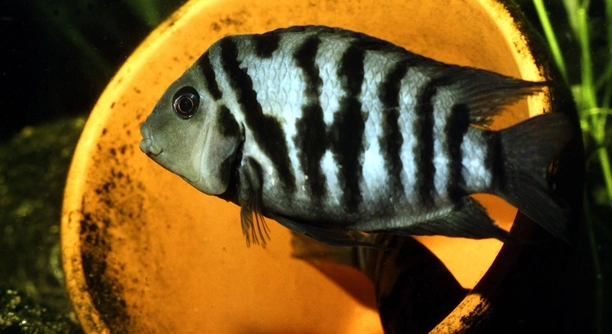
Many cichlid owners notice their fish suddenly losing color. This change can be worrying because vibrant colors often show healthy fish. Understanding why this happens can help keep cichlids bright and strong.
Sudden color loss in cichlids can result from various causes such as stress, poor water quality, illness, improper diet, inadequate lighting, aggressive tank mates, or genetic factors. Each cause affects the fish’s health and appearance in different ways.
Knowing these causes helps in taking the right steps to protect your cichlids’ well-being and keep their colors vivid and natural.
Stress and Its Impact on Color Loss
Stress is one of the most common reasons cichlids lose their color suddenly. Changes in the tank environment, such as moving the fish, new tank mates, or fluctuating water conditions, can cause stress. When stressed, cichlids release hormones that affect their color pigments, making them appear dull or pale. Stress also weakens their immune system, which makes them more vulnerable to diseases. Bright, calm environments help fish feel secure and maintain their vibrant colors. Keeping a consistent routine and avoiding sudden changes can reduce stress. Monitoring tank mates is important, as aggressive fish can intimidate cichlids and cause ongoing stress. Quiet, stable surroundings give cichlids the best chance to keep their bright appearance.
Stress weakens cichlids’ health and makes their colors fade, so minimizing stress is key for maintaining their beauty.
Controlling stress starts with maintaining a stable tank environment. Regular water testing ensures parameters like pH, temperature, and ammonia levels are ideal. Avoid overcrowding and aggressive species that may bully cichlids. Providing hiding places helps fish feel safe. Gradual changes in lighting or decorations prevent shock. Feeding a balanced diet supports resilience. Observing fish behavior closely can alert you to stress early, allowing prompt adjustments. Consistency in care leads to healthier, more colorful cichlids.
Poor Water Quality
Poor water quality quickly causes cichlids to lose color. Dirty or unbalanced water stresses fish and damages their health. Ammonia, nitrites, and nitrates build up when tanks are not cleaned or filtered properly. High or low pH levels and incorrect temperatures also contribute to color fading. Cichlids thrive in clean, stable water with appropriate parameters.
Maintaining clean water through regular changes and filtration is essential to preserving cichlid color.
Water quality affects fish health in many ways. Polluted water forces fish to use energy fighting toxins rather than showing bright colors. Ammonia and nitrite levels should always be zero, while nitrates need to stay low. Temperature fluctuations disrupt metabolism and pigment cells. Using test kits helps track water conditions. Weekly partial water changes keep toxins low and improve oxygen levels. Proper filtration removes waste and debris. Avoid overcrowding, which can worsen water quality. Balanced water supports a healthy immune system and vibrant coloration. Regular maintenance and monitoring prevent problems that lead to dull, faded fish.
Illness and Disease
Illness can cause sudden color loss in cichlids. Common diseases affect their skin and scales, making colors fade quickly. Parasites, bacterial infections, and fungal growth weaken the fish and change their appearance.
Diseases damage the skin and scales, leading to dull or patchy colors. Parasites attach to the body, irritating the fish and causing stress, which reduces coloration. Bacterial infections often cause sores or discoloration, while fungal infections can appear as white patches. Early detection and treatment are crucial to prevent permanent damage. Quarantining new fish before adding them to the tank reduces the risk of spreading disease. Regular observation and prompt action keep cichlids healthy and colorful.
Treatment depends on the illness but often includes medicated water or antibiotics. Maintaining good water quality and avoiding overcrowding help prevent diseases. A strong immune system supports recovery and vibrant colors. Regular cleaning and monitoring help keep your fish safe from illness and color loss.
Improper Diet
A poor diet can cause color fading in cichlids. Without enough nutrients and pigments in their food, their colors become dull over time. A varied diet is necessary for bright, healthy fish.
Cichlids need a balanced diet rich in vitamins and natural color enhancers like carotenoids. Feeding only flakes or low-quality food lacks the essential ingredients for vibrant colors. Including live or frozen foods such as brine shrimp, bloodworms, and spirulina supports pigmentation and overall health. Overfeeding or underfeeding can also stress the fish and cause color loss. Consistent, high-quality nutrition improves their immune system and coloration.
Switching to nutrient-rich foods gradually improves fading colors. Supplements made for enhancing fish color are also helpful. Feeding a variety of foods mimics their natural diet and keeps them strong. Proper nutrition is one of the easiest ways to keep cichlids looking their best.
Inadequate Lighting
Inadequate lighting affects cichlids’ color brightness. Too little light can cause colors to fade, while harsh light may stress the fish.
Proper lighting helps maintain natural pigmentation. Cichlids need a balance of light to display their true colors without stress or bleaching.
Aggressive Tank Mates
Aggressive fish in the tank can cause stress and color loss in cichlids. Constant chasing or fighting wears down their health and appearance.
Aggression disrupts peace, forcing cichlids to hide or lose color as a defense. Choosing compatible tank mates reduces stress and keeps colors vivid.
Genetic Factors
Some cichlids naturally lose color due to genetics. This fading is often gradual and part of their normal life cycle.
Color changes linked to genetics do not usually indicate health problems and are less alarming than sudden color loss.
FAQ
Why is my cichlid suddenly pale?
Sudden paleness in cichlids usually happens because of stress, illness, or poor water conditions. When fish are stressed, their bodies release hormones that reduce pigment intensity. Illness like parasites or bacterial infections can damage their skin and scales, causing colors to fade. Water quality issues, such as high ammonia or wrong pH, also weaken fish and affect their color. Checking water parameters and observing behavior can help identify the cause quickly. Treating illness early and improving tank conditions often restores color.
How long does it take for cichlid color to return?
The time for colors to come back depends on the cause. If the problem is stress or poor water quality, color can return within a few days to weeks after fixing the environment. Illness recovery might take longer, depending on treatment and fish health. Nutrition changes, like improving diet, can show results in several weeks. Genetics or natural aging won’t reverse. Patience and consistent care are important during this time.
Can I prevent color loss in cichlids?
Yes, preventing color loss is possible with proper care. Maintain stable water quality through regular testing and water changes. Feed a balanced diet rich in color-enhancing nutrients. Avoid overcrowding and aggressive tank mates to reduce stress. Provide adequate lighting but avoid harsh or too dim conditions. Quarantine new fish to prevent diseases. Consistency in tank maintenance and observation helps keep cichlids healthy and colorful.
Is color loss a sign of serious health problems?
Sometimes color loss signals health issues, but not always. Stress and environment changes can cause temporary fading. However, if color loss is accompanied by other symptoms like lethargy, loss of appetite, or visible sores, illness is likely. Early signs of disease should not be ignored because infections can worsen quickly. Regular checks and prompt action can prevent serious problems.
Does water temperature affect cichlid color?
Yes, water temperature influences cichlid coloration. Too cold or too warm water stresses fish and disrupts their metabolism, affecting pigment cells. Ideal temperatures vary by species but generally range between 74-82°F (23-28°C). Sudden changes in temperature also cause stress and color fading. Using a heater and thermometer helps maintain stable conditions, supporting healthy, bright colors.
Can lighting improve cichlid colors?
Proper lighting enhances cichlid coloration by supporting pigment production. Natural daylight spectrum or specialized aquarium lights bring out vibrant hues. Too much direct light can bleach colors, while too little makes them dull. A light schedule of about 8-10 hours per day balances brightness and rest. Adjusting light intensity and duration according to species needs helps maintain their natural beauty.
Should I isolate a pale cichlid?
Isolating a pale cichlid can be helpful if illness or bullying is suspected. Quarantine allows for focused treatment and reduces stress from tank mates. It also prevents possible disease spread. However, sudden isolation can also cause stress, so provide hiding spots and stable water in the quarantine tank. Monitor the fish closely and return it only after full recovery.
Can diet supplements help restore color?
Yes, diet supplements designed for color enhancement can improve cichlid pigmentation. Ingredients like carotenoids, spirulina, and astaxanthin boost natural color production. Adding supplements to a balanced diet encourages brighter hues and better health. Use supplements as recommended and avoid overfeeding. Combining supplements with good water quality and care produces the best results.
Is color loss reversible in cichlids?
Color loss can be reversible depending on the cause. Environmental factors like stress, diet, and water quality can be corrected, allowing colors to return. Illness-related fading might improve after treatment but may leave lasting effects if severe. Genetic or age-related color changes are permanent. Early detection and consistent care increase the chance of recovery.
How do I know if my cichlid is stressed?
Signs of stress include pale color, hiding, loss of appetite, rapid breathing, and erratic swimming. Stress often comes from poor water conditions, aggression, or sudden changes. Watching behavior and physical changes closely helps identify stress early. Reducing stress factors and improving the environment supports recovery and restores color.
Color loss in cichlids can be alarming, but it often has clear reasons that can be addressed. Whether the cause is stress, poor water quality, illness, or diet, knowing what to look for helps in taking action quickly. Fish show their health through their colors, so when those colors fade, it is usually a sign something needs attention. By understanding the common causes, you can better care for your cichlids and keep them looking their best.
Maintaining a stable and clean environment is one of the most important steps to prevent sudden color loss. Regular water testing, proper filtration, and consistent tank maintenance reduce stress on fish and limit disease risks. A balanced diet with the right nutrients supports their immune system and pigmentation. Paying attention to tank mates and lighting also plays a role in keeping cichlids comfortable and colorful. Small changes in care can make a big difference in how your fish feel and look.
Sometimes, color changes are natural or related to genetics, and these do not usually mean there is a problem. However, sudden or extreme color loss should never be ignored. Watching for other signs like changes in behavior or appetite can help catch health problems early. If needed, consulting with an expert or using proper treatments can restore your fish’s health and color. Overall, consistent care and attention are the best ways to keep your cichlids healthy, happy, and vibrant.

Hello,
If you enjoy the content that we create, please consider saying a "Thank You!" by leaving a tip.
Every little bit helps us continue crafting quality advice that supports the health, happiness, and well-being of pets around the world, for pets of all shapes, sizes, and species.
We really appreciate the kindness and support that you show us!