
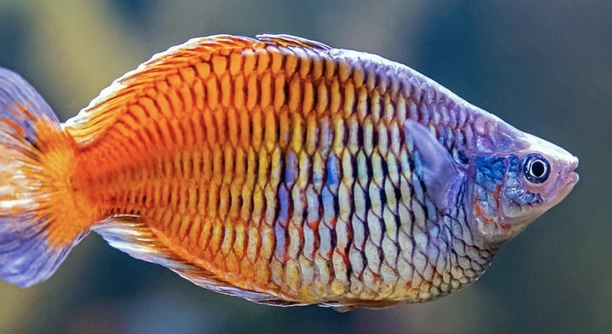
Fish are often admired for their vibrant colors, but sudden changes in their hues can leave you puzzled. Understanding the causes behind these shifts is key to ensuring your fish’s health. Color variations might not always be a sign of a problem, but they require attention.
Sudden color changes in fish can result from factors such as stress, changes in water quality, diet, or even illness. Environmental shifts, like temperature changes or lighting conditions, can also influence their coloration. Identifying the cause can prevent further issues.
By understanding these causes, you can address the underlying factors and maintain a healthy environment for your fish.
Stress and Anxiety in Fish
Fish can experience stress due to several factors such as overcrowding, sudden changes in their environment, or aggressive tank mates. These stressful situations can lead to changes in color, often making the fish appear lighter or darker. The impact of stress on their pigmentation can vary, with some fish becoming pale or even showing spots of color loss. Stress can also make them more prone to illness, which can further affect their appearance. It’s important to monitor their environment and behavior closely to avoid prolonged stress.
Stress can be reduced by ensuring the tank is the right size, providing adequate hiding places, and avoiding sudden water changes. Keeping the tank’s conditions stable is essential for maintaining fish health and vibrant colors.
If stress persists, it may lead to more serious issues. Fish need a peaceful environment with appropriate care to thrive. Proper maintenance of water quality and temperature can significantly reduce stress levels, allowing your fish to regain their normal color.
Water Quality and Its Effect on Fish
Water quality plays a vital role in maintaining your fish’s health and color. Contaminants or improper pH levels can lead to noticeable color changes. Poor water quality can cause stress and damage to the fish’s skin, which in turn affects their coloration.
To maintain proper water quality, ensure regular water changes, proper filtration, and balanced chemical levels. Water should be tested frequently for pH, ammonia, and nitrate levels. Maintaining a stable environment with clean water supports healthy pigmentation and overall well-being.
Diet and Nutrition
A fish’s diet can greatly impact its coloration. Poor nutrition can cause color fading, while a balanced diet can enhance vibrant hues. Foods rich in carotenoids, like brine shrimp and certain fish flakes, can help intensify color.
A lack of essential nutrients can lead to pale fish, particularly if their diet is lacking in vitamins or minerals. This can affect both the vibrancy and health of the fish. Offering a variety of high-quality foods ensures your fish receive the nutrients needed for proper pigmentation.
Overfeeding or feeding improper foods can also lead to poor health and dull colors. Focus on providing well-rounded, nutrient-rich options to support vibrant coloration while maintaining overall fish health.
Illness and Disease
Certain illnesses can cause changes in color as the fish’s body reacts to infection. Skin infections, parasites, or internal diseases can make fish appear faded or develop unusual spots. Monitoring your fish for signs of disease is crucial.
When a fish is ill, its immune system becomes compromised, often leading to visible symptoms, including discoloration. In some cases, infections can cause patches of darker or lighter pigment on the body. This is a sign that immediate attention is needed, such as adjusting water conditions or seeking treatment from a vet.
Taking care of your fish’s health involves watching for other signs of illness, such as lethargy, loss of appetite, or abnormal behavior. Treating these health issues quickly can prevent permanent damage to their color and overall well-being.
Temperature Fluctuations
Rapid changes in water temperature can trigger color changes in fish. Extreme temperatures, either too hot or too cold, cause stress that can make fish appear pale or even lead to a shift in their natural hue.
Fish rely on stable temperatures to maintain healthy coloration. When temperatures fluctuate too quickly, it can disrupt their metabolic processes, leading to faded or darker coloration. Gradual adjustments in temperature are essential to prevent stress.
Maintaining a consistent temperature within the ideal range for your specific fish species is crucial for their well-being and appearance. This helps them thrive and retain their natural color.
Lighting Conditions
Lighting can influence the way fish appear. Excessive or inadequate lighting may cause fish to look washed out or overly bright. The type of light, whether it’s fluorescent or natural, affects the pigmentation.
Fish exposed to harsh lighting for long periods may experience color distortion. Providing shaded areas or adjusting light intensity can help reduce the impact. Additionally, using a timer to control the lighting cycle ensures the fish receive the right amount of light to support their health and natural color.
Age and Maturity
As fish age, their colors can change naturally. Juvenile fish often have brighter or more intense colors, while older fish may show more muted hues. Aging affects pigmentation due to changes in their metabolism and environment.
Aging fish may also develop spots or faded patches as they mature, which is a common, natural process. This can be observed in species that undergo significant changes in color as they age, such as bettas or goldfish. Understanding this process is vital for distinguishing between natural changes and potential health concerns.
FAQ
What causes my fish to suddenly turn pale?
Paleness in fish can be caused by stress, poor water quality, or illness. Stress from sudden changes in the environment, overcrowding, or aggressive tank mates can lead to pale colors. Illnesses such as skin infections or parasites also affect pigmentation, making fish appear faded. Poor water conditions, including imbalanced pH or high ammonia levels, can result in a pale appearance due to the fish’s compromised health.
How can I fix pale fish?
First, check the water quality. Perform water changes to ensure the pH, ammonia, and nitrate levels are within safe ranges. If stress is a factor, improve the environment by reducing overcrowding, adding hiding spots, or ensuring proper temperature. If the fish is sick, isolate it in a quarantine tank and seek treatment from a vet.
Can temperature fluctuations cause my fish to change color?
Yes, temperature changes can stress fish and affect their pigmentation. A sudden rise or drop in water temperature can cause fish to become pale, darker, or show unusual patterns. It’s important to keep the water temperature stable and within the ideal range for your fish species.
How do I maintain stable water temperature for my fish?
To maintain a consistent water temperature, use an aquarium heater with a thermostat and a thermometer to monitor the water. Avoid placing the aquarium near windows or heaters that can cause temperature fluctuations. Keep the room temperature steady, and ensure the aquarium setup is designed to keep the water stable.
What role does lighting play in my fish’s color?
Lighting can significantly affect how your fish’s color appears. Too much bright lighting can cause colors to fade or become washed out, while insufficient lighting can make the colors appear dull. Additionally, improper light cycles can disrupt the fish’s natural rhythms, potentially leading to stress and color changes.
How can I adjust lighting to benefit my fish’s health and color?
To help maintain healthy color in your fish, provide lighting that mimics natural daylight. Use a timer to regulate light exposure, ensuring they receive 10-12 hours of light a day. Incorporate low-intensity lighting, and provide shaded areas or hiding spots in the tank to give your fish options to adjust to the light.
Can stress cause fish to lose their color?
Yes, stress is one of the primary reasons fish lose their vibrant colors. Stress can result from poor water quality, overcrowding, or abrupt environmental changes. Fish may react by becoming pale, losing patterns, or developing dark spots. It’s essential to address the source of stress to restore their health and coloration.
How can I reduce stress in my fish?
To reduce stress, maintain good water quality, avoid overcrowding, and ensure stable environmental conditions such as temperature and lighting. Providing hiding spots or plants for the fish to shelter can also help them feel secure. Be mindful of handling and tank mate compatibility to avoid stress from aggression.
Is it normal for fish to change color as they age?
Yes, it is completely normal for fish to change color as they age. Younger fish often have brighter, more vibrant colors, while older fish may show duller hues. This is a natural part of their life cycle, particularly in species that go through dramatic color changes as they mature, such as bettas or goldfish.
Can illness affect the color of my fish?
Yes, illness can cause significant changes in color. Fish affected by diseases like parasites, skin infections, or internal problems may develop patches of discoloration. In some cases, fish might become paler or show spots. It’s essential to treat the underlying health issue to restore their coloration and overall well-being.
How can I tell if my fish is sick?
Signs that your fish may be sick include abnormal swimming behavior, loss of appetite, unusual spots or lesions on the body, and changes in coloration. If a fish appears lethargic, has swollen areas, or is rubbing against objects in the tank, it may be suffering from an illness. Quick action can help prevent further damage.
What types of food help enhance fish color?
Foods rich in carotenoids, like brine shrimp, spirulina, and certain high-quality fish flakes, can help enhance fish color. These foods contain pigments that contribute to vibrant reds, oranges, and yellows in fish. Providing a varied diet ensures that fish get the nutrients necessary to maintain bright, healthy colors.
Is overfeeding my fish a bad idea for their color?
Overfeeding can cause health issues that impact your fish’s color. Excess food leads to poor water quality, which can stress the fish and cause them to lose their color. Overfeeding can also contribute to obesity in fish, leading to slower movements and other health problems. It’s best to feed your fish only as much as they can eat in a few minutes.
How does water quality affect my fish’s color?
Poor water quality can cause significant changes in a fish’s color. High levels of ammonia, nitrites, or nitrates can stress fish and lead to color fading or other pigmentation issues. Regular water testing and maintenance are essential to provide a healthy environment that allows your fish to maintain their natural color.
Should I change the water frequently to maintain good fish color?
Yes, regular water changes are crucial to maintaining good water quality and healthy coloration in your fish. Changing about 25-30% of the water every 1-2 weeks helps remove harmful toxins, balance pH levels, and provide fresh, clean water for your fish. It’s an essential part of keeping your fish vibrant and healthy.
What if my fish’s color is fading despite good water conditions?
If your fish’s color continues to fade despite stable water conditions, it could indicate an underlying health issue or poor diet. Check for signs of illness, stress, or environmental factors that might be affecting their health. It’s also worth revisiting their diet to ensure they are receiving the right nutrients to support vibrant color.
Final Thoughts
Fish color changes are often a sign of their overall health and environment. While some changes are natural and occur as part of their life cycle, others can indicate underlying issues such as stress, poor water quality, or illness. Understanding these factors and addressing them promptly can help maintain the fish’s vibrant appearance and overall well-being. Regular monitoring of water parameters, such as temperature, pH, and ammonia levels, is essential in creating a stable environment for fish. Keeping stress factors to a minimum by providing appropriate tank mates, hiding spots, and consistent conditions will also help maintain their natural colors.
It’s also important to consider the role of lighting and diet in promoting healthy coloration. Too much light can cause fish to appear washed out, while a lack of proper nutrients may prevent them from displaying their full color potential. Using appropriate lighting and offering a varied diet rich in color-enhancing nutrients, such as carotenoids, will support the fish’s natural pigmentation. Providing a balanced diet with high-quality foods will also contribute to their health and energy levels, which, in turn, will reflect in their color.
In some cases, changes in color might be temporary, but prolonged color shifts can signal that your fish needs attention. If you notice any drastic or lasting changes, it’s crucial to assess the overall health of your fish and the tank environment. Whether it’s adjusting the water parameters, managing stress, or treating potential diseases, taking action early can prevent further complications and help restore your fish’s bright, healthy appearance. Keep in mind that every species of fish is different, so understanding the specific needs of your fish will allow you to address their color changes more effectively.

Hello,
If you enjoy the content that we create, please consider saying a "Thank You!" by leaving a tip.
Every little bit helps us continue crafting quality advice that supports the health, happiness, and well-being of pets around the world, for pets of all shapes, sizes, and species.
We really appreciate the kindness and support that you show us!