
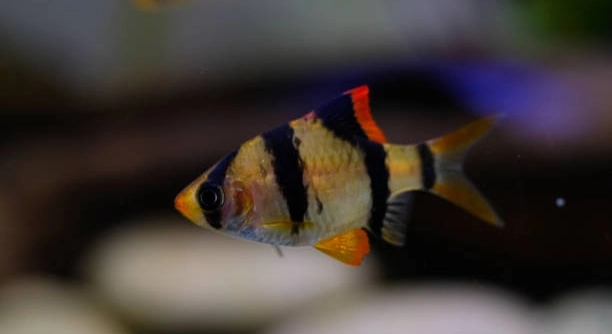
Tiger Barbs are lively fish known for their active nature, but sometimes they show signs of restlessness that can be worrying. Understanding why they behave this way helps in providing better care and ensuring a healthy environment for them. This article explores common causes behind their restless behavior.
Restlessness in Tiger Barbs often results from factors such as poor water quality, improper tank size, inadequate diet, stress from tank mates, disease, lack of hiding spots, or inconsistent lighting. These elements can disrupt their natural behavior and well-being significantly.
Knowing these causes can help you create a comfortable habitat and improve your fish’s health. Exploring these factors will guide you to recognize and address the root issues effectively.
Poor Water Quality
Poor water quality is one of the main reasons Tiger Barbs become restless. When ammonia, nitrite, or nitrate levels rise, it creates a harmful environment for the fish. These chemicals come from uneaten food, waste, and decaying plants. If not cleaned regularly, the water becomes toxic. This stress can cause the fish to swim nervously or dart around the tank. Additionally, incorrect pH or temperature levels can add to their discomfort. It is important to test water regularly and perform partial water changes to keep the tank healthy. A clean and stable environment helps Tiger Barbs feel safe and calm. Monitoring water quality closely can prevent many health problems and reduce restless behavior. Keeping filters clean and avoiding overcrowding also improves water conditions, supporting your fish’s well-being in the long term.
Maintaining good water quality is essential for peaceful and healthy Tiger Barbs.
Regular water changes and testing keep the habitat stable, which directly impacts their behavior.
Improper Tank Size
A tank that is too small limits the natural movement of Tiger Barbs, causing them to feel confined and restless. These fish are active swimmers that need space to explore and establish territories. In a cramped tank, they may become stressed, which can lead to aggressive or frantic swimming behaviors. The minimum recommended tank size for a small group is 20 gallons, but larger is better for multiple fish. A bigger tank allows them to spread out and reduces conflicts among tank mates. Adequate swimming room also promotes better health and longevity. Besides size, the tank should be well-decorated with plants and hiding spots to mimic a natural environment. This setup helps them feel secure and less anxious. Ensuring enough space and a stimulating environment reduces restlessness and improves their overall comfort and happiness in captivity.
Inadequate Diet
An improper diet can make Tiger Barbs restless and unhealthy. They need a balanced mix of protein, vegetables, and occasional treats to stay active and calm.
Feeding only flakes or one type of food causes nutritional gaps that affect their energy and behavior. A varied diet including high-quality pellets, frozen or live foods, and plant matter supports their natural needs. Lack of essential nutrients weakens their immune system, making them more susceptible to stress and illness. Restlessness often signals they are not getting the right balance. Regular feeding times and portion control prevent overfeeding or hunger, both of which can cause erratic swimming. Ensuring a proper diet contributes to stable, peaceful behavior and better health overall.
Providing a balanced and varied diet is key to preventing restlessness and supporting your Tiger Barbs’ vitality.
Stress from Tank Mates
Stress from incompatible or aggressive tank mates is a common reason for restless behavior in Tiger Barbs. These fish prefer groups but can become anxious if other species bully or outcompete them. Aggression causes them to swim frantically or hide constantly, which disrupts their natural behavior. Avoid mixing Tiger Barbs with very aggressive or territorial fish to minimize conflicts. Choose peaceful or similarly active species that coexist well. Observe how fish interact regularly to catch signs of bullying early. Stress weakens immune systems and increases susceptibility to disease. Reducing social stress through careful tank mate selection and providing enough space helps create a calm environment. Grouping Tiger Barbs in small schools also promotes social comfort and reduces anxiety, contributing to less restless behavior in the tank.
Disease and Parasites
Disease and parasites can cause sudden restlessness in Tiger Barbs. Symptoms often include rapid swimming, scratching against objects, or lethargy. Early detection is important to prevent serious health decline.
Quarantine new fish before adding them to the tank to reduce the risk of introducing illnesses. Maintain good water quality and provide a balanced diet to strengthen their immune system. If you notice unusual behavior or physical signs like spots, swelling, or discoloration, consult a veterinarian or fish specialist promptly. Treating infections early helps your fish recover faster and return to normal behavior, reducing restlessness caused by discomfort or pain.
Lack of Hiding Spots
Tiger Barbs feel more secure when they have places to hide. Without enough cover, they may become stressed and restless. Providing plants, rocks, or decorations creates safe spaces where they can retreat when needed.
Inconsistent Lighting
Lighting plays a crucial role in regulating Tiger Barbs’ daily rhythms. Inconsistent or harsh lighting can cause stress and disrupt their natural activity cycles, leading to restlessness. Keeping a consistent light schedule with a timer helps maintain stability and supports their well-being.
FAQ
What causes Tiger Barbs to swim restlessly?
Tiger Barbs swim restlessly mainly because of stress or discomfort caused by factors such as poor water quality, overcrowded tanks, or incompatible tank mates. They may also be reacting to disease, lack of hiding spaces, or improper lighting. These conditions disrupt their natural behavior and make them anxious.
How can I improve water quality to calm my Tiger Barbs?
Regular water changes, proper filtration, and testing for ammonia, nitrites, and nitrates are key steps. Avoid overfeeding and remove leftover food promptly. Using a water conditioner helps remove harmful chemicals. Maintaining a stable environment reduces stress and restless swimming.
Is tank size important for Tiger Barbs’ behavior?
Yes, a tank that is too small restricts movement and can lead to restlessness. Tiger Barbs need at least 20 gallons for a small group, with more space preferred. A larger tank allows them to swim freely and establish territories, promoting calm behavior.
What diet is best for reducing restlessness in Tiger Barbs?
A varied diet including quality flakes, pellets, live or frozen foods, and some plant matter provides essential nutrients. Feeding them several small meals a day helps maintain energy without overfeeding. Balanced nutrition supports immune health and reduces stress-related behavior.
Can tank mates cause restlessness?
Yes, aggressive or territorial fish can stress Tiger Barbs, causing frantic swimming or hiding. Choosing peaceful or compatible species and keeping Tiger Barbs in small schools helps maintain social harmony and reduces anxiety.
How do I recognize disease or parasites in Tiger Barbs?
Look for signs like rapid gill movement, flashing (scratching against surfaces), white spots, swelling, or faded colors. Restlessness often accompanies these symptoms. Early treatment is important to prevent worsening.
Why do hiding spots matter for Tiger Barbs?
Hiding spots give Tiger Barbs a sense of security, helping them relax. Without cover, they may feel exposed and stressed. Plants, rocks, and decorations create natural shelters that reduce restlessness.
How does lighting affect Tiger Barbs?
Inconsistent or overly bright lighting can disrupt their daily rhythms and cause stress. Keeping a consistent light schedule, preferably with a timer, helps maintain normal behavior patterns and reduces anxious swimming.
How often should I test my tank water?
Testing at least once a week is recommended, especially for ammonia, nitrites, nitrates, and pH. Regular checks allow early detection of water issues, helping keep the tank environment stable and comfortable for your fish.
What is the best way to introduce new fish to a Tiger Barb tank?
Quarantine new fish for a few weeks before adding them to the main tank. This reduces the risk of introducing disease or parasites, which can cause stress and restlessness in your existing fish.
Can temperature changes cause restlessness?
Yes, sudden or frequent temperature fluctuations can stress Tiger Barbs. Maintaining a stable temperature between 74°F and 78°F supports their health and calm behavior.
Are Tiger Barbs schooling fish?
Yes, they are best kept in groups of six or more. Being in a school reduces stress and helps prevent aggressive behavior, which can contribute to restlessness.
What are signs of stress besides restlessness?
Other signs include loss of appetite, hiding, clamped fins, faded colors, and erratic swimming. Stress can weaken their immune system, making them prone to illness.
How can I reduce aggression in a Tiger Barb tank?
Keep them in larger groups to spread out aggression, provide enough space, and avoid mixing with overly aggressive species. Adding plenty of hiding spots helps reduce conflicts.
When should I seek professional help for restless Tiger Barbs?
If restlessness continues despite proper tank care, or if you notice physical signs of disease, consulting a vet or fish expert is advisable. Early diagnosis improves treatment success and fish well-being.
These FAQs cover common concerns and practical solutions to help keep Tiger Barbs calm, healthy, and active in a balanced environment.
Tiger Barbs are lively fish that bring energy and color to any aquarium. However, their restless behavior can indicate issues that need attention. Understanding the common causes of restlessness is important to provide the best care possible. Factors such as water quality, tank size, diet, and social environment all play a role in how comfortable these fish feel. Paying close attention to these details can prevent many problems and improve the overall health of your Tiger Barbs.
Maintaining a clean and stable tank environment is one of the most effective ways to reduce restlessness. Regular water testing, partial water changes, and proper filtration keep harmful substances under control. Ensuring the tank is large enough for swimming and adding plenty of hiding spots help the fish feel safe. Feeding a balanced diet that meets their nutritional needs also supports their well-being. Watching for signs of disease or stress and addressing them promptly is essential. When all these factors are managed well, Tiger Barbs tend to be calmer and more active in a healthy way.
Restlessness should not be ignored because it often signals that something in the environment is off. Taking time to understand their needs and making adjustments will create a better living space for your fish. This will not only reduce stress for the Tiger Barbs but also allow you to enjoy their natural behavior and beauty more fully. Being proactive about tank care and observing your fish regularly leads to a happier, healthier aquarium. With patience and attention, restlessness can be minimized and your Tiger Barbs can thrive.

Hello,
If you enjoy the content that we create, please consider saying a "Thank You!" by leaving a tip.
Every little bit helps us continue crafting quality advice that supports the health, happiness, and well-being of pets around the world, for pets of all shapes, sizes, and species.
We really appreciate the kindness and support that you show us!