
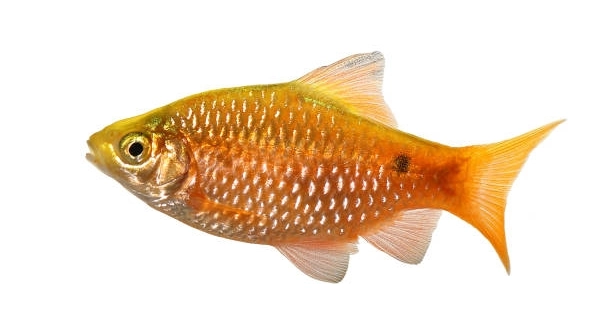
Rosy barbs are lively fish often kept in home aquariums. Sometimes, their restless behavior can be puzzling for owners. Understanding what causes this restlessness can help keep these fish calm and healthy.
Restlessness in rosy barbs can result from various factors including poor water quality, improper tank size, lack of hiding spots, overcrowding, inadequate diet, stress from tank mates, and changes in water temperature. These conditions disrupt their normal behavior and wellbeing.
Recognizing these causes will help you create a better environment for your rosy barbs and improve their overall comfort and health.
Poor Water Quality
Poor water quality is a major reason why rosy barbs become restless. When ammonia, nitrite, or nitrate levels rise, these fish experience stress that makes them swim erratically or try to escape. Dirty water can also lower oxygen levels, causing discomfort. Regular water changes and testing are essential to keep their environment healthy. Using a good filtration system helps remove harmful substances and maintain balance. It’s important to avoid overfeeding because uneaten food can decompose, worsening water quality. Keeping the water clean supports their natural behavior and reduces restlessness.
Maintaining stable pH and temperature is equally important, as sudden changes in water chemistry can upset rosy barbs and cause increased activity or hiding.
Healthy water conditions encourage calm swimming and natural social interaction among rosy barbs. Monitoring water parameters regularly ensures their tank remains a safe, comfortable place where they can thrive without unnecessary stress.
Improper Tank Size
Rosy barbs need enough space to swim freely, and a tank that’s too small limits their movement. When confined, they become more active and restless because they can’t establish territories or interact properly. A minimum tank size of 20 gallons is recommended for a small group, but larger tanks are better for their activity levels. Small tanks also cause rapid water quality changes, adding stress. Ensuring the tank size matches the number of fish will help reduce restlessness and improve their overall wellbeing. Proper tank size promotes natural swimming patterns and social behaviors, making the fish more relaxed and healthier.
Lack of Hiding Spots
Rosy barbs feel more secure when they have places to hide. Without plants, decorations, or caves, they may swim nervously and appear restless.
Adding live or artificial plants provides shelter and breaks the line of sight in the tank. This helps reduce stress and restlessness. Providing hiding spots mimics their natural environment and makes them feel safe. When they have secure areas, rosy barbs spend less time darting around and more time exploring calmly. Even simple decorations can create enough cover to improve their comfort.
Hiding spots also encourage natural behavior, such as resting and establishing territories. When these needs are met, rosy barbs are less anxious and more balanced in their activity.
Overcrowding
Overcrowding causes stress and restlessness because rosy barbs compete for space and resources. Too many fish in one tank increases aggression and movement.
An ideal ratio is about one inch of fish per gallon of water, but it’s important to consider their active nature. Crowded conditions lead to poor water quality and less oxygen, both of which add to their unease. When crowded, fish may chase each other, bump into decorations, or swim frantically. Reducing the number of fish or upgrading to a larger tank improves water quality and space. This change lowers competition and allows rosy barbs to swim more naturally. Less overcrowding means calmer, healthier fish.
Inadequate Diet
A poor diet can cause rosy barbs to become restless and less healthy. Feeding them low-quality food or not enough variety leads to nutritional deficiencies. This affects their energy levels and behavior.
Providing a balanced diet with flakes, pellets, and occasional live or frozen foods supports their wellbeing. Proper nutrition helps maintain steady energy and reduces erratic swimming caused by hunger or imbalance.
Stress from Tank Mates
Rosy barbs can become restless if tank mates are aggressive or too active. Stress from constant chasing or bullying affects their behavior and health.
Choosing compatible, peaceful fish reduces tension. Observing interactions helps ensure a calm environment where rosy barbs can thrive without unnecessary stress.
Water Temperature Fluctuations
Sudden or frequent changes in water temperature disturb rosy barbs. These fluctuations make them more active and uneasy.
Maintaining stable temperatures between 74°F and 78°F creates a comfortable habitat. Consistent warmth supports normal behavior and decreases restlessness.
FAQ
Why are my rosy barbs swimming erratically?
Erratic swimming usually signals stress or discomfort. Common reasons include poor water quality, sudden changes in temperature, or lack of hiding places. Checking the tank’s parameters and ensuring a stable, clean environment can help calm their behavior. Sometimes overcrowding or aggressive tank mates can also cause them to dart around nervously.
How often should I change the water for rosy barbs?
Changing about 20-30% of the water weekly is a good practice to maintain water quality. Frequent partial water changes prevent buildup of harmful chemicals like ammonia and nitrates. This keeps the tank stable and supports the health of your fish, reducing restlessness caused by poor conditions.
What tank size is best for a group of rosy barbs?
A minimum of 20 gallons is recommended for a small group of 5 to 6 rosy barbs. Larger tanks give them more room to swim and establish territories, which reduces stress and restless behavior. Overcrowding in smaller tanks often leads to poor water quality and increased aggression.
Can diet affect the behavior of rosy barbs?
Yes, diet greatly influences their energy and behavior. A balanced diet with quality flakes, pellets, and occasional live or frozen foods helps maintain steady energy levels. Poor nutrition or irregular feeding can cause them to become restless or overly active in search of food.
How do I know if my rosy barbs are stressed?
Signs of stress include erratic swimming, hiding excessively, loss of color, or refusal to eat. Restlessness is often a visible symptom. Stress can come from water quality issues, aggressive tank mates, or lack of proper hiding spots. Addressing these factors can improve their comfort and health.
What temperature should I keep my rosy barbs at?
Rosy barbs thrive between 74°F and 78°F (23°C to 26°C). Sudden changes outside this range can cause stress and restlessness. Using a reliable aquarium heater and thermometer helps maintain stable temperatures, which promotes calm and natural behavior.
Are certain tank mates better for rosy barbs?
Peaceful, similarly sized fish make the best companions. Avoid aggressive or very small fish that might be harassed. Compatible tank mates reduce stress and allow rosy barbs to swim comfortably without constant chasing or bullying.
Why do rosy barbs need hiding spots?
Hiding spots provide security and reduce anxiety. Without places to retreat, rosy barbs can feel exposed and swim nervously. Plants, caves, and decorations help break up the tank visually and create a safer environment, which calms them and encourages natural behaviors.
How can I improve water quality in my tank?
Regular water changes, a good filter, and avoiding overfeeding are key. Testing water parameters like ammonia, nitrites, and nitrates helps catch problems early. Clean water reduces stress and restlessness by creating a healthy living space for your fish.
What should I do if my rosy barbs are overcrowded?
Consider reducing the number of fish or moving to a larger tank. Overcrowding causes competition for space and oxygen, leading to stress and hyperactivity. Proper stocking density allows rosy barbs to establish territories and swim naturally without constant conflict.
Final thoughts on understanding the causes of restlessness in rosy barbs highlight the importance of a well-maintained aquarium environment. These fish rely on stable water conditions, proper tank size, and balanced nutrition to stay calm and healthy. Poor water quality or overcrowding can quickly disrupt their behavior, making them swim nervously or act unusually. Paying attention to these factors helps prevent unnecessary stress and creates a more peaceful tank atmosphere for your rosy barbs.
Providing hiding spots and selecting compatible tank mates also contribute significantly to reducing restlessness. Rosy barbs need places where they can feel secure, which lowers anxiety and promotes natural behaviors. Aggressive or overly active tank mates can trigger stress and frantic swimming, so choosing peaceful companions is essential. Keeping the tank environment balanced and comfortable supports their wellbeing and allows you to enjoy watching their natural, graceful movements.
Overall, maintaining a stable temperature, clean water, proper diet, and suitable tank conditions is key to minimizing restlessness in rosy barbs. Regular care and observation allow you to quickly identify and address issues that might cause discomfort. When their needs are met, rosy barbs become more relaxed and display healthier, calmer behavior. Focusing on these aspects ensures your fish live a comfortable and happy life in your aquarium.

Hello,
If you enjoy the content that we create, please consider saying a "Thank You!" by leaving a tip.
Every little bit helps us continue crafting quality advice that supports the health, happiness, and well-being of pets around the world, for pets of all shapes, sizes, and species.
We really appreciate the kindness and support that you show us!