
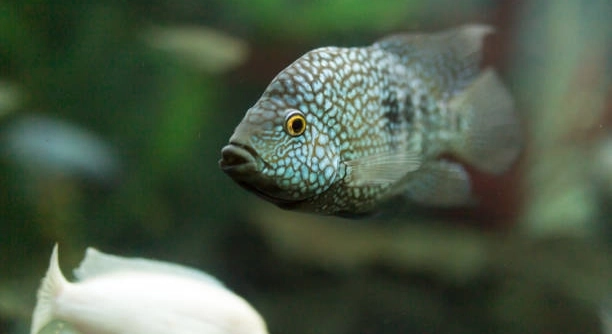
Many fish owners notice their Jack Dempsey swimming rapidly or rubbing against objects, which can seem alarming. Restlessness in this species is common and can result from several environmental or biological factors affecting their comfort and well-being.
Restlessness in Jack Dempsey fish is primarily caused by water quality issues, inadequate tank size, improper diet, stress from tank mates, illness, lack of hiding spaces, and fluctuating temperatures. Addressing these factors is essential for maintaining healthy behavior and optimal health.
Recognizing the causes of agitation helps owners create a stable environment, ensuring their fish remain calm, healthy, and active in a balanced aquatic habitat.
Poor Water Quality
Jack Dempsey fish are sensitive to their environment, and poor water quality is a major factor that can cause restlessness. High levels of ammonia, nitrites, or nitrates create stress and discomfort. Even small changes in pH can trigger unusual behavior, making your fish swim rapidly or hide frequently. Regular water testing and maintenance are essential. Frequent partial water changes and proper filtration help maintain clean and stable conditions. Uneaten food and waste accumulation increase toxins, so keeping the tank clean is crucial. Oxygen levels are also important, as low oxygen can lead to gasping and agitation. A stable environment with consistent temperature and water chemistry keeps your fish calm and promotes normal behavior. Monitoring these parameters closely ensures that the tank mimics natural conditions as much as possible, reducing stress. This helps Jack Dempseys feel secure and display healthy activity patterns. Overlooking water quality is one of the simplest yet most impactful mistakes in aquarium care.
Maintaining clean, stable water is critical for Jack Dempsey fish. Regular testing, partial water changes, and effective filtration prevent restlessness and health issues.
Ignoring water quality problems can result in persistent stress, lowered immunity, and vulnerability to disease. Stress often shows as erratic swimming, rubbing against tank surfaces, or hiding. Over time, poor water conditions can stunt growth, reduce appetite, and trigger aggression. Setting up a consistent cleaning routine, monitoring chemical levels, and ensuring proper aeration all contribute to a balanced aquatic environment. Observing your fish daily allows you to notice early signs of distress and act before problems escalate. A clean, well-maintained tank encourages natural behaviors, supports immune function, and enhances coloration. Additionally, maintaining proper water parameters reduces the risk of secondary issues such as fungal or bacterial infections. Investing time in water care not only improves behavior but also prolongs the lifespan of your Jack Dempsey, keeping it active and healthy for years.
Tank Size and Space
Jack Dempsey fish need ample space to move freely. A cramped tank can cause restlessness, aggression, and stress. Providing a large enough environment allows natural exploration and comfort.
A small tank restricts movement, leading to erratic swimming and frequent collisions with decorations or tank walls.
Adequate space is essential for adult Jack Dempseys because they can grow quite large. A tank of at least 55 gallons is recommended for a single fish, with larger setups for multiple fish. Overcrowding creates competition for territory, food, and hiding spots, which increases stress and restlessness. Tank size also affects water quality, as smaller volumes change chemistry more quickly. Providing enough room allows your fish to establish territories and swim without restriction, reducing tension. Including plants, rocks, and caves adds variety and shelter, giving fish areas to retreat when feeling threatened. A properly sized and structured tank supports natural behaviors, lowers aggression, and improves overall health. Balancing tank volume, fish number, and decor is key to keeping Jack Dempseys calm and active.
Improper Diet
Jack Dempsey fish require a balanced diet to stay healthy. Feeding too much or too little can cause restlessness, while poor-quality food can affect energy levels and digestion.
An inadequate diet can lead to both physical and behavioral issues. Overfeeding often results in excess waste, polluting the tank and causing water quality problems. Underfeeding leaves the fish hungry, increasing activity as it searches for food. Nutritional deficiencies, such as lack of protein or essential vitamins, can reduce immunity and make the fish more prone to stress. Feeding high-quality pellets, frozen foods, and occasional live foods ensures proper nutrition. Rotating food types keeps your fish engaged and supports growth, coloration, and overall health. Maintaining a consistent feeding schedule and observing appetite helps prevent restlessness caused by dietary issues.
Restlessness due to diet is often subtle at first. You may notice your Jack Dempsey swimming anxiously during feeding times or becoming aggressive toward tank mates. Some fish may even reject food entirely if it does not meet their nutritional needs. Addressing these issues involves providing the right balance of protein, vegetables, and occasional treats. Monitoring feeding amounts, avoiding overfeeding, and maintaining variety ensures your fish remains active without excessive stress. Observing behavior alongside dietary adjustments often leads to calmer, healthier fish over time. Proper nutrition is a simple yet effective way to improve behavior and support long-term vitality.
Stress from Tank Mates
Aggressive or incompatible tank mates can cause significant stress, resulting in restless behavior. Jack Dempseys are territorial and need compatible companions.
Stress appears through rapid swimming, hiding, or frequent attacks. Incompatible fish create constant tension, affecting overall health.
Jack Dempsey fish are naturally territorial, and tank mate selection plays a major role in behavior. Housing them with smaller, timid, or very active species can lead to constant chasing, bullying, or retreating. Stress from tank mates increases cortisol levels, which negatively affects the immune system and may lead to illness. Providing sufficient space, hiding areas, and visual barriers can reduce aggression and allow fish to establish territories peacefully. Choosing species with similar size and temperament, or keeping Jack Dempseys in species-specific tanks, helps minimize conflict. Observing interactions early allows owners to separate aggressive individuals before stress escalates. Balanced tank dynamics promote calm, stable behavior and prevent restlessness caused by incompatible companions.
Illness and Parasites
Illness or parasites often cause Jack Dempsey fish to become restless. Signs include rapid swimming, loss of appetite, or unusual spots on the body. Prompt diagnosis is important to prevent worsening health.
Treating illnesses quickly reduces stress and improves recovery. Water quality, diet, and quarantine procedures play a key role in managing disease.
Lack of Hiding Spaces
Jack Dempsey fish need places to retreat. Without sufficient caves, plants, or decorations, they can feel exposed and stressed.
Providing adequate hiding spaces helps reduce restlessness, allowing your fish to feel safe and secure while maintaining a calm environment.
Temperature Fluctuations
Sudden changes in water temperature disturb Jack Dempsey fish, making them more active or anxious. Maintaining a stable temperature ensures consistent behavior and reduces stress.
FAQ
Why is my Jack Dempsey fish swimming rapidly at night?
Rapid swimming at night is often a response to stress or discomfort. Common causes include poor water quality, sudden changes in lighting, or the presence of aggressive tank mates. Ensuring a stable, calm environment with clean water and proper hiding spots can reduce nighttime activity.
How can I tell if my Jack Dempsey is stressed?
Signs of stress include frequent hiding, erratic swimming, loss of appetite, color fading, or rubbing against tank decorations. Monitoring behavior closely and correcting environmental issues such as water quality, tank size, and diet helps maintain a calm and healthy fish.
What type of diet prevents restlessness?
A balanced diet consisting of high-quality pellets, frozen or live foods, and occasional vegetable matter keeps Jack Dempsey fish satisfied. Avoid overfeeding and rotate food types to provide essential nutrients, supporting normal behavior, energy levels, and immune function.
Can tank size affect my fish’s behavior?
Yes, a small tank restricts movement and increases stress. Adult Jack Dempseys need at least 55 gallons per fish, with more space for multiple individuals. Larger tanks allow natural swimming patterns, territory establishment, and reduce aggression, leading to calmer behavior.
Are water parameters important for reducing restlessness?
Absolutely. Stable temperature, pH, and low ammonia, nitrite, and nitrate levels are critical. Sudden fluctuations or toxic buildup cause discomfort and erratic swimming. Regular testing, partial water changes, and proper filtration keep water safe and consistent.
How do tank mates influence my Jack Dempsey’s mood?
Aggressive or incompatible fish can cause constant stress, leading to restlessness. Choose similarly sized, peaceful species or keep Jack Dempseys in species-specific tanks. Providing hiding areas and visual barriers helps reduce tension between fish.
What role do hiding spaces play in behavior?
Hiding spots reduce anxiety by allowing fish to retreat when threatened. Caves, plants, and decorations create secure areas, lowering restlessness and promoting natural behavior. A tank without adequate shelter can leave Jack Dempseys feeling exposed and constantly on edge.
Can illness cause restlessness in Jack Dempseys?
Yes, disease or parasites often lead to rapid swimming, rubbing against surfaces, or loss of appetite. Early detection and treatment, along with quarantine procedures and maintaining clean water, help prevent stress and promote recovery.
How do temperature changes affect my fish?
Jack Dempseys are sensitive to sudden temperature shifts. Drops or spikes in water temperature can increase activity, stress, and susceptibility to disease. A stable heater, thermometer monitoring, and gradual adjustments are essential to maintain consistent behavior.
What simple steps can I take to calm a restless Jack Dempsey?
Maintain clean water, feed a balanced diet, provide ample space and hiding spots, keep compatible tank mates, and monitor temperature. Observing behavior regularly allows early intervention, helping your fish remain healthy, calm, and active in a stable environment.
Are there long-term effects of chronic restlessness?
Persistent stress can weaken the immune system, reduce growth, and lead to illness or aggression. Addressing environmental factors, diet, and social interactions ensures long-term health, coloration, and vitality. Regular care prevents chronic issues and supports normal behavior over the lifespan of your Jack Dempsey.
How often should I check on my Jack Dempsey’s environment?
Daily observation of behavior, feeding, and tank conditions is important. Weekly water testing and scheduled maintenance, such as partial water changes and cleaning, help maintain stable conditions that reduce stress and keep your fish calm.
Can changing the tank decor help with restlessness?
Yes, adding or rearranging plants, caves, and rocks can create new hiding spots and territories, reducing stress. Variations in layout give fish areas to explore, feel safe, and establish territories, leading to calmer and more natural behavior patterns.
How do I know if my Jack Dempsey needs medical attention?
Look for sudden behavioral changes, visible injuries, discoloration, abnormal swimming, or loss of appetite. Prompt action with water quality checks, isolation if necessary, and consultation with a fish health professional ensures proper care and prevents serious illness.
What is the most effective way to prevent restlessness?
Consistent tank maintenance, balanced nutrition, sufficient space, compatible tank mates, hiding areas, and stable temperature together minimize stress. Observing your fish’s behavior regularly allows early corrections and supports long-term health, comfort, and natural activity in the aquarium.
This FAQ covers the key factors influencing Jack Dempsey behavior, providing practical steps to reduce restlessness and maintain a calm, healthy fish. By addressing environment, diet, social interactions, and health, owners can create a balanced habitat that encourages normal, relaxed activity.
Jack Dempsey fish are fascinating creatures with distinct personalities, but they can become restless when their needs are not met. Restlessness often indicates that something in the tank environment or care routine is causing stress. Common factors include poor water quality, small tank size, incompatible tank mates, improper diet, illness, lack of hiding spaces, and temperature fluctuations. Each of these elements plays a crucial role in the overall health and behavior of your fish. By paying attention to these areas, you can create an environment that supports calm and natural activity. Understanding the causes of restlessness helps prevent long-term health problems and ensures that your Jack Dempsey remains comfortable and active in the tank. Regular observation is important, as early detection of stress signs allows for quick action before issues worsen.
Maintaining clean, stable water is one of the most effective ways to reduce restlessness. Regular testing for ammonia, nitrites, nitrates, and pH, along with partial water changes, ensures that water conditions remain safe and consistent. A proper filtration system helps remove waste and toxins, keeping the environment healthy. Tank size also directly affects behavior. Jack Dempseys are large, territorial fish that require enough space to swim freely and establish territories. Overcrowding or small tanks increase stress, aggression, and erratic swimming. Providing hiding spaces such as caves, plants, and decorations allows fish to retreat when they feel threatened. These spaces help lower anxiety and encourage more natural behaviors. Feeding a balanced diet and offering a mix of high-quality pellets, frozen foods, and occasional live food supports energy levels and overall well-being. Avoiding overfeeding or underfeeding prevents digestive issues and further reduces stress.
Social interactions and temperature stability are additional factors that influence behavior. Jack Dempseys do best with compatible tank mates that do not provoke constant aggression or competition. Visual barriers and sufficient territory within the tank reduce tension between fish. Temperature should remain consistent, as sudden changes can cause anxiety, erratic swimming, and even illness. Regularly observing your fish for signs of stress, unusual behavior, or physical changes is essential. If illness or parasites are suspected, prompt treatment and quarantine procedures prevent further problems. By paying attention to these details, you create an environment that supports long-term health, calm behavior, and vibrant coloration. Careful maintenance, balanced nutrition, and proper tank setup make it possible to enjoy healthy, active Jack Dempsey fish for years while minimizing restlessness and stress.
Word count: 406

Hello,
If you enjoy the content that we create, please consider saying a "Thank You!" by leaving a tip.
Every little bit helps us continue crafting quality advice that supports the health, happiness, and well-being of pets around the world, for pets of all shapes, sizes, and species.
We really appreciate the kindness and support that you show us!