
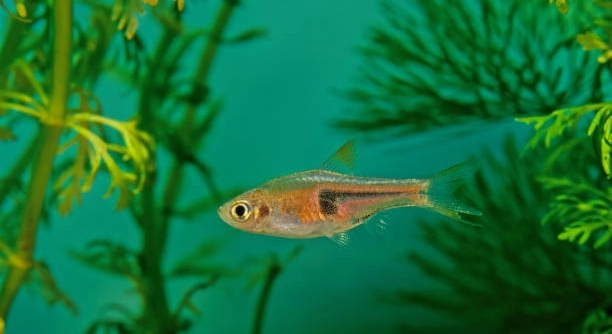
Do your Rasboras sometimes seem unsettled when swimming in groups, darting erratically and changing directions quickly? These small, active fish can create a chaotic scene that leaves hobbyists observing their behavior with both fascination and concern.
Rasbora confusion in crowds is primarily caused by factors such as overcrowding, inconsistent water conditions, sudden movements, insufficient hiding spaces, unbalanced nutrition, social hierarchy stress, and the presence of external stimuli. Each factor can disrupt their natural schooling behavior.
Understanding these causes can help you maintain a calmer aquarium environment and promote healthier, more harmonious interactions among your Rasboras.
Overcrowding in the Tank
Overcrowding is one of the main reasons Rasboras become confused in groups. When too many fish are placed in a single tank, they struggle to maintain their usual schooling patterns. Movement becomes restricted, and the fish start colliding with each other more often. This can lead to stress, which increases erratic swimming and sudden changes in direction. Overcrowded conditions also make it harder for Rasboras to establish social hierarchies. Dominant fish may chase or nip at smaller ones, further disrupting the group’s cohesion. Proper tank size and population density are essential to prevent these issues. Even a small adjustment in the number of fish or tank layout can improve the overall harmony of the school. Adding decorations or plants can also create more swimming space and reduce stress. Observing your Rasboras regularly helps identify signs of overcrowding early before behaviors escalate.
Keeping the tank balanced with fewer fish ensures smoother swimming patterns and reduces stress-related confusion.
Creating more space and visual barriers allows each Rasbora to move comfortably, maintaining natural group behavior and improving their overall health.
Inconsistent Water Conditions
Rasboras are highly sensitive to changes in water conditions, and sudden shifts in temperature, pH, or hardness can lead to confusion in schools. Even minor fluctuations may trigger erratic movements, as fish attempt to find more comfortable areas. Stability in water parameters is crucial to maintain calm behavior. Regular testing and gradual adjustments prevent shock and reduce stress responses. Fish react quickly to changes, so monitoring temperature, ammonia, nitrite, and nitrate levels ensures the environment stays within safe limits. Fluctuating water conditions can also affect feeding behavior and social interactions, making it harder for Rasboras to coordinate as a group. Using a reliable heater and filtration system helps maintain consistency. Performing partial water changes on a regular schedule also supports stable water chemistry. Understanding the specific needs of your Rasbora species allows for precise control over water quality. With consistent conditions, schooling becomes smoother, and confusion in the group significantly decreases.
Proper water management creates a stable environment, fostering calmer, more organized swimming patterns among Rasboras.
Maintaining steady water conditions reduces stress, improves feeding behavior, and strengthens social cohesion. By keeping the environment predictable, Rasboras can focus on schooling naturally rather than reacting to sudden discomfort or imbalance.
Sudden Movements
Rasboras react strongly to quick or unexpected movements around the tank. Rapid hand motions, tapping on glass, or sudden changes in lighting can startle them, causing erratic swimming and temporary confusion in their schooling behavior.
Even small disturbances can disrupt the coordinated movement of a Rasbora school. When fish are startled, they scatter and may collide with each other, creating chaos. This reaction is natural, as their instinct is to flee from potential threats. Sudden changes in the environment, such as adding new decorations or moving the tank, can also trigger stress responses. Consistency in handling and observing the aquarium helps minimize these disruptions. Avoiding abrupt motions near the tank and making changes gradually ensures Rasboras remain calm and maintain proper schooling patterns.
Providing hiding spots and stable conditions can reduce the impact of sudden movements. Over time, Rasboras become less reactive, and their group swimming becomes more synchronized, even in a busy tank environment.
Lack of Hiding Spaces
Rasboras feel safer and swim more confidently when the tank has adequate hiding spaces. Dense plants, rocks, and decorations offer refuge from stress and reduce confusion in crowded schools.
Without sufficient cover, Rasboras can feel exposed, which increases anxiety and erratic behavior. They may dart quickly between areas, disrupting the flow of the group. Over time, this stress can affect feeding and social interactions, making the entire school less cohesive. Plants and ornaments help create distinct zones, allowing fish to rest or retreat when needed. The arrangement should balance open swimming areas with secure hiding spots. Introducing varied textures and heights in decorations encourages natural movement and reduces stress responses. Observing how fish use these spaces informs adjustments to layout for optimal comfort. Proper hiding spaces not only protect Rasboras but also encourage smoother schooling behavior, promoting a calmer and healthier environment.
Unbalanced Nutrition
Providing a consistent and balanced diet is essential for Rasboras. Poor nutrition can weaken them, making them less coordinated in schools and more prone to stress.
Inconsistent feeding schedules or low-quality food can impact energy levels and alertness. Rasboras rely on a varied diet to maintain strength and proper behavior.
Social Hierarchy Stress
Rasboras establish social hierarchies that influence movement and interaction. Dominant fish may chase others, creating confusion in swimming patterns. This stress disrupts the natural flow of the school, leading to scattered, erratic behavior that affects the entire group.
External Stimuli
Loud noises, vibrations, or frequent disturbances outside the tank can startle Rasboras. They react instinctively, often changing directions rapidly, which leads to temporary disorganization in the group’s schooling behavior.
How can I tell if my Rasboras are stressed in a crowd?
Stressed Rasboras often display erratic swimming, sudden changes in direction, and frequent collisions with other fish. They may isolate themselves or hide more than usual. Coloration can also fade slightly, and they may reduce feeding activity. Watching their movement patterns over time helps identify stress early.
What is the ideal number of Rasboras per tank?
A general rule is to keep at least six Rasboras together, as they are schooling fish. The tank size should allow free swimming with minimal overcrowding. For a 20-gallon tank, 8–10 Rasboras provide a balanced group, while larger tanks can house more, maintaining proper social behavior.
How do water conditions affect Rasbora behavior?
Rasboras are highly sensitive to water quality. Sudden shifts in temperature, pH, or hardness can trigger panic swimming. Maintaining stable conditions with regular testing reduces confusion and stress. Using reliable filtration and performing partial water changes ensures the environment remains consistent and healthy.
Can rearranging tank decorations confuse Rasboras?
Yes, sudden changes in the tank layout can disrupt their established swimming routes. Fish may dart or scatter when encountering new obstacles. Gradual rearrangements and providing hiding spots help them adjust smoothly, minimizing stress and maintaining natural schooling behavior.
What foods are best for keeping Rasboras healthy?
A varied diet including high-quality flake food, micro pellets, and occasional live or frozen foods is ideal. Balanced nutrition supports energy levels and coordinated swimming. Overfeeding or inconsistent feeding schedules can lead to weaker fish and erratic group behavior, so stick to regular, measured portions.
How does social hierarchy impact Rasbora groups?
Dominant Rasboras can chase or intimidate others, causing temporary confusion in schooling patterns. Ensuring enough space, hiding areas, and even numbers of fish helps reduce hierarchy stress. Observing interactions and removing aggressive individuals when necessary maintains harmony in the group.
Do lighting and noise affect Rasbora schooling?
Rasboras respond to external stimuli such as bright lights, tapping, or vibrations. Sudden changes can startle them, causing rapid direction shifts. Keeping the tank in a calm area with moderate lighting and minimal disturbances supports consistent, relaxed schooling behavior.
How can I reduce overcrowding stress?
Monitor tank population and ensure the number of fish matches tank size. Adding plants or decorations creates visual barriers and more swimming space. Spreading out fish gradually and avoiding sudden additions prevents chaos and maintains a balanced group dynamic.
What is the role of hiding spaces in reducing confusion?
Hiding spots offer refuge and reduce stress, allowing fish to rest and regain confidence. Without cover, Rasboras feel exposed and may dart unpredictably. Strategically placing plants, rocks, or ornaments ensures every fish can find shelter while preserving open swimming areas for schooling.
How long does it take for Rasboras to adapt to changes?
Adaptation time varies depending on stress factors and tank conditions. Gradual introductions, consistent water parameters, and stable environments help fish adjust in a few days to a week. Sudden changes may prolong stress, so patience and observation are essential to ensure the group regains proper schooling behavior.
Can feeding schedules affect group behavior?
Yes, irregular feeding can cause competition and confusion during meals. Consistent feeding times maintain energy levels and reduce stress. Spreading food evenly across the tank prevents overcrowding in one area, allowing all Rasboras to eat calmly and maintain coordinated swimming.
Are certain tankmates better for Rasboras?
Peaceful, similarly sized fish work best. Aggressive or fast-moving species can startle Rasboras, increasing confusion. Matching swimming speeds and temperament reduces stress and helps maintain a smooth, cohesive group dynamic throughout the tank.
How do I handle sudden water parameter changes?
Introduce changes gradually using acclimation methods. Sudden shifts can trigger panic swimming and confusion. Testing water frequently and using a stable filtration system helps maintain consistent conditions. Small, incremental adjustments prevent stress and allow Rasboras to adapt without disrupting schooling behavior.
Can Rasboras recover from prolonged stress?
With proper care, yes. Reducing overcrowding, providing hiding spaces, maintaining stable water conditions, and offering balanced nutrition helps fish regain normal behavior. Recovery may take several days, and careful observation is necessary to ensure the group reestablishes coordinated schooling.
What signs indicate that schooling behavior has improved?
Calm, synchronized swimming and reduced collisions show that stress has lessened. Fish appear more confident, explore open areas, and feed consistently. Consistent behavior over several days indicates the group has adapted well to the environment and is less likely to experience confusion.
How often should I monitor my Rasboras for stress?
Daily observation is ideal. Quick checks of swimming patterns, coloration, and interaction with other fish help identify early signs of stress. Noticing changes early allows for timely adjustments to tank conditions, minimizing prolonged confusion and maintaining a healthy, harmonious group.
Rasboras are small, active fish that thrive in calm, well-maintained environments. Their schooling behavior can appear chaotic at times, especially when several factors influence their movement. Overcrowding, sudden environmental changes, inconsistent water conditions, and limited hiding spaces are common causes of confusion in groups. Each of these elements affects the fish differently, but they all contribute to stress and erratic swimming. By understanding the needs of Rasboras and the reasons behind their behaviors, it becomes easier to create a stable, comfortable environment. Observing them regularly allows for early detection of stress, making adjustments more effective before patterns of confusion become entrenched. A tank that supports natural schooling behavior helps the fish maintain confidence, reducing collisions and panic responses. This leads to a more harmonious group and a visually appealing, active aquarium.
Maintaining a balanced environment involves several key steps that, when applied consistently, significantly improve Rasbora behavior. Ensuring an appropriate tank size with a suitable number of fish prevents overcrowding and reduces stress. Providing hiding spaces through plants, rocks, or decorations allows the fish to retreat when needed, supporting calmer movement. Stable water conditions, including temperature, pH, and hardness, are crucial because sudden shifts can trigger panic swimming and confusion. Balanced nutrition also plays a significant role; a varied diet keeps energy levels steady and supports coordinated movement. Minimizing sudden disturbances outside the tank, such as loud noises, abrupt lighting changes, or rapid hand movements, further reduces stress. Together, these practices create an environment where Rasboras can exhibit natural, organized schooling behavior. Over time, the fish become more confident, and the group maintains smoother, more predictable patterns of movement, making the aquarium easier to manage and enjoy.
Rasboras are responsive creatures that reflect the quality of their environment in their behavior. Observing their interactions and adjusting care routines accordingly ensures that confusion in groups is minimized. Regular maintenance, careful attention to water quality, and thoughtful tank setup all contribute to calmer, healthier schooling patterns. Stress from social hierarchies, external stimuli, or inadequate resources can be mitigated through proper planning and monitoring. By taking these steps, hobbyists can foster an environment that supports natural behaviors and enhances the overall well-being of the fish. Over time, a well-maintained tank not only reduces erratic swimming but also strengthens the cohesion of the school, making the aquarium more enjoyable to watch. Consistency and attentiveness are key, as Rasboras thrive in predictable conditions that allow them to swim confidently together. Prioritizing their needs ensures long-term health, encourages proper schooling behavior, and creates a balanced, peaceful community within the tank.

Hello,
If you enjoy the content that we create, please consider saying a "Thank You!" by leaving a tip.
Every little bit helps us continue crafting quality advice that supports the health, happiness, and well-being of pets around the world, for pets of all shapes, sizes, and species.
We really appreciate the kindness and support that you show us!