
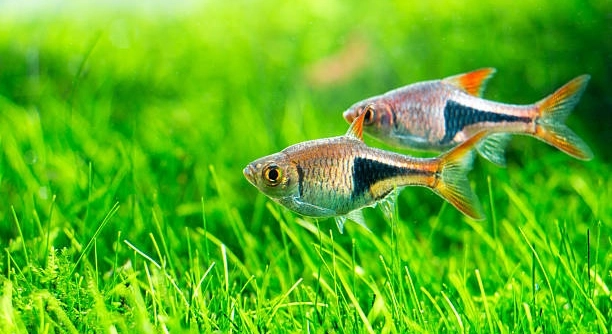
Are your rasboras losing their bright, vibrant colors despite your best care? Many fish owners notice this subtle change over time, which can be concerning. Color fading often signals underlying issues that affect the health of your aquarium.
Rasbora color fading is commonly caused by poor water quality, inadequate nutrition, stress, illness, low lighting, aging, and incompatible tank mates. Addressing these factors promptly can help maintain their natural coloration and overall well-being.
Understanding these causes will help you take proper action and support your rasboras’ health. Each factor plays a role in keeping your fish vibrant and thriving.
Poor Water Quality
Poor water quality is one of the most common reasons rasboras lose their vibrant colors. High levels of ammonia, nitrites, or nitrates can stress the fish, affecting their coloration and overall health. Even small changes in pH, hardness, or temperature can create a challenging environment for rasboras. Regular water testing and maintenance help ensure a stable, healthy habitat. Dirty filters, decaying food, and overstocked tanks also contribute to poor water conditions. A consistent cleaning schedule and partial water changes can prevent buildup of harmful substances. Proper water quality supports the immune system, reducing the risk of disease. Observing your fish for unusual behavior can indicate water issues early. Transparent water does not always mean it is safe; chemical imbalances may still exist. Maintaining balanced water parameters is essential for long-term color retention and vitality. Stress from fluctuating conditions can cause fading that is reversible if addressed quickly and consistently.
Monitoring water regularly helps your rasboras stay vibrant and healthy. Consistency is key in maintaining a stable aquatic environment.
Even with a beautiful tank setup, neglecting water quality can quietly harm your fish. Rasboras are sensitive to chemical changes, and prolonged exposure to poor conditions can lead to faded colors, weakened immunity, and slower growth. The first step in prevention is testing the water weekly for ammonia, nitrites, nitrates, and pH levels. Adjusting water parameters gradually ensures the fish are not shocked by sudden changes. Filters must be cleaned according to manufacturer instructions to maintain efficient filtration without disrupting beneficial bacteria. Overfeeding is another common factor; leftover food decomposes, raising toxin levels and clouding the water. Introducing plants and live décor can naturally aid in water filtration, reducing stress and promoting natural behavior. Even minor improvements in water quality can have noticeable effects on color, activity, and overall appearance. Paying attention to these details ensures your rasboras remain healthy and visually vibrant, giving your tank a lively, balanced atmosphere.
Inadequate Nutrition
Poor nutrition can significantly affect rasbora coloration. A limited or unbalanced diet can cause fading, dull fins, and slower growth.
Feeding a varied diet of high-quality flakes, pellets, and occasional live or frozen foods ensures proper coloration.
Rasboras require a mix of proteins, vitamins, and carotenoids to display their natural colors. Diets lacking essential nutrients can lead to pale bodies and less vibrant fins over time. High-quality commercial foods often include color-enhancing ingredients, but supplementing with live or frozen foods such as brine shrimp or daphnia provides additional benefits. Overfeeding should be avoided, as leftover food decomposes and affects water quality, indirectly impacting color. Observing how your fish respond to different foods can guide adjustments to their diet. A consistent feeding schedule with portion control supports healthy growth and reduces stress. Nutritional support is particularly important for young fish, as they develop their full coloration during early growth stages. Offering variety not only enhances color but encourages natural foraging behaviors, making your rasboras more active and visually appealing. Ensuring proper nutrition is a straightforward but critical step in maintaining the bright, lively appearance of your aquarium inhabitants.
Stress
Rasboras under constant stress will show dull colors and erratic behavior. Stress can result from overcrowding, sudden changes in water conditions, or aggressive tank mates. Reducing stress helps restore natural coloration and improves overall health.
Environmental stability is key to minimizing stress. Sudden temperature fluctuations or inconsistent water parameters can make rasboras anxious, causing their colors to fade. Overcrowding limits swimming space and increases competition for food, heightening tension. Even seemingly minor disturbances, such as frequent tapping on the tank or loud noises nearby, can affect sensitive fish. Providing hiding spots with plants or décor allows them to feel secure. Peaceful tank mates reduce aggression, allowing rasboras to thrive. A calm environment supports natural behavior, feeding routines, and proper growth. Consistent care and observation are crucial to identify stress factors early.
Stress also weakens the immune system, making rasboras more prone to disease. Faded colors often accompany other signs like loss of appetite, clamped fins, or sluggish movement. By maintaining a stable habitat, ensuring proper nutrition, and selecting compatible tank mates, you can minimize stress. Small adjustments, such as gentle water changes, low-intensity lighting, and strategically placed plants, can have significant positive effects. Observing the fish daily helps identify stress triggers before they become severe. Over time, reduced stress allows rasboras to regain their vibrant coloration, become more active, and display natural social behaviors, contributing to a healthier, more visually appealing aquarium.
Low Lighting
Insufficient or inconsistent lighting can cause rasboras to lose brightness. Proper lighting enhances their natural colors and supports overall well-being.
Lighting affects both color expression and plant growth in the tank. Rasboras rely on light to trigger pigmentation, and dim or inconsistent illumination can make them appear dull. Proper lighting mimics natural conditions, promoting activity and feeding behavior. Choosing a light source with the right spectrum enhances reds, oranges, and yellows, making colors more vivid. A timer helps maintain consistent day-night cycles, reducing stress and supporting biological rhythms. Avoid overly intense lighting that may cause stress or algae overgrowth. Combining moderate lighting with live plants creates a balanced environment where colors and behaviors flourish naturally.
Over time, low lighting can cause prolonged color fading, affecting both aesthetics and fish health. Natural day-night cycles regulate feeding, movement, and social interactions, all of which influence pigmentation. Adjusting light intensity and duration gradually prevents shocking the fish. Incorporating full-spectrum LED or fluorescent lights designed for freshwater tanks ensures proper color enhancement. Live plants also contribute by diffusing light, providing hiding spots, and absorbing excess nutrients that could promote algae growth. Observing how rasboras respond to lighting changes can guide fine-tuning for optimal vibrancy. Consistent, appropriate lighting combined with proper care improves overall health, encouraging active, colorful fish that display their natural beauty in the aquarium.
Illness
Illness can quickly cause rasboras to lose their color. Faded coloration often signals bacterial, fungal, or parasitic infections that need prompt attention.
Early detection is important. Look for changes in behavior, clamped fins, or unusual spots. Treating illness quickly helps restore health and natural coloration.
Aging
As rasboras grow older, their colors naturally fade. Aging affects pigment cells, making the fish appear less vibrant over time. Maintaining good care and nutrition can slow this process, but some fading is a natural part of their life cycle.
Incompatible Tank Mates
Aggressive or overly active tank mates stress rasboras, leading to color loss. Careful selection of peaceful companions helps maintain their natural appearance.
Why is my rasbora’s color fading so quickly?
Rapid color fading in rasboras is usually a sign of stress or poor water conditions. Sudden changes in temperature, pH, or water hardness can make them anxious, leading to dull or washed-out colors. Overcrowding, aggressive tank mates, or insufficient hiding spaces also contribute to stress. Ensuring stable water parameters, moderate tank stocking, and peaceful companions helps slow or reverse fading. Nutrition plays a role as well—an unbalanced diet lacking essential vitamins and carotenoids reduces pigmentation. Observing your fish daily and making gradual adjustments can help restore their natural vibrancy over time.
Can changing the lighting in my tank improve my rasbora’s colors?
Yes, lighting directly influences how vibrant rasboras appear. Low or inconsistent lighting can make colors appear dull. Using full-spectrum or moderate-intensity LED lights enhances their reds, oranges, and yellows. A consistent day-night cycle helps regulate natural behavior, feeding, and pigment expression. Avoid overly bright lights, which can stress the fish or encourage algae growth. Incorporating live plants and décor allows light to diffuse naturally, creating a comfortable environment. Adjust light gradually and monitor your fish’s response to ensure it supports coloration without causing stress. Proper lighting is a simple but effective way to maintain vibrant, healthy rasboras.
How does diet affect my rasbora’s coloration?
Rasboras require a balanced diet to maintain bright colors. High-quality flakes or pellets enriched with carotenoids support natural pigmentation. Adding occasional live or frozen foods like brine shrimp or daphnia provides protein and essential nutrients that enhance color intensity. Overfeeding should be avoided because leftover food decomposes, affecting water quality and indirectly stressing the fish. Feeding multiple small portions daily ensures they receive adequate nutrition without harming the tank environment. Observing how your rasboras respond to dietary changes can guide adjustments. A proper diet combined with stable care helps them regain and retain vibrant coloration.
Can stress cause permanent color fading?
Stress can lead to temporary or long-term color loss, depending on duration and severity. Short-term stress, such as minor water changes or brief disturbances, may cause reversible fading. Long-term stress from poor water quality, aggressive tank mates, or constant environmental changes can weaken the immune system, making it harder for rasboras to recover their colors. Providing a calm environment, hiding spots, compatible tank mates, and consistent care can restore vibrancy. Stress management is critical, as prolonged exposure not only affects color but also increases susceptibility to illness.
Is it normal for older rasboras to lose color?
Yes, aging naturally affects pigmentation. Older rasboras may display less vibrant colors as pigment cells decline over time. While proper care and nutrition can slow fading, some dullness is a normal part of their life cycle. Ensuring a stable environment, balanced diet, and low-stress tank conditions helps them remain as colorful as possible, even with age.
What water parameters are best to maintain rasbora coloration?
Stable water conditions are essential. Rasboras thrive in slightly acidic to neutral pH (6.5–7.5), moderate hardness, and a temperature range of 22–28°C (72–82°F). Ammonia and nitrite levels should remain at zero, with nitrates below 20 ppm. Regular water testing and partial water changes help maintain these parameters. Stability reduces stress, prevents disease, and preserves bright coloration. Abrupt changes, even if small, can cause fading, so gradual adjustments are preferable. Proper filtration, aeration, and occasional plant supplementation further support a healthy environment, ensuring your rasboras retain their natural vibrancy.
Can tank mate selection influence my rasbora’s colors?
Yes, aggressive or overly active tank mates stress rasboras, leading to dull coloration. Peaceful species that share similar size and temperament help maintain calm conditions. Overcrowding should be avoided to reduce competition for food and swimming space. A carefully planned community tank promotes natural behavior, feeding, and social interactions, which all contribute to vibrant, healthy coloration. Providing hiding spots and open swimming areas further reduces stress. By monitoring interactions and adjusting tank composition, you can protect your rasboras’ colors and overall well-being.
How long does it take for rasboras to regain color?
Recovery time varies based on the underlying cause. After improving water quality, nutrition, and reducing stress, noticeable color improvement may take one to four weeks. Some individuals may regain vibrancy faster, while older or previously stressed fish may take longer. Patience and consistent care are essential. Gradual improvements are normal, and monitoring their behavior and appearance helps ensure adjustments are effective. Combining proper diet, stable conditions, and low-stress tank management allows rasboras to slowly return to their natural, vivid coloration while supporting overall health.
Can I use color-enhancing supplements for my rasboras?
Color-enhancing supplements can help if diet alone is insufficient. Many commercial foods include natural pigments like carotenoids, which boost reds and oranges. Liquid or powdered supplements can be used occasionally, but overuse may cause water quality issues. Supplements should complement, not replace, a balanced diet and proper care. Observing the fish’s response ensures the approach is effective without harming their health. A combination of good nutrition, stable conditions, and occasional supplementation supports long-term color retention.
Are there signs besides color fading that indicate problems?
Yes, other indicators include clamped fins, lethargy, loss of appetite, unusual swimming patterns, or spots on the body. These signs often appear alongside color fading, signaling stress, poor water quality, or illness. Observing daily behavior and physical appearance helps detect issues early, allowing for corrective action before more severe health problems arise. Prompt attention to changes ensures rasboras remain healthy, active, and visually vibrant.
Rasboras are small, delicate fish whose vibrant colors bring life and beauty to any aquarium. Maintaining their natural coloration requires attention to a few key aspects of care. Water quality is essential, as poor conditions can quickly lead to fading. Regular testing for ammonia, nitrites, and nitrates, along with partial water changes, helps maintain a stable environment. Temperature and pH should also remain consistent, as fluctuations stress the fish and reduce their brightness. Clean filters, proper aeration, and a well-planned tank setup with plants and décor contribute to a comfortable habitat that supports both health and color.
Nutrition plays a critical role in preserving rasbora coloration. A balanced diet that includes high-quality flakes or pellets enriched with essential vitamins and carotenoids helps maintain vibrant hues. Supplementing with live or frozen foods, such as brine shrimp or daphnia, provides additional protein and nutrients that naturally enhance pigmentation. Overfeeding should be avoided to prevent water pollution, which can indirectly affect color and overall health. Observing how the fish respond to different foods allows adjustments to meet their dietary needs effectively. A consistent feeding schedule and portion control are important for growth, activity, and long-term vibrancy.
Stress management is another important factor for keeping rasboras colorful. Aggressive or overly active tank mates, overcrowding, loud noises, or sudden changes in the environment can all cause fading. Providing hiding spaces and maintaining a calm, stable environment reduces stress and allows the fish to display their natural colors. Aging and illness can also affect pigmentation, but proper care, nutrition, and monitoring can slow these effects and support overall health. Attention to lighting, tank conditions, and social interactions ensures that rasboras remain active, healthy, and visually appealing. By focusing on water quality, nutrition, and stress reduction, it is possible to maintain their vibrant appearance and enjoy a lively, balanced aquarium.

Hello,
If you enjoy the content that we create, please consider saying a "Thank You!" by leaving a tip.
Every little bit helps us continue crafting quality advice that supports the health, happiness, and well-being of pets around the world, for pets of all shapes, sizes, and species.
We really appreciate the kindness and support that you show us!